
Powdered Sugar Pastries

There is something undeniably magical about the combination of shatteringly crisp, buttery layers and a snowy dusting of sweetness. Whether you are hosting a festive brunch or simply looking to elevate your Sunday morning coffee, finding the best powdered sugar pastry recipes is the key to bringing that professional bakery experience directly into your own kitchen. These pastries rely on a delicate balance of textures—a golden-brown, savory crust contrasted against a velvety, sweet filling and a signature sugar finish that melts the moment it hits your tongue.
Making these bakery-style treats at home is surprisingly approachable, especially when you master the art of the sweet cream cheese filling and a perfectly balanced glaze. This guide will walk you through the nuances of handling delicate doughs and achieving that iconic professional sheen, ensuring your pastries look as impressive as they taste.
Why This Recipe Is a Keeper
- Bakery-Style Quality: Achieve that coveted “shatter” with every bite, mimicking the high-end pastries found in European patisseries without the gourmet price tag.
- Customizable Canvas: Once you master the base technique, you can easily swap fillings to suit the season, making this one of the most versatile best powdered sugar pastry recipes in your repertoire.
- Make-Ahead Friendly: You can prepare the components or even shape the pastries in advance, allowing for a stress-free morning where all you have to do is turn on the oven.
- Perfect Texture Balance: The tanginess of the cream cheese offsets the sweetness of the simple powdered sugar glaze, preventing the dish from becoming overly cloying.
Ingredients You’ll Need
To create bakery-style pastries at home, the quality of your ingredients matters just as much as your technique. Each component plays a specific role in building the architectural layers and the final flavor profile of the pastry.
- Puff Pastry: This is the backbone of the recipe; look for an all-butter variety if possible, as it provides the most authentic flavor and superior lift during the baking process.
- Cream Cheese: Use full-fat brick cream cheese for the filling to ensure it remains stable and creamy under high heat without becoming watery or thin.
- Granulated Sugar: This sweetens the cream cheese filling while helping to create a smooth, pipeable texture that holds its shape inside the pastry nest.
- Vanilla Extract: A high-quality pure vanilla adds essential aromatic depth, bridging the gap between the buttery dough and the sweet topping.
- Lemon Juice: A splash of citrus brightens the sweet cream cheese filling, providing a necessary acidic counterpoint to the rich dairy and sugar.
- Powdered Sugar: The star of the show, used both for the drizzled glaze and a final decorative dusting to provide that classic “finished” look.
- Egg Wash: A simple beaten egg brushed over the dough ensures a deep, mahogany-gold finish and helps the edges crisp up beautifully in the oven.
Simple Swaps and Variations
Fruit-Forward Variations: Create homemade fruit pastries by adding a dollop of raspberry preserves, apricot jam, or fresh blueberries directly on top of the cream cheese before baking.
Almond Dream: Swap the vanilla extract for almond extract in the filling and top the finished glaze with toasted sliced almonds for a nutty, sophisticated twist.
Chocolate Drizzle: For a more decadent dessert-style pastry, replace the lemon glaze with a chocolate ganache drizzle or add mini chocolate chips into the cheese center.
Spiced Glaze: Stir a pinch of cinnamon or cardamom into your simple powdered sugar glaze to give the pastries a warm, autumnal flavor profile perfect for the holidays.
How to Make the Best Powdered Sugar Pastry
Step 1: Prepare the Flaky Puff Pastry Base
Start by carefully unfolding your thawed puff pastry onto a lightly floured surface. Using a sharp knife or a pizza cutter, divide the dough into equal squares—typically 4×4 inches works best for individual servings. It is crucial to handle the dough while it is still cold to prevent the butter from melting; this ensures those distinct, flaky layers develop as the moisture evaporates in the oven. If the dough feels too soft, pop it back into the refrigerator for ten minutes before proceeding.
Step 2: Whip the Sweet Cream Cheese Filling
In a medium mixing bowl, beat the softened cream cheese with granulated sugar, vanilla, and lemon juice until the mixture is completely smooth and free of lumps. You want a consistency that is thick enough to sit in the center of the pastry without running toward the edges. Achieving a sweet cream cheese filling that is properly aerated will result in a light, souffle-like texture once baked, rather than a dense or heavy center.
Step 3: Shape and Fill the Pastry Squares
Create a small border by lightly scoring a square inside each pastry piece, being careful not to cut all the way through. This “frame” allows the edges to rise significantly higher than the center, creating a natural nest for your filling. Place a generous tablespoon of the cream cheese mixture into the center of each square. For a more professional look, you can pipe the filling using a plastic bag with the corner snipped off, ensuring a neat, circular mound in the middle of your best powdered sugar pastry recipes.
Step 4: Bake Until Golden and Crisp
Brush the exposed edges of the dough with your egg wash, which acts as a browning agent. Slide the tray into a fully preheated oven. The high heat is what triggers the “puff” in the pastry, so do not be tempted to open the door early. Watch for a deep, golden-brown color and a visible lift in the layers. The filling should look set but still have a slight wobble, indicating it will remain creamy once it cools down to room temperature.
Step 5: Drizzle the Simple Powdered Sugar Glaze
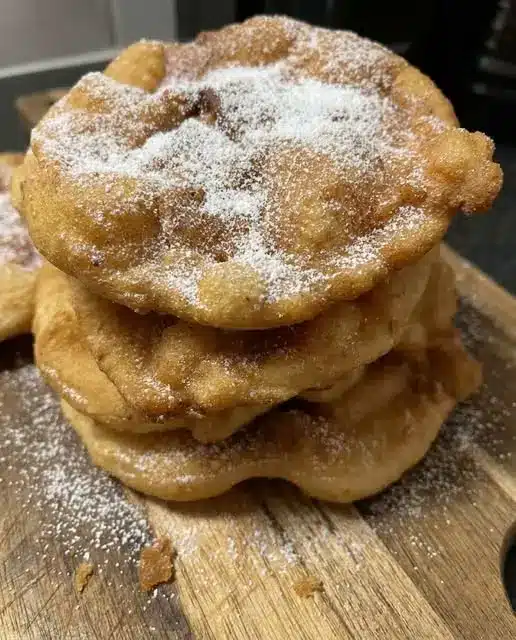
Once the pastries have cooled slightly but are still warm, whisk together your powdered sugar and a small amount of milk or cream until you reach a thick, ribbon-like consistency. Drizzle the glaze in a back-and-forth motion across the pastries. The warmth of the dough will help the simple powdered sugar glaze set into a beautiful, opaque finish. For the final touch, use a fine-mesh sieve to add a light “snow” of dry powdered sugar over the top just before serving.
Pro Tips for Success
- Tip: Always use a preheated baking sheet. Placing your pastries on a cold tray can result in a “soggy bottom” because the butter starts to melt before the flour can set.
- Tip: Keep the pastry cold. If you are making a large batch of homemade fruit pastries, keep half the dough in the fridge while you work on the first tray to maintain maximum flakiness.
- Tip: Don’t overfill. It is tempting to pile on the cream cheese, but too much filling will weigh down the center and prevent the pastry from rising properly.
- Tip: Use a sharp blade. Dull knives “pinch” the edges of puff pastry together, which can seal the layers and stop them from separating and expanding in the oven.
- Tip: Sift your sugar. To ensure your glaze is perfectly smooth without any tiny white lumps, always sift the powdered sugar before whisking in your liquid.
How to Serve These Pastries
Presentation is a key part of the appeal when serving the best powdered sugar pastry recipes. For a classic brunch look, arrange the pastries on a white ceramic platter, which allows the golden hues and white sugar to pop. If you are serving them as a dessert, consider a side of fresh macerated strawberries or a sprig of mint to add a touch of color and freshness.
These treats are best enjoyed while still slightly warm from the oven, as that is when the contrast between the crisp dough and the creamy center is most pronounced. However, they also make a wonderful afternoon snack when paired with a strong espresso or a floral Earl Grey tea. If you want to lean into the bakery-style pastries at home vibe, serve them in individual parchment paper liners for a charming, rustic touch.
Storage and Make-Ahead
Storing Leftovers
While these are best eaten the day they are made, you can store leftovers in an airtight container at room temperature for up to two days. Avoid refrigerating them if possible, as the moisture in the fridge can cause the puff pastry to lose its signature crunch and become chewy.
Reheating
To revive the texture of your best powdered sugar pastry recipes, place them in a 350°F oven or a toaster oven for 3 to 5 minutes. This will recrisp the butter layers without drying out the filling. Avoid the microwave, as it will make the pastry soft and rubbery.
Making It Ahead
You can assemble the pastries (without the egg wash) and freeze them on a baking sheet until solid. Once frozen, transfer them to a freezer bag. When you are ready for a fresh treat, bake them directly from frozen, adding an extra 5 minutes to the total baking time. This is the ultimate secret to having homemade fruit pastries ready at a moment’s notice.
Final Thoughts
Mastering the best powdered sugar pastry recipes is a rewarding journey that brings a touch of elegance to any meal. By focusing on the temperature of your dough and the balance of your sweet cream cheese filling, you can create a dessert that rivals any professional shop. The final dusting of sugar is more than just a decoration; it is the finishing touch that ties the buttery, tangy, and sweet elements together into one perfect, flaky bite. Whether you stick to the classic version or experiment with fruit and spices, these pastries are sure to become a staple in your baking rotation.
Frequently Asked Questions
Can I use phyllo dough instead of puff pastry?
While phyllo dough is also flaky, it has a much thinner, more paper-like texture and requires brushing each individual layer with butter. Puff pastry is preferred for these best powdered sugar pastry recipes because it provides a sturdier, more substantial base that can support the weight of the cream cheese filling while still achieving a significant rise.
Why did my glaze disappear into the pastry?
If the pastry is too hot when you apply the simple powdered sugar glaze, the sugar will melt and soak into the dough rather than sitting on top. Wait until the pastry is warm to the touch—but not steaming—to ensure the glaze sets into a beautiful, visible drizzle. If it does soak in, simply wait for it to cool further and apply a second layer.
How do I keep the bottom of the pastry from getting soggy?
Soggy bottoms usually occur when the filling leaks or the oven temperature is too low. Ensure you leave a proper border when scoring the dough and bake the pastries on the middle or lower-middle rack of the oven. Using a parchment-lined heavy-duty baking sheet also helps distribute heat evenly to the bottom of the bakery-style pastries at home.
Can I make the filling dairy-free?
Yes, you can substitute the cream cheese with a high-quality plant-based cream cheese alternative. Just ensure the alternative you choose is thick and not “whipped,” as whipped versions can collapse under the heat of the oven. Also, check that your puff pastry brand is “accidentally vegan,” as many frozen options use vegetable oils instead of butter.
Is it necessary to use an egg wash?
While not strictly necessary for the pastry to rise, the egg wash is essential for achieving that professional, deep golden-brown color. Without it, the pastry will look pale and matte. If you have an egg allergy, you can brush the edges with a little bit of heavy cream or melted butter to help with browning, though the result will be slightly less shiny.
Powdered Sugar Pastries

Delicate and flaky puff pastries baked until golden and finished with a snow-like dusting of sweet powdered sugar. These simple treats are perfect for any occasion requiring a touch of sweetness.
- 1 sheet frozen puff pastry, thawed
- 1 large egg, lightly beaten
- 1/2 cup powdered sugar, sifted
- 1 teaspoon water
- 1Preheat your oven to 400°F (200°C) and line a large baking sheet with parchment paper.
- 2Unfold the puff pastry onto a lightly floured surface and cut into 12 equal rectangles.
- 3Place the rectangles on the prepared baking sheet, leaving at least one inch between each piece.
- 4Mix the egg with a teaspoon of water and brush the top of each pastry lightly with the egg wash.
- 5Bake for 15 minutes or until the pastries are puffed up and golden brown.
- 6Remove from the oven and transfer to a wire rack to cool completely.
- 7Once cooled, use a fine-mesh sieve to dust the pastries generously with powdered sugar.
Keywords: pastries, puff pastry, powdered sugar, sweet, bakery, dessert


