
Butter Pecan Cake

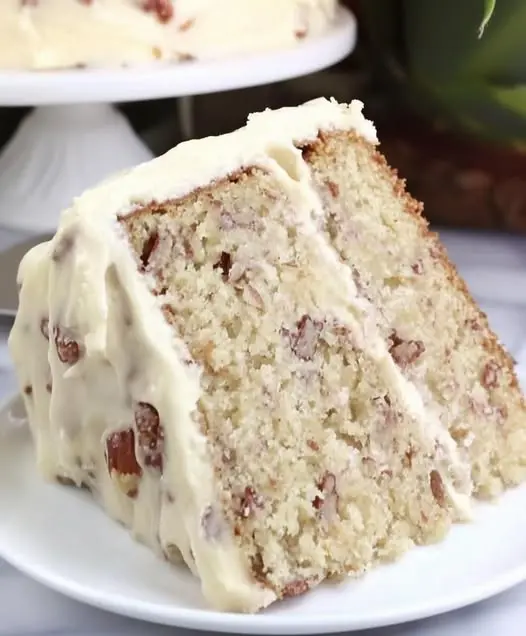
There is something undeniably nostalgic about the aroma of butter and toasted nuts wafting through a warm kitchen. While many classic desserts rely on chocolate or fruit for their appeal, this best butter pecan cake recipe leans into the sophisticated, earthy richness of pecans and the deep, caramel-like notes of browned butter. This isn’t just a standard yellow cake with nuts thrown in; it is a meticulously balanced dessert where every crumb is infused with nutty warmth and a velvety texture that melts in your mouth.
The beauty of a moist pecan cake lies in the contrast between the tender, buttery sponge and the crunch of perfectly roasted pecans. Whether you are preparing this for a holiday gathering, a milestone birthday, or simply a weekend treat, the combination of toasted nuts and a luscious brown butter frosting creates a flavor profile that feels both timeless and indulgent. It is approachable enough for a home baker but refined enough to serve as the centerpiece of any dessert table.
Why This Recipe Is a Keeper
- Deep Nutty Flavor: By toasting the pecans before they ever touch the batter, you unlock an aromatic depth that store-bought, raw nuts simply cannot provide, ensuring a toasted pecans presence in every bite.
- Exceptional Texture: The use of buttermilk and specific creaming techniques results in a crumb that is tight enough to hold its shape but soft enough to stay moist for days.
- Balanced Sweetness: Unlike many commercial cakes that rely on sugar for flavor, this recipe balances the sweetness with the savory notes of butter and the slight bitterness of roasted pecans.
- Versatile Presentation: This recipe works beautifully as a multi-layered showstopper, a simple 9×13 sheet cake, or even a set of elegant cupcakes for easier serving.
Ingredients You’ll Need
To achieve the perfect balance of flavor and structure, each ingredient in this best butter pecan cake recipe has been chosen for its specific functional role. Using high-quality fats and fresh nuts will make a noticeable difference in the final result.
- Unsalted Butter: This provides the foundation of the flavor. By using unsalted butter, you have complete control over the seasoning, ensuring the cake isn’t overly salty.
- Raw Pecan Halves: Freshness is key. Toasting them yourself allows you to control the level of browning, which is where that iconic “butter pecan” taste originates.
- Buttermilk: The acidity in buttermilk reacts with the leavening agents to create a light, airy lift while contributing a subtle tang that cuts through the richness of the butter.
- Granulated and Brown Sugar: A combination of both sugars provides the necessary sweetness, but the molasses in the brown sugar adds essential moisture and a hint of caramel.
- Cake Flour: For the most delicate crumb, cake flour is preferred over all-purpose. Its lower protein content prevents the cake from becoming tough or bread-like.
- Pure Vanilla Extract: A generous splash of high-quality vanilla acts as a flavor enhancer, rounding out the nuttiness and tying the sweet components together.
- Large Eggs: Use room-temperature eggs to ensure they emulsify properly into the butter and sugar mixture, which is crucial for a stable cake structure.
Variations and Smart Swaps
Maple Butter Pecan: For a more autumnal twist, replace a portion of the vanilla extract with maple extract or add a tablespoon of pure maple syrup to the frosting. This complements the toasted pecans exceptionally well.
Salted Caramel Drizzle: If you want to take the decadence to the next level, drizzle a homemade salted caramel between the cake layers. The saltiness helps to highlight the brown butter frosting.
Bourbon Infusion: For an adult-friendly version, add two tablespoons of high-quality bourbon to the batter or the frosting. The oaky notes of the bourbon pair naturally with the earthy flavor of the nuts.
Dairy-Free Adaptation: While butter is central to the flavor, you can use a high-quality vegan butter stick and almond milk with a teaspoon of lemon juice as a buttermilk substitute if necessary.
How to Make the Best Butter Pecan Cake
Step 1: Toast and Prep the Pecans
The first and most important step is to toast your pecans. Spread the raw halves on a baking sheet and roast them in the oven until they are fragrant and a shade darker. Once cooled, chop them into medium-sized pieces. Sautéing a portion of these in a little bit of butter with a pinch of salt before adding them to the batter ensures the nut flavor is locked in and doesn’t get lost during the baking process.
Step 2: Cream the Butter and Sugars
In a large bowl, cream together your softened butter with both the granulated and brown sugars. You want to beat this mixture until it is light, fluffy, and noticeably paler in color. This process, known as aeration, incorporates tiny air bubbles that expand in the oven, giving your moist pecan cake its signature soft and airy height without being overly dense.
Step 3: Emulsify the Eggs and Vanilla
Add the eggs one at a time, beating well after each addition. It is vital that your eggs are at room temperature; cold eggs can cause the butter to seize, resulting in a curdled batter and a heavy cake. Once the eggs are fully incorporated, stir in the vanilla extract. The mixture should look smooth and glossy at this stage, indicating a successful emulsion of fats and liquids.
Step 4: Alternate Dry and Wet Ingredients
Sift your cake flour, baking powder, and salt together. Begin adding the dry ingredients to the butter mixture in three parts, alternating with the buttermilk in two parts. Start and end with the flour. This “alternating” method prevents the batter from breaking and ensures the flour is fully hydrated without overworking the gluten, which keeps the best butter pecan cake recipe tender.
Step 5: Fold in the Nuts and Bake
Gently fold in your prepared pecans by hand using a spatula. Overmixing at this stage will deflate the air you’ve worked so hard to incorporate. Divide the batter evenly between your prepared cake pans and bake until a toothpick comes out clean. The cakes should be golden brown on top and just beginning to pull away from the edges of the pan, indicating they are perfectly cooked through.
Step 6: Prepare the Brown Butter Frosting
While the cakes cool, brown your butter in a saucepan until it smells nutty and you see dark golden bits at the bottom. Allow it to solidify slightly before whipping it with powdered sugar, a splash of cream, and more vanilla. This brown butter frosting provides a savory, complex sweetness that is far superior to standard buttercream, perfectly echoing the toasted notes within the cake layers.
Pro Tips for Success
- Tip: Always use room-temperature ingredients. When butter, eggs, and buttermilk are all at the same temperature, they create a stable emulsion that traps air more effectively.
- Tip: Don’t skip the toasting. Raw pecans have a much milder flavor and a softer texture. Toasting them provides the “crunch” and “snap” that defines a Southern butter pecan cake.
- Tip: Measure flour by weight. If you don’t have a scale, use the “spoon and level” method. Packing flour into a measuring cup can result in up to 20% more flour than needed, leading to a dry cake.
- Tip: Let the layers cool completely. Attempting to frost a even slightly warm cake will cause the brown butter frosting to melt and slide off, ruining the presentation.
- Tip: Watch the butter closely when browning. It can go from perfectly brown to burnt in a matter of seconds. Once it smells like toasted hazelnuts, remove it from the heat immediately.
Troubleshooting Common Problems
Why Is My Cake Too Dense?
Density usually occurs if the butter and sugar weren’t creamed long enough or if the batter was overmixed after the flour was added. Overmixing develops the gluten, which creates a tough, bread-like structure rather than a delicate cake crumb. Next time, stop mixing as soon as the last streaks of flour disappear.
Why Did My Pecans Sink to the Bottom?
If your pecans are chopped too large, they may be too heavy for the batter to support. Ensure they are chopped into small, uniform pieces. You can also toss the chopped nuts in a tablespoon of flour before folding them into the batter; the flour coating helps them “grip” the batter and stay suspended during the bake.
Why Is My Frosting Too Runny?
This usually happens if the browned butter was still too warm or liquid when you started mixing the frosting. The butter needs to be soft but opaque and semi-solid (the consistency of softened regular butter). If it’s already too late, try chilling the frosting in the fridge for 15 minutes and then whipping it again.
How to Serve Butter Pecan Cake
Presentation is key for a dessert this rich. This best butter pecan cake recipe is best served at room temperature, which allows the butter in the frosting and the cake to soften to its most palatable texture. If the cake has been refrigerated, let it sit out for about 30 to 60 minutes before slicing.
Garnishes
For a professional look, reserve a few whole, toasted pecan halves to press into the top or sides of the cake. A light dusting of cinnamon or a very fine drizzle of caramel can also add visual interest. If you want a more rustic feel, simply press chopped pecans into the bottom third of the cake’s exterior.
Pairing Suggestions
Because this cake is quite rich, it pairs beautifully with a strong, unsweetened cup of coffee or a dark roasted espresso. For a non-caffeinated option, a cold glass of milk provides a classic contrast to the sweet, nutty flavors. If serving for a holiday, a small scoop of vanilla bean ice cream on the side is never a bad idea.
Storage and Make-Ahead
Storing Leftovers
Due to the butter content in the frosting, this cake should be stored in an airtight container. It will stay fresh at room temperature for up to two days. If you need to keep it longer, store it in the refrigerator for up to five days, but remember to bring it back to room temperature before serving to restore the texture.
Freezing
This cake freezes exceptionally well. You can freeze the individual un-frosted layers by wrapping them tightly in plastic wrap and then foil for up to three months. Thaw the layers in the refrigerator overnight before frosting. You can also freeze individual slices of the finished cake, though the frosting texture may change slightly upon thawing.
Making It Ahead
You can easily prepare the cake layers a day in advance. Once cooled, wrap them in plastic wrap and store them at room temperature. The brown butter frosting can also be made a day ahead and stored in the fridge; just be sure to let it soften and give it a quick whip with a hand mixer before using it to frost the cake.
Final Thoughts
Mastering the best butter pecan cake recipe is a rewarding experience for any baker. It moves beyond the simplicity of vanilla and chocolate, offering a sophisticated palette of flavors that center on the natural beauty of the pecan. By taking the time to toast your nuts and brown your butter, you elevate a standard dessert into something truly memorable. This cake is a testament to how traditional techniques and high-quality ingredients can create a showstopping result that friends and family will request for years to come.
Frequently Asked Questions
Can I use all-purpose flour instead of cake flour?
Yes, you can substitute all-purpose flour, but the texture will be slightly heavier and more substantial. If you want to mimic cake flour, remove two tablespoons of all-purpose flour from every cup and replace them with two tablespoons of cornstarch. Sift this mixture several times to ensure the cornstarch is evenly distributed and the flour is aerated.
Do I have to use buttermilk?
Buttermilk is highly recommended because its acidity helps tenderize the gluten and provides a specific lift when reacting with baking powder. If you don’t have it on hand, you can make a quick substitute by adding one tablespoon of lemon juice or white vinegar to a cup of whole milk and letting it sit for five minutes until it curdles slightly.
Can I make this as a Bundt cake?
Absolutely. This batter is sturdy enough for a Bundt pan. Make sure to grease and flour every crevice of the pan thoroughly to prevent sticking. You may need to increase the bake time by 10 to 15 minutes since Bundt cakes are deeper and more dense. Instead of a thick frosting, a brown butter frosting glaze (thinned with a little extra cream) works beautifully for this shape.
Why did my cake turn out dry?
Dryness is usually the result of overbaking or using too much flour. Every oven is different, so start checking for doneness about five minutes before the recipe suggests. A few moist crumbs on the toothpick are better than a bone-dry toothpick. Additionally, make sure you aren’t scooping your flour directly with the measuring cup, as this packs it down and leads to using too much.
How can I get a stronger pecan flavor?
To maximize the flavor, ensure your pecans are fresh and deeply toasted. You can also finely grind a small portion of the toasted pecans (almost into a meal) and incorporate them into the dry ingredients. This distributes the natural oils of the nut throughout the entire crumb of the moist pecan cake, rather than just having them in chunks.
Is salted butter okay to use for the frosting?
You can use salted butter for the brown butter frosting, but you should omit any additional salt called for in the frosting recipe. Some people actually prefer the “salted caramel” vibe that salted brown butter provides. Just be sure to taste the frosting as you go to ensure the saltiness doesn’t overpower the delicate nutty notes.
Butter Pecan Cake

A decadent and moist Southern-style cake featuring the rich flavors of toasted pecans and brown butter. Perfect for special occasions or a sweet weekend treat.
- 1 cup unsalted butter, softened
- 2 cups granulated sugar
- 3 large eggs, room temperature
- 2 teaspoons vanilla extract
- 3 cups all-purpose flour
- 1 tablespoon baking powder
- 1/2 teaspoon salt
- 1 cup whole milk
- 1 1/2 cups chopped pecans, toasted
- 1Preheat oven to 350°F (175°C) and grease two 9-inch round cake pans.
- 2In a large bowl, cream together the softened butter and granulated sugar until light and fluffy.
- 3Add eggs one at a time, beating well after each addition, then stir in the vanilla extract.
- 4In a separate bowl, whisk together flour, baking powder, and salt.
- 5Gradually add the dry ingredients to the butter mixture, alternating with the milk, starting and ending with the dry ingredients.
- 6Gently fold in the toasted pecans.
- 7Divide the batter evenly between the prepared pans.
- 8Bake for 30 to 35 minutes, or until a toothpick inserted into the center comes out clean.
- 9Cool in the pans for 10 minutes before transferring to a wire rack to cool completely.
Keywords: butter pecan cake, southern cake, toasted pecans, baking, dessert


