
Lemon Cheesecake

There is something truly timeless about a easy homemade lemon cheesecake recipe. It strikes the perfect balance between decadent, velvety indulgence and the bright, refreshing lift of citrus. While many people feel intimidated by the idea of baking a cheesecake from scratch, this particular version is designed to be approachable without sacrificing that professional, bakery-style finish. The result is a dessert with a tight, creamy crumb and a punch of fresh lemon that cuts through the richness of the cream cheese beautifully.
Making a creamy lemon cheesecake at home allows you to control the quality of the ingredients, ensuring every bite is packed with real fruit flavor rather than artificial extracts. This guide will walk you through the nuances of achieving a crack-free top, a buttery crust, and a filling that melts in your mouth. Whether you are hosting a spring brunch or simply want a reliable dessert for a weekend treat, this recipe delivers a sophisticated result with surprisingly little stress.
Why You’ll Love This Recipe
- Perfect Flavor Balance: The natural acidity of the lemon juice and zest provides a necessary contrast to the heavy cream cheese, making each slice feel light and vibrant.
- Superior Texture: By using a specific blending technique, this baked lemon cheesecake achieves a dense yet silky-smooth consistency that holds its shape perfectly when sliced.
- Foolproof Foundation: The graham cracker crust is sturdy enough to support the filling while offering a salty-sweet crunch that complements the citrus notes.
- Make-Ahead Convenience: Because cheesecakes require a long chill time to set properly, this is the ultimate stress-free dessert to prepare a day or two before your event.
Ingredients You’ll Need
To create a successful easy homemade lemon cheesecake recipe, the quality and temperature of your ingredients are paramount. Using high-quality, full-fat dairy will ensure the most luxurious mouthfeel, while fresh citrus provides a fragrance that bottled juice simply cannot replicate. Each component plays a specific role in the structural integrity and flavor profile of the final cake.
- Cream Cheese: Always use the brick-style full-fat version. It provides the necessary fat content and stability required for a thick, luscious filling that won’t turn watery.
- Granulated Sugar: This sweetens the batter and helps to aerate the cheese during the initial mixing stage, creating a smoother base.
- Fresh Lemons: You will need both the zest and the juice. The zest carries the essential oils for a deep aroma, while the juice provides the sharp, tangy flavor.
- Sour Cream: This is the secret to a creamy lemon cheesecake. It adds a slight tang and softens the texture of the cream cheese, preventing it from becoming too heavy.
- Eggs: These act as the primary binding agent. They provide structure as the cake bakes and sets, giving it that classic custardy lift.
- Graham Cracker Crumbs: These form the base of your graham cracker crust. Mixing them with melted butter and a touch of sugar creates a toasted, honey-like flavor.
- Unsalted Butter: Melted butter binds the crumbs together, ensuring the crust stays intact when you release it from the springform pan.
- Vanilla Extract: A small amount of high-quality vanilla rounds out the flavors and enhances the natural sweetness of the dairy.
Variations and Smart Swaps
Meyer Lemon Twist: If you prefer a sweeter, more floral citrus profile, swap standard lemons for Meyer lemons. They are less acidic and offer a unique fragrance that elevates the dessert.
Gingersnap Crust: For a spicy, warm contrast to the lemon, replace the graham crackers with crushed gingersnap cookies. The ginger and lemon combination is a classic pairing that adds a modern flair.
Berry Swirl: You can easily transform this into a lemon raspberry cheesecake by swirling a small amount of seedless raspberry jam into the batter before baking for a beautiful marbled effect.
Gluten-Free Option: To make this recipe gluten-free, simply use your favorite gluten-free graham cracker brand for the base. The filling itself is naturally gluten-free as long as you don’t add flour as a thickener.
How to Make This Easy Homemade Lemon Cheesecake Recipe
Step 1: Prepare the Buttery Graham Cracker Base
Start by combining your fine graham cracker crumbs with melted butter and a tablespoon of sugar. Press this mixture firmly into the bottom of a springform pan, using the bottom of a measuring cup to ensure an even, compacted layer. Bake the crust for about 8 to 10 minutes until it smells toasted and looks slightly golden. This “blind bake” is essential because it prevents the crust from becoming soggy once the wet filling is added. Set it aside to cool completely while you prepare the batter.
Step 2: Cream the Cheese and Sugar
In a large mixing bowl, beat the room-temperature cream cheese and sugar together until the mixture is completely smooth and free of lumps. It is vital that the cheese is soft before you start; otherwise, you will end up with small white flecks in your finished cake. Use a medium speed and scrape down the sides of the bowl frequently to ensure every bit is incorporated. This step builds the foundation for your easy homemade lemon cheesecake recipe and dictates the final smoothness.
Step 3: Incorporate the Citrus and Dairy
Once the cream cheese is smooth, add the sour cream, lemon juice, lemon zest, and vanilla extract. Mix on low speed just until combined. The goal here is to infuse the creamy lemon cheesecake batter with flavor without whipping in too much air. Excess air in the batter is one of the primary causes of cracking during the baking process, as the air bubbles expand and then collapse in the oven.
Step 4: Gently Add the Eggs
Add the eggs one at a time, mixing briefly after each addition. You want to mix only until the yellow of the yolk disappears into the batter. This is the most sensitive part of the process. Over-mixing at this stage can result in a “soufflé” effect where the cheesecake rises too much and then falls, leading to a sunken center or deep cracks. Once the eggs are in, pour the batter over your prepared graham cracker crust.
Step 5: The Baking and Cooling Process
Place the springform pan into a preheated oven. For the best results, use a water bath by wrapping the bottom of the pan in foil and placing it in a larger roasting pan filled with an inch of hot water. Bake until the edges are set but the center still has a slight, gelatinous jiggle. Turn off the oven and crack the door open, allowing the cake to cool slowly inside for an hour. This gradual temperature change is the best way to ensure a perfectly flat, beautiful baked lemon cheesecake.
Pro Tips for Success
- Use Room Temperature Ingredients: This is the golden rule of cheesecake. Eggs, cream cheese, and sour cream must be at room temperature to emulsify properly into a silky batter.
- Don’t Over-Beat the Eggs: Once the eggs are added, the structure becomes delicate. Use the lowest speed on your mixer to avoid incorporating air.
- The Jiggle Test: A cheesecake is done when the outer two inches are firm but the center still wobbles like Jell-O. It will continue to firm up as it cools.
- Grease Your Pan Well: Even if using a non-stick springform pan, lightly greasing the sides helps the cake pull away from the edges as it shrinks during cooling, preventing tension cracks.
- Zest Before Juicing: It is nearly impossible to zest a lemon once it has been cut and squeezed, so always collect the zest first.
Troubleshooting Common Problems
Why Did My Cheesecake Crack?
Cracks are usually caused by two things: over-mixing the eggs or cooling the cake too quickly. When the cake is cooled rapidly, it shrinks faster than it can release from the sides of the pan, causing it to pull apart in the middle. Always use the “oven-cooling” method to mitigate this risk. If a crack does happen, don’t worry—a simple lemon curd or whipped cream topping will hide it perfectly.
Why Is the Texture Lumpy?
Lumps occur when the cream cheese is too cold when you begin mixing. If you forget to take your cheese out of the fridge early, you can soften it by placing the foil-wrapped blocks in a bowl of warm water for 15 minutes. Once the eggs are added, it is very difficult to get rid of existing lumps, so make sure the base is smooth first.
How to Serve Your Lemon Cheesecake
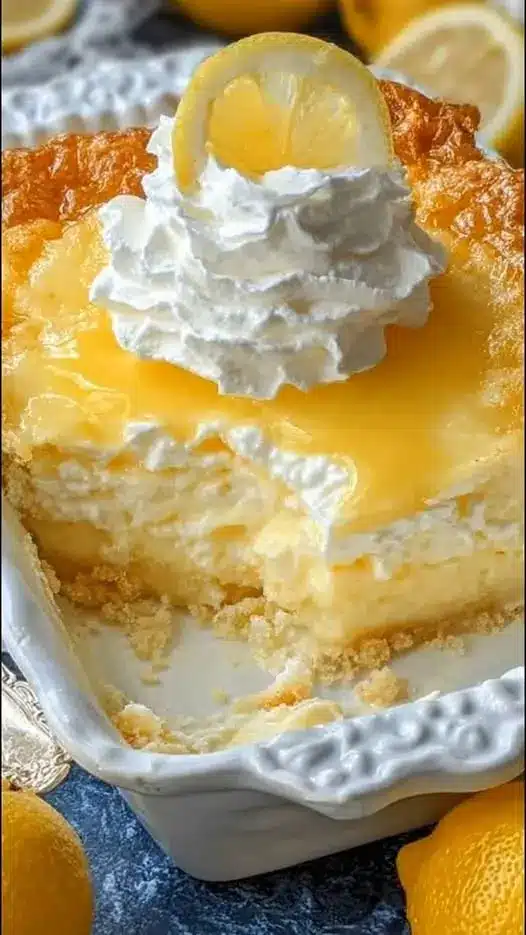
Presentation is key when serving a baked lemon cheesecake. Since the flavor is so bright, you want to choose garnishes that enhance that citrus profile without overwhelming the delicate creaminess of the filling.
Garnishes
A simple dollop of homemade whipped cream and a few thin slices of candied lemon can make the dessert look like it came from a high-end patisserie. For a pop of color, fresh raspberries or blueberries provide a beautiful visual contrast against the pale yellow of the cake. If you want more intensity, a thin layer of tart lemon curd spread over the top adds an extra dimension of flavor.
Presentation Tips
For the cleanest slices, use a sharp thin-bladed knife dipped in hot water. Wipe the knife clean after every single cut. This prevents the “smear” of cheesecake from building up on the blade, ensuring that every slice has a sharp, professional edge. Serve the cake chilled, as the flavors are most balanced when the fat in the cream cheese is set.
Storage and Make-Ahead
Storing Leftovers
Your easy homemade lemon cheesecake recipe will stay fresh in the refrigerator for up to five days. To prevent the cake from absorbing other “fridge smells,” keep it in an airtight container or tightly wrapped in plastic wrap. If you have topped the cake with whipped cream, it is best consumed within 24 hours as the cream may begin to weep.
Making It Ahead
This is a perfect make-ahead dessert. In fact, a cheesecake tastes better after it has sat in the fridge for at least 12 to 24 hours. This allows the lemon flavors to fully permeate the filling and the texture to reach its peak silkiness. You can bake the cake up to two days in advance and keep it in the springform pan until you are ready to serve.
Freezing
Cheesecakes freeze exceptionally well. Wrap the fully cooled and chilled cake (without toppings) in plastic wrap, then a layer of aluminum foil. It can be frozen for up to three months. To thaw, place it in the refrigerator overnight. Avoid thawing at room temperature, as this can cause condensation and make the graham cracker crust soggy.
Final Thoughts
Mastering a easy homemade lemon cheesecake recipe is a rewarding milestone for any home baker. The combination of the zesty citrus and the rich, creamy lemon cheesecake filling creates a dessert that feels both indulgent and light. By following the technical tips like using room-temperature ingredients and cooling the cake slowly, you can achieve a result that rivals any restaurant. This is a dish that celebrates simplicity and quality, proving that you don’t need complicated techniques to create a show-stopping centerpiece for your next gathering.
Frequently Asked Questions
Can I make this cheesecake without a water bath?
While you can bake it without one, a water bath is highly recommended for a baked lemon cheesecake. The steam from the water creates a moist environment that prevents the surface from drying out and cracking, and the water insulates the pan to ensure even cooking. If you skip it, use a lower oven temperature and expect a slightly more “browned” edge.
Why do I need to use room temperature eggs?
Cold eggs can cause the softened cream cheese to seize up and become lumpy again. When all ingredients are at the same temperature, they form a stable emulsion, resulting in the smoothest possible easy homemade lemon cheesecake recipe. If you are in a rush, place the eggs in a bowl of warm water for 5 minutes.
How do I know for sure when the cheesecake is done?
The best way to tell is the “jiggle test.” Gently shake the pan; the edges should be set and slightly puffed, but the center (about 2-3 inches) should still move slightly like firm pudding. If the whole thing sloshes, it needs more time. If the center is stiff, it is likely overbaked. Remember that the cake continues to cook as it cools.
Can I use bottled lemon juice instead of fresh?
In a pinch, you can, but the flavor will not be as vibrant. Bottled juice often has a metallic or overly acidic aftertaste compared to the bright, floral notes of fresh lemons. Additionally, you would miss out on the lemon zest, which provides the majority of the aromatic “lemoniness” in this creamy lemon cheesecake.
My crust is crumbly and falling apart. What happened?
A crumbly graham cracker crust usually means there wasn’t enough melted butter to bind the crumbs, or the crumbs weren’t pressed firmly enough into the pan. Make sure to use a flat-bottomed tool to pack the mixture tightly, especially around the edges where the crust meets the side of the springform pan.
Creamy Lemon Cheesecake

A bright and tangy lemon cheesecake with a buttery graham cracker crust and a smooth, velvety filling, topped with fresh zest.
- 1.5 cups graham cracker crumbs
- 1/4 cup granulated sugar
- 6 tablespoons unsalted butter, melted
- 24 oz cream cheese, softened
- 1 cup granulated sugar
- 1 cup sour cream
- 1 teaspoon vanilla extract
- 3 tablespoons fresh lemon juice
- 1 tablespoon lemon zest
- 3 large eggs
- 1Preheat your oven to 325°F (163°C) and grease a 9-inch springform pan.
- 2In a medium bowl, combine graham cracker crumbs, 1/4 cup sugar, and melted butter. Press the mixture firmly into the bottom of the prepared pan.
- 3In a large mixing bowl, beat the softened cream cheese and 1 cup sugar until completely smooth and creamy.
- 4Mix in the sour cream, vanilla extract, lemon juice, and lemon zest until well combined.
- 5Add eggs one at a time, beating on low speed just until each is incorporated; do not overmix.
- 6Pour the batter over the crust and bake for 55-60 minutes, or until the edges are set and the center is slightly jiggly.
- 7Turn off the oven and let the cheesecake sit inside with the door cracked for 1 hour to prevent cracking.
- 8Chill in the refrigerator for at least 4 hours or overnight before serving.
Keywords: lemon cheesecake, citrus dessert, baked cheesecake, creamy lemon cake, summer dessert


