
What Chin Hair in Women Really Says About Horm\: ones

Discovering a stray, coarse hair on your chin for the first time can be a jarring experience, often leading to a frantic search for tweezers and a flurry of questions about why it’s happening. While many women assume it is simply a sign of aging or a fluke of genetics, a persistent pattern of growth is frequently tied to hormonal causes of chin hair that originate deep within the body’s endocrine system. Understanding the “why” behind these changes is the first step toward managing them effectively and feeling more in control of your skin health.
Hormones act as the body’s chemical messengers, and even a slight shift in their delicate balance can manifest in visible ways, including changes to hair texture and location. This article explores the biological triggers for unwanted facial hair, how your lifestyle might be playing a role, and what steps you can take to address the root of the issue rather than just treating the surface symptoms.
Understanding Hirsutism and Your Hormones
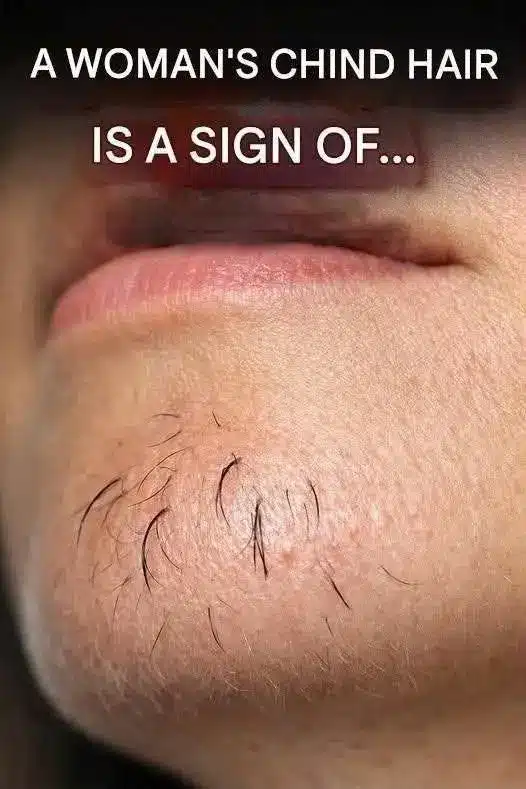
When women experience excess growth of dark, coarse hair in areas where hair is typically minimal or absent—such as the chin, chest, or back—it is clinically referred to as hirsutism. This is distinct from the fine, light “peach fuzz” known as vellus hair that most people have on their faces. The transition from soft fuzz to terminal hair is almost always driven by a change in androgen levels, which are often called “male” hormones but are present in everyone.
Every hair follicle on your body is sensitive to hormonal signals. When androgens like testosterone become more dominant or when the body becomes more sensitive to them, the follicles on the chin can be “flipped” into a permanent state of producing thicker, darker hair. While this is a common occurrence, identifying the specific hormonal causes of chin hair is essential because it can provide a window into your overall metabolic and reproductive health.
Common Hormonal Drivers of Facial Hair
Several distinct conditions and life stages can trigger the shift in hormone production that leads to unwanted chin hair. By recognizing these triggers, you can better prepare for a productive conversation with a healthcare provider.
Polycystic Ovary Syndrome (PCOS)
The most frequent culprit behind persistent facial hair in premenopausal women is Polycystic Ovary Syndrome (PCOS). This condition affects how the ovaries function and is characterized by an overproduction of androgens. In addition to chin hair, those with this condition may experience irregular periods, acne, and weight fluctuations. Because Polycystic Ovary Syndrome (PCOS) is a systemic metabolic issue, the facial hair is usually just one piece of a larger hormonal puzzle that involves insulin resistance.
The Menopause Transition
As women enter perimenopause and eventually menopause, the production of estrogen and progesterone begins to decline sharply. While testosterone levels also drop, they do so much more slowly than estrogen. This creates a relative hormone imbalance where testosterone becomes the “loudest” hormone in the body. Without the balancing effect of estrogen, hair follicles that were previously dormant or producing fine hair can suddenly start producing the thicker terminal hairs associated with hirsutism.
Adrenal Gland Fluctuations
The adrenal glands, located atop the kidneys, are responsible for producing several hormones, including DHEA and cortisol. If the adrenals are overactive due to stress or specific medical conditions, they can pump out excess androgens. High cortisol levels from chronic stress can also disrupt the entire endocrine feedback loop, indirectly leading to an environment where unwanted hair growth thrives. Rare conditions like Congenital Adrenal Hyperplasia or adrenal tumors can also be rare but significant hormonal causes of chin hair.
The Role of Insulin and Lifestyle
It isn’t just reproductive hormones that dictate hair growth; metabolic hormones like insulin play a massive role. Hyperinsulinemia, or high levels of insulin in the blood, can stimulate the ovaries to produce more testosterone. This is why diet and blood sugar management are often discussed alongside hirsutism treatments. When blood sugar spikes and crashes are frequent, it keeps insulin levels high, which acts as “fuel” for androgen production.
Furthermore, chronic stress shouldn’t be overlooked. When the body is in a constant state of “fight or flight,” elevated cortisol levels can interfere with the production of sex hormone-binding globulin (SHBG). SHBG is a protein that acts like a sponge, soaking up excess testosterone in the blood. When SHBG is low, more “free” testosterone is available to interact with hair follicles on the chin and jawline.
Practical Guidance for Managing Chin Hair
Addressing hormonal causes of chin hair usually requires a two-pronged approach: managing the internal environment and treating the external hair. While topical solutions provide immediate relief, long-term success comes from supporting hormonal equilibrium.
- Consult a Specialist: An endocrinologist or gynecologist can run blood panels to check your androgen levels and thyroid function to pinpoint the exact cause.
- Support Blood Sugar: Focus on whole foods, fiber, and protein to prevent insulin spikes that can trigger testosterone production.
- Prioritize Stress Recovery: Since cortisol levels impact the androgen balance, incorporating restorative practices like deep breathing, consistent sleep, and moderate exercise can be surprisingly effective.
- Evaluate Professional Removal: While plucking and shaving are temporary, treatments like electrolysis or laser hair removal can be more permanent, though they work best when the underlying hormone imbalance is also being addressed.
Important Cautions and Considerations
While discovering chin hair is often a normal part of the aging process or a manageable symptom of PCOS, a sudden and rapid onset of hair growth should be taken seriously. If you notice a “virilization” pattern—which includes a deepening voice, rapid hair loss on the head, or a significant increase in muscle mass alongside facial hair—it is important to seek medical advice immediately. These symptoms can occasionally indicate more serious underlying medical conditions that require specialized intervention.
Additionally, do not attempt to use over-the-counter hormone creams or supplements designed to “balance hormones” without a confirmed diagnosis from a professional. What works for one type of hormone imbalance may exacerbate another. Always consult with a qualified healthcare provider before making significant changes to your medication or supplement routine, especially if you are pregnant, breastfeeding, or managing a chronic health condition.
Final Thoughts
Dealing with hormonal causes of chin hair can be frustrating, but it is a very common experience that many people navigate. Rather than viewing the hair as a cosmetic failure, try to see it as a helpful signal from your body that your internal chemistry might need a little extra support. Whether the cause is a life stage like menopause or a metabolic condition like Polycystic Ovary Syndrome (PCOS), there are numerous paths toward feeling like yourself again. By combining medical insight with supportive lifestyle habits, you can manage hirsutism and support your overall well-being with confidence.
Frequently Asked Questions
Is it normal to have a few hairs on my chin?
Yes, it is extremely common for women to have a few isolated hairs on their chin, especially as they age. This is often due to minor fluctuations in androgen levels or simple genetics. However, if the hair growth is thick, widespread, or accompanied by other symptoms like acne or irregular periods, it may indicate one of the more significant hormonal causes of chin hair.
Can stress really cause facial hair to grow?
Stress is a powerful disruptor of the endocrine system. When you are chronically stressed, your adrenal glands produce higher cortisol levels, which can lead to a cascade of hormonal shifts. This can lower the proteins that usually keep testosterone in check, potentially leading to increased hirsutism or unwanted hair growth over time.
Does plucking chin hair make it grow back thicker?
This is a common myth. Plucking does not change the structure of the hair follicle or the hormonal signals sent to it. However, if the underlying hormone imbalance is progressing, the hair may naturally appear thicker when it regrows. If you find yourself plucking more frequently, it is a sign to look into the internal hormonal causes of chin hair rather than blaming the tweezers.
Will losing weight help reduce chin hair?
For individuals with Polycystic Ovary Syndrome (PCOS) or insulin resistance, modest weight loss and dietary changes can help lower insulin levels. When insulin is stabilized, the ovaries often produce fewer androgens, which may slow the rate of new hair growth. While it may not remove existing terminal hairs, it can prevent the “flip” of new follicles into a hirsutism pattern.
What is the difference between normal hair and hormonal hair?
Normal “vellus” hair is very fine, light-colored, and short. Hormonal hair, or “terminal” hair, is typically much darker, coarser, and deeper-rooted. When you see a sudden shift from fine fuzz to thick, dark strands on the chin or jawline, it is usually a sign that your androgen levels have influenced the follicle’s growth cycle.
Hormone-Balancing Roasted Sweet Potato & Chickpea Dinner

This hormone-balancing sheet pan dinner is packed with fiber and anti-inflammatory spices like turmeric to help manage insulin levels and support hormonal health, addressing underlying causes of symptoms like chin hair.
- 2 large sweet potatoes, cubed
- 1 can (15 oz) chickpeas, rinsed and dried
- 2 tbsp extra virgin olive oil
- 1 tsp ground turmeric
- 1 tsp smoked paprika
- 1/2 tsp sea salt
- 4 cups baby spinach
- 2 tbsp tahini for drizzling
- 1Preheat your oven to 400°F (200°C).
- 2On a large baking sheet, toss cubed sweet potatoes and chickpeas with olive oil, turmeric, paprika, and salt.
- 3Spread in a single layer and bake for 25-30 minutes until potatoes are tender and chickpeas are crispy.
- 4Remove from oven and immediately toss with baby spinach until slightly wilted.
- 5Drizzle with tahini before serving.
Keywords: hormone balance, PCOS recipes, healthy dinner, vegetarian baking, skin health


