
Mix Vaseline with Lemon and you will be shocked! If only I had known about this earlier

Exploring the potential vaseline and lemon skin benefits has become a popular topic for those seeking affordable, DIY solutions to common dermatological concerns. For decades, petroleum jelly has been a staple in American medicine cabinets for its incredible ability to lock in moisture, while lemon juice is often praised for its natural astringent and brightening properties. When combined, these two simple ingredients are frequently used in home beauty routines to address everything from dry elbows to uneven skin tone, promising a smoother and more radiant complexion without a trip to the luxury beauty counter.
While the combination of these two household items may seem like a miracle cure for dull skin, it is important to understand the science behind how they interact with your skin barrier. This guide will dive deep into the practical uses, the realistic expectations you should have, and the necessary safety precautions to ensure your journey into natural skincare remedies is both effective and safe. By understanding the unique properties of both an occlusive moisturizer and a natural acid, you can make informed decisions about your personal care routine.
Why You Might Consider This Skincare Duo
- Intense Hydration: Petroleum jelly acts as a powerful occlusive, preventing water loss and keeping the skin soft for extended periods.
- Brightening Potential: The citric acid in lemon juice may help brighten dark spots and improve the overall radiance of the skin over time.
- Exfoliation Support: Natural acids can help break down dead skin cells, making it easier for the moisturizing base to smooth out rough patches.
- Cost-Effective Care: This combination offers a budget-friendly alternative to expensive brightening creams and intensive overnight masks.
Understanding the Role of Petroleum Jelly and Lemon
To appreciate the vaseline and lemon skin benefits, we first need to look at what each ingredient brings to the table. Petroleum jelly is a mixture of mineral oils and waxes. Its primary function is to create a physical barrier on the skin. Unlike lotions that sink in, this thick jelly sits on top, trapping existing moisture underneath it. This makes it an gold standard for healing cracked skin or protecting sensitive areas from harsh environmental factors like wind or cold air.
Lemon juice, on the other hand, is a natural source of Vitamin C and citric acid. In the world of petroleum jelly for skin care, lemon acts as the “active” ingredient. Citric acid is an alpha-hydroxy acid (AHA), which is known for its ability to chemically exfoliate the skin’s surface. Vitamin C is a well-documented antioxidant that can help neutralize free radicals and inhibit melanin production, which is why many people turn to it for a more even skin tone. However, because lemon juice is highly acidic, using it alone can be irritating, which is where the soothing nature of the jelly comes into play.
Potential Benefits of the Combination
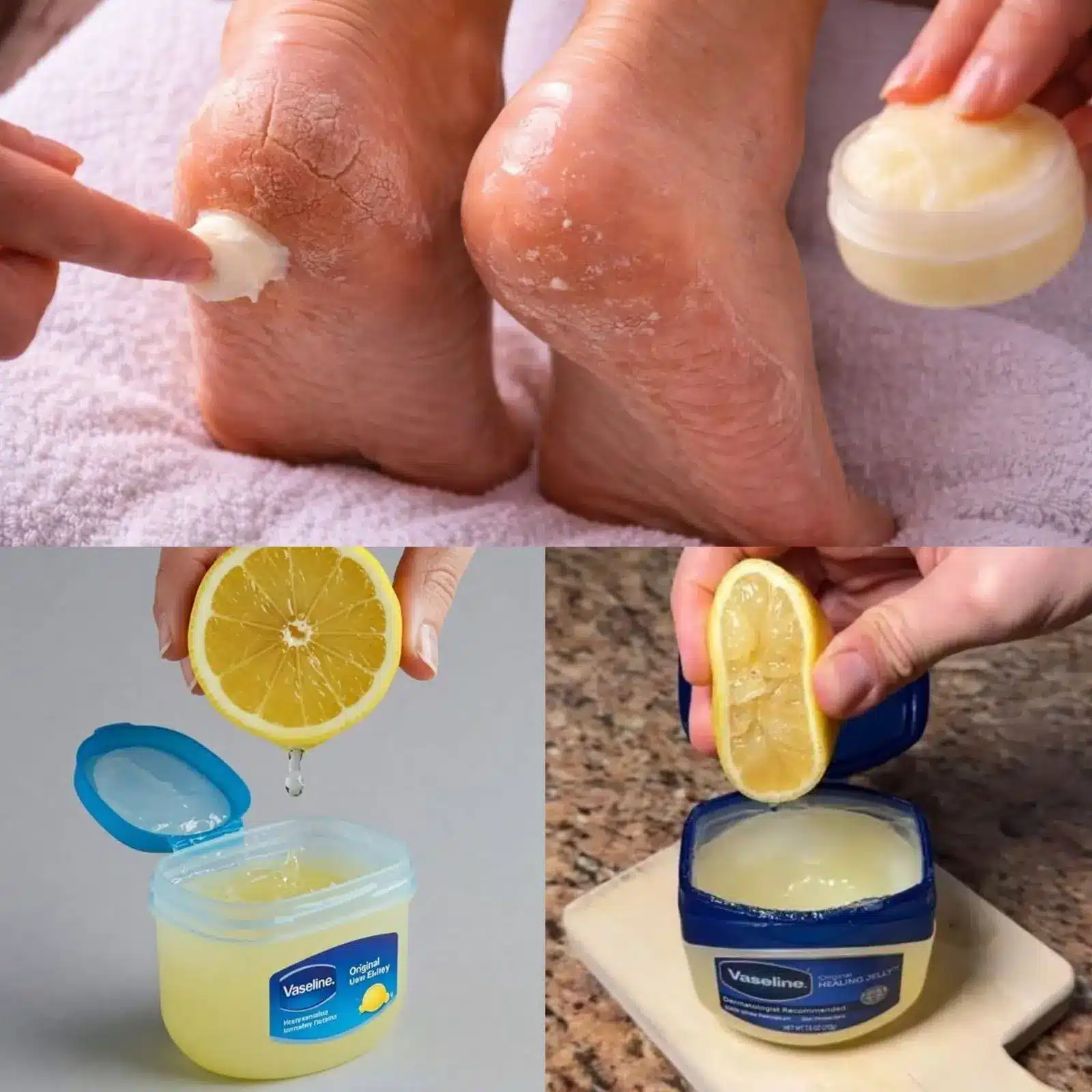
When used correctly, the vaseline and lemon skin benefits can be quite noticeable, particularly on the body’s thicker skin areas. Many users find that mixing a small amount of lemon juice into petroleum jelly creates a concentrated treatment for dark knees, elbows, and heels. The lemon works to gently lift away the darkened, dead skin cells, while the jelly ensures the new skin underneath remains hydrated and protected from further friction.
Another common use for this mixture is as a localized treatment for hyperpigmentation. Because the jelly prevents the lemon juice from evaporating too quickly, it allows the citric acid more time to work on the skin. This can lead to a gradual fading of sun spots or age spots. Furthermore, the softening effect of the jelly can make calloused skin much easier to manage, leading to a “pedicure-like” finish on the feet when applied consistently before bed.
How to Safely Use Vaseline and Lemon at Home
If you are interested in trying this DIY skincare method, it is crucial to approach it with a “less is more” mentality. Because lemon juice can be quite potent, you should never apply it undiluted directly to the skin, especially on the face. A common approach is to take a tablespoon of petroleum jelly and mix in just a few drops of fresh lemon juice. This dilutes the acidity and creates a spreadable balm that is much easier to control.
Always perform a patch test before applying the mixture to a larger area. Apply a small dab to the inside of your forearm and wait 24 hours to see if any redness, itching, or burning occurs. If your skin reacts positively, you can use the mixture as a nighttime treatment. Applying it at night is essential because lemon juice increases photosensitivity, meaning it can cause your skin to burn much more easily if exposed to the sun.
Recommended Application Areas
- Cracked Heels: Apply a thick layer at night and wear cotton socks to lock in the moisture.
- Dark Elbows and Knees: Massage a small amount into the joints to soften the skin and encourage brightening.
- Dry Cuticles: A tiny dab can help soften the skin around the nails while the lemon provides a clean, bright look to the nail bed.
Important Cautions and Skin Safety
While discussing vaseline and lemon skin benefits, we must address the risks. The most significant concern is the pH balance of your skin. Human skin is naturally slightly acidic (around 4.5 to 5.5), but lemon juice is significantly more acidic (around 2.0). Overusing lemon can disrupt the skin’s acid mantle, leading to irritation, dryness, or even chemical burns in sensitive individuals. If you have sensitive skin or conditions like eczema or rosacea, this combination may be too harsh.
Another major risk is phytophotodermatitis. This is a chemical reaction that occurs when certain plant compounds (like those in lemons) react with UV rays. If you apply lemon to your skin and then go out into the sun, you could develop severe blistering or long-lasting dark patches. Always wash the treated area thoroughly in the morning and apply a broad-spectrum sunscreen. Furthermore, petroleum jelly is occlusive, meaning it can trap sweat and bacteria. Avoid applying this mixture to active acne or broken skin, as it could lead to clogged pores or infections.
Final Thoughts
Harnessing the vaseline and lemon skin benefits can be a wonderful way to supplement your beauty routine with simple, effective ingredients found right in your kitchen. This duo excels at softening rough skin and providing a gentle brightening effect when used with patience and care. However, it is not a one-size-fits-all solution. Always prioritize the health of your skin barrier and listen to how your body reacts. If you experience persistent irritation or have complex skin concerns, consulting with a qualified healthcare professional or dermatologist is always the best course of action to ensure your skin stays healthy and vibrant.
Frequently Asked Questions
Can I leave vaseline and lemon on my face overnight?
It is generally not recommended to leave lemon juice on the delicate skin of the face overnight, even when mixed with petroleum jelly. The facial skin is much thinner than the skin on your body and is more prone to acid irritation. If you choose to use it on your face, it is better as a short-term mask (10-15 minutes) followed by a thorough rinse. Always consult a professional before starting intensive facial DIY skincare routines.
Will this mixture permanently lighten my skin?
No, this mixture will not permanently change your natural skin tone. The vaseline and lemon skin benefits are primarily related to surface-level brightening and the fading of temporary hyperpigmentation, such as sun spots. It works by exfoliating dead skin and inhibiting melanin production temporarily. Once you stop the treatment and are exposed to the sun, the skin will eventually return to its natural state.
How long does it take to see results from using lemon and Vaseline?
Skincare results require consistency. You might notice your skin feeling softer after just one application due to the petroleum jelly, but the brightening effects of the lemon juice usually take longer. Most people begin to see a more even skin tone after 4 to 6 weeks of consistent nighttime use. It is important to be patient and avoid increasing the amount of lemon juice, as this will only increase the risk of irritation rather than speeding up the results.
Is it safe for people with oily skin?
If you have very oily or acne-prone skin, you should be cautious. While petroleum jelly is non-comedogenic (meaning it doesn’t clog pores on its own), its occlusive nature can trap sebum and bacteria already present on the skin. This can lead to breakouts in some individuals. If you have oily skin, consider using the mixture only on dry body areas rather than the face or back.
Can I use bottled lemon juice instead of fresh?
Fresh lemon juice is highly preferred for natural skincare remedies. Bottled lemon juice often contains preservatives, oils, and additives that can be irritating to the skin. Additionally, the concentration of Vitamin C is highest in a freshly squeezed lemon. If you want to experience the full vaseline and lemon skin benefits, stick to fresh fruit and use it immediately after squeezing for the best potency.
DIY Vaseline and Lemon Brightening Treatment

Discover the surprising benefits of mixing Vaseline with fresh lemon juice. This simple DIY treatment helps to soften rough skin and brighten dark spots on elbows, knees, and heels.
- 1 tablespoon Vaseline (petroleum jelly)
- 1/2 teaspoon fresh lemon juice
- 1In a small clean bowl, place the Vaseline.
- 2Add the fresh lemon juice to the bowl.
- 3Mix thoroughly until the lemon juice is fully incorporated into the petroleum jelly.
- 4Apply the mixture to clean, dry skin, focusing on rough or dark areas.
- 5Leave on for 15-20 minutes or overnight for deep hydration.
- 6Rinse with warm water.
Keywords: skincare, home remedy, vaseline, lemon juice, brightening


