
Mongolian Beef

Finding a dinner that satisfies the craving for high-end takeout while remaining approachable for a busy evening can feel like a challenge, but this easy homemade mongolian beef recipe delivers on every front. This dish is defined by its signature contrast: thinly sliced strips of steak that boast crispy, caramelized edges while remaining incredibly tender on the inside. All of this is enveloped in a glossy, savory soy glaze that strikes the perfect balance between the saltiness of the soy and the deep, mellow sweetness of brown sugar. It is a sensory experience that brings the bold flavors of a professional kitchen into your own home, filling the air with the unmistakable aroma of toasted garlic and fresh ginger.
What makes this particular version stand out is the simplicity of the technique. By utilizing a few pantry staples and focusing on the heat of the pan, you can achieve a crispy beef stir fry texture that rivals your favorite restaurant without the need for deep frying. This recipe is designed to be efficient, taking you from the cutting board to the dinner table in under thirty minutes. Whether you are looking for new weeknight dinner ideas or hosting a casual dinner with friends, this Mongolian beef offers a sophisticated profile that belies its straightforward preparation.
Why This Recipe Is a Keeper
- Incredible Texture: By coating the meat in a light layer of cornstarch before searing, you create a delicate crust that holds onto the sauce, ensuring every bite has a satisfying “crunch” followed by tender beef.
- Balanced Flavor Profile: The combination of pungent aromatics like ginger and garlic with a rich brown sugar and soy base creates a complex sauce that is neither too salty nor too sweet.
- Speed and Efficiency: Unlike braised flank steak recipes that require hours of simmering, this stir-fry method relies on high heat for a fast, fresh result that preserves the integrity of the ingredients.
- Healthier Than Takeout: Preparing this at home allows you to control the quality of the oil and the amount of sodium, giving you all the flavor of traditional Mongolian beef with a much cleaner finish.
Ingredients You’ll Need
The success of this easy homemade mongolian beef recipe relies on the quality of your protein and the balance of your aromatics. Each ingredient plays a specific role in building the layers of flavor that make this dish so addictive.
- Flank Steak: This is the classic choice for Mongolian beef. It has a long grain that, when sliced correctly, becomes incredibly tender. It absorbs the marinade beautifully and sears quickly.
- Cornstarch: This is the secret to “velveting” the meat. It protects the beef from the high heat of the pan and creates a starch barrier that thickens the sauce into a savory soy glaze.
- Fresh Ginger and Garlic: Do not reach for the powdered versions here. Freshly minced ginger and garlic provide a bright, spicy, and aromatic foundation that defines the “Mongolian” style.
- Soy Sauce: This provides the salt and the umami backbone. If you are sensitive to salt, you can use a low-sodium variety to keep the flavors in check.
- Brown Sugar: The molasses in the brown sugar helps the sauce caramelize against the hot beef, creating that signature sticky, dark coating.
- Green Onions: Added at the very end, these provide a fresh, sharp bite and a pop of color that cuts through the richness of the sauce.
- Vegetable Oil: You need an oil with a high smoke point, like vegetable or canola oil, to achieve the necessary sear without the oil burning or smoking excessively.
Variations and Smart Swaps
- Protein Alternatives: While flank steak is traditional, you can easily adapt this into a crispy beef stir fry using skirt steak or even thinly sliced chicken breast or thighs. The cooking time for chicken will be slightly longer to ensure it is cooked through.
- Vegetable Boost: To make this a one-pan meal, add steamed broccoli florets, sliced bell peppers, or snap peas during the final tossing stage. They soak up the sauce beautifully and add a nice nutritional boost.
- Spice Adjustment: This recipe is naturally mild. If you prefer a kick, add a teaspoon of red chili flakes or a dollop of chili garlic sauce to the liquid mixture before simmering.
- Gluten-Free Option: Simply swap the soy sauce for tamari or liquid aminos to make this dish gluten-free without sacrificing the deep savory flavor.
How to Make Easy Homemade Mongolian Beef
Step 1: Slice and Prep the Beef
The most important part of this step is the direction of your cut. Locate the long muscle fibers (the grain) of the flank steak and slice across them, rather than parallel to them. Slicing against the grain breaks up the tough fibers, ensuring the meat is easy to chew. Aim for thin strips, about a quarter-inch thick. Once sliced, toss the beef in a bowl with the cornstarch until every piece is thoroughly and evenly coated. This dry coating is what will eventually turn into a crispy exterior when it hits the hot oil.
Step 2: Searing for Maximum Flavor
Heat your oil in a large skillet or wok over medium-high heat until it is shimmering. It is vital to work in batches; if you crowd the pan, the temperature will drop, and the beef will steam in its own juices instead of searing. Lay the strips in a single layer and let them cook undisturbed for about two minutes per side. You are looking for a deep brown, almost charred appearance on the edges. Once seared, remove the beef and set it aside on a plate, leaving the remaining oil in the pan.
Step 3: Sauté the Aromatics
Turn the heat down slightly to medium and add your minced garlic and ginger to the pan. This step happens very quickly—usually in about 30 to 60 seconds. You want to cook them just until they become incredibly fragrant. Be careful not to let the garlic turn dark brown or black, as it will become bitter and ruin the delicate balance of the savory soy glaze. The residual heat in the pan is often enough to mellow the raw bite of the ginger and garlic.
Step 4: Simmer the Signature Sauce
Pour in the soy sauce, water, and brown sugar. Use a wooden spoon to scrape up any browned bits (fond) left on the bottom of the pan from the beef—this is concentrated flavor! Bring the liquid to a boil, then lower the heat and let it simmer for a few minutes. The sauce will begin to reduce and thicken slightly. Because you used cornstarch on the beef, the sauce will continue to thicken significantly once the meat is reintroduced.
Step 5: The Final Toss
Add the seared beef back into the skillet along with the sliced green onions. Toss everything together for one or two minutes. As the cornstarch on the beef meets the simmering liquid, the sauce will transform into a thick, glossy glaze that clings to every strip of steak. Once the beef is heated through and the sauce has reached your desired consistency, remove the pan from the heat immediately to prevent the meat from overcooking and becoming tough.
Pro Tips for Success
- Tip: Freeze the Meat Slightly. If you find it difficult to get thin, even slices of steak, put the beef in the freezer for about 20–30 minutes before cutting. The firmness makes it much easier to control the knife.
- Tip: Use a High-Smoke Point Oil. Avoid using butter or extra virgin olive oil for the sear. Vegetable, canola, or grapeseed oil can handle the high heat required for a crispy beef stir fry.
- Tip: Don’t Skimp on the Ginger. Fresh ginger provides a “zing” that balances the sugar. If you love that flavor, feel free to grate an extra teaspoon into the sauce.
- Tip: Watch the Sugar. Because the sauce has a high sugar content, it can go from caramelized to burnt quickly. Keep the sauce at a gentle simmer rather than a rolling boil once the sugar is dissolved.
- Tip: Dry the Meat. Before coating with cornstarch, pat the beef dry with paper towels. Excess moisture will create a paste rather than a crisp coating.
Troubleshooting Common Problems
Why is my beef tough or chewy?
This usually happens for two reasons: either the meat was sliced with the grain instead of against it, or it was overcooked. Flank steak is a lean muscle that becomes very tough if cooked past a certain point. Ensure your pan is very hot so the sear happens quickly, leaving the center tender.
Why did the sauce get too thick?
The cornstarch on the beef is a powerful thickener. If the sauce becomes too sludge-like, simply stir in a tablespoon or two of water or beef broth to thin it back out to a glossy, pourable consistency.
Why isn’t the beef getting crispy?
The most common culprit is crowding the pan. If the beef strips are touching or overlapping, they will release moisture and boil. Cook in smaller batches to ensure the high heat can crisp the starch coating effectively.
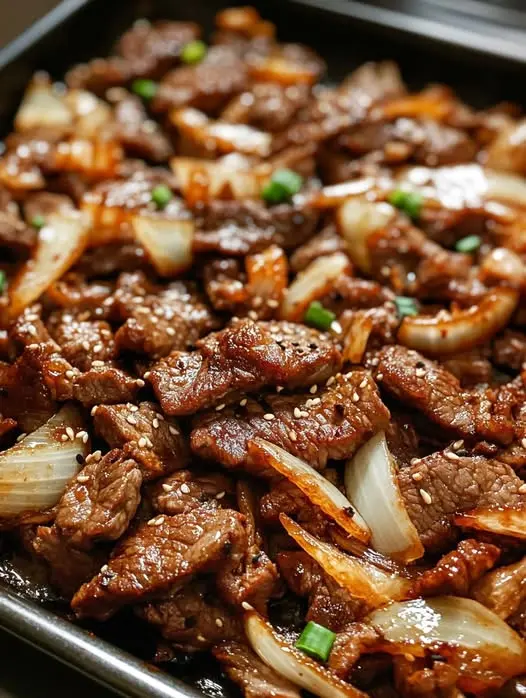
How to Serve This Recipe
Presentation is key when serving a crispy beef stir fry. The dark, rich color of the meat looks beautiful against a bright white background, making it a star among your weeknight dinner ideas.
Classic Pairings
The traditional way to serve Mongolian beef is over a bed of fluffy white jasmine rice. The rice acts as a sponge, soaking up the extra savory soy glaze. For a lower-carb alternative, cauliflower rice or even a bed of sautéed cabbage works wonderfully. If you want a more substantial meal, serving it alongside some simple lo mein noodles is always a hit with families.
Garnishes and Sides
Always save a handful of the green parts of the scallions to sprinkle over the top just before serving for a fresh crunch. Toasted sesame seeds also add a lovely visual element and a hit of nuttiness. For a side dish, steamed broccoli or bok choy provides a crisp, clean contrast to the salty-sweet beef. A side of quick-pickled cucumbers can also provide a bright acidity that cleanses the palate between bites.
Storage and Make-Ahead
Storing Leftovers
This easy homemade mongolian beef recipe stores quite well in the refrigerator. Place any leftovers in an airtight container for up to 3 to 4 days. Note that the beef will lose its initial crispness as it sits in the sauce, but the flavors will actually deepen and meld even further over time.
Reheating
To preserve the texture, it is best to reheat this in a skillet over medium heat with a splash of water to loosen the sauce. Microwaving is faster but can lead to the beef becoming slightly rubbery if heated for too long. If using a microwave, cover the dish and heat in short 30-second bursts.
Making It Ahead
You can prep the beef by slicing it and coating it in cornstarch a few hours in advance; just keep it covered in the fridge. You can also whisk the sauce ingredients together in a jar so they are ready to pour. However, for the best results, the actual stir-frying should be done right before serving to maintain that signature texture.
Final Thoughts
Mastering this easy homemade mongolian beef recipe is a game-changer for anyone who loves bold, Asian-inspired flavors. It proves that you don’t need a complicated list of ingredients or hours in the kitchen to produce a meal that feels truly special. By focusing on the technique of slicing against the grain and achieving a high-heat sear, you can transform humble flank steak recipes into a gourmet experience. This dish is comforting, impressive, and fast, making it the perfect addition to your culinary rotation. Once you taste the homemade version of that sticky, savory soy glaze, you might find yourself skipping the takeout menu for good.
Frequently Asked Questions
Can I use a different cut of meat?
Yes, while flank steak is the standard, you can use sirloin steak or even ribeye if you want a richer, fattier cut. The key is to slice the meat very thin. Avoid tough cuts like chuck roast or brisket, as they require long braising times and will not work in a quick stir-fry method like this one.
Is Mongolian beef supposed to be spicy?
Traditionally, Mongolian beef is more sweet and savory than spicy. The primary flavor profile comes from the soy, ginger, and brown sugar. However, it is very easy to add heat by incorporating dried red chilis or sriracha if your family prefers a spicier kick to their weeknight dinner ideas.
How do I make the sauce even glossier?
The glossiness comes from the sugar caramelizing and the cornstarch hydrating. To ensure a professional-looking sheen, make sure your sauce comes to a full simmer. If it looks dull, it may need another minute of cooking, or you may need to add a tiny splash of water to help the starches fully bloom and turn translucent.
Can I freeze Mongolian beef?
You can freeze the cooked beef and sauce in an airtight container for up to two months. When ready to eat, thaw it in the refrigerator overnight. Be aware that the texture of the beef will be softer after freezing and reheating, as the “crispy” edges will have absorbed the moisture from the sauce during the freezing process.
What is the difference between Mongolian beef and Szechuan beef?
The main difference lies in the flavor profile. Mongolian beef is focused on a sweet and savory soy-based sauce with heavy ginger and garlic. Szechuan beef, on the other hand, is much spicier and often includes Szechuan peppercorns, which provide a unique numbing sensation, along with more vegetables like peppers and carrots.
Easy Mongolian Beef

Tender strips of beef seared to crispiness and tossed in a sweet and savory glaze with fresh ginger, garlic, and green onions. Ready in just 30 minutes!
- 1 lb flank steak, sliced thin against the grain
- 1/4 cup cornstarch
- 2 tablespoons vegetable oil
- 1 tablespoon garlic, minced
- 2 teaspoons fresh ginger, minced
- 1/2 cup low-sodium soy sauce
- 1/2 cup water
- 1/2 cup brown sugar
- 3 green onions, cut into 1-inch pieces
- 1Coat the sliced beef in cornstarch and let sit for 10 minutes.
- 2In a small pan, whisk together soy sauce, water, and brown sugar. Heat until sugar dissolves.
- 3Heat oil in a wok or large skillet over high heat. Add garlic and ginger, sautéing for 30 seconds.
- 4Add beef in batches, frying until the edges are crispy and browned.
- 5Pour in the sauce mixture and bring to a simmer until thickened.
- 6Toss in green onions and serve immediately over steamed rice.
Keywords: mongolian beef, beef stir fry, quick dinner, chinese take-out, easy beef recipe


