
Drink This for 30 Days and Feel the Difference: A Natural Beetroot Recipe for Energy, Joint Comfort, and Heart Health

Beetroot juice has surged in popularity, evolving from a niche health store find to a mainstream staple in refrigerators across the country. Known for its vibrant, deep crimson hue and earthy, slightly sweet flavor profile, this liquid powerhouse offers a concentrated dose of nutrients that are often lost in conventional cooking methods. Understanding the health benefits of beetroot juice is about more than just appreciating its striking color; it is about recognizing how this root vegetable can influence your daily vitality and long-term wellness through its unique chemical composition.
Whether you are an athlete looking for a natural edge or someone simply trying to incorporate more whole-food nutrition into your morning routine, this juice provides a convenient and potent solution. It is an approachable way to harness the unique compounds found in beets, offering a refreshing alternative to standard fruit juices that are often higher in sugar and lower in functional nutrients.
Why This Superfood Is Gaining Attention
The rise of beet juice in the wellness community is not just a trend; it is backed by a growing understanding of how specific plant compounds interact with human physiology. Unlike eating a whole roasted beet, juicing allows for a higher concentration of certain heat-sensitive vitamins and minerals to remain intact. This delivery method makes it easier for the body to absorb the nutrients quickly, providing a functional boost that many people feel shortly after consumption.
- Nutrient Density: Beets are packed with essential vitamins like folate (B9), manganese, potassium, and vitamin C, all in a highly bioavailable liquid form.
- Nitrate Concentration: They are one of the richest dietary sources of inorganic nitrates, which the body converts into nitric oxide to support various bodily functions.
- Convenience: For those who struggle with the texture of cooked beets, juicing offers a smooth, palatable way to reap the same nutritional rewards without the prep work of peeling and roasting.
- Hydration with a Purpose: It serves as a functional beverage that hydrates while providing more than just electrolytes, offering complex phytonutrients that support systemic health.
Key Health Benefits of Beetroot Juice
The primary reason most people reach for a bottle of beet juice is the impressive range of physiological advantages it offers. From the cardiovascular system to the muscles, the compounds found in this root vegetable work in harmony to support the body’s natural processes. Here are some of the most well-documented health benefits of beetroot juice that you should know about.
Support for Cardiovascular Wellness
One of the most celebrated aspects of beet juice is its role in blood pressure management. When you consume the juice, the naturally occurring nitrates are converted by the body into nitric oxide. This molecule acts as a vasodilator, meaning it helps relax and widen the blood vessels. This process may lead to improved blood flow and a natural, temporary reduction in blood pressure levels, which is a critical factor in long-term heart health. Regular consumption is often associated with a more flexible and responsive vascular system.
Enhanced Physical Performance
Athletes and fitness enthusiasts have long used beet juice as a secret weapon for athletic performance. The same nitric oxide that supports heart health also helps muscles use oxygen more efficiently. By improving mitochondrial efficiency—the power plants of your cells—beet juice can help increase stamina and reduce the amount of energy needed for low-intensity exercise. Many runners and cyclists find that drinking a glass a few hours before a workout helps them push a little harder and recover a bit faster.
Protection via Antioxidants
The deep red color of beets comes from betalains, which are powerful antioxidants in beets. These compounds help neutralize unstable molecules in the body known as free radicals, which can cause oxidative stress and damage cells over time. By incorporating these antioxidants into your diet, you are supporting your body’s natural defense mechanisms. These betalains are also being studied for their potential to support healthy inflammation levels throughout the body, making the juice a great choice for general recovery.
Liver and Digestive Support
While the liver is the body’s primary filtration system, certain nutrients can help it perform its job more effectively. The betaines found in beetroot juice may help prevent or reduce fatty deposits in the liver and protect it from toxins. Additionally, the juice can stimulate the production of stomach acid and bile, which may support smoother digestion for some individuals, though it is lower in fiber than the whole vegetable.
Practical Ways to Incorporate Beet Juice into Your Diet
If you are new to the world of beets, the earthy flavor can be a bit surprising at first. However, there are many ways to enjoy the health benefits of beetroot juice without it feeling like a chore. The key is to start small and experiment with combinations that balance the earthiness with brightness and sweetness.
For those who find the flavor too intense on its own, try blending it with other fruits and vegetables. A classic combination includes apple, ginger, and lemon, which cuts through the “dirt-like” notes of the beet and adds a refreshing zing. You can also add a splash of beet juice to your morning berry smoothie; the color will blend perfectly, and the sweetness of the berries will mask the more savory aspects of the beet. If you are using it for athletic performance, consider drinking about 8 to 10 ounces roughly two to three hours before your workout for maximum effect.
Important Considerations and Cautions
While the health benefits of beetroot juice are extensive, it is important to consume it mindfully. There are a few side effects and considerations that every consumer should be aware of to ensure they are using this superfood safely and effectively.
One of the most common “shocks” for new beet juice drinkers is a condition called beeturia. This is when your urine or stools turn a pinkish or reddish color after consumption. While it can be alarming if you aren’t expecting it, it is harmless and simply a result of the pigments in the beets passing through your system. However, for those prone to kidney stones, beets are high in oxalates, which can contribute to stone formation in sensitive individuals. It is always wise to moderate your intake if you have a history of calcium oxalate stones.
Furthermore, because of its potent effect on blood pressure management, people already taking medication for hypertension should consult with a healthcare professional. Combining beet juice with blood pressure medication could potentially cause levels to drop too low. Additionally, like all fruit and vegetable juices, beet juice contains natural sugars. While these are far better than added sugars found in sodas, individuals monitoring their blood sugar should be aware of the glycemic impact, especially when drinking it on an empty stomach.
Final Thoughts
The health benefits of beetroot juice make it one of the most functional and nutrient-dense beverages available. From its ability to support blood pressure management to the way it boosts athletic performance through increased nitric oxide, it is a versatile addition to a healthy lifestyle. While it is not a replacement for medical treatment, its rich supply of antioxidants in beets offers a natural way to support your body’s resilience. By starting with small servings and mixing it with other fresh ingredients, you can enjoy this vibrant elixir and all the vitality it brings to the table.
Frequently Asked Questions
When is the best time of day to drink beetroot juice?
While you can enjoy the health benefits of beetroot juice at any time, many people prefer drinking it in the morning to kickstart their energy or about two to three hours before a workout. Drinking it before exercise allows the nitrates time to convert into nitric oxide, which can help with stamina and oxygen use during your physical activity.
Can I drink beetroot juice every single day?
For most healthy adults, drinking a small glass of beet juice daily is perfectly safe and can be a great way to maintain consistent nutrient levels. However, because it is concentrated and high in oxalates, it is often best to rotate it with other vegetable juices or limit intake to one 8-ounce serving per day to avoid potential issues like kidney stone formation in susceptible people.
Is raw beetroot juice better than eating cooked beets?
Both have their advantages! Raw juice preserves heat-sensitive nutrients like vitamin C and maintains a higher concentration of nitrates, which are often reduced during boiling or roasting. However, eating whole cooked beets provides much-needed dietary fiber, which is largely removed during the juicing process. For the best results, incorporate both into your diet.
Will beet juice really turn my urine red?
Yes, it very well might! This condition is known as beeturia and affects roughly 10% to 14% of the population. It occurs when the betalain pigments aren’t fully broken down in the stomach and pass through to the kidneys. It is a harmless side effect, but if you are concerned, drinking more water or consuming the juice with a meal can sometimes reduce the intensity of the color change.
Does beet juice interact with any medications?
Beet juice can naturally lower blood pressure, so if you are already taking prescribed blood pressure medications, you should speak with your doctor before making it a daily habit. There is a possibility that the combination could cause your blood pressure to drop lower than intended. Additionally, those on blood thinners should be aware of the vitamin K content in beet greens if they are juicing the entire plant.
Drink This for 30 Days and Feel the Difference: Natural Beetroot Recipe

This potent natural beetroot beverage is designed to be consumed daily for 30 days to significantly boost energy levels, support joint comfort, and promote overall heart health. Packed with nitrates, antioxidants, and essential minerals, this juice helps improve circulation and reduces oxidative stress.
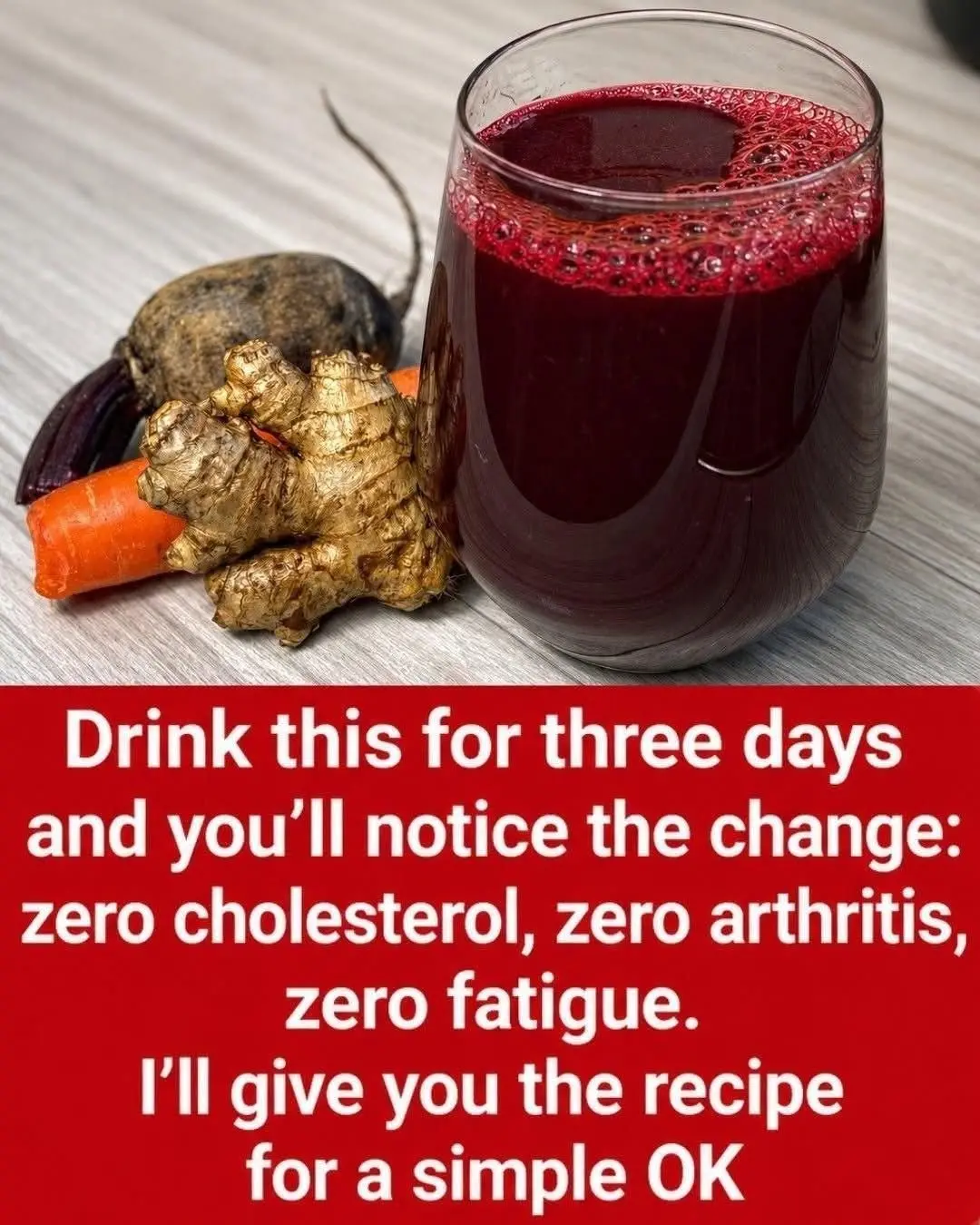
- 1 medium beetroot, peeled and roughly chopped
- 1 large green apple, cored and sliced
- 2 medium carrots, peeled and diced
- 1 inch fresh ginger root, peeled
- 1/2 fresh lemon, juiced
- 1 cup filtered water or coconut water
- 1Prepare all vegetables and fruit by washing, peeling, and chopping them into small pieces.
- 2Place the beetroot, apple, carrots, and ginger into a high-speed blender or juicer.
- 3Add the water and fresh lemon juice to the mixture.
- 4Blend on the highest setting for 45-60 seconds until the consistency is completely smooth.
- 5If you prefer a thinner juice, strain the mixture through a fine-mesh sieve or nut milk bag into a glass.
- 6Serve immediately, preferably on an empty stomach, for maximum nutrient absorption.
Keywords: beetroot drink, energy boost, heart health, joint relief, natural juice recipe, 30 day health challenge


