
Cream Puffs

There is something truly magical about the contrast of a crisp, golden pastry shell giving way to a cool, velvety center of rich custard. Achieving that perfect balance is exactly what makes the best homemade cream puff recipe a staple in any baker’s repertoire. Often referred to as profiteroles, these classic french pastry treats rely on a unique dough called pâte à choux, which uses steam rather than chemical leaveners to create a hollow, light and airy dessert that is as elegant as it is delicious.
While many home cooks feel intimidated by the prospect of making French pastries from scratch, the process is surprisingly straightforward once you understand the science of the dough. By mastering a few simple techniques—like properly drying out your flour base and timing your egg addition—you can create professional-quality cream puffs in your own kitchen. This guide will walk you through every nuance of the process, ensuring your shells rise beautifully and your vanilla pastry cream is perfectly smooth every single time.
Why This Recipe Is a Keeper
- Textural Perfection: The shells offer a satisfyingly crisp exterior that holds up beautifully against the soft, luscious cream filling without becoming immediately soggy.
- Impressive Results: Despite using simple pantry staples like butter, flour, and eggs, the final result looks like it came straight from a high-end patisserie window.
- Versatile Foundation: Once you master this pâte à choux, you can use the same dough to make eclairs, gougères, or even churros, making it a highly valuable skill.
- Make-Ahead Friendly: You can bake the shells and prepare the custard in advance, allowing for a stress-free assembly right before your guests arrive.
Ingredients You’ll Need
The beauty of the best homemade cream puff recipe lies in its simplicity. You don’t need exotic ingredients; you just need high-quality versions of the basics to let the textures and natural flavors shine through.
- Unsalted Butter: This provides the necessary fat for a rich flavor and helps the pastry stay tender. Using unsalted butter allows you to control the exact seasoning of the dough.
- All-Purpose Flour: The protein in all-purpose flour provides just enough structure to hold the steam-driven rise without making the shells tough or bread-like.
- Large Eggs: Eggs are the backbone of this recipe. They provide the moisture needed for steam and the proteins required for the shell to “set” and hold its shape in the oven.
- Whole Milk: For the vanilla pastry cream, whole milk is essential for a creamy, full-bodied mouthfeel that lower-fat milks simply cannot replicate.
- Cornstarch: This acts as the thickening agent for the custard, ensuring it is stable enough to stay inside the puff without running out after the first bite.
- Vanilla Bean or Extract: Since the filling is the star, using a high-quality vanilla provides those deep, aromatic floral notes that define a classic french pastry.
- Granulated Sugar: A modest amount is used in the dough to aid in browning, while more is added to the pastry cream to create the perfect level of sweetness.
Simple Swaps and Variations
While the classic vanilla-filled puff is iconic, this light and airy dessert is a blank canvas for your culinary creativity. You can easily adapt the flavors to suit the season or the occasion.
- Chocolate Ganache Dip: For a decadent touch, dip the tops of the cooled shells into a simple dark chocolate ganache before filling them for a classic profiterole presentation.
- Chantilly Cream Filling: If you are short on time, swap the cooked pastry cream for a stabilized whipped cream flavored with powdered sugar and vanilla.
- Savory Gougères: Omit the sugar from the dough and fold in half a cup of shredded Gruyère cheese and a pinch of black pepper before baking for a sophisticated appetizer.
- Coffee or Citrus Custard: Infuse the milk with espresso beans or lemon zest while heating it to create a flavored vanilla pastry cream variation that adds a bright or bold twist.
How to Make the Best Homemade Cream Puff Recipe
Success with pâte à choux comes down to managing moisture. You are essentially creating a thick paste that traps steam, which then expands in the heat of the oven to create the hollow center.
Step 1: Create the Flour Base (The Panade)
Begin by combining your water (or milk), butter, sugar, and salt in a medium saucepan over medium heat. It is vital to bring the mixture to a full rolling boil so the butter is completely melted and the liquid is hot enough to partially “cook” the flour. As soon as it boils, dump in the flour all at once and stir vigorously with a wooden spoon. Continue cooking the mixture for about two minutes, smashing it against the sides of the pan. You are looking for a thin film to form on the bottom of the pan and for the dough to pull away into a cohesive ball. This step evaporates excess moisture, which is the key to a light and airy dessert.
Step 2: Incorporate the Eggs Gradually
Transfer the hot dough to a stand mixer and let it cool for a few minutes so you don’t scramble the eggs. With the mixer on medium-low, add your eggs one at a time, ensuring each is fully absorbed before adding the next. This is where intuition comes in. You may not need all the eggs. You are looking for a specific texture: the dough should be glossy and smooth, and when you lift the beater, the dough should fall off and leave a “V” shaped tail. If it’s too stiff, add a bit more egg; if it’s too runny, the puffs won’t hold their shape.
Step 3: Pipe and Shape the Shells
Transfer the dough to a piping bag fitted with a large round tip. Pipe mounds about two inches wide onto a parchment-lined baking sheet, leaving plenty of space between them for expansion. Use a damp finger to gently press down any “tails” or peaks on top of the mounds; if left standing, these little points will burn in the oven. For the best homemade cream puff recipe, consistency in size is important so that all the shells finish baking at exactly the same time.
Step 4: The High-Heat Bake and Steam Release
Start the oven at a high temperature (usually around 400°F or 425°F) to create an immediate burst of steam that lifts the pastry. After the initial rise, lower the temperature to allow the interiors to dry out without burning the exteriors. Crucially, do not open the oven door during the first 20 minutes, or the sudden drop in temperature will cause the delicate shells to collapse. Once they are golden brown and feel light, remove them and immediately prick the side of each shell with a toothpick. This allows the internal steam to escape, preventing the crust from becoming soggy as it cools.
Step 5: Prepare and Chill the Filling
While the shells cool, whisk together your egg yolks, sugar, and cornstarch. Slowly stream in hot milk while whisking constantly—this is called tempering—to prevent the eggs from curdling. Return the mixture to the stove and cook until it thickens into a glossy vanilla pastry cream. Stir in your butter and vanilla at the very end for a silky finish. Press a piece of plastic wrap directly onto the surface of the custard to prevent a skin from forming and chill it completely before attempting to fill the puffs.
Pro Tips for Success
- Tip: Always use room temperature eggs. Cold eggs can shock the warm dough and prevent it from emulsifying properly, leading to a greasy shell that doesn’t rise.
- Tip: Measure your flour by weight if possible. Even a small amount of extra flour can make the dough too heavy to expand, resulting in dense, flat puffs.
- Tip: Ensure the flour “panade” is sufficiently dried on the stove. If you don’t cook it long enough to see that film on the pan, the dough will have too much water and won’t be able to absorb the eggs correctly.
- Tip: Bake the shells until they are deeply golden. Many bakers pull them out too early when they look tan, but a darker gold ensures the structure is strong enough to stay upright.
- Tip: If your pâte à choux feels too soft after adding the eggs, let it sit in the piping bag for 15 minutes before piping. This allows the starches to settle and makes shaping easier.
Troubleshooting Common Problems
Why Did My Cream Puffs Deflate?
Deflation usually happens for two reasons: either the oven door was opened too early, causing a loss of steam pressure, or the shells were removed before the interior walls had enough time to “set.” If the pastry is still moist inside, it won’t be able to support its own weight. Always ensure they are deeply golden and feel hollow and light before removing them from the heat.
Why Is My Pastry Cream Lumpy?
Lumps in vanilla pastry cream usually occur if the heat was too high or if the mixture wasn’t whisked constantly. If you find yourself with a lumpy custard, don’t throw it out! Simply push the finished cream through a fine-mesh sieve while it is still warm to remove the bits of overcooked egg, resulting in a perfectly smooth texture.
How to Serve Cream Puffs
Presentation is half the fun with this french pastry. There are two primary ways to fill and serve them: the “sandwich” method or the “injection” method.
Garnishes and Toppings
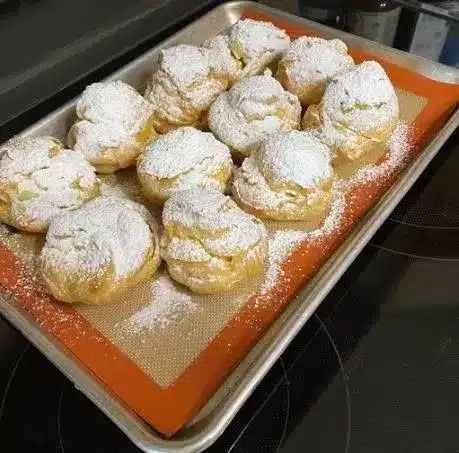
For a classic look, a simple dusting of powdered sugar is all you need to highlight the golden ridges of the pastry. If you want something more indulgent, a drizzle of warm chocolate ganache or a sprinkle of toasted sliced almonds adds both flavor and crunch. Some bakers also like to top the best homemade cream puff recipe with a “craquelin”—a thin, sugary cookie crust baked on top—to add an extra layer of sweetness and texture.
Serving Suggestions
These are best served within a few hours of assembly to ensure the pastry remains crisp. If you are hosting a party, you can set up a “build-your-own” station where guests can choose different fillings like vanilla pastry cream, chocolate mousse, or even lemon curd. Pair them with a strong cup of coffee or a glass of dessert wine to balance the rich, creamy center.
Storage and Make-Ahead
Storing Leftovers
Once filled, cream puffs should be kept in the refrigerator. Because the moisture from the cream will eventually soften the shell, they are best consumed within 24 hours. If you have unfilled shells, store them in an airtight container at room temperature for up to two days.
Freezing Instructions
The unfilled baked shells freeze remarkably well. Place them in a single layer on a tray to freeze solid, then transfer them to a freezer-safe bag for up to two months. To use, simply crisp them up in a 350°F oven for 5 minutes and let them cool before filling. This is a great trick for having a light and airy dessert ready on short notice.
Making It Ahead
You can make the vanilla pastry cream up to three days in advance and keep it chilled in the fridge. The dough itself can also be made and kept in a piping bag in the refrigerator for several hours before baking, though for the best rise, it is usually recommended to bake it shortly after mixing.
Final Thoughts
Mastering the best homemade cream puff recipe is a rewarding journey that elevates your home baking to a new level. While the technical steps of making pâte à choux and vanilla pastry cream require attention to detail, the result is a sophisticated french pastry that never fails to delight. Whether you are serving them at a formal dinner party or enjoying them as a weekend treat, these light and airy dessert gems are a testament to the beauty of simple ingredients handled with care. Once you see those shells puff up in the oven, you’ll know that the effort was entirely worth it.
Frequently Asked Questions
Can I use a hand mixer instead of a stand mixer?
Yes, a hand mixer works perfectly well for incorporating the eggs into the dough. Just be sure to use a sturdy bowl and hold it firmly, as the dough is quite thick and will offer some resistance. You can even do it by hand with a wooden spoon and some elbow grease, which is the traditional way to make pâte à choux.
Why do my puffs taste like eggs?
A slight egg scent is normal for this type of pastry, but an overpowering taste usually means the eggs weren’t incorporated fully or the shells are slightly underbaked. Making sure the shells are dried out properly in the oven helps neutralize the egginess. Additionally, using a high-quality vanilla pastry cream with plenty of vanilla bean will balance the flavors beautifully.
Do I have to use a piping bag?
If you don’t have a piping bag, you can use two spoons to drop mounds of dough onto the baking sheet. While they won’t be perfectly uniform or as smooth as piped versions, they will still puff up and taste delicious. You can also use a large plastic freezer bag with the corner cut off as a DIY piping bag for the best homemade cream puff recipe.
How do I know when the pastry cream is thick enough?
The custard should reach a stage where it coats the back of a spoon and leaves a clear path when you run your finger through it. It will also start to “burp” or bubble lazily. Remember that it will continue to thicken significantly as it cools in the refrigerator, so don’t overcook it until it’s rubbery on the stove.
Can I make these gluten-free?
While pâte à choux relies on flour for structure, many bakers have had success using a high-quality 1-to-1 gluten-free flour blend. Since gluten-free flours absorb moisture differently, you may need to adjust the number of eggs used. Look for the same “V” shape visual cue in the dough to ensure the consistency is correct before piping.
Classic Homemade Cream Puffs

Light, airy choux pastry shells filled with a sweet and velvety whipped cream filling. These classic French treats are elegant, delicious, and surprisingly simple to make from scratch.
- Choux Pastry
- 1/2 cup unsalted butter
- 1 cup water
- 1/4 teaspoon salt
- 1 cup all-purpose flour
- 4 large eggs, room temperature
- Cream Filling
- 2 cups heavy whipping cream, chilled
- 1/2 cup powdered sugar
- 1 teaspoon vanilla extract
- 1Preheat your oven to 400°F (200°C) and line a large baking sheet with parchment paper.
- 2In a medium saucepan, combine the butter, water, and salt. Bring to a rolling boil over medium-high heat.
- 3Reduce heat to low and add the flour all at once. Stir vigorously with a wooden spoon until the mixture forms a ball and pulls away from the sides of the pan.
- 4Remove from heat and let cool for about 5 minutes. Add eggs one at a time, beating thoroughly after each addition until the dough is smooth and glossy.
- 5Drop rounded tablespoons of dough onto the prepared baking sheet, spaced 2 inches apart.
- 6Bake for 25-30 minutes or until the puffs are golden brown and firm to the touch. Transfer to a wire rack to cool completely.
- 7For the filling, beat the heavy cream, powdered sugar, and vanilla in a chilled bowl until stiff peaks form.
- 8Slice the cooled puffs in half and spoon or pipe the cream into the centers. Replace the tops and dust with extra powdered sugar if desired.
Keywords: cream puffs, choux pastry, dessert, french pastry, profiteroles


