
Banana Cake With Buttercream Frosting

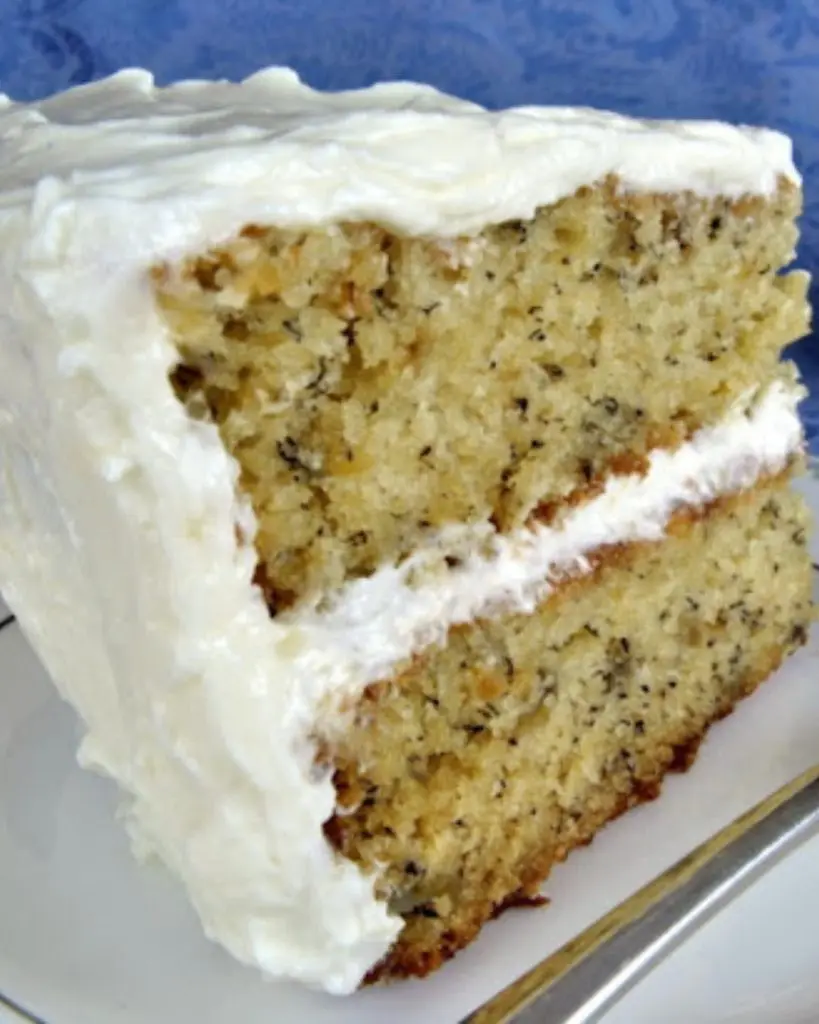
There is something deeply nostalgic about the aroma of a banana cake with buttercream frosting wafting through the kitchen. While banana bread often claims the spotlight for using up overripe fruit, this cake is its more sophisticated, elegant cousin. It offers a tight yet tender crumb that is significantly lighter than a dense loaf, making it the perfect canvas for a rich, velvety crown of frosting. This recipe focuses on balancing the natural sweetness of caramelized bananas with the slightly salty, creamy finish of a traditional homemade banana cake experience that feels both rustic and refined.
Whether you are preparing a weekend treat or a birthday centerpiece, the key to this moist banana cake lies in the interplay between acidity and fat. By understanding how to properly aerate the batter and when to incorporate your mashed fruit, you can achieve a bakery-quality result at home. This guide will walk you through the nuances of flavor development and the technical steps required to ensure your buttercream is stable, silky, and perfectly pipeable every single time.
Why This Recipe Is a Keeper
- Superior Texture: Unlike heavy quick breads, this ripe banana recipe produces a delicate, soft crumb that melts in your mouth while still being sturdy enough to hold layers of frosting.
- Deep Flavor Profile: The combination of browned sugars, pure vanilla, and highly ripened fruit creates a complex sweetness that isn’t one-dimensional or cloying.
- Versatile Presentation: This recipe works beautifully as a single-layer sheet cake for easy transport or can be scaled into a majestic multi-layer cake for special celebrations.
- Foolproof Frosting: The accompanying vanilla buttercream is designed to be stable at room temperature, making it ideal for those who want to practice their piping skills or decorative swirls.
Ingredients You’ll Need
Choosing the right ingredients is the first step toward a successful bake. Each component in this banana cake with buttercream frosting serves a specific chemical and structural purpose, from providing lift to ensuring the cake remains moist for days after baking.
- Overripe Bananas: The star of the show. You want bananas that are covered in brown spots or even entirely black; these have the highest sugar content and the strongest aromatic compounds.
- Buttermilk: This provides the necessary acidity to react with baking soda, ensuring a high rise and a tender texture by breaking down gluten strands.
- Unsalted Butter: Using unsalted butter allows you to control the seasoning precisely. It provides the fat needed for a rich mouthfeel in both the cake and the frosting.
- Granulated and Brown Sugars: A mix of both ensures sweetness while the molasses in the brown sugar adds moisture and a hint of caramel-like depth.
- All-Purpose Flour: This provides the structure. It is strong enough to support the heavy mashed fruit without becoming tough or rubbery.
- Vanilla Extract: A high-quality pure vanilla acts as a flavor enhancer, bridging the gap between the earthy banana and the sweet vanilla buttercream.
- Powdered Sugar: Also known as confectioners’ sugar, this is the backbone of your frosting, providing sweetness and the necessary thickness for a stable set.
Variations and Smart Swaps
While the classic version is hard to beat, you can easily adapt this recipe to suit your pantry or flavor preferences. Making small adjustments can transform the moist banana cake into something entirely new without compromising the integrity of the bake.
- Toasted Nut Addition: Fold in half a cup of toasted, finely chopped walnuts or pecans to the batter. This adds a necessary crunch that offsets the soft texture of the cake.
- Spice It Up: Enhance the warmth of the fruit by adding a teaspoon of ground cinnamon or a pinch of nutmeg to the dry ingredients for a cozy, autumnal feel.
- Cream Cheese Twist: If you prefer a tangier finish, you can swap half of the butter in the frosting for full-fat brick cream cheese, creating a classic pairing for banana-based desserts.
- Chocolate Chip Inclusion: For a more kid-friendly version, fold mini chocolate chips into the batter. The small size ensures they stay suspended in the cake rather than sinking to the bottom.
How to Make Banana Cake with Buttercream Frosting
Step 1: Cream the Butter and Sugars
Begin by beating your softened butter with the granulated and brown sugars until the mixture is pale and fluffy. This process, known as creaming, incorporates tiny air bubbles into the fat. These air pockets are essential because they expand in the oven, giving your homemade banana cake its light, airy lift. Aim for at least three to five minutes of mixing to ensure the sugar is well-distributed and the volume has noticeably increased.
Step 2: Incorporate the Ripe Fruit and Aromatics
Once the butter mixture is ready, add your eggs one at a time, followed by the vanilla and the mashed bananas. It is vital to mash the bananas thoroughly before adding them to ensure they incorporate evenly without leaving large, wet clumps that could cause the cake to sink. The ripe banana recipe relies on this stage to build a cohesive emulsion, which prevents the batter from breaking when you later add the liquid buttermilk.
Step 3: Alternate Dry and Wet Ingredients
To maintain the air you worked so hard to create, alternate adding the sifted dry ingredients with the buttermilk. Start and end with the flour mixture. This technique prevents the batter from becoming over-saturated or over-mixed. Over-mixing at this stage develops too much gluten, which would turn your moist banana cake from tender to tough. Mix only until no streaks of flour remain for the best possible crumb.
Step 4: Bake to Golden Perfection
Pour the batter into your prepared pans and bake until the edges begin to pull away from the sides and a tester comes out clean. The cake should spring back lightly when touched in the center. Avoid opening the oven door too early, as the sudden drop in temperature can cause the delicate structure to collapse. Once baked, let the cakes cool completely in the pans before transferring them to a wire rack. Frosting a warm cake is a recipe for a melted mess.
Step 5: Whip the Velvety Buttercream
While the cake cools, prepare the vanilla buttercream. Beat the butter on high speed until it is nearly white and incredibly smooth. Gradually add the powdered sugar and a splash of heavy cream or milk to reach your desired consistency. The goal is a frosting that is stiff enough to hold its shape but soft enough to spread effortlessly. Beating the frosting for an extra few minutes at the end will remove any graininess from the sugar.
Pro Tips for Success
- Use Room Temperature Ingredients: Ensure your eggs, butter, and buttermilk are all at room temperature. This allows them to bond together into a smooth emulsion, preventing a curdled batter.
- Sift the Powdered Sugar: To achieve a professional, lump-free vanilla buttercream, always sift your sugar before adding it to the butter. This is the secret to a silky finish.
- Don’t Scrimp on the Bananas: If your bananas aren’t quite spotty enough, you can bake them in their skins at 300°F for 15 minutes until black to concentrate their sugars quickly.
- Cool Completely: Never attempt to frost a cake that feels even slightly warm to the touch. The internal residual heat will liquefy the fats in the buttercream, causing it to slide off the sides.
- Measure Flour Correctly: Use the “spoon and level” method rather than scooping directly with the measuring cup. Scooping packs the flour down, leading to a dry, dense cake.
Troubleshooting Common Problems
Why Is My Cake Dense and Heavy?
A dense cake usually results from one of two things: under-creaming the butter and sugar or over-mixing the flour. If you don’t incorporate enough air at the beginning, the cake won’t rise. Similarly, if you over-work the batter once the flour is added, you create a bread-like texture. Ensure you follow the timing for creaming and stop mixing as soon as the flour disappears.
Why Did My Frosting Turn Out Grainy?
Grainy frosting is often caused by using cold butter or not mixing the powdered sugar long enough. The sugar needs time to dissolve into the fat of the butter. If you find your vanilla buttercream is still gritty, add a teaspoon of heavy cream and continue whipping on medium-high speed for another two minutes.
Why Is the Cake Sinking in the Middle?
This is commonly caused by opening the oven door too early or using expired leavening agents. Baking soda and powder lose their potency over time. Always check the expiration dates. Additionally, avoid “peeking” until the cake is at least 80% through the baking time to allow the structure to set firmly.
How to Serve Banana Cake
Presentation is half the fun when it comes to a classic dessert like banana cake with buttercream frosting. For a casual gathering, a simple layer of frosting smoothed with an offset spatula looks beautiful and inviting. If you are serving this for a more formal occasion, consider using a star tip to pipe decorative borders or rosettes around the top edge.
This cake pairs exceptionally well with a hot cup of coffee or a cold glass of milk. Because the banana flavor is so prominent, it also stands up well to tart accompaniments. Serving a slice with a side of fresh raspberries or a drizzle of salted caramel can elevate the dish into a multi-layered flavor experience. Always slice the cake with a sharp, thin knife dipped in hot water and wiped dry between cuts to get those clean, professional-looking edges.
Storage and Make-Ahead
Storing Leftovers
Because of the high moisture content from the bananas, this cake stays fresh longer than most. Store any leftovers in an airtight container at room temperature for up to two days. If your kitchen is particularly warm, it is better to store the cake in the refrigerator to keep the buttercream from softening too much. Just be sure to bring it back to room temperature before serving for the best texture.
Freezing Instructions
You can freeze the unfrosted cake layers for up to three months. Wrap them tightly in plastic wrap and then a layer of aluminum foil. To thaw, leave them in the refrigerator overnight. While you can freeze the frosted cake, the texture of the buttercream may change slightly upon thawing, so it is generally recommended to frost the cake fresh if possible.
Final Thoughts
Mastering a banana cake with buttercream frosting is a milestone for any home baker. It is a recipe that rewards patience, particularly when it comes to letting your fruit ripen and allowing your cake to cool. The result is a comforting, soul-satisfying dessert that bridges the gap between a humble snack and a celebratory treat. By focusing on quality ingredients and proper technique, you’ll create a moist banana cake that your friends and family will request for years to come. Enjoy the process of whisking, baking, and decorating this timeless classic.
Frequently Asked Questions
Can I use frozen bananas for this recipe?
Yes, frozen bananas are excellent for baking. In fact, freezing them breaks down the cellular structure, making them even easier to mash and often releasing more liquid sugar. Just be sure to thaw them completely in a bowl and include all the liquid that leaches out, as that juice contains a significant amount of the banana flavor and moisture needed for the batter.
How do I make my frosting whiter?
To achieve a bright white vanilla buttercream, beat your butter alone for at least 5 minutes before adding any sugar. This aerates the fat and lightens the color. Additionally, you can add a tiny, microscopic drop of purple food coloring to the mix. The purple neutralizes the yellow tones of the butter, resulting in a much whiter appearance without affecting the flavor.
What if I don’t have buttermilk?
If you don’t have buttermilk on hand, you can make a quick substitute. Add one tablespoon of lemon juice or white vinegar to a cup of regular whole milk and let it sit for five to ten minutes until it curdles slightly. This DIY version provides the necessary acidity to react with the baking soda and will ensure your homemade banana cake still has its signature tender crumb.
Can I make this cake into cupcakes?
Absolutely. This batter translates perfectly to cupcakes. Simply line a muffin tin with paper liners and fill them about two-thirds full. You will need to reduce the baking time significantly—usually, they will take between 18 and 22 minutes. Use the same vanilla buttercream to pipe generous swirls on top once they have cooled completely for a portable version of this classic cake.
How long should I beat the frosting?
For the best results, you should beat the frosting for a total of 5 to 7 minutes. Many people stop as soon as the sugar is incorporated, but the extra whipping time is what creates that signature cloud-like texture. High-speed whipping incorporates air and ensures that every grain of sugar is fully dissolved into the butter, providing a professional finish to your banana cake with buttercream frosting.
Banana Cake With Buttercream Frosting

This moist and tender banana cake is packed with flavor from ripe bananas and topped with a velvety, rich vanilla buttercream frosting. It's the perfect treat for any occasion.
- Cake
- 2 cups all-purpose flour
- 1 tsp baking soda
- 1/2 tsp salt
- 1/2 cup unsalted butter, softened
- 1 1/2 cups granulated sugar
- 2 large eggs
- 1 tsp vanilla extract
- 1 cup mashed ripe bananas (about
- 3 medium bananas)
- 1/2 cup sour cream
- Buttercream Frosting
- 1/2 cup unsalted butter, softened
- 3 cups powdered sugar, sifted
- 2 tbsp whole milk
- 1 tsp vanilla extract
- 1Preheat your oven to 350°F (175°C). Grease and flour a 9x13 inch baking pan.
- 2In a medium bowl, whisk together the flour, baking soda, and salt. Set aside.
- 3In a large mixing bowl, cream the softened butter and granulated sugar together until light and fluffy.
- 4Beat in the eggs one at a time, then stir in the vanilla extract and mashed bananas.
- 5Add the dry flour mixture to the wet ingredients alternating with the sour cream, starting and ending with the flour. Stir until just combined.
- 6Pour the batter into the prepared baking pan. Bake for 30 to 35 minutes, or until a toothpick inserted into the center comes out clean.
- 7Remove from the oven and let the cake cool completely on a wire rack.
- 8To make the frosting: In a large bowl, beat the softened butter until creamy. Gradually add the powdered sugar, milk, and vanilla. Beat on high speed until the frosting is light and airy.
- 9Spread the buttercream frosting evenly over the cooled cake before serving.
Keywords: banana cake, homemade cake, buttercream frosting, easy dessert, banana recipe


