
Yeast Face Mask for Wrinkles: Benefits, Risks, and What to Know

When it comes to maintaining a youthful glow, many of us are looking toward our kitchen pantries rather than expensive department store counters. The yeast face mask for wrinkles has emerged as a favorite among enthusiasts of natural anti-aging skin care because of its unique ability to revitalize the skin’s appearance using simple, bio-active ingredients. While we often think of yeast as a staple for baking bread, its rich nutritional profile—packed with vitamins, minerals, and amino acids—makes it a surprisingly potent tool for addressing the common signs of aging.
This traditional beauty treatment is prized for its immediate tightening effect and its long-term ability to support skin health. By utilizing the benefits of yeast for skin, you can create a targeted treatment that helps to smooth out fine lines, improve elasticity, and brighten a dull complexion. It is an approachable, cost-effective way to incorporate nutrient-dense therapy into your weekly routine without the need for harsh chemicals or complex synthetic formulas.
Why Yeast is a Skincare Powerhouse
The secret behind the effectiveness of a yeast face mask for wrinkles lies in its concentrated nutrient density. Yeast is a living fungus that contains a wealth of compounds that our skin cells crave for repair and regeneration. When applied topically, these elements work in harmony to provide a more refreshed and firm appearance.
- High B-Vitamin Content: Yeast is famous for being rich in B vitamins for face health, including B1, B2, B3, B6, and pantothenic acid. These vitamins are essential for cellular metabolism and help to maintain a strong skin barrier.
- Amino Acids and Peptides: These are the building blocks of proteins like collagen and elastin. Providing the skin with these nutrients may support a smoother, more resilient texture over time.
- Antioxidant Properties: Yeast contains selenium and other antioxidants that help protect the skin from oxidative stress caused by environmental pollutants and UV exposure.
- Deep Hydration: Certain types of yeast help the skin retain moisture, which is critical for “plumping” up fine lines and making wrinkles less visible.
How Yeast Helps with Fine Lines and Texture
As we age, our skin’s natural ability to renew itself slows down, leading to a loss of firmness and the formation of creases. A yeast face mask for wrinkles works by stimulating the surface of the skin and providing a temporary tightening sensation as the mask dries. This mechanical action, combined with the absorption of B vitamins for face vitality, helps to wake up a tired complexion.
Beyond the immediate “lift,” the fermentation byproducts found in yeast are known to have mild exfoliating properties. This helps to remove dead skin cells that often settle into wrinkles, making them appear deeper than they actually are. By clearing away this debris, the skin reflects light more evenly, resulting in a natural radiance that is a hallmark of natural anti-aging skin care.
Practical Ways to Use Yeast in Your Skincare Routine
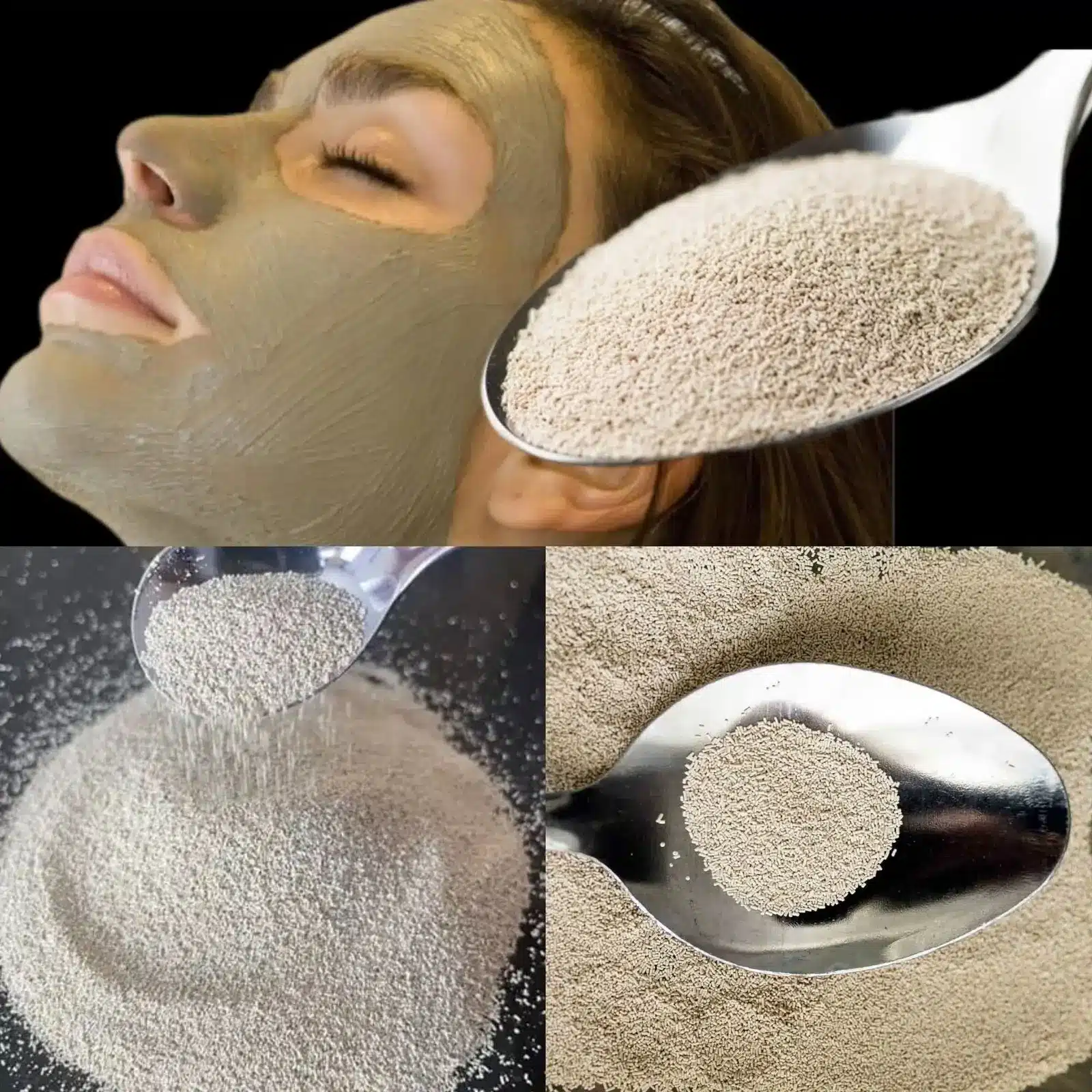
If you are looking to experiment with DIY facial masks for aging, yeast is a versatile base that pairs well with other natural ingredients. Most people use active dry yeast or fresh baker’s yeast, which is then rehydrated with a liquid to activate its beneficial properties. Depending on your skin type, you can customize the mask to be more hydrating or more purifying.
For those with dry or mature skin, mixing yeast with warm milk or honey can provide a soothing, moisturizing boost. If your skin is on the oilier side, a splash of fresh lemon juice or plain yogurt can help balance the skin’s pH while the yeast works its magic. The goal is to create a smooth, spreadable paste that can sit on the skin for about 15 to 20 minutes, allowing the benefits of yeast for skin to penetrate the upper layers of the epidermis.
Important Safety and Cautions
While a yeast face mask for wrinkles is generally safe for many people, it is important to remember that yeast is a biological agent. If you have a known yeast allergy or extremely sensitive skin, you should proceed with caution. Always perform a patch test on a small area of your neck or inner arm before applying the mask to your entire face to ensure you don’t have an adverse reaction.
Furthermore, because yeast can be quite active, some individuals may experience slight redness or a tingling sensation. If this becomes uncomfortable or if you notice any itching or swelling, wash the mask off immediately with cool water. It is always a good idea to consult with a dermatologist if you have chronic skin conditions like rosacea or eczema before introducing DIY facial masks for aging into your regimen.
Final Thoughts
Incorporating a yeast face mask for wrinkles into your beauty routine is a wonderful way to embrace the power of nature. By focusing on nutrient-rich ingredients like B vitamins for face health and natural antioxidants, you can support your skin’s journey through the aging process with grace. While no single mask can completely erase deep-set lines, the cumulative benefits of yeast for skin can lead to a noticeably firmer, brighter, and more hydrated appearance. Consistency is key, so consider making this simple treatment a part of your self-care ritual to enjoy the long-term rewards of natural anti-aging skin care.
Frequently Asked Questions
How often should I use a yeast face mask for wrinkles?
For most skin types, using a yeast face mask for wrinkles once or twice a week is sufficient. Because the mask can have a tightening and mildly exfoliating effect, overusing it may lead to dryness or irritation. Start with once a week to see how your skin responds, and always follow up with a high-quality moisturizer to lock in the nutrients and hydration.
What kind of yeast is best for a DIY facial mask?
Active dry yeast, which is commonly found in the baking aisle of any grocery store, is the most popular choice for DIY facial masks for aging. It is easy to store and activates quickly when mixed with warm liquid. Some people prefer fresh brewer’s yeast or nutritional yeast flakes, but active dry yeast typically provides the most consistent texture and ease of application for home use.
Can a yeast mask help with skin sagging?
While a yeast face mask for wrinkles provides a temporary tightening sensation that can make the skin feel firmer, it cannot replace medical treatments for significant skin sagging. However, by providing B vitamins for face health and supporting the skin’s moisture barrier, it can improve the overall “snap” and elasticity of the skin’s surface, making it appear more toned and resilient.
Should I wash my face before or after the mask?
You should always start with a clean canvas. Wash your face with a gentle cleanser to remove makeup, oil, and dirt before applying your yeast face mask for wrinkles. This ensures that the benefits of yeast for skin can be fully realized without any barriers. After the mask has dried and you have rinsed it off with lukewarm water, apply your usual toner, serum, and moisturizer.
Is it normal for the mask to smell like bread?
Yes, because you are using active yeast, the mask will have a very distinct, “yeasty” or bread-like aroma. This is completely normal and is a sign that the yeast is active. If the scent is too strong for you, you can try adding a drop of skin-safe essential oil, like lavender, or mixing the yeast with a fragrant ingredient like honey or rosewater to mask the smell.
Yeast Face Mask for Wrinkles

This DIY Yeast Face Mask is a powerful natural remedy for fine lines and wrinkles. Packed with B-vitamins and amino acids, it helps to firm the skin, improve elasticity, and provide a radiant, youthful glow. The yeast works to stimulate blood circulation while the milk provides gentle exfoliation.
- 1 tablespoon Active Dry Yeast
- 2 tablespoons Warm Milk (whole or almond milk)
- 1 teaspoon Raw Honey (optional for extra hydration)
- 1In a small glass bowl, combine the active dry yeast with the warm milk.
- 2Stir the mixture thoroughly until it forms a smooth, spreadable paste.
- 3If using honey, add it to the mixture and stir again to incorporate.
- 4Allow the mixture to sit for about 5 minutes to activate the yeast.
- 5Using your fingertips or a clean facial brush, apply the mask to your face and neck, avoiding the sensitive eye area.
- 6Leave the mask on for 15 to 20 minutes, or until it has completely dried and feels tight on the skin.
- 7Rinse with lukewarm water, gently massaging in circular motions to exfoliate, then pat dry with a soft towel.
Keywords: yeast face mask, anti-aging mask, wrinkle treatment, DIY skincare, natural beauty


