
Custard-Filled Polish Paczki

In the world of decadent pastries, few things rival the sheer indulgence of a custard filled polish paczki recipe. Unlike your standard supermarket doughnut, authentic pączki (pronounced “pounch-key”) are crafted from an incredibly rich, yeast-leavened dough packed with egg yolks, butter, and just enough sugar to keep things interesting. These traditional Polish doughnuts are a staple of “Tłusty Czwartek” (Fat Thursday) in Poland and Fat Tuesday in the United States, representing the ultimate pre-Lenten celebration. The result is a pastry that is denser, richer, and more pillowy than a classic American glazed doughnut, providing the perfect vessel for a silky, homemade custard.
Mastering this authentic Pączki recipe at home is a rewarding culinary project that brings the atmosphere of a Polish bakery right into your kitchen. While the process requires a bit of patience for proofing and a careful hand at the fryer, the sensory payoff of biting into a warm, sugar-dusted pastry filled with cool cream is unmatched. This guide will walk you through the nuances of dough hydration, temperature control, and the secret ingredients that ensure your doughnuts remain light and airy rather than greasy, making these yeast-raised doughnuts a guaranteed hit for any celebration.
Why You’ll Love This Recipe
- Unmatched Texture: The high egg yolk content creates a soft, brioche-like crumb that is significantly more luxurious and satisfying than standard yeast doughnuts.
- Customizable Sweetness: By making your own custard, you can control the sugar levels and infuse the filling with real vanilla bean for a sophisticated flavor profile.
- Holiday Tradition: These are the quintessential Fat Tuesday recipes choice, allowing you to participate in a centuries-old tradition that celebrates community and indulgence.
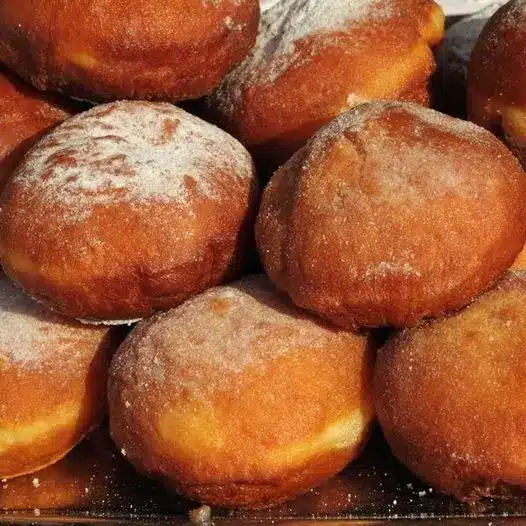
- Professional Results: With our specific frying and filling techniques, you will achieve that signature pale ring around the middle, a hallmark of perfectly proofed and fried pączki.
Ingredients You’ll Need
To achieve the best results with this custard filled polish paczki recipe, every ingredient serves a specific structural or flavor-based purpose. High-quality dairy and fresh yeast are the backbone of this dough.
- Bread Flour: While all-purpose flour works, bread flour provides a higher protein content that creates the necessary gluten structure to hold up against the heavy additions of butter and eggs.
- Egg Yolks: This recipe uses an abundance of yolks rather than whole eggs to provide a deep golden color and a rich, melt-in-your-mouth tenderness that defines traditional Polish doughnuts.
- Whole Milk: The fats in whole milk soften the gluten strands, ensuring the pączki are soft and pillowy rather than chewy or bread-like.
- Active Dry Yeast: This provides the leavening power needed to lift the heavy dough. Ensuring your yeast is fresh and foamy is critical for a successful rise.
- Granulated Sugar: A modest amount is used in the dough to feed the yeast and provide a light sweetness, while more is used for the exterior coating.
- Unsalted Butter: Softened butter is incorporated slowly into the dough to create a rich, silky texture without weighing down the yeast’s ability to lift the pastry.
- Grain Alcohol or Vodka: A traditional secret ingredient; a small splash in the dough prevents the pastry from absorbing excess oil during the frying process.
- Vanilla Bean or Extract: High-quality vanilla is essential for the homemade vanilla custard filling to ensure it tastes like a professional pastry cream.
Variations and Smart Swaps
- The Filling Swap: If you want to move away from custard, you can fill these pączki with traditional plum butter (powidła), raspberry jam, or even a modern salted caramel sauce.
- Citrus Infusion: Add the zest of one lemon or orange to the dough during the kneading process to provide a bright, aromatic contrast to the rich fried dough.
- Glaze vs. Sugar: Instead of rolling the warm doughnuts in granulated sugar, you can dip them in a simple vanilla or lemon glaze once they have cooled slightly.
- Dairy-Free Adjustments: While it alters the traditional profile, you can use a high-fat oat milk and a vegan butter substitute if you need to accommodate dairy sensitivities, though the texture will be slightly less rich.
How to Make This Custard Filled Polish Paczki Recipe
Step 1: Activate the Yeast and Prepare the Liquid Base
Begin by gently warming your milk to between 105°F and 115°F. It is vital that the milk is not too hot, as temperatures above 120°F can kill the yeast. Whisk in a tablespoon of sugar and the active dry yeast, letting it sit for about 5 to 10 minutes until a thick, foamy head forms on the surface. This “blooming” phase confirms that your yeast is alive and ready to provide the necessary lift for these yeast-raised doughnuts.
Step 2: Cream the Yolks and Incorporate Aromatics
In a separate bowl or the bowl of your stand mixer, beat the egg yolks with the remaining sugar until the mixture is pale, thick, and ribbon-like. This step aerates the yolks, contributing to the lightness of the final pączki. At this stage, mix in the vanilla extract, salt, and the splash of vodka. The alcohol will evaporate during frying, but its presence in the dough acts as a barrier against oil absorption.
Step 3: Knead the Rich Dough to Silkiness
Gradually add the yeast mixture and the flour to the egg base. Using a dough hook, knead the mixture on low speed until a soft dough forms. Once the flour is incorporated, begin adding the softened butter one tablespoon at a time. Continue kneading for about 8 to 10 minutes. You are looking for a dough that is tacky but not sticky, and smooth enough that it pulls away from the sides of the bowl cleanly, indicating strong gluten development.
Step 4: The Primary Proof and Temperature Control
Place the dough in a lightly greased bowl, cover it with a warm, damp cloth, and let it rise in a draft-free spot until it has doubled in size. This usually takes 60 to 90 minutes. For an authentic Pączki recipe, this first rise is crucial for flavor development. If your kitchen is cold, you can place the bowl in an oven that is turned off but has the light on to provide a gentle, consistent warmth.
Step 5: Shaping and the Final Rise
Gently punch down the risen dough and turn it out onto a lightly floured surface. Roll the dough to about 1/2-inch thickness and use a round cutter to stamp out your doughnuts. Place the rounds on a parchment-lined baking sheet, leaving ample space between them. Cover them lightly and let them rise again for about 30 to 45 minutes. They should look puffy and feel fragile; if they haven’t risen enough, they will be dense and heavy once fried.
Step 6: Precision Frying for the Perfect Golden Crust
Heat at least 3 inches of neutral oil in a heavy-bottomed pot to exactly 350°F. Carefully lower 2 or 3 pączki into the oil at a time. Fry for about 2 minutes per side until they reach a deep golden brown. Watch for the “white ring” around the center, which indicates the dough is light enough to float high in the oil. Maintain the oil temperature strictly; if it drops, the doughnuts will become greasy, and if it’s too high, the centers will remain raw.
Step 7: Filling with Homemade Vanilla Custard
Once the pączki have cooled enough to handle but are still slightly warm, use a small knife or a Bismarck tip to poke a hole in the side of each doughnut. Pipe in your homemade vanilla custard filling until you feel the pastry expand and become heavy. Immediately roll the filled doughnut in granulated sugar or dust heavily with powdered sugar to finish the custard filled polish paczki recipe.
Pro Tips for Success
- Tip: Always use a candy thermometer to monitor your oil. Even a 10-degree fluctuation can be the difference between a perfect pastry and a greasy mess.
- Tip: Do not over-flour your work surface. Excess flour can burn in the oil and create a bitter taste on the exterior of your traditional Polish doughnuts.
- Tip: For the smoothest homemade vanilla custard filling, strain your pastry cream through a fine-mesh sieve while it is still warm to remove any small bits of cooked egg.
- Tip: Use room temperature ingredients. Cold eggs or butter can shock the yeast and significantly slow down your rise times.
- Tip: If the doughnuts are browning too fast but the centers are doughy, your oil is too hot. Lower the heat and wait for the temperature to stabilize before continuing.
Troubleshooting Common Problems
Why Are My Pączki Dense and Heavy?
This is usually caused by under-proofing or using expired yeast. If the dough doesn’t double in size during the first rise, or if the shaped rounds don’t feel “airy” before hitting the oil, the final result will be bread-like. Ensure your yeast is fresh and give the dough more time if your kitchen is cool.
Why Is the Filling Leaking Out?
If the custard is too thin, it will run out of the hole. Ensure your custard has chilled completely (at least 4 hours) before piping. Additionally, make sure you aren’t overfilling the pączki; stop once you feel the doughnut resist the pressure of the piping bag.
Why Are My Doughnuts Greasy?
Greasy doughnuts are almost always the result of oil that is too cold. When the oil temperature drops below 340°F, the dough begins to absorb the fat rather than searing the exterior. Always bring the oil back to 350°F between batches.
How to Serve This Recipe
Serving a custard filled polish paczki recipe is all about timing and presentation. These are best enjoyed the same day they are fried, ideally while the exterior is still crisp and the sugar coating is fresh. Arrange them on a large platter for a festive Fat Tuesday recipes spread, perhaps accompanied by some fresh berries to cut through the richness of the fried dough and cream.
Perfect Pairings
Because these doughnuts are quite rich, they pair beautifully with a strong, bitter beverage. A dark roast coffee or a strong black tea like Earl Grey provides the perfect balance. If you are serving these as part of a traditional celebration, a small glass of cherry liqueur or “Nalewka” is a classic Polish accompaniment that enhances the vanilla notes in the custard.
Garnishing for Guests
While a simple toss in granulated sugar is traditional, you can elevate the look by adding a small dollop of custard on the outside of the hole to signify the flavor inside. For a more modern look, a light dusting of cocoa powder or a few edible flower petals can make these look like they came from a high-end boutique bakery.
Storage and Make-Ahead
Storing Leftovers
Because of the fresh homemade vanilla custard filling, these must be stored in the refrigerator if they aren’t eaten within a few hours. Place them in an airtight container for up to 2 days. Note that the sugar coating will likely dissolve into a syrup in the fridge, so you may need to re-dust them before serving.
Making It Ahead
You can prepare the custard filling up to two days in advance, which simplifies the process on frying day. The dough can also undergo its first rise in the refrigerator overnight. Cold fermentation actually improves the flavor of yeast-raised doughnuts, but you must let the dough come back to room temperature before shaping and the final proof.
Reheating
To revive day-old pączki, place them in a 300°F oven for just 3 to 5 minutes. This will soften the dough without curdling the custard filling. Avoid the microwave, as it will make the dough chewy and could cause the filling to explode.
Final Thoughts
Taking the time to craft this custard filled polish paczki recipe is a labor of love that pays off in every pillowy, cream-filled bite. Whether you are honoring your heritage or simply looking for the ultimate Fat Tuesday recipes experience, these doughnuts offer a level of satisfaction that store-bought versions simply cannot match. By focusing on the temperature of your ingredients and the patience required for a proper rise, you’ll create a professional-grade pastry that will become a requested tradition in your household for years to come. Grab your thermometer, start your yeast, and get ready to enjoy the finest traditional Polish doughnuts you’ve ever tasted.
Frequently Asked Questions
Can I bake these instead of frying them?
While you can bake the dough rounds at 375°F for 12-15 minutes, the result will be more like a dinner roll than an authentic Pączki recipe. The frying process is essential for the specific texture, flavor, and “fried” aroma that defines this pastry. If you do bake them, brush them with melted butter immediately after they come out of the oven to mimic the richness.
How do I know if the pączki are cooked through?
The best way to ensure they are done is to use an instant-read thermometer. The internal temperature of a perfectly fried doughnut should be around 190°F. Visually, they should be a deep, golden mahogany. If they are pale, they are likely undercooked; if they are dark brown but the thermometer shows a low temp, your oil is too hot.
Can I use instant yeast instead of active dry?
Yes, you can use instant yeast in this custard filled polish paczki recipe. You can skip the blooming process and mix the yeast directly into the flour. However, still warm the milk slightly to help the dough rise faster. Use the same measurements, but keep in mind that your rise times might be about 15-20% shorter.
Why do I need to add alcohol to the dough?
The addition of vodka or grain alcohol is a traditional technique used in traditional Polish doughnuts. Alcohol evaporates very quickly when it hits the hot oil, creating a light steam that pushes back against the oil. This prevents the dough from soaking up too much grease, resulting in a lighter, cleaner-tasting pastry.
What is the best oil for frying pączki?
You want an oil with a high smoke point and a neutral flavor. Vegetable oil, canola oil, or peanut oil are the best choices. Traditionally, some Polish bakers used lard, which provides an even richer flavor, but for a modern American kitchen, canola oil is the most accessible and reliable option for achieving a clean fry.
Can I freeze the pączki for later?
You can freeze the fried pączki *before* they are filled with custard. Wrap them tightly in plastic wrap and store in a freezer bag for up to one month. When ready to serve, thaw them at room temperature, warm them briefly in the oven, and then pipe in the fresh homemade vanilla custard filling and roll in sugar.
Custard-Filled Polish Paczki

Indulge in these soft, golden Polish-style doughnuts. This baked version is filled with a luscious, creamy vanilla custard and finished with a delicate dusting of powdered sugar, making them a perfect vegetarian-friendly treat for any occasion.
- For the Dough
- 4 cups All-purpose flour
- 1/4 cup Granulated sugar
- 1 package (2.25 tsp) Active dry yeast
- 1 cup Whole milk, warmed
- 4 Large egg yolks
- 1/2 cup Unsalted butter, melted
- 1/2 tsp Salt
- For the Custard Filling
- 2 cups Whole milk
- 1/2 cup Granulated sugar
- 3 tbsp Cornstarch
- 2 Large egg yolks
- 1 tsp Vanilla extract
- 1Prepare the Custard: In a medium saucepan, whisk milk, sugar, cornstarch, and egg yolks together. Cook over medium heat, stirring constantly until the mixture thickens into a pudding-like consistency. Remove from heat, stir in vanilla extract, cover with plastic wrap (touching the surface), and chill in the refrigerator until cold.
- 2Activate Yeast: In a large mixing bowl or the bowl of a stand mixer, combine the warmed milk and yeast. Let it sit for about 5 to 10 minutes until it becomes foamy.
- 3Mix Dough: Add the sugar, egg yolks, melted butter, salt, and half of the flour. Mix until combined. Gradually add the remaining flour until a soft dough forms. Knead for about 5-7 minutes until smooth and elastic.
- 4First Rise: Place the dough in a lightly greased bowl, cover with a damp cloth, and let it rise in a warm, draft-free area for about 1 to 1.5 hours, or until doubled in size.
- 5Shape: Turn the dough out onto a floured surface and roll to 1/2-inch thickness. Use a round cutter to cut out circles. Place the circles on a parchment-lined baking sheet, cover, and let rise for another 30-45 minutes.
- 6Bake: Preheat your oven to 350°F (175°C). Bake the paczki for 12-15 minutes or until they are lightly golden brown. Remove from the oven and let them cool completely on a wire rack.
- 7Fill and Serve: Once cooled, use a small knife or a piping tip to poke a hole in the side of each doughnut. Pipe the chilled custard into the center. Dust the tops generously with powdered sugar before serving.
Keywords: paczki, polish doughnuts, custard filled, baked donuts, polish dessert, fat tuesday recipes


