
Glazed Pound Cake

Few desserts command the table quite like a towering, golden-brown pound cake. This best glazed pound cake recipe delivers exactly what you crave in a classic southern-style dessert: a tight, velvety crumb, a deeply buttery flavor, and a signature sugary crust that shatters slightly when you bite into it. While many modern cakes rely on chemical leaveners and oil for moisture, this traditional version focuses on the magic of creaming butter and sugar to create a naturally lofty, dense, and incredibly satisfying slice. Whether you are serving it at a Sunday brunch or as the centerpiece of a holiday dessert spread, it represents the pinnacle of home-baked comfort.
Mastering this cake is less about complex maneuvers and more about respecting the temperature of your ingredients and the timing of your mix. By following a few specific technical cues, you can transform pantry staples into a moist bundt cake that tastes like it came from a high-end boutique bakery. This recipe is approachable enough for beginners but refined enough to impress seasoned bakers, offering a reliable path to a perfect result every single time you preheat your oven.
Why This Recipe Is a Keeper
- Superior Texture: Unlike lighter sponges, this recipe produces a dense, tight-knit crumb that feels substantial and luxurious on the palate without being heavy or greasy.
- Timeless Flavor Profile: The combination of high-quality butter, pure vanilla, and a touch of salt creates a sophisticated flavor that pairs perfectly with coffee, tea, or fresh berries.
- Reliable Results: By utilizing sour cream for added acidity and fat, we ensure a moist bundt cake that stays fresh and tender for several days after baking.
- Stunning Presentation: The simple addition of a homemade vanilla glaze allows the beautiful ridges of a bundt pan to shine, making it an effortlessly elegant dessert for any occasion.
Ingredients You’ll Need
To achieve the perfect balance of richness and structure, every ingredient in this easy pound cake from scratch plays a vital role. Choosing high-quality components will directly impact the depth of flavor in the finished cake.
- Unsalted Butter: This provides the primary flavor and fat. Ensure it is softened to room temperature so it can properly aerate during the creaming process.
- Granulated Sugar: Beyond sweetness, sugar cuts through the butter to create tiny air pockets, which are essential for the cake’s rise and structure.
- Large Eggs: Eggs provide the necessary protein for structure and the emulsifiers needed to bind the fat and liquids together into a smooth batter.
- All-Purpose Flour: This serves as the foundation of the cake. Measuring by weight or using the “spoon and level” method prevents the cake from becoming too dry or tough.
- Full-Fat Sour Cream: The secret to a velvety crumb, sour cream adds moisture and a subtle tang that balances the sweetness of the sugar and glaze.
- Vanilla Extract: Use a high-quality pure vanilla to provide that classic, aromatic backbone that defines a traditional pound cake.
- Powdered Sugar: The base of our glaze, it dissolves easily to create a smooth, pourable consistency that sets into a beautiful white sheen.
- Whole Milk or Heavy Cream: Used to thin the glaze, providing a rich mouthfeel and helping the topping cling to the cake’s surface.
Easy Ways to Change It Up
Bright Citrus Variation: Add the zest of two lemons or oranges to the sugar before creaming. Swap the milk in the glaze for fresh citrus juice to create a vibrant, zesty finish that cuts through the richness of the butter.
Almond and Cherry: Replace half of the vanilla extract with almond extract and fold in a cup of dried cherries or chopped toasted almonds for a nutty, sophisticated flavor profile.
Marble Pound Cake: Remove one-third of the finished batter and whisk in a quarter cup of high-quality cocoa powder. Swirl the chocolate batter into the vanilla base in the pan for a beautiful visual effect.
Warm Spice Blend: For a cozy autumn version, whisk a teaspoon of cinnamon and a pinch of nutmeg into the dry ingredients. This pairs beautifully with a maple-infused glaze.
How to Make the Best Glazed Pound Cake Recipe
Step 1: Cream the Butter and Sugar
The foundation of this recipe lies in the creaming process. Begin by beating your softened butter and granulated sugar together on medium-high speed for at least five minutes. You are looking for a transformation in both color and texture; the mixture should become very pale, almost white, and look notably fluffy. This step incorporates the air necessary to lift the dense batter, ensuring your best glazed pound cake recipe isn’t overly heavy or “rubbery” once it cools.
Step 2: Incorporate the Eggs Individually
Add your room-temperature eggs one at a time, beating well after each addition. It is crucial to allow each egg to fully emulsify into the butter mixture before adding the next. If the batter looks curdled or broken, continue mixing for another minute. Room-temperature eggs are vital here; cold eggs can cause the butter to seize, resulting in an uneven bake and a less refined velvety crumb.
Step 3: Alternating the Dry and Wet Ingredients
Reduce your mixer speed to low. Add the flour mixture in three parts, alternating with the sour cream in two parts, beginning and ending with the flour. Mix only until the white streaks of flour disappear. Overmixing at this stage develops too much gluten, which can turn a tender pound cake into something tough and bread-like. Scrape the bottom and sides of the bowl with a rubber spatula to ensure no pockets of unmixed flour remain.
Step 4: Bake Until Golden and Set
Transfer the thick batter into a generously greased and floured bundt pan, smoothing the top with a spatula. Bake in the center of the oven until a long wooden skewer inserted into the thickest part of the cake comes out clean or with just a few moist crumbs. The cake should be deeply golden and starting to pull away from the edges of the pan. The smell of browning butter and toasted sugar will fill your kitchen when it’s nearing completion.
Step 5: Cool and Apply the Homemade Vanilla Glaze
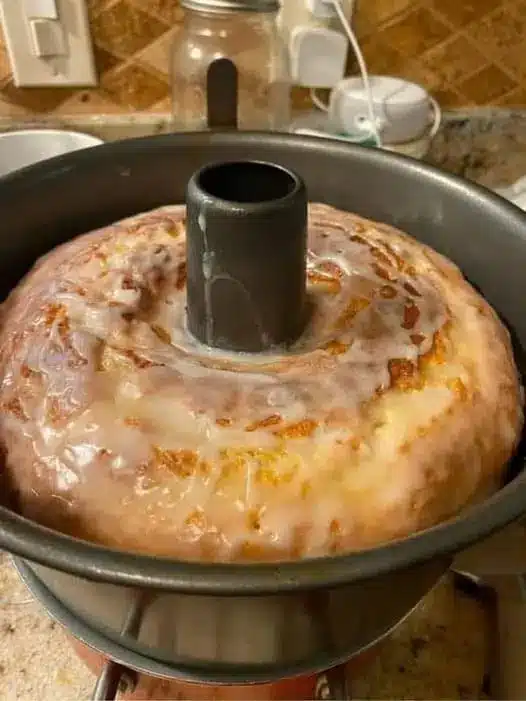
Allow the cake to rest in the pan for exactly ten to fifteen minutes before inverting it onto a wire rack. Cooling it too long in the pan can cause it to stick, while inverting it too soon can cause it to break. Once the cake is completely cool, whisk together your powdered sugar, vanilla, and milk. Pour the homemade vanilla glaze slowly over the top, letting it naturally cascade down the ridges for that iconic bakery-style look.
Pro Tips for Success
- Tip: Always use room-temperature ingredients. Butter, eggs, and sour cream should all be at the same temperature to ensure the batter emulsifies perfectly without breaking.
- Tip: Don’t skimp on the creaming time. Five minutes may feel like a long time, but that mechanical aeration is the only thing providing lift to this dense cake.
- Tip: Prep your pan thoroughly. Even “non-stick” bundt pans benefit from a coating of baking spray that contains flour or a traditional butter-and-flour dusting to ensure a clean release.
- Tip: Measure your flour correctly. Using a kitchen scale is the most accurate way to ensure you don’t accidentally add too much flour, which leads to a dry cake.
- Tip: Watch the oven, not the clock. Every oven runs differently, so start checking for doneness about ten minutes before the suggested baking time is up.
Troubleshooting Common Problems
Why Did My Cake Stick to the Pan?
This is usually caused by either inadequate greasing or leaving the cake in the pan too long. If the cake cools completely in the pan, the sugars can “glue” the crust to the metal. Try to invert the cake while it is still warm to the touch. If it’s stuck, you can briefly place the bottom of the pan in hot water to loosen the fats before trying again.
Why Is There a Dense Layer at the Bottom?
A “sad streak” or dense layer at the bottom of the cake often happens if the butter and sugar weren’t creamed enough, or if the eggs were added too quickly. It can also occur if your ingredients were too cold, preventing a proper emulsion. Ensure everything is room temperature and give the creaming process the time it deserves.
Why Is the Top Cracked and Hard?
A large crack on the top (which becomes the bottom when inverted) is actually a hallmark of a traditional easy pound cake from scratch. Because the batter is so dense, the outside sets before the inside finishes rising, forcing the steam to escape through the center. A hard crust is usually a sign of high sugar content caramelizing, which most pound cake lovers consider the best part!
How to Serve This Recipe
This cake is incredibly versatile and can be dressed up or down depending on the event. For a casual afternoon, a simple thick slice served alongside a hot cup of coffee or Earl Grey tea is perfection. The homemade vanilla glaze provides enough sweetness that you don’t necessarily need extra toppings, but a few additions can elevate the experience.
If you are serving this for a dinner party, consider macerating fresh strawberries or peaches in a little sugar and lemon juice. Spoon the fruit and its juices over a slice and finish with a dollop of unsweetened whipped cream. The acidity of the fruit cuts through the buttery richness of the moist bundt cake beautifully. For a decadent twist, you can even lightly toast a slice of day-old cake in a pan with a little butter and serve it warm with a scoop of vanilla bean ice cream.
Storage and Make-Ahead
Storing Leftovers
Because of the high fat content from the butter and sour cream, this cake stays moist longer than most. Store leftovers in an airtight container or under a cake dome at room temperature for up to three days. If your kitchen is particularly warm, you can store it in the refrigerator for up to a week, though you should let individual slices sit at room temperature for 20 minutes before eating to soften the butter.
Freezing Instructions
Pound cake freezes exceptionally well. You can freeze the entire cake (preferably without the glaze) or individual slices. Wrap the cake tightly in plastic wrap, followed by a layer of aluminum foil. It will stay fresh in the freezer for up to three months. Thaw overnight in the refrigerator or at room temperature before serving.
Making It Ahead
This is a fantastic make-ahead dessert because the flavor actually deepens and the texture settles 24 hours after baking. If you are preparing it for an event, bake it the day before, store it at room temperature, and apply the glaze a few hours before serving for the freshest look.
Final Thoughts
There is a reason the best glazed pound cake recipe remains a staple in American baking. It represents the intersection of simplicity and luxury, proving that a few basic ingredients can create something truly extraordinary when handled with care. By focusing on the texture of your velvety crumb and the quality of your butter, you’ll produce a cake that feels like a celebrated family heirloom. It’s a reliable, comforting, and deeply delicious treat that deserves a permanent spot in your recipe box. Enjoy the process of baking it as much as the first buttery bite!
Frequently Asked Questions
Can I use a loaf pan instead of a bundt pan?
Yes, you can certainly bake this batter in loaf pans. Depending on the size of your pans, this recipe will likely fill two standard 9×5-inch loaf pans. Keep in mind that the baking time will change; loaf pans typically bake faster than a large bundt, so start checking for doneness around the 45-minute mark. The result will still have that iconic moist bundt cake texture, just in a different shape.
Why did my glaze disappear into the cake?
If the glaze seems to soak in rather than sitting on top, the cake was likely still too warm when you applied it. For a thick, opaque finish, wait until the cake is completely cool to the touch. If you prefer a “soak” where the glaze adds extra moisture to the interior, you can apply a thinner version of the glaze while the cake is still slightly warm.
Can I substitute Greek yogurt for the sour cream?
Absolutely. Full-fat plain Greek yogurt is an excellent 1:1 substitute for sour cream in this best glazed pound cake recipe. It provides the same acidity and moisture needed for a tender crumb. Avoid using non-fat or flavored yogurts, as they lack the necessary fat content and can alter the traditional flavor and structure of the cake.
How do I know if I’ve overmixed the batter?
Overmixing usually manifests after the cake is baked. If your pound cake is tough, has large tunnels or holes inside, or develops a very thick, rubbery “skin” on the outside, you likely mixed the flour in for too long. To prevent this, always use the lowest speed on your mixer when adding the dry ingredients and stop as soon as the flour is incorporated.
Is it better to use salted or unsalted butter?
Most bakers prefer unsalted butter because it allows for total control over the salt content. Different brands of salted butter have varying amounts of salt, which can make your easy pound cake from scratch taste inconsistent. If you only have salted butter on hand, simply omit the additional salt called for in the recipe to keep the flavors balanced.
Classic Glazed Pound Cake

This classic Glazed Pound Cake is incredibly moist, buttery, and has a fine crumb. Topped with a simple yet elegant vanilla glaze, it's a timeless dessert that's perfect for any occasion.
- 1 cup unsalted butter, softened
- 1 1/2 cups granulated sugar
- 3 large eggs, room temperature
- 1 teaspoon vanilla extract
- 1 1/2 cups all-purpose flour
- 1/2 teaspoon baking powder
- 1/4 teaspoon salt
- 1/2 cup whole milk
- For the Glaze:
- 1 cup powdered sugar
- 2 tablespoons whole milk
- 1/2 teaspoon vanilla extract
- 1Preheat your oven to 325°F (165°C) and grease a 9x5 inch loaf pan.
- 2In a large bowl, cream together the softened butter and granulated sugar until light and fluffy.
- 3Add the eggs one at a time, beating well after each addition. Stir in the vanilla extract.
- 4In a separate bowl, whisk together the flour, baking powder, and salt.
- 5Gradually add the dry ingredients to the butter mixture, alternating with the milk, beginning and ending with the flour.
- 6Pour the batter into the prepared loaf pan and bake for 60 to 70 minutes, or until a toothpick inserted into the center comes out clean.
- 7Allow the cake to cool in the pan for 10 minutes, then transfer to a wire rack to cool completely.
- 8Whisk together the powdered sugar, milk, and vanilla for the glaze. Drizzle over the cooled cake before serving.
Keywords: pound cake, dessert, baking, glazed cake, vanilla, classic cake


