
Patty Melt Sandwiches

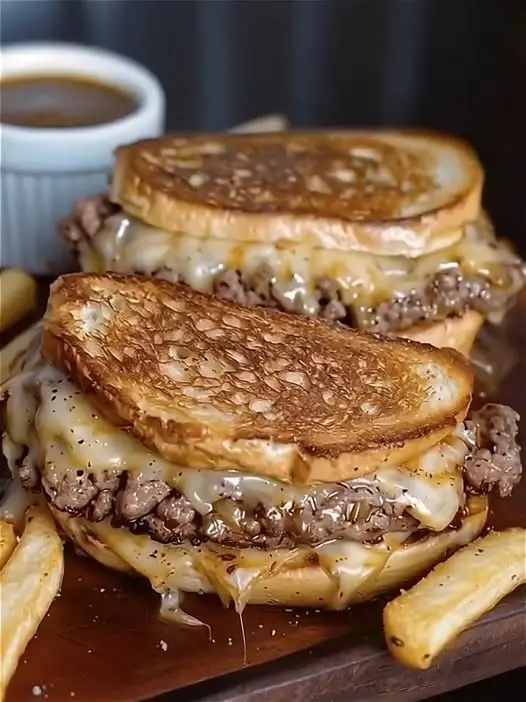
The patty melt exists in that glorious, buttery intersection between a juicy cheeseburger and a crispy grilled cheese sandwich. While many burgers rely on towers of lettuce and tomato to provide contrast, the best patty melt sandwich recipe leans into the deep, savory satisfaction of griddled rye bread, jammy onions, and molten Swiss cheese. It is a classic comfort food staple that feels just as at home on a chipped diner counter as it does on your own dinner table, providing a rich, melt-in-your-mouth experience that modern gourmet burgers often struggle to replicate.
Mastering this sandwich at home is surprisingly straightforward, yet it requires a bit of patience to get those onions exactly right. By focusing on high-quality beef and the perfect bread-to-filling ratio, you can elevate this humble diner style patty melt into something truly extraordinary. This guide will walk you through the nuances of the griddled sandwich, ensuring every bite is balanced, golden-brown, and incredibly savory.
Why You’ll Love This Recipe
- Iconic Flavor Profile: The combination of nutty Swiss cheese, sweet onions, and caraway-scented rye bread creates a complex taste that hits every savory note.
- Superior Texture: Unlike a soft burger bun, the rye bread is griddled in butter until it develops a shatteringly crisp exterior that protects the juicy ground beef inside.
- Simple Ingredients: You do not need exotic pantry items to make the best patty melt sandwich recipe; it relies on basic staples used with proper technique.
- Customizable Comfort: While the classic version is hard to beat, this recipe serves as a perfect canvas for different cheeses, breads, or secret sauces to suit your mood.
Ingredients You’ll Need
The success of a great patty melt depends heavily on the harmony between its few components. Since there are no fresh vegetables like lettuce to hide behind, every ingredient must be selected for its ability to stand up to the heat of the skillet and the richness of the beef.
- Ground Beef: For the most flavorful results, use an 80/20 lean-to-fat ratio. This ensures the patty remains moist during the high-heat sear and provides enough rendered fat to flavor the entire sandwich.
- Yellow Onions: These are the workhorses of the best patty melt sandwich recipe. When cooked slowly, their natural sugars break down into a sweet, mahogany-colored jam that cuts through the richness of the cheese.
- Rye Bread: Whether you choose marbled, seeded, or plain, rye is essential for its structural integrity. It is sturdy enough to be pressed and griddled without becoming soggy.
- Swiss Cheese: This cheese is the traditional choice for a reason; it has a mild, nutty flavor and a superior meltability that binds the beef and onions to the bread.
- Unsalted Butter: Using unsalted butter allows you to control the seasoning perfectly while achieving that signature golden-brown, diner-style crust on the bread.
- Worcestershire Sauce: A small splash added to the beef or onions provides an umami boost that deepens the overall savory profile of the dish.
Variations and Smart Swaps
- The Bread Swap: If rye isn’t your favorite, a thick-cut sourdough or a sturdy Texas toast can work beautifully, though you will lose that traditional caraway spice note.
- Cheese Alternatives: While Swiss is king, a sharp white cheddar or even a creamy provolone can offer a different flavor profile while maintaining excellent melting characteristics.
- Spicy Kick: Incorporate some pickled jalapeños into the onion mixture or use pepper jack cheese to transform this classic comfort food into something with a bit of heat.
- Saucy Addition: Many people enjoy a “frisco” style melt, which involves adding a swipe of Thousand Island dressing or a tangy dijonnaise to the interior of the bread before griddling.
How to Make the Best Patty Melt Sandwich Recipe
Step 1: Caramelize the Onions to Perfection
The first and most important step is preparing the caramelized onions. Thinly slice your yellow onions and cook them in a skillet with a knob of butter over medium-low heat. The goal here is patience; you want them to soften and turn a deep, golden brown without burning. This process usually takes about 20 to 30 minutes. If the pan looks too dry or the onions start to scorch, add a teaspoon of water to deglaze the surface. Once they are jammy and sweet, set them aside.
Step 2: Shape and Season the Beef Patties
Divide your juicy ground beef into portions that match the shape of your bread. Since rye bread is usually oval, shape your patties into thin, elongated ovals rather than perfect circles. Make the patties slightly larger than the bread, as they will shrink during cooking. Season both sides generously with salt and black pepper. A thin patty is traditional for a patty melt, as it allows for a quick sear and ensures the sandwich isn’t too tall to eat comfortably.
Step 3: Sear the Beef Patties
Wipe out your skillet and turn the heat up to medium-high. Place the patties in the hot pan and sear them until a dark, flavorful crust forms on the bottom, usually about 3 to 4 minutes. Flip the patties and cook for another 2 to 3 minutes until they reach your desired level of doneness. Remove the patties from the pan and place them on a plate. This is a good time to drain any excess grease from the skillet, though leaving a little bit behind adds flavor to the bread.
Step 4: Assemble the Sandwich Layers
Butter one side of each slice of rye bread. Place two slices of bread, butter-side down, into the skillet or onto a griddle. Immediately top each slice with a piece of Swiss cheese. Place the cooked beef patty on one side, followed by a generous heap of the caramelized onions. Add another slice of cheese over the onions—this “double cheese” method acts as a glue, holding the fillings securely between the bread slices.
Step 5: Griddle Until Golden and Melty
Close the sandwich with the second slice of bread, ensuring the buttered side is facing up. Griddle the sandwich over medium heat, pressing down occasionally with a spatula to encourage even browning and cheese melting. Once the bottom is golden brown and crispy, carefully flip the sandwich. Continue cooking until both sides are toasted to perfection and the cheese is completely molten. The best patty melt sandwich recipe should have a distinct “crunch” when you tap the bread with a knife.
Pro Tips for Success
- Tip: Always use room-temperature cheese. Cold cheese takes longer to melt, which might lead to the bread burning before the center of the sandwich is hot.
- Tip: Don’t rush the onions. High heat will make them bitter; low and slow heat is the secret to that sweet, diner style patty melt flavor.
- Tip: Match the patty shape to the bread. Ensuring the beef reaches the edges of the rye bread means you get a bit of everything in every single bite.
- Tip: Use a heavy press or another skillet to weigh down the sandwich while griddling. This creates better contact with the heat and a more uniform crust.
- Tip: Let the meat rest for just a minute after searing before assembling. This prevents the juices from immediately soaking into the bread and making it soggy.
Troubleshooting Common Problems
Why Is My Bread Soggy?
Soggy bread is usually the result of two things: too much moisture in the onions or using too much butter on the exterior. Make sure your onions are cooked down until they are jammy and not watery. Additionally, ensure your skillet is hot enough when you start griddling; if the pan is too cold, the bread will absorb the butter rather than crisping up in it.
Why Isn’t My Cheese Melting?
If your bread is perfect but the cheese is still solid, your heat is likely too high. High heat toasts the bread too quickly. Switch to medium or medium-low heat and cover the pan with a lid for 30 seconds. The trapped steam will help melt the Swiss cheese without scorching the rye bread.
How to Serve Your Patty Melt
The best patty melt sandwich recipe is a heavy, satisfying meal that pairs best with sides that offer a bit of acidity or crunch. Traditional diner service usually involves a pile of crispy golden fries and a large deli-style pickle spear. The vinegar from the pickle is a necessary palate cleanser against the rich, buttery sandwich.
Garnishes and Sides
A simple cabbage slaw with a vinegar-based dressing is an excellent side dish to cut through the fat of the juicy ground beef. If you want to lean into the comfort food theme, a cup of creamy tomato soup makes for a fantastic pairing, allowing you to dip the corners of the toasted rye into the soup. For garnishes, a side of extra caramelized onions or a small ramekin of spicy brown mustard can add an extra layer of zing to the plate.
Storage and Make-Ahead
Storing Leftovers
A patty melt is best enjoyed immediately after it leaves the griddle. However, if you have leftovers, store them in an airtight container in the refrigerator for up to two days. Keep in mind that the bread will lose its crispness once refrigerated.
Reheating
To revive a leftover griddled sandwich, avoid the microwave. Instead, reheat it in a dry skillet over medium-low heat, flipping once, until the bread crisps up again and the cheese is melted. You can also use an air fryer at 350°F for 3-5 minutes for excellent results.
Making It Ahead
The best way to save time is to prepare the caramelized onions in advance. They can be stored in the fridge for up to five days or even frozen. You can also portion out your beef patties and keep them refrigerated so that assembly takes only a few minutes when you are ready to eat.
Final Thoughts
There is something deeply nostalgic about a well-executed patty melt. It doesn’t rely on trends or flashy ingredients; it relies on the honest transformation of beef, onions, and bread through the power of a hot skillet. When you take the time to follow the best patty melt sandwich recipe, you aren’t just making a quick lunch—you are crafting a classic comfort food masterpiece. Whether it’s a weekend treat or a mid-week craving, this sandwich never fails to deliver that warm, satisfying diner experience right in your own kitchen.
Frequently Asked Questions
What is the difference between a burger and a patty melt?
The primary difference lies in the bread and the toppings. A burger is served on a soft bun and often includes raw vegetables like lettuce, tomato, and onion. A patty melt is always served on sliced bread (traditionally rye), is toasted on a griddle like a grilled cheese, and almost exclusively features caramelized onions and melted cheese without any raw toppings.
Can I make this recipe without rye bread?
While rye is the standard for the best patty melt sandwich recipe due to its flavor and sturdiness, you can substitute it with sourdough or thick-cut white bread. Just be aware that the sandwich will have a milder flavor and may not have the same iconic “crunch” as a version made with rye.
How do I stop the patty from shrinking too much?
Beef naturally shrinks as the fat renders and the proteins tighten. To combat this, shape your patties about half an inch wider than the bread slices on all sides. You can also press a small indentation into the center of the raw patty with your thumb, which helps it stay flat rather than puffing up into a ball during cooking.
What is the best sauce to serve with a patty melt?
While many purists say no sauce is needed, a side of Thousand Island dressing, creamy horseradish sauce, or even a simple mixture of mayo and yellow mustard are popular choices. The tangy notes in these sauces complement the juicy ground beef and sweet onions perfectly.
Is it better to use butter or mayo on the outside of the bread?
This is a debated topic in the world of the griddled sandwich! Butter provides that classic dairy flavor and a beautiful golden hue. Mayo, however, has a higher smoke point and can create an even crispier, more consistent crust. For the most traditional flavor, butter is usually the winner, but mayo is a fantastic professional secret for extra crunch.
Classic American Patty Melt Sandwiches

The ultimate diner classic: juicy beef patties, sweet caramelized onions, and melted Swiss cheese, all pressed between buttery slices of toasted rye bread.
- 1 lb lean ground beef
- 1 large yellow onion, thinly sliced
- 2 tablespoons unsalted butter, plus more for spreading
- 8 slices marble rye bread
- 8 slices Swiss cheese
- 1 tablespoon olive oil
- Salt and freshly ground black pepper to taste
- 1In a large skillet, heat olive oil and 1 tablespoon of butter over medium-low heat. Add onions and cook, stirring occasionally, for 20-25 minutes until deep golden brown. Set aside.
- 2Form ground beef into 4 oval patties to match the shape of the rye bread. Season both sides with salt and pepper.
- 3In the same skillet over medium-high heat, sear the patties for 3-4 minutes per side until fully cooked. Remove and set aside.
- 4Wipe the skillet clean. Butter one side of each slice of bread.
- 5Place 4 slices, butter-side down, in the skillet. Top with one slice of cheese, a beef patty, caramelized onions, another slice of cheese, and the remaining bread slices (butter-side up).
- 6Cook over medium heat for 3 minutes per side until the bread is golden and the cheese is melted.
Keywords: patty melt, beef sandwich, caramelized onions, diner food, rye bread


