
How to Fade a Skin Mole Naturally (Safely and Gently)

Exploring how to fade moles naturally is a frequent topic for those who favor a holistic approach to their skincare routine. While most moles are harmless clusters of pigmented cells, many people find them to be a cosmetic nuisance and look for ways to lighten their appearance without opting for surgical excision. The appeal of using pantry staples and botanical extracts lies in their accessibility and the gentle nature of the ingredients, which often feel less intimidating than clinical procedures. Understanding the biology of your skin and the limitations of home remedies for skin is the first step toward achieving a clearer, more even-toned complexion safely.
Before beginning any topical application, it is essential to focus on safety and realistic expectations. This guide explores the most popular natural approaches while emphasizing the importance of maintaining a holistic skincare routine that prioritizes long-term skin integrity over quick fixes.
Why Understanding Your Skin Matters
- Identifying Mole Types: Recognizing the difference between a common mole, a freckle, and a skin tag helps you choose the right topical support for your specific needs.
- Prioritizing Safety: Understanding that natural skin lightening agents can still be potent prevents accidental irritation or chemical burns from over-application.
- Monitoring Changes: Keeping a close eye on the shape, color, and size of your spots is a fundamental part of healthy skin maintenance and preventative care.
- Holistic Balance: Natural fading methods work best when supported by internal hydration and nutrient-dense foods that promote cell turnover and repair.
Commonly Used Natural Ingredients for Skin Fading
Many traditional practices involve using acidic or enzyme-rich ingredients to slowly break down the surface pigment of a mole. While these home remedies for skin are widely discussed in wellness circles, they require patience and a gentle hand to ensure the surrounding skin remains healthy and hydrated during the process.
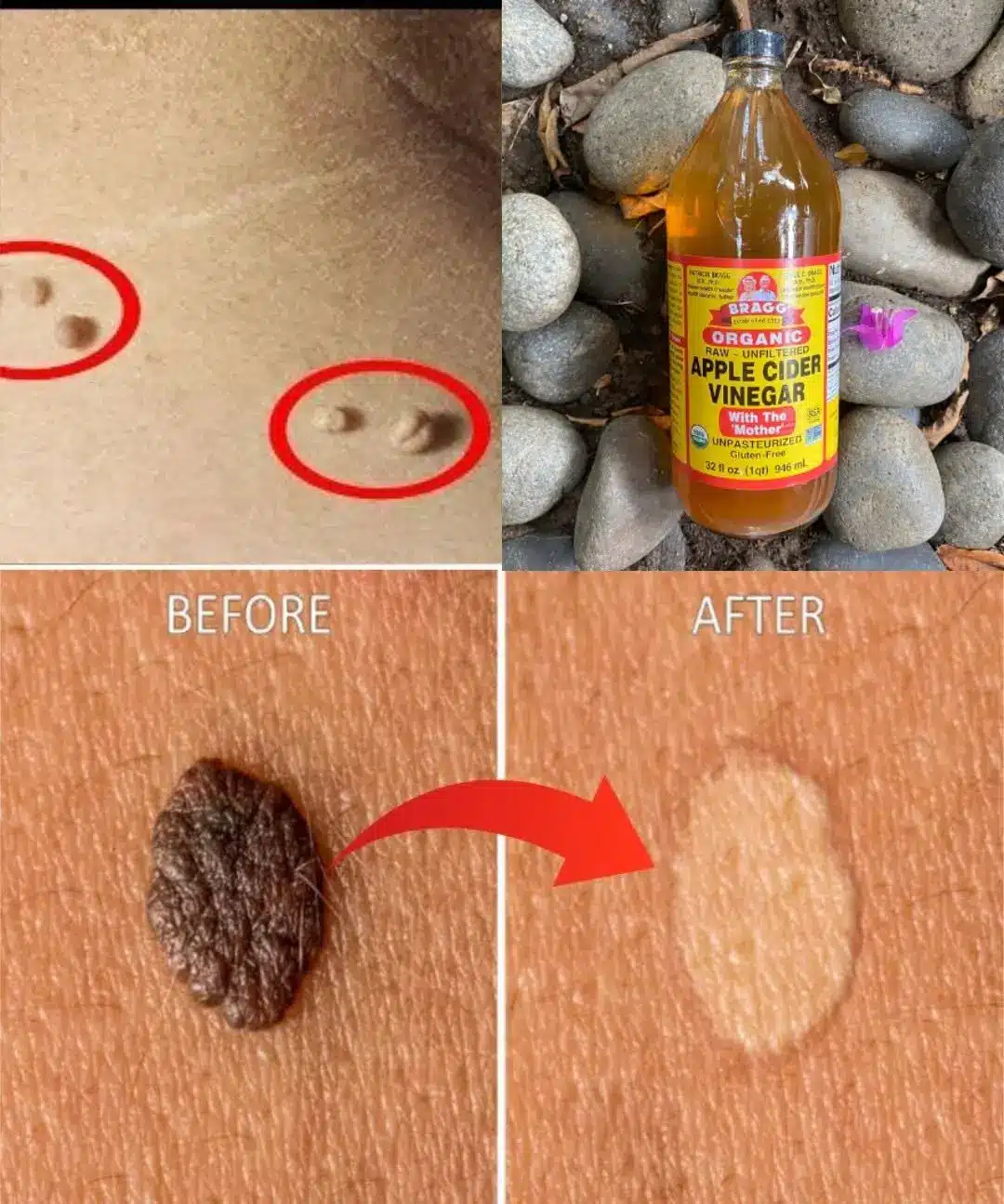
- Apple Cider Vinegar: Known for its acetic acid content, this common kitchen staple is often used as a mild chemical exfoliant to target surface pigmentation over several weeks.
- Castor Oil and Baking Soda: This traditional duo forms a paste that is believed to gradually “dissolve” or soften the texture of certain raised skin spots through consistent, overnight application.
- Fresh Garlic: Containing sulfur compounds and enzymes, garlic is a potent option often cited in folk medicine for its ability to target the root of the pigment, though it requires careful masking of the surrounding skin.
- Aloe Vera: Unlike acidic options, aloe is used to soothe the skin and provide deep hydration, which may help improve the overall appearance and texture of the skin around a mole.
- Lemon Juice: As a natural source of citric acid and vitamin C, lemon juice acts as a brightening agent that can be dabbed onto spots to encourage a lighter appearance over time.
Practical Ways to Approach Natural Fading
When you decide to look into how to fade moles naturally, consistency is more important than intensity. Most botanical ingredients take several weeks, if not months, to show a visible difference because they work with the skin’s natural 28-day shedding cycle. It is often helpful to start with the mildest ingredient, such as aloe vera or diluted lemon juice, to see how your skin reacts before moving to more concentrated substances like vinegar or garlic.
Always perform a patch test on your inner forearm before applying any concentrated ingredient to a mole on your face or neck. If you experience significant redness, itching, or stinging, it is a sign that the ingredient is too harsh for your skin type. Incorporating these treatments into a broader holistic skincare routine—one that includes plenty of sun protection—is vital, as newly treated skin is often more sensitive to UV damage, which can actually darken the pigment you are trying to fade.
Important Cautions and Limitations
It is crucial to remember that how to fade moles naturally is a cosmetic goal, not a medical treatment. One of the biggest risks of attempting to fade a mole at home is the potential to mask changes in a spot that might actually be a sign of something more serious. If a mole is crusting, bleeding, or has irregular borders, you should never attempt to treat it at home. These can be signs of atypical cells that require professional intervention.
Furthermore, some natural ingredients are highly caustic. Applying undiluted apple cider vinegar or crushed garlic and covering it with a bandage for too long can lead to scarring or localized skin damage. The goal should always be to support the skin’s health, rather than forcing a change through irritation. If your goal is significant removal rather than subtle fading, consulting dermatologist-approved methods is often the safest and most effective route.
Final Thoughts
Learning how to fade moles naturally requires a balance of curiosity and caution. By using gentle ingredients like aloe, diluted acids, or oils, you can often see a subtle improvement in your skin’s clarity over time. However, these methods are not a substitute for clinical care. Always prioritize your safety by monitoring your skin for any unusual changes and maintaining a healthy lifestyle that supports your body’s largest organ. With patience and the right holistic skincare routine, you can enjoy a more radiant complexion while keeping your skin’s long-term health as the top priority.
Frequently Asked Questions
How long does it take to see results when fading a mole naturally?
Natural methods usually work very slowly because they rely on the skin’s natural exfoliation process. Most people report seeing a visible difference in 4 to 8 weeks of consistent daily application. However, results vary significantly depending on the depth of the pigment and the specific ingredient used. It is important not to rush the process by using more than recommended, as this can lead to skin irritation.
Is it safe to use apple cider vinegar on my face for moles?
Apple cider vinegar is highly acidic and can cause burns if used improperly on sensitive facial skin. If you choose to use it, always dilute it with water first and apply it only to the mole itself using a cotton swab. Avoid the healthy skin surrounding the spot. If you have sensitive skin or a history of reactions, it is best to choose a gentler alternative like aloe vera or a dermatologist consultation to discuss safer options.
Can natural remedies completely remove a mole?
In most cases, home remedies for skin are better at fading or lightening the appearance of a mole rather than removing it entirely. Moles often have roots that go deeper than the surface layers of the skin. While some people find that certain pastes cause a mole to eventually flake off, this is not guaranteed and can sometimes result in a scar that is more noticeable than the original mole.
When should I stop trying to fade a mole at home?
You should stop immediately if you notice any signs of inflammation, such as swelling, persistent redness, or pain. Additionally, if the mole begins to change in a suspicious way—such as developing jagged edges, becoming multicolored, or growing rapidly—you should seek a dermatologist consultation. Using dermatologist-approved methods ensures that any potentially dangerous skin changes are caught early and treated correctly.
Does sun exposure affect the fading process?
Yes, sun exposure is a major factor in skin pigmentation. If you are trying how to fade moles naturally, the sun can counteract your progress by triggering the production of more melanin. Always wear a high-quality, broad-spectrum sunscreen over the area you are treating. Protecting the skin from UV rays is a core part of any successful holistic skincare routine and prevents the spot from darkening further.
How to Fade a Skin Mole Naturally (Safely and Gently)

A gentle and natural method to fade skin moles using simple ingredients from your pantry. This safe approach focuses on gradual lightening through consistent application of apple cider vinegar. Always ensure your mole has been evaluated by a dermatologist prior to trying home remedies.
- 1 tsp Organic Apple Cider Vinegar
- 1 piece Sterile Cotton Ball
- 1 strip Medical Grade Adhesive Tape
- 1/2 tsp Cold-Pressed Coconut Oil
- 1Cleanse the Area: Gently wash the skin surrounding the mole with warm water and a mild soap, then pat completely dry.
- 2Prepare the Solution: Saturate a small piece of the cotton ball with the organic apple cider vinegar until damp.
- 3Targeted Application: Place the vinegar-soaked cotton directly over the mole, ensuring it does not cover too much healthy surrounding skin.
- 4Secure the Patch: Use the medical tape to fix the cotton ball in place. Leave it on for 4 to 8 hours or overnight.
- 5Neutralize and Hydrate: Remove the bandage, rinse with water, and apply coconut oil to the area to prevent any irritation or dryness.
Keywords: mole removal, natural skin care, apple cider vinegar, mole fading, home remedies


