
Fail-Proof Egg Custard

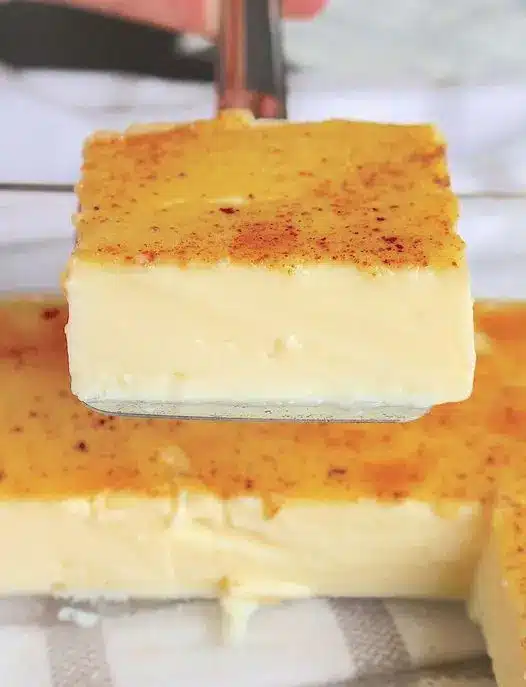
There is something deeply comforting about a classic, silky-smooth custard that takes you right back to childhood. Unlike complex pastries or fussy cakes, this easy foolproof egg custard recipe focuses on the beauty of simplicity, combining humble pantry staples into a dessert that is elegant enough for a dinner party but humble enough for a Tuesday night at home. The magic lies in the texture—a delicate, trembling set that melts on the tongue with just the right amount of sweetness and a hint of warm spice.
Mastering this dish is a rite of passage for any home baker, but many are intimidated by the prospect of curdled eggs or a watery finish. This old fashioned egg custard relies on a few key techniques, like gentle tempering and a steady water bath, to ensure a flawless result every time. Whether you prefer it served warm from the oven on a chilly evening or chilled until firm for a refreshing summer treat, this recipe provides a silky smooth dessert experience that never goes out of style.
Why You’ll Love This Recipe
- Minimal Ingredients: You likely already have everything you need in your kitchen—eggs, milk, sugar, and vanilla—making this the ultimate last-minute dessert.
- Perfect Texture: By using a gentle baking method, we achieve a velvety custard texture that is remarkably smooth without being heavy or overly dense.
- Versatile Serving Options: This custard can be baked in individual ramekins for elegant portion control or in one large dish for a family-style presentation.
- Naturally Gluten-Free: Since it relies on eggs for structure rather than flour or cornstarch, it is an excellent option for those with dietary restrictions.
Ingredients You’ll Need
Because this recipe has so few components, the quality and role of each ingredient are paramount to achieving that easy foolproof egg custard recipe success we’re aiming for.
- Large Eggs: These provide the essential protein structure. They are what allow the liquid milk to transform into a soft, sliceable solid during the baking process.
- Whole Milk: For the richest flavor and best mouthfeel, whole milk is highly recommended. The fat content helps stabilize the proteins in the eggs, leading to a smoother set.
- Granulated Sugar: This provides just enough sweetness to complement the dairy without overpowering the delicate flavor of the eggs and vanilla.
- Pure Vanilla Extract: A high-quality vanilla is the primary flavor profile here. It masks any “eggy” scent and adds a floral, sweet aroma.
- Ground Nutmeg: This is the signature finishing touch. A light dusting on top before baking creates a classic aesthetic and a warm, woody flavor that defines baked custard pudding.
- Pinch of Salt: A tiny bit of salt acts as a flavor enhancer, making the sweetness of the sugar and the richness of the milk pop.
Variations and Smart Swaps
Dairy-Free Alternative: If you need to avoid cow’s milk, full-fat canned coconut milk is an excellent substitute. It provides the necessary fat for a creamy set, though it will impart a distinct coconut flavor to the silky smooth dessert.
Infused Flavors: You can easily change the profile of this custard by steeping the milk with other aromatics. Try adding a cinnamon stick, a few cardamom pods, or even a bit of citrus zest to the milk while you warm it on the stove.
Honey or Maple Sweetener: For a more complex sweetness, you can swap the granulated sugar for honey or maple syrup. Keep in mind this will slightly darken the color of the custard and add its own unique floral or earthy notes.
Chocolate Custard: Whisk in a tablespoon of high-quality cocoa powder or melt a small amount of dark chocolate into the warm milk before tempering the eggs for a rich, cocoa-infused twist on the classic.
How to Make This Easy Foolproof Egg Custard Recipe
Step 1: Warm the Milk Gently
Start by heating your milk in a small saucepan over medium heat. You aren’t looking for a rolling boil; instead, wait until you see tiny bubbles forming around the edges of the pan and steam beginning to rise. Warming the milk serves two purposes: it helps dissolve the sugar more effectively and reduces the overall water bath baking time by starting the eggs at a higher temperature. Once warm, remove it from the heat immediately to avoid a film forming on top.
Step 2: Create the Egg Base
In a large mixing bowl, whisk together your eggs, sugar, vanilla extract, and a pinch of salt. The goal here is to combine them thoroughly until the mixture is a uniform pale yellow color, but avoid whisking too vigorously. Over-whisking incorporates excess air bubbles, which can lead to a “foamy” top or tiny holes in your finished custard. A steady, gentle whisking motion is all you need for this easy foolproof egg custard recipe.
Step 3: Temper the Eggs
This is the most critical technical step in the entire process. Slowly pour a small amount of the warm milk into the egg mixture while whisking constantly. This gradually raises the temperature of the eggs without cooking them. If you pour all the hot milk in at once, you risk “scrambling” the eggs. Once about half the milk is incorporated, you can pour in the remaining liquid in a steady stream, continuing to whisk until the mixture is perfectly smooth and combined.
Step 4: Prepare the Water Bath
Place your ramekins or baking dish inside a larger roasting pan or high-sided cake pan. Pour the custard mixture into the vessels, filling them nearly to the top. Carefully pour hot (not boiling) water into the outer roasting pan until it reaches about halfway up the sides of the custard dishes. This water bath baking technique, also known as a bain-marie, provides a literal buffer of moisture and consistent heat, protecting the delicate egg proteins from the direct, harsh heat of the oven.
Step 5: Bake Until Just Set
Slide the entire setup into a preheated oven. Bake until the edges of the custard are firm and slightly puffed, but the very center still has a slight, gelatinous jiggle when you gently shake the pan. For individual ramekins, this usually takes about 35 to 45 minutes. If you are using one large dish, expect it to take closer to an hour. Remember that the custard will continue to firm up as it cools, so pulling it out while it still has that “jiggle” is the secret to a silky smooth dessert.
Pro Tips for the Best Results
Tip: Strain the Mixture. For the absolute smoothest results, pour your custard base through a fine-mesh sieve before filling your ramekins. This catches any tiny bits of egg white that didn’t fully incorporate or any bubbles that formed during whisking.
Tip: Use Room Temperature Eggs. Using eggs that aren’t straight from the fridge allows them to emulsify more easily with the warm milk, resulting in a more consistent texture throughout the dish.
Tip: Don’t Skip the Water Bath. It might feel like an extra step, but the water bath is what keeps the custard from curdling or becoming rubbery. Without it, the outside will overcook before the inside is set.
Tip: Use Hot Water for the Bath. When filling your roasting pan, use very hot tap water or water that has just simmered. If you use cold water, the oven has to work twice as hard to heat up that water before the custard even begins to bake.
Troubleshooting Common Problems
Why is my custard watery?
A watery custard is usually the result of underbaking. If the egg proteins haven’t been heated enough to form a solid structure, they won’t hold the milk in place. Ensure you bake until the edges are set and let the custard rest for at least 15-20 minutes after removing it from the oven to finish “setting.”
Why are there bubbles or holes in my custard?
This typically happens if the oven temperature was too high or if the custard was overbaked. When the eggs get too hot too fast, they expand and then collapse, leaving behind small air pockets. To fix this, double-check your oven temperature with a thermometer and ensure your water bath is filled to the correct height.
Why does my custard taste like scrambled eggs?
This is caused by “cooking” the eggs too quickly, either during the tempering process or by overbaking. Ensure you add the warm milk very slowly to the eggs. If the custard smells strongly of eggs, it might be slightly overdone; try reducing the bake time by 5 minutes in your next attempt.
How to Serve Your Custard
The beauty of this easy foolproof egg custard recipe is how well it adapts to different temperatures. Serving it warm provides a soft, pudding-like experience that is incredibly comforting. If you prefer a cleaner, more refined texture, chill the custard in the refrigerator for at least 4 hours. Once cold, it becomes firm enough to hold its shape perfectly on a spoon.
Garnishes and Toppings
While the classic dusting of nutmeg is traditional, you can dress up your baked custard pudding with fresh berries, a dollop of lightly sweetened whipped cream, or a drizzle of salted caramel. For a bit of crunch, consider a sprinkle of toasted almond slivers or a few crushed gingersnap cookies on top just before serving.
Storage and Make-Ahead
Storing Leftovers
Egg custard must be stored in the refrigerator. Once cooled to room temperature, cover the tops of the ramekins tightly with plastic wrap to prevent a skin from forming or the custard from absorbing other fridge odors. It will stay fresh and delicious for up to 3 to 4 days.
Making It Ahead
This is a fantastic make-ahead dessert because the flavor actually improves after a few hours in the fridge. You can bake these a day in advance, keep them chilled, and they will be perfectly set and ready to serve for your event. Note that this recipe does not freeze well, as the delicate egg and milk structure will break apart and become grainy upon thawing.
Final Thoughts
Mastering a silky smooth dessert like this doesn’t require a culinary degree—just a bit of patience and attention to detail. By following these steps for an easy foolproof egg custard recipe, you can create a timeless treat that brings a sense of warmth and nostalgia to your table. Whether you are baking for a holiday or just looking for a simple way to use up a few extra eggs, this custard is a reliable and delicious solution. Enjoy the process of tempering and the satisfaction of seeing that perfect “jiggle” as you pull your masterpieces out of the oven.
Frequently Asked Questions
Can I use skim milk for this custard?
While you can use skim or 1% milk, the resulting custard will be much thinner and less flavorful. The fat in whole milk is what gives this old fashioned egg custard its signature creamy mouthfeel. If you only have lower-fat milk on hand, consider adding a splash of heavy cream to the mix to boost the richness.
What size ramekins should I use?
Standard 6-ounce ramekins are ideal for this recipe. They allow for even heat distribution and provide a perfect single-serving portion. If you use larger or smaller vessels, you will need to adjust the baking time accordingly—smaller dishes will cook faster, while larger ones will need more time in the water bath baking environment.
How do I know for sure when the custard is done?
The “jiggle test” is the most reliable method. Gently tap the side of the ramekin; the edges should look set and stable, while the center about an inch wide should wobble slightly like Jell-O. If the entire surface ripples, it needs more time. If the center doesn’t move at all, it is likely overbaked.
Do I have to use nutmeg?
Nutmeg is the traditional spice for an easy foolproof egg custard recipe, but it isn’t mandatory. If you aren’t a fan of the flavor, you can leave it off entirely or substitute it with a light dusting of cinnamon or even some freshly scraped vanilla bean seeds for an extra boost of aromatics.
Can I make this recipe in a slow cooker?
Yes, you can actually use a slow cooker as a giant water bath. Place the ramekins inside, add hot water halfway up the sides, and cook on low for 2 to 3 hours. However, the oven method provides a slightly better “crust” on top and a more traditional baked custard pudding texture.
Fail-Proof Egg Custard

Experience the ultimate comfort with this fail-proof egg custard recipe. This classic dessert features a velvety smooth texture and a warm hint of nutmeg, baked to perfection in a gentle water bath for a guaranteed set every time.
- 2 cups whole milk
- 3 large eggs, lightly beaten
- 1/2 cup granulated sugar
- 1 teaspoon vanilla extract
- 1/4 teaspoon ground nutmeg
- 1/8 teaspoon salt
- 1Preheat your oven to 325°F (165°C) and arrange four to six 6-ounce ramekins in a large baking pan.
- 2In a medium saucepan, heat the milk over medium heat until tiny bubbles begin to form around the edges of the pan, but do not let it reach a full boil.
- 3In a large mixing bowl, whisk together the eggs, sugar, vanilla extract, and salt until well combined.
- 4Gradually pour the hot milk into the egg mixture in a slow, steady stream while whisking constantly to temper the eggs.
- 5Divide the custard mixture evenly among the prepared ramekins and sprinkle the tops lightly with ground nutmeg.
- 6Carefully pour hot water into the baking pan until the water reaches halfway up the sides of the ramekins.
- 7Bake for 30 to 40 minutes, or until the custard is set around the edges but still slightly jiggly in the center.
- 8Remove ramekins from the water bath and cool on a wire rack; serve warm or chilled.
Keywords: egg custard, baked custard, classic dessert, vanilla custard, easy custard recipe, traditional egg custard


