
Dates: a nutritious food for the colon, liver, and eye health

Dates have been a staple of Middle Eastern diets for thousands of years, but recently they have gained massive popularity in the United States as a versatile natural sweetener and nutritional powerhouse. Often referred to as “nature’s candy,” these chewy, caramel-like fruits offer a unique combination of intense sweetness and a surprisingly robust nutritional profile. Understanding the health benefits of eating dates can help you appreciate why these ancient fruits have become a favorite for athletes, busy parents, and health-conscious snackers alike.
Beyond their delicious taste, dates are packed with essential minerals, vitamins, and protective plant compounds. Unlike refined sugars that provide empty calories, dates offer a complex package of nutrients that support energy levels and overall well-being. Whether you are looking for a quick pre-workout boost or a way to satisfy a sweet tooth without reaching for processed candy, incorporating dates into your routine can be a game-changer for your daily nutrition.
Why You’ll Love Adding Dates to Your Diet
- Natural Energy Boost: Dates are high in natural sugars like glucose and fructose, providing an immediate yet sustained energy source that is perfect for mid-afternoon slumps.
- High Nutrient Density: These small fruits are incredibly nutrient-dense snacks, offering significant amounts of potassium, magnesium, and vitamin B6 in every serving.
- Satisfying Texture: With their soft, chewy consistency and rich flavor, dates provide a satisfying mouthfeel that rivals many gourmet desserts.
- Incredible Versatility: From smoothies and salads to energy balls and stews, dates can be used in both sweet and savory applications with ease.
The Key Nutritional Components of Dates
To truly understand the health benefits of eating dates, one must look at the specific compounds found within their wrinkled skins. Dates are a standout source of dietary fiber, which is crucial for maintaining a healthy digestive system. Most of the fiber in dates is insoluble, which helps add bulk to the stool and supports regular bowel movements, preventing the discomfort of constipation.
Furthermore, dates are exceptionally rich in antioxidants. Compared to similar fruits like figs and dried plums, dates contain a higher concentration of polyphenols, flavonoids, and carotenoids. These antioxidants play a vital role in protecting your cells from oxidative stress and reducing inflammation throughout the body. By neutralizing free radicals, the compounds in dates may support long-term heart health and brain function.
Notable Health Benefits of Eating Dates
One of the most researched health benefits of eating dates is their potential impact on brain health. Some studies suggest that the antioxidant properties in dates may help lower inflammatory markers in the brain, which is often associated with a reduced risk of neurodegenerative conditions. While more human studies are needed, the presence of specific flavonoids makes them a promising dietary addition for cognitive longevity.
Additionally, dates may support bone health. They contain several minerals, including phosphorus, potassium, calcium, and magnesium. These are all essential for maintaining bone density and preventing conditions like osteoporosis. While we often think of dairy as the primary source for bone support, plant-based sources like dates provide a helpful mineral boost to a balanced diet.
For those monitoring their heart health, the potassium content in dates is particularly beneficial. Potassium helps regulate blood pressure by lessening the effects of sodium and easing tension in your blood vessel walls. Since many Americans struggle to meet their daily potassium requirements, snacking on a few dates is a simple and tasty way to bridge that nutritional gap.
Practical Ways to Enjoy Dates Every Day
Integrating dates into your lifestyle doesn’t require a total kitchen overhaul. Because they are so sweet and sticky, they act as an excellent binder and natural sweetener in various recipes. You can easily swap out processed sugars in your morning oatmeal or yogurt by adding a few chopped Deglet Noor or Medjool dates.
If you need a quick snack, try stuffing a date with a teaspoon of almond or peanut butter and a sprinkle of sea salt. This combination of healthy fats, protein, and fiber creates a balanced snack that keeps you full for longer. Dates can also be blended with water to create a “date paste,” which can replace sugar in many baking recipes, providing moisture and a deep, molasses-like flavor to cookies and cakes.
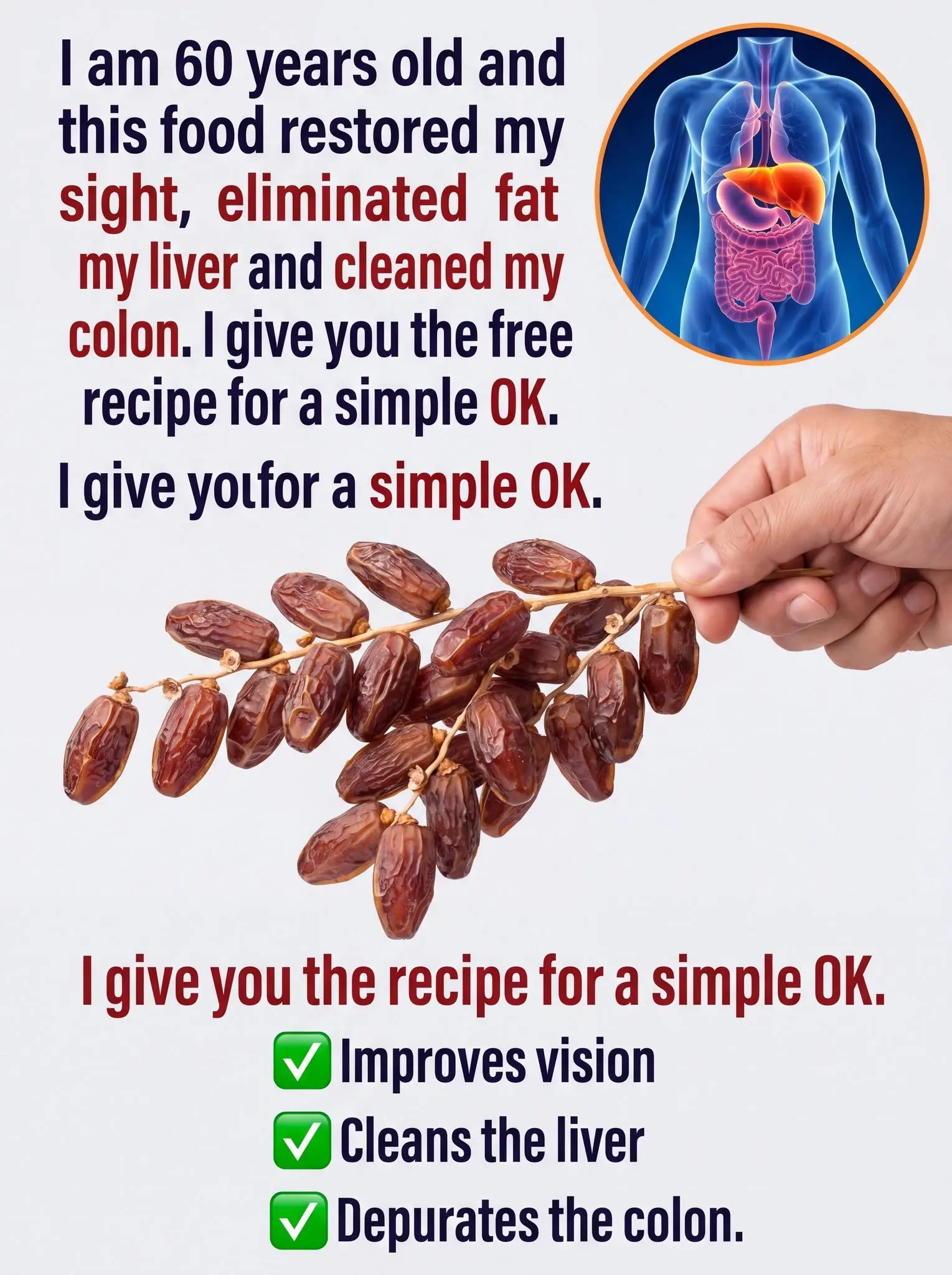
Important Considerations and Cautions
While the health benefits of eating dates are numerous, it is important to remember that they are calorie-dense. Because they are a dried fruit, the sugar and calories are concentrated. For most people, a serving of 2 to 3 dates per day is sufficient to reap the benefits without overconsuming calories. If you are focused on weight management, it is wise to be mindful of portion sizes.
Those managing diabetes should also approach dates with care. While they have a low-to-moderate glycemic index—meaning they don’t cause the same rapid spikes as refined sugar—they still contain a significant amount of carbohydrates. Blood sugar management is key, so it is often recommended to pair dates with a source of protein or fat, like walnuts or cheese, to further slow the absorption of sugar. Always consult with a healthcare professional or registered dietitian if you have specific concerns regarding your blood sugar levels.
Lastly, though rare, some individuals may have an allergy to dates or a sensitivity to the sulfites sometimes used in the drying process. If you experience itching, swelling, or digestive upset after eating dates, it is best to discontinue use and speak with a doctor. When shopping, look for organic or “no sulfur added” varieties to minimize the risk of sensitivity to additives.
Final Thoughts
Embracing the health benefits of eating dates is an easy and delicious way to upgrade your daily nutrition. These small fruits offer far more than just sweetness; they provide a wealth of fiber, antioxidants, and essential minerals that support everything from digestion to heart health. By using them as a natural sweetener or a quick energy-boosting snack, you can reduce your reliance on processed sugars while fueling your body with high-quality nutrients. Just remember to enjoy them in moderation as part of a varied, balanced diet to truly maximize their wellness potential.
Frequently Asked Questions
How many dates should I eat per day for the best health benefits?
For most healthy adults, eating 2 to 3 dates per day is a great way to enjoy the health benefits of eating dates without consuming excessive calories. This portion provides a solid amount of fiber and minerals. However, the ideal amount can vary based on your total caloric needs and activity levels. If you are very active, you might find that 4 or 5 dates provide the perfect energy boost for your workouts.
Are Medjool dates healthier than other varieties?
Medjool dates are often called the “king of dates” because they are larger, softer, and sweeter than varieties like Deglet Noor. Nutritionally, they are quite similar, though Medjool dates may have slightly more calcium. The main difference lies in the texture and flavor profile. Both varieties offer significant dietary fiber and antioxidants, so you can choose whichever type you prefer or find most accessible at your local grocery store.
Do dates really help with labor and pregnancy?
There is some clinical evidence suggesting that eating dates in the final weeks of pregnancy may support cervical ripening and reduce the need for induced labor. Some studies indicate that the health benefits of eating dates during this period include a shorter first stage of labor. If you are pregnant, it is always best to discuss this dietary addition with your obstetrician or midwife to ensure it is appropriate for your specific health profile.
Should I buy fresh or dried dates?
Most dates sold in U.S. grocery stores are technically “dried,” though they still contain some moisture and feel soft. Truly fresh dates are harvested and sold without being cured, but they are harder to find and have a much shorter shelf life. Both versions are nutrient-dense snacks, but dried dates are more concentrated in sugar and calories. Check the label to ensure no extra sugar or preservatives have been added during the packaging process.
How should I store dates to keep them fresh?
Because dates have a low moisture content, they stay fresh for a long time. You can store them in an airtight container at room temperature for about a month. For longer storage, keep them in the refrigerator, where they can last for up to six months, or freeze them for up to a year. Storing them in the fridge helps maintain their chewy texture and prevents them from becoming too dry or crystallized over time.
Baked Stuffed Dates with Goat Cheese

Nutritious Medjool dates baked with creamy goat cheese and honey. These dates provide essential nutrients for colon, liver, and eye health while offering a sweet and savory flavor profile.
- 12 large Medjool dates, pitted
- 4 oz goat cheese, softened
- 2 tbsp honey
- 1/4 cup crushed walnuts
- 1 tsp fresh rosemary, minced
- 1Preheat your oven to 350°F (175°C).
- 2Slice each date lengthwise and remove the pit.
- 3Fill each date with a teaspoon of goat cheese and place on a baking sheet.
- 4Bake for 8-10 minutes until the cheese is warm and dates are soft.
- 5Drizzle with honey and sprinkle with walnuts and rosemary before serving.
Keywords: dates, healthy snack, appetizer, medjool, baked dates


