
Common Mistakes That Make Eggs Unhealthy (senior health, common mistakes, for the elderly)

Eggs are often referred to as nature’s multivitamin, providing a compact source of high-quality nutrition that is particularly beneficial as we age. For many older adults, eggs represent an affordable, easy-to-prepare source of high-quality protein that supports muscle maintenance and cognitive health. However, despite their simplicity, there are several common egg mistakes for seniors that can diminish their nutritional value or, in some cases, pose unnecessary health risks. From storage habits to cooking techniques, small adjustments in how you handle this kitchen staple can make a significant difference in your daily wellness routine.
Understanding the nuances of egg preparation is about more than just culinary skill; it is about maximizing nutritional density while ensuring food safety. As our bodies change, our nutritional needs and sensitivities evolve, making it essential to revisit even the most basic kitchen habits. By identifying and correcting these frequent oversights, you can ensure that every omelet or poached egg provides the maximum benefit for your heart, brain, and bones. This guide explores the most common egg mistakes for seniors and offers practical, easy-to-follow solutions to help you get the most out of every shell.
Why Eggs Are Vital for Senior Nutrition
Before diving into the mistakes, it is helpful to understand why eggs deserve a prominent place on the plate of an older adult. Eggs are one of the few foods that contain a complete amino acid profile, which is essential for sarcopenia prevention—the natural loss of muscle mass that occurs with age. Beyond protein, eggs are rich in leucine, an amino acid that triggers muscle protein synthesis, making them a powerhouse for maintaining strength and mobility.
- Eye Health Support: Eggs contain lutein and zeaxanthin, two antioxidants that accumulate in the retina and may support vision by protecting against age-related macular degeneration.
- Cognitive Function: They are an excellent source of choline, a nutrient used by the body to produce acetylcholine, a neurotransmitter important for memory and mood regulation.
- Bone Density: Eggs are one of the few natural food sources of Vitamin D, which is critical for calcium absorption and maintaining strong bones.
- Weight Management: Because they are highly satiating, eggs can help seniors manage their weight by reducing the urge to snack on less nutrient-dense processed foods.
The Most Common Egg Mistakes for Seniors
Even seasoned home cooks can fall into habits that aren’t ideal for their current health goals. Addressing common egg mistakes for seniors often involves unlearning old kitchen myths and adopting modern food safety standards. Here are the most frequent errors and how to fix them.
Mistake 1: Avoiding the Yolks Entirely
For decades, many people were told to avoid egg yolks due to concerns about cholesterol. However, for most healthy older adults, the dietary cholesterol in eggs has a minimal impact on blood cholesterol levels compared to trans fats and saturated fats. By skipping the yolk, you lose out on nearly all the Vitamin D, choline, and antioxidants the egg has to offer. Unless specifically directed by a physician for a medical condition, enjoying the whole egg is generally recommended to capture its full nutritional density.
Mistake 2: Undercooking the Whites or Yolks
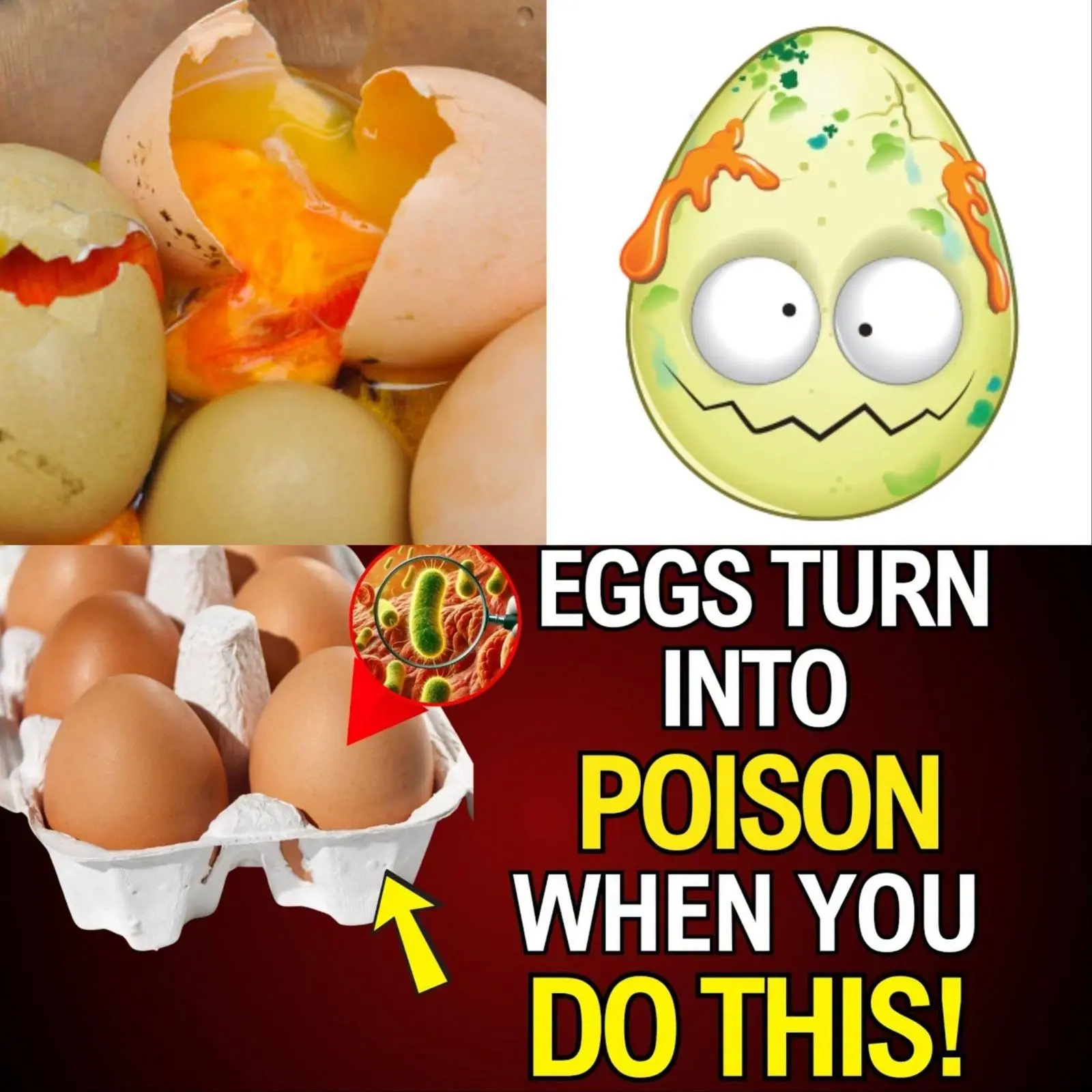
While “sunny side up” or soft-poached eggs are popular, egg safety for elderly individuals is a priority because the immune system can become less robust with age. Consuming raw or undercooked eggs increases the risk of Salmonella, which can lead to severe food poisoning. For seniors, it is generally safer to cook eggs until the yolks and whites are firm. If you prefer a runny yolk, consider purchasing pasteurized eggs, which have been heated to a temperature that kills bacteria without cooking the egg itself.
Mistake 3: Improper Storage and Handling
Eggs should always be stored in the main body of the refrigerator rather than the door. The temperature in the refrigerator door fluctuates every time it is opened, which can cause the egg to age faster or encourage bacterial growth. Additionally, many people wash their eggs before storing them, which is a mistake. Commercial eggs in the U.S. have a protective coating that prevents bacteria from entering the porous shell; washing them removes this shield.
Mistake 4: Overlooking the Importance of Freshness
As we age, our sense of smell and taste may slightly decline, making it harder to detect if an egg has gone off. Always check the “sell-by” or “best-by” date on the carton. A quick way to test for freshness at home is the “float test”: place an egg in a bowl of water. If it sinks to the bottom and stays flat on its side, it is very fresh. If it stands upright on the bottom, it is older but still safe to eat. If it floats to the surface, it should be discarded.
Mistake 5: Adding Excessive Saturated Fats
Eggs are incredibly healthy on their own, but they are often prepared with large amounts of butter, heavy cream, or bacon grease. For those focusing on dietary cholesterol management and heart health, these additions can counteract the benefits of the eggs. Opt for heart-healthy fats like olive oil or avocado oil, or use non-stick pans to reduce the need for added fats altogether.
Practical Guidance for Healthy Egg Preparation
To avoid these common egg mistakes for seniors, it helps to have a few go-to methods that prioritize both safety and nutrition. Steaming or hard-boiling eggs is an excellent way to prepare them without added fats. Hard-boiled eggs also serve as a convenient, high-protein snack that can be kept in the fridge for up to a week.
Scrambling eggs with plenty of vegetables, such as spinach, peppers, and onions, is another way to boost the fiber and micronutrient content of your meal. If you are watching your sodium intake, try seasoning your eggs with fresh herbs like chives, parsley, or a pinch of paprika instead of table salt. This adds flavor variety without impacting blood pressure.
Easy Swaps for Better Health
If you are looking to modify your egg dishes for specific health needs, consider these simple adjustments:
- For Heart Health: Use one whole egg and two egg whites to maintain flavor and nutrients while reducing total fat and cholesterol.
- For Better Digestion: Soft-scrambled eggs are often easier to digest than hard-fried eggs for those with sensitive stomachs.
- For Bone Support: Serve eggs with a side of sautéed kale or a small portion of fortified yogurt to increase your calcium intake for the meal.
Important Cautions and Medical Considerations
While eggs are generally safe and healthy, there are certain situations where caution is necessary. Individuals with chronic kidney disease (CKD) may need to monitor their protein intake closely and should consult their healthcare provider about how many eggs are appropriate for their specific stage of kidney health. Similarly, those with existing high cholesterol or heart disease should work with a dietitian to determine their ideal weekly egg consumption, as individual responses to dietary cholesterol can vary.
If you have a known egg allergy, even a mild one, it is important to avoid them entirely and seek alternative high-quality protein sources like beans, lentils, or tofu. Always listen to your body; if you notice digestive upset after eating eggs, it may be worth discussing a potential sensitivity with a doctor. This article provides general educational information and is not a substitute for professional medical advice, diagnosis, or treatment.
Final Thoughts
Eggs remain one of the most versatile and nutritionally complete foods available, especially for those looking to maintain their health in their later years. By being mindful of these common egg mistakes for seniors, you can enjoy your meals with confidence, knowing you are protecting your health while fueling your body. Whether you enjoy them poached, scrambled, or boiled, the key is to prioritize safety, freshness, and balance. With just a few small changes to your kitchen routine, you can make eggs a delicious and foundational part of your healthy aging strategy.
Frequently Asked Questions
How many eggs can a senior safely eat per week?
For most healthy seniors, eating up to seven eggs a week is considered safe and beneficial for heart and brain health. However, those with diabetes or existing heart conditions should consult their doctor, as some studies suggest a more moderate intake may be better for these specific groups. The focus should be on the overall diet rather than just the number of eggs.
Is it better for seniors to eat brown eggs or white eggs?
Nutritionally, there is no significant difference between brown and white eggs. The color of the shell is determined by the breed of the hen. When looking for the healthiest option, focus more on the hen’s diet, such as eggs labeled as “Omega-3 enriched,” which can provide additional heart-health benefits regardless of the shell color.
Can I eat eggs if I am taking cholesterol medication?
Most people taking statins or other cholesterol medications can still enjoy eggs in moderation. Since eggs provide essential nutrients like choline benefits and Vitamin D, they are often a better choice than processed breakfast meats. It is always best to discuss your specific dietary patterns with your cardiologist to ensure your choices align with your medication’s goals.
What is the safest way to store eggs to prevent spoilage?
The safest way to store eggs is in their original carton on a shelf in the main part of the refrigerator, where the temperature stays consistently at 40°F (4°C) or below. Keeping them in the carton protects them from absorbing odors from other foods and ensures you can always see the expiration date. Never leave eggs at room temperature for more than two hours.
Are egg substitutes healthier than real eggs for older adults?
Liquid egg substitutes are usually made from egg whites and contain added colors and thickeners to mimic the texture of whole eggs. While they are lower in cholesterol and fat, they lack the choline benefits and Vitamin D found in the yolk. For most seniors, whole eggs are a more “whole food” choice, but substitutes can be a helpful tool for those strictly limiting fat intake.
Heart-Healthy Veggie Egg Bake for Seniors

A nutrient-dense egg bake crafted for senior health. This recipe avoids common mistakes like overusing salt or saturated fats, focusing on high-quality protein and fiber to support the elderly diet.
- 6 large egg whites
- 2 whole eggs
- 1/2 cup skim milk
- 1 cup fresh spinach, finely chopped
- 1/2 cup red bell pepper, diced
- 1/4 cup low-sodium feta cheese crumbles
- 1/2 tsp garlic powder
- 1/4 tsp ground black pepper
- 1Preheat your oven to 350°F (175°C) and lightly grease a baking dish with a small amount of heart-healthy olive oil spray.
- 2In a large mixing bowl, whisk together the egg whites, whole eggs, and skim milk until well combined and slightly frothy.
- 3Gently fold in the chopped spinach, diced bell peppers, garlic powder, and black pepper.
- 4Pour the egg mixture into the prepared baking dish and sprinkle the low-sodium feta cheese evenly over the top.
- 5Bake for 25 to 30 minutes, or until the center is firm and the edges are lightly golden brown.
- 6Let it cool for 5 minutes before slicing into squares and serving.
Skip the Butter: Instead of frying eggs in butter or lard, baking them reduces unhealthy saturated fat.
Watch the Sodium: Seniors should limit salt; use herbs and garlic powder for flavor instead.
Balance Proteins: Using a mix of egg whites and whole eggs provides essential choline while keeping cholesterol levels managed.
Keywords: senior health, common mistakes, for the elderly, healthy eggs, low sodium, high protein, brain health


