
Chocolate Basque Cheesecake

If you have ever experienced the rustic, caramelized magic of a traditional Tarta de Queso, you know that its charm lies in its intentional imperfections. This best chocolate basque cheesecake recipe takes that iconic San Sebastian classic and elevates it with a deep, bittersweet cocoa intensity that will satisfy even the most demanding chocoholics. Unlike its New York-style cousin, which prizes a perfectly flat, pale surface, this creamy chocolate cheesecake is defined by its deeply scorched top and a center that remains so soft it nearly flows when sliced. It is a dessert of contradictions: dark and smoky on the outside, yet incredibly velvety and light on the inside.
The beauty of this burnt Basque cheesecake is its approachability for home bakers. There is no finicky graham cracker crust to press into a pan, no stressful water bath to prepare, and absolutely no worrying about the surface cracking—in fact, the cracks are encouraged. By baking the batter at a significantly higher temperature than usual, we achieve a beautiful “burnt” exterior that provides a sophisticated bitter edge to balance the richness of the dark chocolate dessert. Whether you are hosting a dinner party or simply looking for a weekend baking project, this recipe delivers a professional-looking result with a fraction of the effort required for traditional cheesecakes.
Why This Recipe Is a Keeper
- Irresistible Texture Contrast: This recipe creates a unique gradient of textures, moving from a firm, caramelized edge to a custard-like, molten center that melts on the tongue.
- Deep Chocolate Profile: By utilizing both melted dark chocolate and high-quality cocoa powder, we achieve a complex flavor profile that is far superior to standard chocolate desserts.
- Stress-Free Baking: Forget the fear of the “perfect” cheesecake; this best chocolate basque cheesecake recipe celebrates a rustic look, making it virtually foolproof for beginners.
- Sophisticated Flavor Balance: The slight bitterness from the scorched top perfectly offsets the sweetness, creating a mature dessert that isn’t cloyingly sugary.
Ingredients You’ll Need
To achieve the legendary texture of a San Sebastian cheesecake, the quality and temperature of your ingredients are paramount. Each component plays a specific role in ensuring the batter emulsifies perfectly and bakes into a smooth, lump-free masterpiece. Using room-temperature ingredients is the single most important factor for success here.
- Full-Fat Cream Cheese: This provides the essential tang and structural foundation. Avoid low-fat or whipped versions, as they lack the necessary fat content to create that signature creamy mouthfeel.
- High-Quality Dark Chocolate: Look for a bar with at least 60-70% cocoa solids. Since the chocolate is the star, using a premium brand will significantly impact the final flavor of your dark chocolate dessert.
- Granulated Sugar: Sugar does more than sweeten; it helps the top caramelize and “burn” under the high heat of the oven, creating that iconic Basque look.
- Heavy Cream: This thins the batter just enough to ensure a silky, pourable consistency and contributes to the decadent, melt-in-your-mouth finish.
- Large Eggs: Acting as the primary binder, eggs provide the lift and structure. Adding them one at a time ensures they are fully incorporated without over-aerating the batter.
- Dutch-Processed Cocoa Powder: This adds a second layer of chocolate depth and a beautiful dark hue, complementing the melted chocolate for a more robust flavor.
- All-Purpose Flour: A very small amount is used just to help the cheesecake set slightly while still maintaining its characteristic jiggle.
- Vanilla Extract and Salt: These essential aromatics act as flavor enhancers, brightening the chocolate notes and rounding out the richness of the cheese.
Simple Swaps and Variations
Espresso Infusion: To further intensify the chocolate notes, add a teaspoon of instant espresso powder to the batter. Coffee acts as a natural flavor booster for chocolate without making the cake taste like a latte.
Orange Zest Variation: Chocolate and orange are a classic pairing. Grate the zest of one large orange into the sugar before mixing to infuse the creamy chocolate cheesecake with a bright, citrusy aroma.
Salted Caramel Swirl: For a decadent twist, drop small spoonfuls of thick salted caramel onto the batter before baking and use a knife to create a gentle swirl pattern.
Gluten-Free Adaptation: This recipe is easily converted into a gluten-free dessert by swapping the small amount of all-purpose flour for cornstarch or a 1-to-1 gluten-free flour blend. The result remains just as creamy and delicious.
How to Make the Best Chocolate Basque Cheesecake
Step 1: Prep the Oven and Parchment Lining
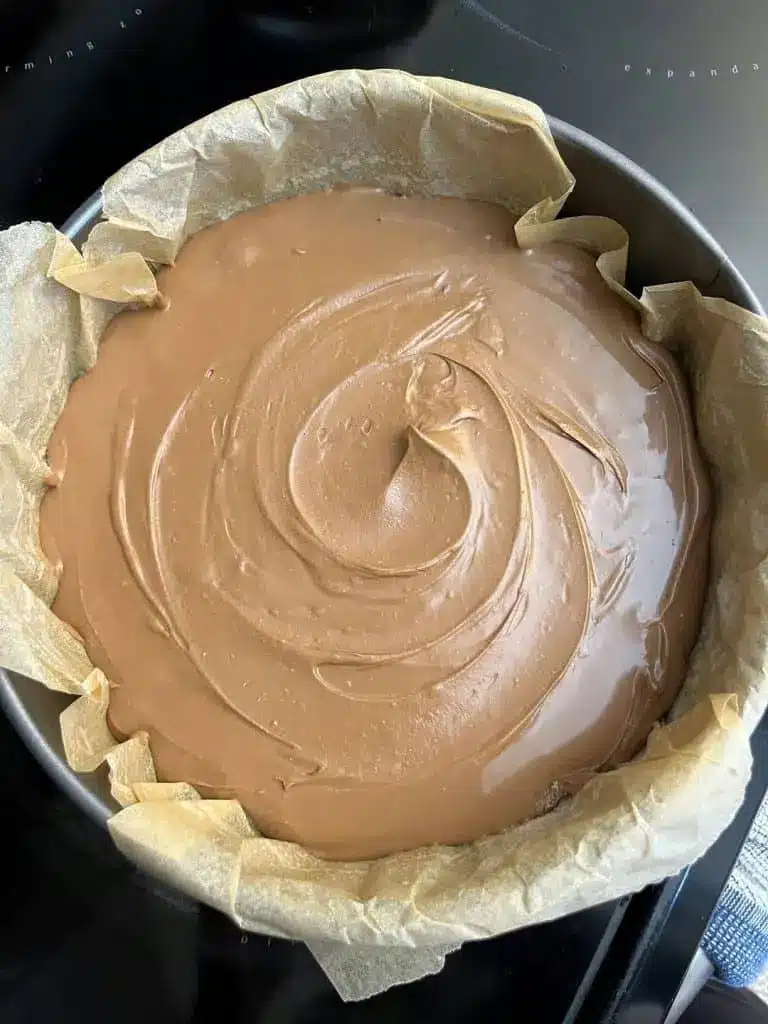
Start by preheating your oven to a high temperature, typically around 400°F (200°C). Unlike a traditional cheesecake that gently bakes, this one needs intense heat to char the exterior quickly. Line a springform pan with two large sheets of parchment paper, overlapping them so they extend at least two inches above the rim. Do not worry about folds or creases; these contribute to the rustic, pleated edges that make the best chocolate basque cheesecake recipe so visually striking.
Step 2: Melt the Chocolate and Cream Base
Gently melt your dark chocolate using a double boiler or short bursts in the microwave, stirring until completely smooth. In a separate bowl, whisk together your heavy cream and cocoa powder until no lumps remain. Combining the chocolate and cream early ensures that when they meet the cheese base, they integrate seamlessly without seizing, which is vital for a creamy chocolate cheesecake.
Step 3: Cream the Cheese and Sugar
Using a stand mixer or hand mixer on medium speed, beat the softened cream cheese and sugar until the mixture is completely smooth and the sugar has mostly dissolved. Scrape down the sides of the bowl frequently to ensure no lumps are left behind. This is the only stage where you can mix vigorously; once the eggs are added, you want to be much more gentle to avoid incorporating too much air.
Step 4: Incorporate Eggs and Chocolate Mixture
Add the eggs one at a time, mixing on low speed just until each egg is combined. Pour in the melted chocolate and the cocoa-cream mixture, followed by the vanilla and salt. Sift in the flour and fold it in gently with a spatula. The batter should be glossy, dark, and quite fluid. This liquid consistency is what allows the San Sebastian cheesecake to develop its custard-like interior.
Step 5: The High-Heat Bake and Jiggle Test
Pour the batter into the prepared pan and bake. You are looking for the top to turn a very dark, mahogany brown—almost black in some spots—and the edges to feel set. However, the center should still have a very pronounced jiggle when the pan is gently shaken. This “wobble” is the secret to the best chocolate basque cheesecake recipe; if the center is firm when it leaves the oven, it will be overcooked once it cools.
Pro Tips for the Best Results
- Use Room Temperature Ingredients: This is non-negotiable. Cold cream cheese will result in a lumpy batter that ruins the silky texture of your creamy chocolate cheesecake.
- Don’t Fear the Burn: The top should look significantly darker than a standard cake. This charred layer provides a smoky, bitter complexity that defines the burnt Basque cheesecake style.
- Avoid Over-Mixing: Once the eggs are in, keep the mixer on low. Too much air will cause the cheesecake to rise like a souffle and then collapse drastically, creating a dry, spongy texture.
- The Essential Chill: While the cheesecake smells incredible fresh out of the oven, it needs at least 6 hours (preferably overnight) in the fridge to set. This allows the fats to solidify into a fudgy, sliceable consistency.
- Sift the Dry Ingredients: Cocoa powder and flour are prone to clumping. Sifting them ensures a perfectly smooth batter without the need for over-mixing.
Troubleshooting Common Problems
Why is my cheesecake lumpy?
Lumps usually occur because the cream cheese was too cold or because the ingredients weren’t scraped down from the sides of the bowl during mixing. To fix this in the future, ensure your cream cheese is soft enough to be easily spread with a spatula before you begin. If you notice lumps in your finished batter, you can pour it through a fine-mesh sieve before baking.
The top is dark, but the center is liquid.
While the center should jiggle, it shouldn’t be completely liquid. If the top is browning too fast before the structure has set at all, your oven might be running too hot. Use an oven thermometer to verify the temperature. If necessary, you can lightly tent the top with foil for the last 5 minutes, but remember that a very soft center is a hallmark of the San Sebastian cheesecake.
Why didn’t my cheesecake get a dark top?
If your cheesecake looks pale, your oven temperature was likely too low or you didn’t bake it long enough. You can briefly use the broiler for 1-2 minutes at the very end of the bake to achieve that charred finish, but watch it extremely closely to avoid actual burning.
How to Serve Your Chocolate Basque Cheesecake
The best chocolate basque cheesecake recipe is best enjoyed at room temperature. When cold from the fridge, the texture is firm and fudgy; when allowed to sit on the counter for 30-60 minutes, the center softens back into a luscious, custard-like state that truly highlights the creamy chocolate cheesecake experience.
Garnishes and Toppings
Because this cake is so rich, it pairs beautifully with elements that provide acidity or a clean contrast. A dollop of unsweetened whipped cream or a spoonful of crème fraîche can cut through the density of the dark chocolate dessert. Fresh berries, particularly raspberries or tart cherries, offer a bright pop of flavor that complements the bittersweet cocoa.
Perfect Pairings
Serve a slice alongside a strong cup of black coffee or a glass of dessert wine, such as a Port or a Pedro Ximénez sherry. For an extra touch of indulgence, a light dusting of flaky sea salt over the top of each slice enhances the chocolate and balances the sugar, making every bite feel truly gourmet.
Storage and Make-Ahead
Storing Leftovers
Store any remaining cheesecake in the refrigerator, either in an airtight container or tightly wrapped in plastic wrap. It will stay fresh and delicious for up to 4 days. The flavors actually deepen after the first day, making it an excellent dessert for those who enjoy leftovers.
Making It Ahead
This is the ultimate make-ahead dessert. In fact, it is better if made at least 24 hours in advance. This gives the burnt Basque cheesecake ample time to chill and develop its complex flavor profile. You can bake it the day before your event and simply keep it refrigerated until you are ready to serve.
Can You Freeze It?
While you can freeze this cheesecake for up to a month, the unique, ultra-creamy texture of the Basque style can sometimes become slightly grainy upon thawing. If you must freeze it, wrap it very tightly in multiple layers of plastic wrap and foil, and thaw it slowly in the refrigerator overnight.
Final Thoughts
Mastering the best chocolate basque cheesecake recipe is a rewarding journey into the world of sophisticated, rustic baking. This cake proves that you don’t need perfection to achieve greatness; in fact, it is the cracks, the charred edges, and the irregular folds of the parchment paper that give it such a stunning presence on the table. By focusing on high-quality ingredients and the “jiggle” of the bake, you can create a dark chocolate dessert that rivals those found in the finest bakeries of San Sebastian. Once you experience that first velvety, molten bite, this creamy chocolate cheesecake will undoubtedly become a staple in your dessert repertoire.
Frequently Asked Questions
Does the top actually taste burnt?
The “burnt” top is actually a deep caramelization. While it looks very dark, it doesn’t taste like charcoal. Instead, it offers a pleasant, slightly bitter, and toasted flavor profile that perfectly balances the sweetness and richness of the cheese and chocolate. It is a key element of the best chocolate basque cheesecake recipe.
Can I use milk chocolate instead of dark chocolate?
You can, but the result will be significantly sweeter and the chocolate flavor will be less pronounced. Dark chocolate provides the necessary depth to stand up to the tang of the cream cheese. If you prefer a milder flavor, try a 50% cocoa chocolate rather than a very light milk chocolate to maintain a good creamy chocolate cheesecake balance.
Why did my cheesecake sink so much after cooling?
It is completely normal for a burnt Basque cheesecake to rise in the oven and then sink as it cools. Because the batter contains very little flour and no chemical leaveners, it doesn’t have the structure to hold its height. This sinking creates the dense, fudgy texture that characterizes the style.
Do I really need to use two sheets of parchment paper?
Yes, using two sheets ensures that the batter doesn’t leak out of the springform pan and allows for the high, ruffled edges. The parchment also makes it much easier to lift the cheesecake out of the pan once it has fully set in the refrigerator. It is essential for achieving the rustic look of the San Sebastian cheesecake.
What if I don’t have a springform pan?
You can use a regular deep cake pan, but you must be very careful with your parchment paper lining. Ensure there is plenty of overhang so you can use the paper as handles to lift the cheesecake out once it is cold. A creamy chocolate cheesecake is very delicate, so a springform pan is highly recommended for the easiest release.
Chocolate Basque Cheesecake

This Chocolate Basque Cheesecake is the ultimate indulgence, featuring a deeply caramelized, "burnt" exterior and a rich, custardy chocolate center. It is a sophisticated twist on the famous Spanish classic that is surprisingly easy to make and requires no crust.
- 24 oz (680g) full-fat cream cheese, room temperature
- 1 cup (200g) granulated sugar
- 4 large eggs, room temperature
- 1 1/2 cups (350ml) heavy cream
- 6 oz (170g) high-quality dark chocolate (60-70% cacao), melted and cooled slightly
- 1/4 cup (25g) unsweetened cocoa powder, sifted
- 3 tbsp all-purpose flour
- 1 tsp vanilla extract
- 1/2 tsp salt
- 1Preheat your oven to 400°F (200°C). Grease a 9-inch springform pan and line it with two large overlapping sheets of parchment paper, ensuring the paper extends at least 2 inches above the rim.
- 2In a large bowl, beat the room-temperature cream cheese and sugar together until smooth and creamy.
- 3Add the eggs one at a time, beating well after each addition to ensure a homogenous mixture.
- 4Whisk in the melted dark chocolate and vanilla extract until fully incorporated.
- 5Sift in the cocoa powder, flour, and salt. Gently fold until no dry streaks remain.
- 6Gradually pour in the heavy cream while mixing on low speed until the batter is silky and thin.
- 7Pour the batter into the prepared pan. Bake for 50-60 minutes, or until the top is deeply browned and the cheesecake still has a distinct jiggle in the center.
- 8Remove from the oven and let cool completely in the pan on a wire rack. Refrigerate for at least 4 hours or overnight before serving.
Keywords: chocolate basque cheesecake, burnt cheesecake, spanish dessert, chocolate cake, easy baking


