
Scottish Tablet

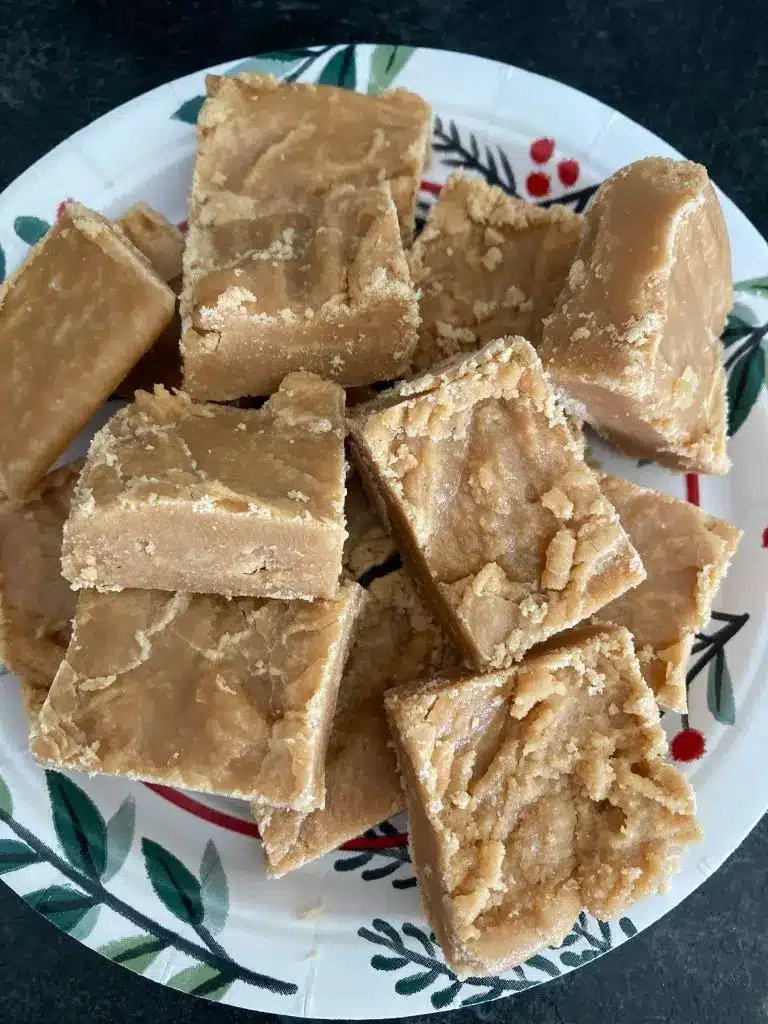
If you have ever wandered through a local market in Edinburgh or visited a cozy tea room in the Highlands, you have likely encountered the pale, sandy squares of sweetness known as Scottish tablet. While it often looks like fudge to the uninitiated, this traditional scottish tablet recipe guide will show you that it is a completely different confectionery experience. Unlike the soft, chewy, and elastic texture of American fudge, tablet is famous for its unique “grainy” bite—it is firm, brittle enough to snap, and melts away into a buttery, caramelized finish the moment it hits your tongue.
Bringing this iconic scottish sweets tradition into your own kitchen is a rewarding project that relies on patience and temperature control rather than complex equipment. This recipe captures that authentic, old-fashioned flavor using simple pantry staples. Whether you are looking to reconnect with your heritage or you simply want to master a new homemade candy technique, this guide provides the context and technical cues you need to achieve the perfect “crumble” every single time.
Why You’ll Love This Recipe
- Unique Texture: This recipe delivers the authentic, slightly grainy texture that distinguishes Scottish tablet from fudge, providing a satisfying snap followed by a smooth melt.
- Deep Butterscotch Flavor: By slowly boiling the sugar and dairy, you develop a rich, toasted profile that is far more complex than standard store-bought candies.
- Gifting Potential: Because it is shelf-stable and stays firm at room temperature, tablet is a premier choice for holiday tins, wedding favors, or care packages.
- Minimalist Ingredients: You don’t need corn syrup or stabilizers; this recipe relies on high-quality butter and milk to do all the heavy lifting.
Ingredients You’ll Need
Making a successful batch of tablet is less about having a long shopping list and more about how these specific ingredients interact under heat. Each component plays a vital role in the crystallization and browning process that defines the final candy.
- Granulated White Sugar: This is the backbone of the recipe. The sugar must be fully dissolved before boiling to ensure the crystallization happens at the very end during the beating stage, not too early.
- Whole Milk: Providing the necessary liquid and fat, whole milk helps thin the sugar as it melts and contributes to the creamy mouthfeel of the finished square.
- Unsalted Butter: Use a high-quality butter here, as the flavor is prominent. It provides the fat that carries the caramel notes and prevents the sugar from becoming purely hard like a lollipop.
- Sweetened Condensed Milk: This is the “secret” to the modern traditional scottish tablet recipe guide. It adds a concentrated milkiness and helps the mixture thicken into a rich, pourable consistency.
- Vanilla Extract: Added at the very end, vanilla rounds out the sweetness and adds an aromatic floral note that cuts through the heavy sugar profile.
- Pinch of Salt: While optional, a tiny bit of salt balances the intense sweetness and enhances the toasted butter notes.
Variations and Smart Swaps
While purists will argue that tablet should remain plain, there are several ways to adapt the flavor profile while maintaining that classic crumbly confectionery technique.
- Whisky Tablet: For a true Scottish twist, stir in a tablespoon of peaty Scotch whisky at the same time as the vanilla. The alcohol burns off slightly, leaving a sophisticated, smoky depth.
- Ginger and Spice: Adding a half-teaspoon of ground ginger or finely chopped crystallized ginger adds a lovely warmth that pairs beautifully with the buttery sugar.
- Nutty Crunch: Stir in toasted, finely chopped walnuts or pecans just before pouring the mixture into the tin for an added layer of texture and earthiness.
- Salted Caramel Style: Increase the salt to a half-teaspoon and use a slightly darker boil to lean into a modern salted caramel flavor profile.
How to Make a Traditional Scottish Tablet Recipe Guide
Step 1: Dissolve the Sugar and Butter
The first stage of making tablet is the most critical for a smooth result. Combine your sugar, milk, and butter in a large, heavy-bottomed pot over low heat. It is vital that you stir constantly until every single grain of sugar has vanished. If you feel any grittiness on the back of your spoon, keep going. If the mixture boils before the sugar is dissolved, your tablet may end up with an unpleasantly sandy or gritty texture rather than the refined crumble you are aiming for.
Step 2: The Initial Boil
Once the sugar is completely dissolved, increase the heat to medium. Bring the liquid to a steady, rolling boil. You want to see the mixture start to foam and rise slightly in the pot. Let this boil for about five to eight minutes. During this time, the water in the milk is evaporating, and the sugar is beginning to reach the early stages of concentration. Keep a close eye on it to ensure the bottom doesn’t scorch.
Step 3: Adding the Condensed Milk
Carefully pour in the sweetened condensed milk while stirring continuously. The mixture will likely bubble up vigorously as the cooler milk hits the hot sugar, so be cautious. Continue to stir as the color begins to shift from a pale cream to a light tan or golden straw color. The condensed milk introduces more solids and sugars, which will help the tablet achieve its characteristic density and rich flavor.
Step 4: Reaching the Soft Ball Stage
Now, you must reach the soft ball stage, which is approximately 238°F to 245°F (115°C to 120°C). If you don’t have a candy thermometer, you can use the “cold water test” by dropping a small amount of the hot liquid into a glass of ice-cold water. If it forms a soft, pliable ball that flattens when removed, it is ready. This stage ensures the candy will set firmly enough to cut but remain soft enough to bite.
Step 5: The Crucial Beating Phase
Remove the pot from the heat and add your vanilla and salt. Now comes the hard work: the beating. Using a wooden spoon or an electric hand mixer, beat the mixture vigorously. As you beat, you are aerating the candy and encouraging tiny sugar crystals to form. You will notice the glossy shine start to fade and the mixture become thick, matte, and slightly grainy. This usually takes 5 to 10 minutes by hand. Stop once the mixture feels like it is starting to set against the sides of the pot.
Step 6: Setting and Scoring
Pour the thickened mixture immediately into a prepared, greased baking tin. Use a spatula to smooth the top quickly before it firms up. Let it sit for about 15 to 20 minutes until a “skin” has formed on top but it is still warm to the touch. Use a sharp knife to score the surface into small squares. If you wait until it is completely cold, it will shatter when you try to cut it. Once scored, leave it to cool completely at room temperature for several hours or overnight.
Pro Tips for Success
- Use a Large Pot: Sugar and milk mixtures can double or triple in volume when they reach a rolling boil. Use a pot that is much larger than you think you need to prevent dangerous boil-overs.
- Heavy Bottom is Key: A thin pot will create “hot spots” that can burn the sugar before the rest of the batch reaches the correct temperature. A cast-iron or heavy stainless steel pot is best.
- Don’t Rush the Heat: If you use high heat to speed up the process, you risk burning the milk solids. Slow and steady wins the race when developing the deep, toffee-like flavor.
- The Beating Test: If you aren’t sure if you’ve beaten it enough, look for the “fudge-like” transition. The mixture should look less like liquid syrup and more like a thick, grainy paste.
- Clean the Sides: Use a wet pastry brush to wipe down any sugar crystals that form on the sides of the pot during the initial melt. This prevents a chain reaction of crystallization that can ruin the texture.
Troubleshooting Common Problems
Why Is My Tablet Too Soft?
If your tablet resembles soft fudge or won’t hold its shape when cut, it likely didn’t reach a high enough temperature. This happens if the soft ball stage wasn’t fully achieved. You can actually put the mixture back in the pot with a splash of milk, melt it down, and bring it back up to the correct temperature, though the texture may be slightly different the second time around.
Why Is My Tablet Too Hard and Gritty?
This usually occurs if the sugar wasn’t fully dissolved at the beginning or if the mixture was boiled for too long, reaching the “hard ball” or “hard crack” stage. If it’s very hard, it’s still delicious to eat, but it will be more like a toffee than a traditional tablet. Unfortunately, once it has reached this stage and set, it cannot be easily fixed.
Why Did the Mixture Separate?
Separation usually happens if the heat was too high or if the mixture wasn’t stirred enough after adding the condensed milk. The fat from the butter can sometimes split away from the sugar. If you see oil pooling on top, try beating it vigorously; sometimes the emulsion can be saved during the cooling and beating phase.
How to Serve Traditional Scottish Tablet
Traditional Scottish tablet is incredibly sweet, so it is best served in small, bite-sized squares. In Scotland, it is the quintessential accompaniment to a “cup of tea” or a “wee dram” of whisky after dinner. The bitterness of a strong black tea or the smokiness of a Scotch provides the perfect counterpoint to the intense sugar and butter profile of the candy.
For a more modern presentation, you can crumble shards of tablet over high-quality vanilla bean ice cream or use it as a garnish for a decadent chocolate mousse. It also makes a wonderful addition to a dessert charcuterie board, paired with tart green apples and sharp cheddar cheese to balance the sweetness. Because it doesn’t melt easily at room temperature, it’s also a perfect choice for outdoor gatherings or afternoon garden parties.
Storage and Make-Ahead
Storing Leftovers
One of the best things about this traditional scottish tablet recipe guide is the shelf life. Tablet should be stored in an airtight container at room temperature. It does not need to be refrigerated; in fact, the humidity in a fridge can sometimes make the surface of the tablet “sweat” or become sticky. When stored properly in a cool, dry place, it will stay fresh and delicious for up to three weeks.
Can You Freeze Tablet?
Yes, you can freeze Scottish tablet, though it isn’t strictly necessary given its long shelf life. If you do freeze it, wrap the squares tightly in parchment paper and then place them in a freezer-safe bag. It will last for up to three months. To serve, let it thaw slowly at room temperature inside the container to prevent condensation from forming directly on the sugar.
Final Thoughts
Mastering the art of the traditional scottish tablet recipe guide is a rite of passage for many home bakers. It requires a bit of muscle during the beating phase and a watchful eye on the thermometer, but the reward is a confection that tastes like pure nostalgia. There is something deeply satisfying about turning a few basic ingredients into a crystalline, golden treat that has been enjoyed for generations. Once you experience the perfect snap and melt of a homemade batch, you’ll find it hard to go back to any other kind of candy.
Frequently Asked Questions
Is Scottish tablet the same as fudge?
No, they are quite different. While both use sugar, butter, and milk, tablet is boiled to a slightly higher temperature and beaten longer to encourage larger sugar crystals. This results in a grainy, brittle texture that snaps, whereas fudge is intended to be smooth, soft, and chewy.
Can I make this recipe without a candy thermometer?
Yes, you can use the “cold water test.” Drop a small spoonful of the boiling mixture into a bowl of very cold water. If you can pick it up and form a soft, squishy ball that holds its shape for a moment before flattening, you have reached the soft ball stage. However, a thermometer is much more reliable for beginners.
Why is my tablet taking so long to set?
Tablet relies on the crystallization of sugar to set. If the humidity in your kitchen is very high, or if the mixture wasn’t beaten enough to “start” the crystal growth, it may stay soft for a long time. Try moving it to a cooler, drier room. If it still hasn’t set after 24 hours, it likely didn’t reach a high enough temperature during the boil.
Can I use margarine instead of butter?
It is strongly recommended to use real butter. Margarine has a higher water content and different fats that can prevent the tablet from setting correctly and will significantly impact the flavor. For the best homemade candy, stick to high-quality unsalted butter.
How small should I cut the squares?
Because tablet is exceptionally sweet and rich, the traditional serving size is about a 1-inch square. Small portions allow guests to enjoy the intense flavor without it becoming overwhelming. It is much easier to have a second piece than to finish one giant block!
Traditional Scottish Tablet

A classic Scottish confection that is wonderfully sweet, crumbly, and melt-in-the-mouth. Unlike fudge, Scottish Tablet has a harder, grainier texture that is purely addictive.
- 1 kg Granulated Sugar
- 120 g Unsalted Butter
- 250 ml Whole Milk
- 1 tin (397g) Sweetened Condensed Milk
- 1 tsp Vanilla Extract
- 1Grease a 9x9 inch baking tin with butter.
- 2In a large, heavy-based pot, melt the sugar, butter, and whole milk over low heat. Stir until the sugar is completely dissolved.
- 3Bring the mixture to a boil, then stir in the condensed milk.
- 4Simmer steadily, stirring constantly to prevent burning at the bottom, for about 20 minutes until the mixture reaches the soft ball stage (approx 115°C or 240°F) and turns a deep golden caramel color.
- 5Remove from the heat and add vanilla extract. Beat the mixture vigorously with a wooden spoon for 5-10 minutes until it begins to thicken and feel grainy.
- 6Pour into the prepared tin and smooth the top. Let it set for 15 minutes, then score into squares. Allow to cool completely before breaking.
Keywords: Scottish Tablet, traditional sweets, homemade candy, Scottish recipe, tablet fudge


