
If You Drool in Your Sleep, Your Body Is Trying to Warn You About This

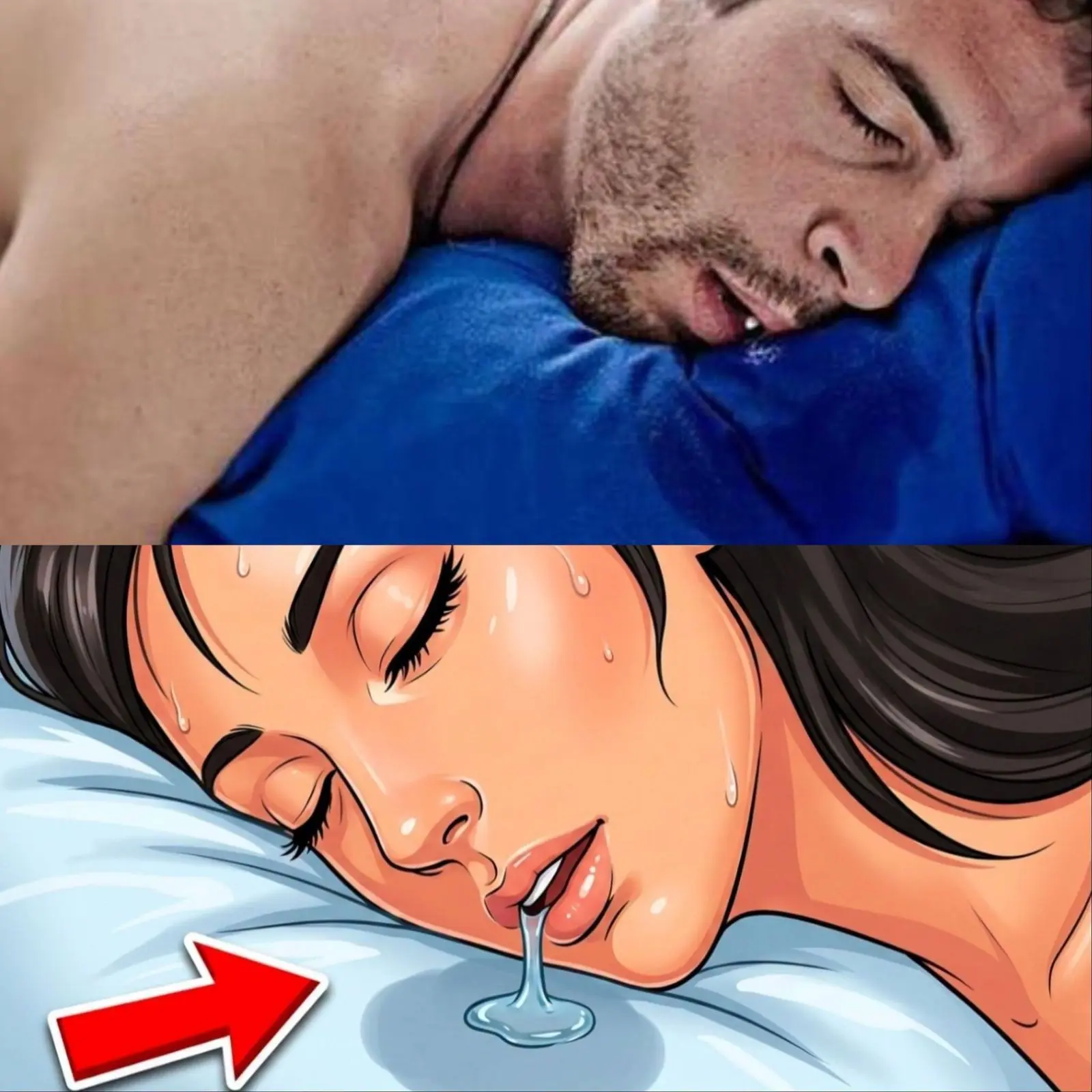
Waking up to a damp pillow can be an embarrassing and confusing experience, but it is a much more common occurrence than many realize. While most of us associate this habit with deep, restful slumber, understanding the underlying causes of drooling during sleep can help you determine if your nighttime habits are simply a result of gravity or a sign of a health condition that needs attention. Scientifically known as nocturnal sialorrhea, this phenomenon typically happens when the muscles in your face and throat relax, allowing the saliva that normally builds up and is swallowed during the day to escape through the mouth.
For most people, this is a minor inconvenience that requires nothing more than a quick pillowcase change. However, when excessive saliva begins to disrupt your rest or leads to other symptoms like choking or a sore throat, it is worth looking closer at your lifestyle and physical health. Whether it is a result of your sleeping position, seasonal allergies, or more complex neurological factors, identifying the trigger is the first step toward a drier, more comfortable night. By exploring the biological and environmental reasons behind this habit, you can find practical solutions to improve your sleep hygiene and overall wellness.
Understanding Why We Drool at Night
The primary reason people experience nocturnal sialorrhea is quite simple: when we fall into a deep sleep, particularly the REM (Rapid Eye Movement) stage, our facial and swallowing muscles completely relax. During the day, we constantly swallow saliva without thinking about it, which keeps the mouth clear. At night, that automatic swallowing reflex slows down significantly. If your mouth happens to be open, gravity takes over, and saliva flows out rather than down the throat.
Beyond simple relaxation, the amount of saliva your body produces can also play a role. While saliva production usually decreases at night, certain triggers can cause the salivary glands to go into overdrive. When you combine increased production with a relaxed jaw, the result is the characteristic wet spot on your bedding. This is especially prevalent in children whose swallowing reflexes are still developing, but it persists in many adults for various physical and environmental reasons.
Top Lifestyle and Physical Factors
Many of the most frequent causes of drooling during sleep are related to how we position our bodies or how our respiratory systems function during the night. Small changes in these areas can often produce immediate results in reducing morning dampness.
- Sleeping Position: This is arguably the most common culprit. If you sleep on your side or your stomach, gravity naturally pulls saliva toward your lips. Back sleepers are less likely to drool because saliva typically pools at the back of the throat, eventually triggering a swallow reflex.
- Nasal Congestion: When you have a cold, sinus infection, or allergies, you are forced to breathe through your mouth. Mouth breathing is a direct pathway for saliva to escape. Chronic nasal congestion often leads to a permanently open-mouth posture during rest.
- Anatomy of the Mouth and Throat: Some individuals have a naturally large tongue, narrow throat, or enlarged tonsils. These physical traits can make it harder to swallow saliva during sleep or may encourage mouth breathing to ensure adequate airflow.
- Medication Side Effects: Certain medications, including some antidepressants, antipsychotics, and medications used to treat Alzheimer’s, are known to cause excessive saliva as a side effect, which can intensify nighttime drooling.
Health Conditions Associated with Drooling
While often harmless, there are instances where drooling is a symptom of an underlying medical issue. If you find that you are drooling excessively and it is a new development, it may be associated with one of the following conditions.
Gastroesophageal Reflux Disease (GERD)
People with GERD often experience a phenomenon called “water brash,” where the body produces extra saliva in response to acid rising into the esophagus. The saliva is alkaline and acts as a natural buffer to neutralize the acid. If you suffer from frequent heartburn or indigestion, your body may be producing excessive saliva at night as a protective mechanism, leading to increased drooling.
Sleep Apnea
One of the more serious causes of drooling during sleep is obstructive sleep apnea. This condition occurs when your airway becomes repeatedly blocked during the night, leading to shallow breathing or pauses in breath. People with sleep apnea often breathe through their mouths to compensate for obstructed airways, which significantly increases the likelihood of drooling. If your drooling is accompanied by loud snoring or waking up gasping for air, it may be one of several sleep apnea symptoms worth discussing with a professional.
Neurological Challenges
Because swallowing is a complex muscular coordination, any condition that affects the nervous system can lead to difficulty managing saliva. Conditions such as Parkinson’s disease, Cerebral Palsy, or recovery from a stroke can impair the ability to swallow effectively. In these cases, the drooling is less about the production of saliva and more about the body’s ability to clear it from the mouth efficiently.
Practical Strategies for a Drier Night
If you are looking to reduce the frequency of drooling, there are several practical steps you can take at home. These adjustments focus on managing airflow and body mechanics to keep saliva where it belongs.
First, try shifting your sleeping position. Training yourself to sleep on your back can be difficult, but using “body pillows” or wedge pillows can help prevent you from rolling onto your side. When you sleep on your back, gravity helps saliva stay toward the back of the throat, which naturally encourages the swallowing reflex even during sleep.
Second, address any underlying nasal congestion. Using a saline rinse or a humidifier in the bedroom can help keep nasal passages clear, making it easier to breathe through your nose with your mouth closed. If seasonal allergies are the issue, managing them with the guidance of a healthcare provider can reduce the inflammation that causes mouth breathing.
When to Consult a Professional
While occasional drooling is usually nothing to worry about, there are certain “red flags” that indicate a need for a medical evaluation. If you find that you are choking or coughing during the night, this could suggest that saliva (or stomach acid) is entering your airway. Persistent drooling that begins suddenly in adulthood, or drooling that is accompanied by significant daytime fatigue, should be evaluated by a doctor to rule out sleep apnea symptoms or other neurological concerns.
It is also important to consult a professional if you experience difficulty swallowing during the day, as this may indicate an issue with the muscles or nerves in your throat. A healthcare provider can help determine if the causes of drooling during sleep are benign or if they require a specific treatment plan, such as a change in medication, a dental appliance, or a sleep study.
Final Thoughts
Discovering the causes of drooling during sleep is often a journey of small observations. For the vast majority of people, it is a harmless byproduct of a body that has finally found the chance to fully relax. By adjusting your sleeping position, managing your respiratory health, and staying mindful of your overall wellness, you can significantly reduce those morning surprises. Remember that while most nighttime drooling is just a quirk of human biology, listening to your body’s signals is the best way to ensure your sleep is as healthy as it is restful.
Frequently Asked Questions
Is it normal to drool during sleep every night?
While it may not happen every night for everyone, drooling is considered a normal occurrence for many healthy adults. It is typically a sign that your muscles are fully relaxed during deep sleep. However, if the drooling is so excessive that it constantly interrupts your sleep or causes skin irritation, it may be worth investigating lifestyle changes like sleeping on your back or using a humidifier.
Can dehydration cause me to drool more?
Actually, the opposite is often true. When you are dehydrated, your saliva can become thicker and more viscous, which may make it harder to swallow unconsciously. However, most nocturnal sialorrhea is related to the quantity and management of saliva rather than its consistency. Staying well-hydrated is always recommended for general sleep health and keeping your mucous membranes functioning properly.
Does sleeping with a mouthguard help or hurt drooling?
It depends on the individual. Some people find that a mouthguard or dental splint increases excessive saliva production because the brain perceives the guard as food or a foreign object. However, for those whose drooling is caused by a misaligned jaw or specific breathing issues, a custom-fitted dental appliance might actually help keep the mouth in a position that encourages better swallowing and nasal breathing.
Why did I suddenly start drooling as an adult?
A sudden onset of drooling in adulthood is usually linked to a specific change. This could be a new medication, the development of seasonal allergies, or even an undiagnosed case of acid reflux. It can also be a sign of sleep apnea symptoms if you have recently gained weight or developed a snoring habit. If the change is abrupt and persistent, a quick check-up with your primary care physician is a smart move.
Can certain foods before bed increase drooling?
Highly acidic foods or very spicy meals can sometimes trigger excessive saliva production as your body attempts to protect the lining of your mouth and esophagus. Additionally, foods that trigger acid reflux or GERD can indirectly lead to more drooling. To minimize this, try to avoid heavy or irritating meals at least two to three hours before you head to bed.
Anti-Drool Sleep Wellness Tonic

Excessive drooling during sleep can be a sign of poor nasal breathing or improper sleep posture. This natural tonic uses warming ginger and soothing honey to help clear airways and relax the body for a restorative night's rest.
- 1 cup warm filtered water
- 1 teaspoon raw honey
- 1/2 teaspoon fresh grated ginger
- 1/4 teaspoon lemon juice
- 1 pinch sea salt
- 1Heat the filtered water in a small pot until warm but not boiling.
- 2Add the freshly grated ginger and allow it to steep for 3 minutes to release its essential oils.
- 3Strain the liquid into a mug and stir in the raw honey and lemon juice.
- 4Add a pinch of sea salt to help with electrolyte balance.
- 5Sip the tonic slowly 30 minutes before bed to promote clear breathing and jaw relaxation.
Keywords: sleep health, stop drooling, natural remedies, nighttime wellness, breathing


