
Chocolate Cake with Peanut Butter Frosting

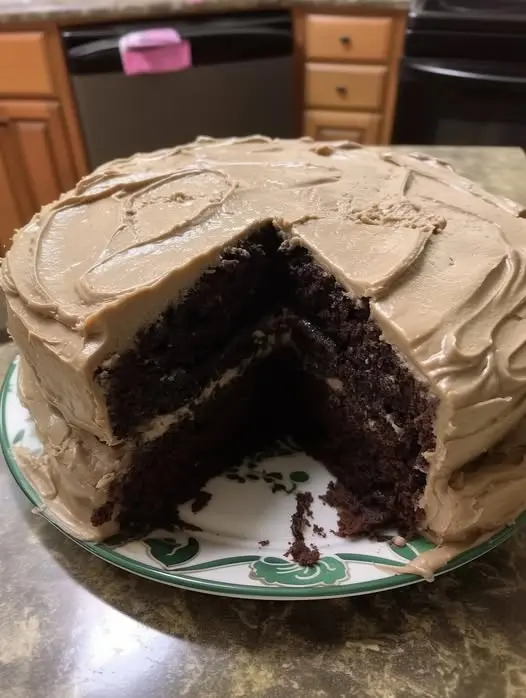
There is perhaps no combination in the dessert world as iconic or universally beloved as chocolate and peanut butter. This chocolate cake peanut butter frosting recipe delivers a masterclass in contrast, pairing a deeply dark, tender crumb with a cloud-like, salty-sweet topping that melts on the tongue. Unlike overly sugary versions, this cake focuses on the intensity of Dutch-processed cocoa and the rich, roasted notes of high-quality peanut butter to create a sophisticated treat that appeals to adults and children alike.
Whether you are celebrating a milestone birthday or simply need a weekend baking project that guarantees success, this homemade layer cake is designed to be approachable yet impressive. By using specific techniques like blooming the cocoa powder and properly aerating the frosting, you can achieve professional bakery results in your own kitchen. This guide will walk you through every technical nuance to ensure your final result is perfectly balanced and incredibly moist.
Why This Recipe Is a Keeper
- Flavor Contrast: The bitterness of the dark chocolate layers perfectly offsets the salty sweet dessert profile of the frosting, preventing the cake from feeling cloying.
- Exceptional Texture: By utilizing oil and buttermilk rather than just butter in the batter, the cake remains incredibly soft and moist chocolate cake even after being refrigerated.
- Reliability: The frosting is engineered to be stable enough for piping intricate designs while remaining soft enough to spread effortlessly across the delicate cake surface.
- Crowd Appeal: This flavor profile is a perennial favorite for potlucks, parties, and holidays, making it a versatile addition to your permanent recipe collection.
Ingredients You’ll Need
Success starts with choosing the right building blocks. For this chocolate cake peanut butter frosting, each ingredient plays a specific role in ensuring the structure is sound and the flavor is punchy enough to stand up to the rich frosting.
- Dutch-Processed Cocoa Powder: This provides the deep, dark color and smooth chocolate flavor. It is less acidic than natural cocoa, which results in a more mellow and rich crumb.
- Buttermilk: The acidity in buttermilk reacts with the leavening agents to create a high rise and an exceptionally tender texture that mimics professional bakery sponges.
- Boiling Water or Hot Coffee: Adding hot liquid “blooms” the cocoa powder, releasing trapped flavor oils and ensuring the chocolate taste permeates every bite of the cake.
- Neutral Oil: Unlike butter, oil remains liquid at room temperature, which keeps the moist chocolate cake soft for several days without becoming dense or dry.
- Creamy Peanut Butter: For the most stable creamy peanut butter frosting, stick to traditional commercial brands rather than natural varieties that separate, as the added stabilizers help the frosting hold its shape.
- Powdered Sugar: Finely sifted sugar provides the structure for the buttercream, giving it enough body to hold up between heavy cake layers.
- Heavy Cream: A splash of cream added at the end of the frosting process thins it to the perfect spreadable consistency while adding a luxurious mouthfeel.
Variations and Smart Swaps
- The Sheet Cake Shortcut: If you are intimidated by stacking layers, bake the batter in a 9×13 inch pan. It reduces the stress of frosting and is perfect for casual family gatherings.
- Chocolate Ganache Drip: For an ultra-luxurious look, pour a simple chocolate ganache over the edges of the frosted cake. The dark drip against the tan peanut butter frosting is visually stunning.
- Crunchy Texture Swap: If you prefer a bit of texture, fold crushed roasted peanuts or peanut butter chips directly into the frosting for a “crunchy” version of the classic.
- Mocha Enhancement: Replace the boiling water with hot espresso or strong brewed coffee to deepen the chocolate flavor without making the cake taste like coffee.
How to Make This Chocolate Cake Peanut Butter Frosting
Step 1: Bloom the Cocoa and Prep the Base
Begin by whisking your Dutch-processed cocoa with boiling water or hot coffee. This technical step is vital because the heat dissolves the cocoa solids and intensifies the chocolate notes. Allow this mixture to cool slightly while you whisk together your dry ingredients, including the flour, sugar, and leavening agents. Ensuring there are no lumps in your dry base is the first step toward a refined, even crumb in your finished homemade layer cake.
Step 2: Combine the Wet and Dry Ingredients
Slowly incorporate the buttermilk, oil, and eggs into your dry mixture before finally adding the warm cocoa liquid. The batter will appear quite thin—this is normal for high-moisture chocolate cakes. The thin consistency allows the gases from the baking soda to move freely, resulting in a light, airy texture once the cake sets in the oven. Avoid overbeating at this stage; mix only until no streaks of flour remain to keep the gluten development to a minimum.
Step 3: Bake and Cool the Layers
Divide the batter evenly between prepared pans and bake until a toothpick comes out with just a few moist crumbs attached. It is better to pull the cakes slightly early than to let them overbake, as they will continue to set as they cool. Crucially, let the cakes cool completely in the pans for about 10 minutes before transferring them to a wire rack. Trying to frost a warm cake will cause your creamy peanut butter frosting to melt and slide off the sides.
Step 4: Whip the Peanut Butter Frosting
In a stand mixer, beat the butter and peanut butter together until the mixture is light in color and very fluffy. Gradually add the powdered sugar, followed by the heavy cream and a pinch of salt. The salt is the “secret” ingredient here, as it cuts through the sugar and highlights the roasted peanut flavor. Whip the frosting on high speed for at least three minutes to incorporate air, which creates that sought-after cloud-like texture.
Step 5: Assemble and Frost the Cake
Place the first cooled layer on a plate and spread a generous amount of frosting over the top, reaching all the way to the edges. Place the second layer on top, bottom-side up, to ensure a perfectly flat surface for the final coat. Apply a thin “crumb coat” of frosting over the entire cake and chill it for 20 minutes. This anchors any stray crumbs and provides a smooth canvas for the final, thick layer of chocolate cake peanut butter frosting.
Pro Tips for Success
- Tip: Always use room temperature eggs and buttermilk. Cold ingredients can cause the batter to break or emulsify poorly, leading to an uneven bake.
- Tip: For the flattest cake layers, use “cake strips” wrapped around the outside of your pans. This prevents the edges from cooking too much faster than the center, eliminating the “dome” shape.
- Tip: Sift your powdered sugar. Even small lumps of sugar can clog piping tips and create an unattractive texture in your creamy peanut butter frosting.
- Tip: Don’t skip the salt in the frosting. Peanut butter varies in saltiness, so taste your buttercream and add a tiny extra pinch of fine sea salt if it feels too one-dimensionally sweet.
- Tip: Use a high-quality cocoa powder. Since chocolate is the primary flavor profile of the sponge, using a premium Dutch-processed brand will result in a much darker, more flavorful cake.
Troubleshooting Common Problems
Why Did My Cake Sink in the Middle?
A cake usually sinks if the oven door was opened too early or if the leavening agents (baking powder/soda) are expired. It can also happen if the center was slightly underbaked. Ensure your oven is fully preheated to the correct temperature using an external thermometer for accuracy, as many built-in dials are unreliable.
Why Is My Frosting Too Soft to Pipe?
If your kitchen is warm or you over-whipped the heavy cream, the frosting might become too soft. Simply pop the mixing bowl into the refrigerator for 15 to 20 minutes, then give it a quick whisk by hand. This will firm up the fats and make the creamy peanut butter frosting easy to work with again.
Why Is the Cake Crumbly?
Crumbly cake is often the result of adding too much flour. When measuring flour, use a kitchen scale or the “spoon and level” method rather than scooping directly from the bag, which packs the flour down and leads to a dry, brittle moist chocolate cake.
How to Serve This Recipe
Presentation is key when serving a salty sweet dessert of this caliber. For clean slices, use a long, thin knife dipped in hot water and wiped dry between every single cut. This prevents the frosting from dragging into the dark cake layers, keeping the contrast sharp and beautiful.
Garnishes
To emphasize the flavors, garnish the top of the cake with chopped peanut butter cups, a drizzle of melted chocolate, or a sprinkle of flaky sea salt. A few clusters of roasted, salted peanuts can also add a delightful crunch that contrasts with the soft frosting.
Side Dishes
Because this cake is incredibly rich, it pairs best with simple accompaniments. A scoop of high-quality vanilla bean ice cream or a dollop of unsweetened whipped cream can provide a cool, refreshing break from the intensity of the chocolate and peanut butter.
Storage and Make-Ahead
Storing Leftovers
This cake can be stored at room temperature under a cake dome for up to two days. However, because of the dairy in the frosting, it is best kept in the refrigerator if your kitchen is warm. When refrigerated in an airtight container, the cake will stay fresh and moist chocolate cake for up to five days.
Freezing
You can freeze the individual cake layers (wrapped tightly in plastic wrap) for up to three months before frosting. You can also freeze slices of the fully assembled cake. Thaw in the refrigerator overnight and bring to room temperature before serving to ensure the frosting regains its creamy texture.
Making It Ahead
You can easily prepare the cake layers a day in advance. In fact, many bakers find that the chocolate flavor deepens and the texture settles if the layers are made 24 hours before assembly. The frosting is best made fresh, but it can be stored in the fridge for 3 days; just let it come to room temperature and re-whip it before using.
Final Thoughts
Mastering the balance of a perfect chocolate cake peanut butter frosting is a rewarding experience for any home baker. By focusing on quality ingredients like Dutch-processed cocoa and ensuring your layers are completely cool before assembly, you create a dessert that is as beautiful as it is delicious. This cake isn’t just about satisfying a sugar craving; it’s about the sophisticated interplay of deep cocoa and roasted nuttiness. Once you serve a slice of this homemade layer cake, it is likely to become the most requested recipe in your repertoire.
Frequently Asked Questions
Can I use natural peanut butter for the frosting?
It is generally not recommended. Natural peanut butter (the kind you have to stir) often separates and lacks the emulsifiers found in commercial brands. Using it can lead to a grainy or oily frosting that won’t hold its shape. For the best creamy peanut butter frosting, use a standard smooth brand like Jif or Skippy.
What makes this chocolate cake so moist?
The combination of oil and buttermilk is the key. While butter provides great flavor, oil remains liquid at room temperature, which ensures the moist chocolate cake remains soft. The buttermilk provides acidity that breaks down gluten, resulting in a tender “melt-in-your-mouth” crumb.
Do I have to use boiling water in the batter?
Yes, the boiling water is essential for “blooming” the cocoa powder. This process dissolves the cocoa and allows the flavors to fully develop. If you skip this, your cake will have a weaker chocolate flavor and a slightly different texture. You can use hot coffee instead for an even deeper flavor profile.
How do I get my frosting perfectly smooth?
The secret is whipping the butter and peanut butter for a full 3–5 minutes before adding the sugar, and then using a splash of heavy cream at the end. The cream helps dissolve any remaining sugar crystals and provides a silky, glossy finish that is easy to spread across your homemade layer cake.
Can I make this as cupcakes instead?
Absolutely! This batter works perfectly for cupcakes. Simply fill the liners about two-thirds full and bake for 18–22 minutes. The chocolate cake peanut butter frosting is stable enough to be piped high onto the cupcakes, making for a very professional-looking display.
Decadent Chocolate Cake with Peanut Butter Frosting

This moist, rich chocolate cake is the ultimate indulgence, topped with a creamy and salty-sweet peanut butter buttercream frosting. A classic flavor combination that never fails to impress.
- Chocolate Cake
- 2 cups all-purpose flour
- 2 cups granulated sugar
- 3/4 cup unsweetened cocoa powder
- 2 tsp baking soda
- 1 tsp baking powder
- 1 tsp salt
- 1 cup buttermilk, room temperature
- 1/2 cup vegetable oil
- 2 large eggs
- 2 tsp vanilla extract
- 1 cup boiling water
- Peanut Butter Frosting
- 1 cup creamy peanut butter
- 1/2 cup unsalted butter, softened
- 2 cups powdered sugar
- 3 tbsp milk
- 1 tsp vanilla extract
- 1Preheat oven to 350°F (175°C). Grease and flour two 9-inch round cake pans.
- 2In a large bowl, whisk together flour, sugar, cocoa, baking soda, baking powder, and salt.
- 3Add buttermilk, oil, eggs, and vanilla. Beat on medium speed until well combined.
- 4Stir in the boiling water by hand. The batter will be very thin.
- 5Pour batter evenly into the prepared pans. Bake for 30-35 minutes or until a toothpick comes out clean.
- 6Cool in pans for 10 minutes, then transfer to wire racks to cool completely.
- 7To make the frosting, beat peanut butter and butter until smooth. Gradually add powdered sugar, milk, and vanilla, beating until light and fluffy.
- 8Frost the cooled cake layers generously.
Keywords: chocolate cake, peanut butter frosting, homemade dessert, baking, layer cake


