
Seared Ribeye Steak With Red Wine Pan Gravy

There is something undeniably sophisticated about a perfectly seared ribeye, but when you pair that marbled cut of beef with a glossy, deeply concentrated ribeye steak red wine sauce, you elevate a simple dinner into a true steakhouse experience. This recipe focuses on the harmony between the high fat content of the ribeye and the bright, acidic, and savory notes of a classic red wine reduction. Instead of a heavy cream sauce that can mask the flavor of the meat, this reduction cuts through the richness, enhancing every bite with notes of dark fruit, aromatics, and umami. It is the kind of meal that feels special enough for an anniversary but is technically approachable enough for a weekend evening at home.
Mastering this dish is less about complex equipment and more about understanding the relationship between heat and timing. By using the same pan for both the steak and the sauce, you capture the “fond”—those flavorful browned bits stuck to the bottom of the skillet—which acts as the savory foundation for your red wine reduction. This technique ensures that the sauce tastes like an extension of the steak itself rather than a separate condiment. Whether you are a seasoned home cook or a beginner looking to impress, this steakhouse dinner at home offers a foolproof way to achieve professional results with just a few high-quality ingredients and a heavy-bottomed pan.
Why This Recipe Is a Keeper
- Deeply Complex Flavor: The combination of rendered beef fat, dry red wine, and sharp shallots creates a layer of flavor that mimics the sophistication of a French bistro.
- Steakhouse Quality: You get the same velvety, glossy finish found in high-end restaurants by using the “monter au beurre” technique to finish your pan-seared ribeye.
- One-Pan Efficiency: Since the sauce is built directly in the skillet used to cook the meat, cleanup is minimal and the flavor profile is maximized.
- Perfect for Entertaining: This recipe looks and tastes incredibly expensive, making it a reliable choice for hosting guests without spending hours in the kitchen.
Ingredients You’ll Need
The success of a ribeye steak red wine sauce depends heavily on the quality of your base components. Because the sauce is reduced, any flavors—good or bad—will be highly concentrated, so choosing the right wine and a well-marbled cut of beef is essential for the best final result.
- Ribeye Steak: Look for a thick-cut steak (at least 1.5 inches) with plenty of intramuscular fat or marbling. This fat melts during the sear, providing flavor and keeping the meat juicy.
- Dry Red Wine: A dry red wine for cooking is a must. Reach for a Cabernet Sauvignon, Merlot, or Syrah. Avoid “cooking wines” from the grocery store, as they contain excess salt and lack depth.
- Beef Stock or Demi-Glace: High-quality stock provides the body for the sauce. If you can find a gelatin-rich beef bone broth or a prepared demi-glace, your sauce will have a much more luxurious mouthfeel.
- Shallots: These offer a more delicate, sweet flavor than standard onions. They melt into the sauce, providing aromatics without overpowering the wine.
- Fresh Thyme and Rosemary: Woody herbs stand up well to the intense heat of searing and the long reduction time, infusing the ribeye steak red wine sauce with earthy undertones.
- Cold Unsalted Butter: Whisking in cold butter at the very end is the secret to a glossy, thick sauce. It emulsifies the reduction, turning it from a thin liquid into a velvety glaze.
- Garlic: Whole smashed cloves are used to baste the steak, adding a subtle pungent warmth to the fat that eventually builds the sauce.
- Neutral Oil: Use an oil with a high smoke point, like avocado or grapeseed oil, to achieve that crusty, dark brown sear on the exterior of the ribeye.
Simple Swaps and Variations
Protein Alternatives: While ribeye is the gold standard for this sauce due to its fat content, you can easily use this red wine reduction on a lean Filet Mignon or a robust New York Strip. If using a leaner cut, you may need to add a touch more butter to the sauce to compensate for the lack of rendered beef fat.
Alcohol-Free Version: If you prefer not to cook with wine, you can substitute the red wine with a high-quality pomegranate juice or a tart cherry juice mixed with a teaspoon of balsamic vinegar. This provides the necessary acidity and dark fruit notes without the alcohol content.
Mushroom Infusion: For an extra earthy flavor profile, sauté some sliced cremini or shiitake mushrooms in the pan drippings before adding the shallots. The mushrooms will soak up the wine and beef juices, adding a meaty texture to the finished sauce.
Herb Variations: If you don’t have thyme or rosemary, fresh sage or even a small amount of dried tarragon can provide a unique twist. Tarragon, in particular, gives the sauce a slightly anise-like finish that pairs beautifully with beef.
How to Make Ribeye Steak with Red Wine Sauce
Step 1: Temper and Season the Meat
Before the steak ever touches the pan, it needs to come to room temperature. Taking the ribeye out of the fridge about 30 to 45 minutes early ensures it cooks evenly from edge to center. Pat the surface completely dry with paper towels; moisture is the enemy of a good sear. Season aggressively with kosher salt and freshly cracked black pepper. Because the ribeye steak red wine sauce is flavorful, you don’t need fancy rubs—just enough salt to draw out the natural juices and create a savory crust.
Step 2: Achieve the Perfect Sear
Place a cast iron steak skillet over high heat until the oil is shimmering and just beginning to smoke. Lay the ribeye away from you to avoid splashes. Let it sear undisturbed for several minutes until a deep, dark brown crust forms. Flip the steak and add your butter, garlic, and herbs to the pan. Use a large spoon to continuously pour the foaming, aromatic butter over the meat. This “basting” process adds incredible flavor and ensures the steak reaches your desired internal temperature while remaining tender.
Step 3: Rest the Steak and Sauté Aromatics
Once the steak is about 5 degrees below your target temperature, remove it from the pan and let it rest on a cutting board. This is critical—resting allows the muscle fibers to relax and the juices to redistribute. While the meat rests, pour off the excess rendered fat from the skillet, leaving about a tablespoon behind along with the browned bits. Toss in the minced shallots and cook them over medium heat until they are soft and translucent, picking up all that concentrated beef flavor from the bottom of the pan.
Step 4: Deglaze and Reduce
Pour the dry red wine into the hot skillet. Use a wooden spoon to scrape up every bit of the “fond” as the wine bubbles. Increase the heat slightly and let the wine simmer until it has reduced by half. This step burns off the harsh alcohol scent and leaves behind a concentrated fruit essence. Once reduced, pour in the beef stock. Continue to simmer until the liquid is thick enough to lightly coat the back of a spoon. This patience is what transforms a watery liquid into a professional ribeye steak red wine sauce.
Step 5: Emulsify for a Glossy Finish
Turn the heat down to low. This is the most technical part of the recipe: finishing with butter. Add your cold cubes of butter one at a time, whisking constantly. The cold temperature of the butter allows it to emulsify into the sauce rather than just melting into a greasy layer. The result should be a red wine reduction that is glossy, opaque, and incredibly smooth. Taste the sauce and add a final pinch of salt or a drop of balsamic vinegar if it needs a little more “pop.”
Pro Tips for the Best Results
- Tip: Always use a heavy skillet, preferably cast iron or stainless steel. Non-stick pans cannot handle the high heat required for a proper sear and won’t produce the necessary browned bits for the sauce.
- Tip: Don’t rush the reduction. If you add the butter while the sauce is still too watery, it won’t have that signature steakhouse body. Wait until the liquid looks syrupy.
- Tip: Keep the butter cold. If the butter is at room temperature, the emulsion is more likely to “break,” resulting in a sauce that looks oily rather than creamy.
- Tip: Use a meat thermometer. For a pan-seared ribeye, pull the meat at 130°F (54°C) for a perfect medium-rare after resting.
- Tip: Strain the sauce if you want a professional look. Pouring the finished sauce through a fine-mesh sieve removes the shallot bits and herb stems, leaving you with a perfectly smooth glaze.
Troubleshooting Common Problems
Why Is My Sauce Too Thin?
If your sauce isn’t thickening, you likely didn’t reduce the wine or stock enough before adding the butter. You can fix this by increasing the heat and letting it simmer for a few more minutes. However, do not let it boil after the butter has been added, as this will break the emulsion. If you are in a pinch, a tiny “slurry” of equal parts cornstarch and water can be whisked in to help it tighten up.
Why Does My Sauce Taste Bitter?
Bitterness often comes from using a wine with very high tannins or from burning the shallots. To balance bitterness, add a small pinch of sugar or a teaspoon of red currant jelly. The sweetness will counteract the tannins and help round out the flavor profile of the ribeye steak red wine sauce.
Why Did the Sauce Separate?
This usually happens if the sauce gets too hot after the butter is added. To fix a broken sauce, add a splash of water or stock and whisk vigorously over very low heat. The moisture can often help the fat and liquid re-bind into a smooth mixture.
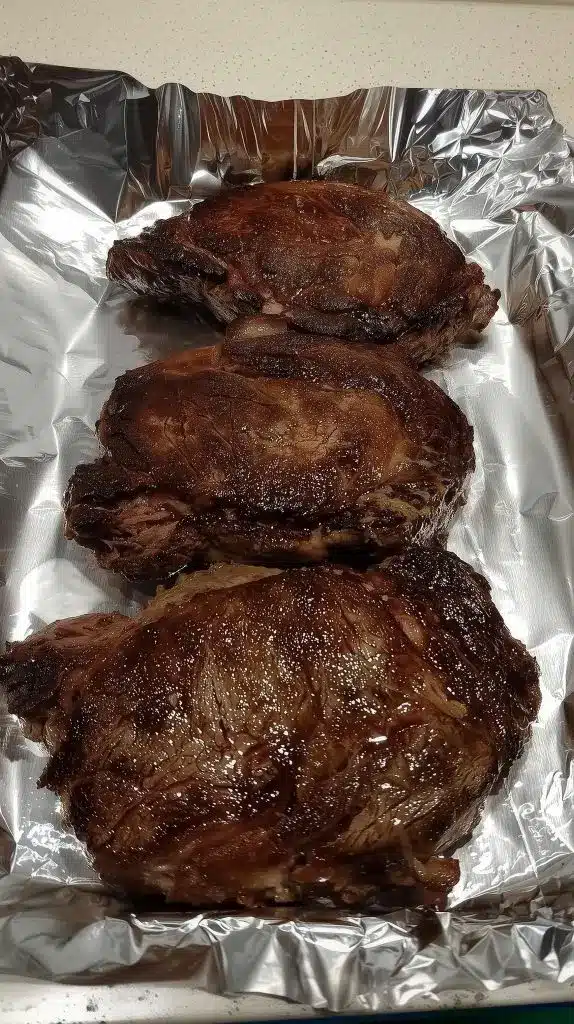
How to Serve This Dish
Presentation is key when serving a meal this luxurious. Slice the ribeye against the grain into thick strips and fan them out on a warmed plate. Drizzle the ribeye steak red wine sauce generously over the center of the meat, allowing some to pool around the base. A final sprinkle of flaky sea salt and some fresh minced parsley can add a pop of color and texture that makes the dish look like it came straight from a chef’s kitchen.
Perfect Side Dishes
To soak up that incredible sauce, serve the steak alongside garlic mashed potatoes or a creamy risotto. If you prefer something lighter, roasted root vegetables like carrots or parsnips provide a natural sweetness that complements the acidity of the wine. A simple side of sautéed haricots verts or asparagus with lemon zest offers a bright contrast to the heavy, savory flavors of the beef and butter.
Drink Pairings
The best rule of thumb is to serve the same wine you used in the sauce. A bold Cabernet Sauvignon has enough tannins to stand up to the fat of the ribeye, while a Zinfandel can highlight the fruitier notes of the reduction. If you prefer beer, a dark Stout or an Abbey-style Dubbel has the malty depth to match the umami in the red wine reduction.
Storage and Make-Ahead
Storing Leftovers
If you have leftover steak and sauce, store them in separate airtight containers in the refrigerator. The steak will stay fresh for up to 3 days. The sauce will solidify in the fridge due to the butter content; this is normal and expected. When you are ready to eat, you can simply reheat the sauce gently over low heat until it becomes liquid again.
Reheating Tips
To reheat the steak without overcooking it, place it in a low oven (250°F) until just warmed through. For the sauce, use a small saucepan over low heat. If the sauce looks a bit thick or broken after sitting, whisk in a teaspoon of water or beef stock to bring back its glossy consistency. Avoid the microwave for both the steak and the sauce, as it tends to make the meat rubbery and the sauce oily.
Final Thoughts
Creating a ribeye steak red wine sauce is a rewarding culinary project that brings the elegance of fine dining into your own kitchen. It is a recipe that celebrates the fundamentals of cooking: seasoning, searing, and reducing. Once you understand how to balance the richness of the beef with the complexity of the wine, you’ll find yourself reaching for this technique again and again. It’s more than just a meal; it’s a centerpiece that turns any evening into a celebration of great food and bold flavors.
Frequently Asked Questions
What is the best red wine for this sauce?
For a ribeye steak red wine sauce, you want a dry, mid-range wine. Cabernet Sauvignon is the most popular choice because its structure matches the beef perfectly. Merlot or a French Bordeaux also work well. Avoid sweet wines or very light reds like Pinot Noir, which may get lost among the heavy flavors of the ribeye and beef stock.
Can I make the sauce ahead of time?
While the sauce is best served fresh, you can prepare the reduction (wine and stock) up to a day in advance. When you are ready to serve, reheat the reduction in the pan you used for the steak and finish by whisking in the cold butter. This saves time and ensures the sauce still benefits from those fresh pan drippings.
Do I have to use a cast iron skillet?
While a cast iron steak is the gold standard for creating a crust, a heavy stainless steel pan is also an excellent choice. The most important factor is the pan’s ability to hold heat and create “fond,” which is the base of your sauce. Avoid non-stick pans, as they don’t allow the meat to caramelize properly.
Is this sauce the same as a Bordelaise?
It is very similar! A traditional Bordelaise sauce typically uses bone marrow and a specific red wine from the Bordeaux region. This ribeye steak red wine sauce is a simplified version of that classic French sauce, focusing on the same flavor profile but using more accessible ingredients like butter and high-quality stock to achieve that rich texture.
How do I know when the sauce is reduced enough?
The “spoon test” is your best friend here. Dip a metal spoon into the sauce and run your finger through the coating on the back. If the line stays clear and the sauce doesn’t run back into the gap, it is reduced enough. It should look like a thin syrup or a heavy glaze before you start adding the butter.
Seared Ribeye Steak With Red Wine Pan Gravy

A restaurant-quality pan-seared ribeye steak featuring a rich, velvety red wine reduction gravy. This recipe focuses on achieving a perfect crust and a flavorful sauce made directly in the skillet.
- 2 boneless ribeye steaks (12-14 oz each), at room temperature
- 2 tablespoons vegetable oil
- 3 tablespoons unsalted butter, divided
- 3 cloves garlic, smashed
- 2 sprigs fresh rosemary or thyme
- 1/2 cup dry red wine (such as Cabernet Sauvignon)
- 1/2 cup beef stock
- 1 small shallot, finely minced
- Kosher salt and freshly cracked black pepper to taste
- 1Pat the steaks completely dry with paper towels and season generously on both sides with salt and pepper.
- 2Heat vegetable oil in a large cast-iron skillet over high heat until it just begins to smoke.
- 3Carefully place steaks in the pan and sear for 3-4 minutes per side until a deep brown crust forms.
- 4Reduce heat to medium-high; add 1 tablespoon of butter, garlic, and herbs. Baste the steaks with the melting butter for 1 minute.
- 5Remove steaks from the pan and let them rest on a plate for 5-10 minutes.
- 6In the same pan, sauté shallots in the remaining fat until softened. Pour in the red wine to deglaze, scraping up the browned bits.
- 7Add beef stock and simmer until the liquid is reduced by half.
- 8Whisk in the remaining 2 tablespoons of cold butter until the sauce is glossy and thickened. Season with salt and pepper.
- 9Slice the steak and spoon the red wine gravy over the top before serving.
Keywords: ribeye, steak, red wine gravy, pan sear, dinner, beef


