
Southern Pecan Pie

There is something inherently nostalgic about the aroma of toasted nuts and caramelized sugar wafting through a kitchen during the holidays. For many, a classic southern dessert is the centerpiece of the table, offering a rich, decadent finish to a celebratory meal. This best southern pecan pie recipe captures that perfect balance between a crisp, buttery crust and a deeply flavorful, gooey center that isn’t cloyingly sweet, but rather complex and satisfying.
Mastering this iconic dish is a rite of passage for any home baker looking to elevate their holiday dessert table. While many versions of this pie exist, the secret lies in the quality of the pecans and the precision of the bake. By focusing on a few key techniques, such as properly toasted nuts and a perfectly set custard, you can achieve a professional-level result that rivals the most famous bakeries in the South. This guide will walk you through the nuances of creating a pie that is as beautiful as it is delicious.
Why This Recipe Is a Keeper
- Iconic Texture: This recipe achieves the ultimate contrast between a flaky pie crust, a smooth, gooey pecan filling, and the crunch of toasted pecan halves on top.
- Balanced Sweetness: By using a combination of sugars and a hint of salt, we move beyond a simple sugar rush to a sophisticated flavor profile with notes of toffee and vanilla.
- Make-Ahead Friendly: Because the flavors actually deepen as the pie sets, this is an ideal candidate for preparing a day in advance, reducing stress during busy holiday hosting.
- Pantry Staples: Most of the essential components are likely already in your cupboard, making this an accessible luxury that doesn’t require a specialty grocery run.
Ingredients You’ll Need
To create a truly exceptional homemade pecan pie, every ingredient must serve a specific purpose. From the fat content in the butter to the type of syrup used, these components work together to create the signature “slump” and shine that Southerners know and love.
- Pecan Halves: Use fresh, high-quality pecans. Toasting them lightly before adding them to the filling releases their natural oils and ensures they stay crunchy rather than becoming soft during the bake.
- Dark Corn Syrup: This provides the necessary viscosity and deep amber color. It prevents the sugar from crystallizing, resulting in that iconic, silky-smooth custard texture.
- Granulated and Brown Sugar: A blend of both offers the structure of white sugar with the moisture and molasses-like undertones of brown sugar.
- Unsalted Butter: Melting the butter before whisking it into the filling adds a rich, savory element that cuts through the sweetness of the syrups.
- Large Eggs: These act as the primary binding agent, giving the custard enough body to hold its shape when sliced while maintaining a tender mouthfeel.
- Vanilla Extract and Salt: These are the “seasonings” of the dessert world. Vanilla provides floral depth, while salt is crucial for balancing the high sugar content.
- Pie Crust: Whether you choose a handmade lard-based crust or a butter-heavy pâte brisée, the goal is a sturdy, flaky pie crust that can support the heavy filling without becoming soggy.
Easy Ways to Change It Up
Chocolate Pecan Variation: For a modern twist, scatter a half-cup of semi-sweet chocolate chips into the bottom of the crust before pouring in the filling. The heat from the oven melts the chocolate into a rich layer that complements the nuts perfectly.
Bourbon Infusion: Add two tablespoons of high-quality Kentucky bourbon to the custard mix. The alcohol cooks off, leaving behind smoky, oaky notes that pair beautifully with the toasted pecans and dark syrup.
Maple Substitution: If you prefer to avoid corn syrup, you can substitute a high-quality, Grade A maple syrup. Keep in mind that the filling may be slightly less stable and will have a distinct, delicious maple forward flavor.
Salted Caramel Style: Increase the salt slightly and drizzle a small amount of homemade caramel over the top after the pie has cooled. This amplifies the toffee notes already present in the baked sugars.
How to Make the Best Southern Pecan Pie Recipe
Step 1: Prepare and Par-Bake the Crust
Start by rolling out your dough and fitting it into a deep-dish pie plate. To prevent the dreaded “soggy bottom,” it is often helpful to chill the crust thoroughly before blind baking. Line the dough with parchment paper and fill it with pie weights or dried beans. Bake at a high heat for about 10-12 minutes until the edges are set but not fully browned. This creates a moisture barrier that keeps the flaky pie crust crisp even after the liquid filling is added.
Step 2: Toast the Pecans for Maximum Flavor
While the crust cools slightly, spread your pecan halves on a baking sheet and toast them in the oven for 5 to 8 minutes. You are looking for a fragrant aroma and a slightly darkened hue. This step is essential for the best southern pecan pie recipe because raw pecans can sometimes taste “green” or damp once they are submerged in the sugary custard. Toasting ensures they remain the star of the show with a robust, nutty profile.
Step 3: Whisk the Custard Base
In a large mixing bowl, combine the corn syrup, sugars, melted butter, vanilla, and salt. Whisk in the eggs one at a time until the mixture is completely homogenous and glossy. Avoid over-whisking at this stage; you want to incorporate the eggs without creating too many air bubbles, which could cause the pie to puff up like a souffle and then collapse, resulting in an uneven surface.
Step 4: Assemble the Layers
Place your toasted pecans into the bottom of the par-baked crust. You can either chop them for a more uniform texture or arrange them in concentric circles for a classic, professional look. Slowly pour the liquid egg and syrup mixture over the pecans. The nuts will naturally rise to the top, coating themselves in the syrup, which helps them caramelize beautifully during the final stage of baking.
Step 5: Bake Until the Perfect Jiggle
Slide the pie into the center of the oven. The most critical part of this homemade pecan pie is the timing. You want to bake it until the edges are set and slightly puffed, but the center still has a slight, gelatinous jiggle when the pan is gently shaken. If the center is completely firm, the pie is likely overcooked and may become grainy. If it is too liquid, it won’t slice cleanly. This usually takes between 50 and 60 minutes at a moderate temperature.
Pro Tips for Success
- Tip: Use a pie shield or strips of aluminum foil to cover the edges of the crust halfway through baking. This prevents the delicate pastry from burning while the dense filling finishes setting.
- Tip: Ensure your eggs are at room temperature. Cold eggs can cause the melted butter to seize up, creating small clumps in your custard rather than a smooth, unified filling.
- Tip: Let the pie cool completely. This is the hardest part, but a pecan pie needs at least 4 hours (and ideally 8) to fully set. Slicing too early will result in a messy, runny filling.
- Tip: For the best visual result, save a handful of the prettiest pecan halves to specifically place on the top surface after you’ve poured the liquid in.
Troubleshooting Common Problems
Why Is My Filling Runny?
A runny filling is usually the result of underbaking or a lack of cooling time. The gooey pecan filling relies on the eggs reaching a specific temperature to coagulate and hold the syrup. If you find the pie is liquid after cooling, it likely needed another 5-10 minutes in the oven. Always check for that “jiggle” rather than a “slosh.”
Why Did the Top of My Pie Crack?
Cracking typically occurs when the pie has been overbaked or the oven temperature was too high. When the eggs cook too quickly, they expand and then contract, pulling the surface apart. To avoid this, use an oven thermometer to ensure your heat is accurate and pull the pie out while the center is still slightly moving.
Why is the Crust Soggy?
This is often caused by pouring the filling into a raw, cold crust. Par-baking (blind baking) the crust for a few minutes creates a cooked layer of starch that resists the moisture from the custard. Additionally, make sure your filling isn’t boiling hot when it hits the dough.
How to Serve Your Pie
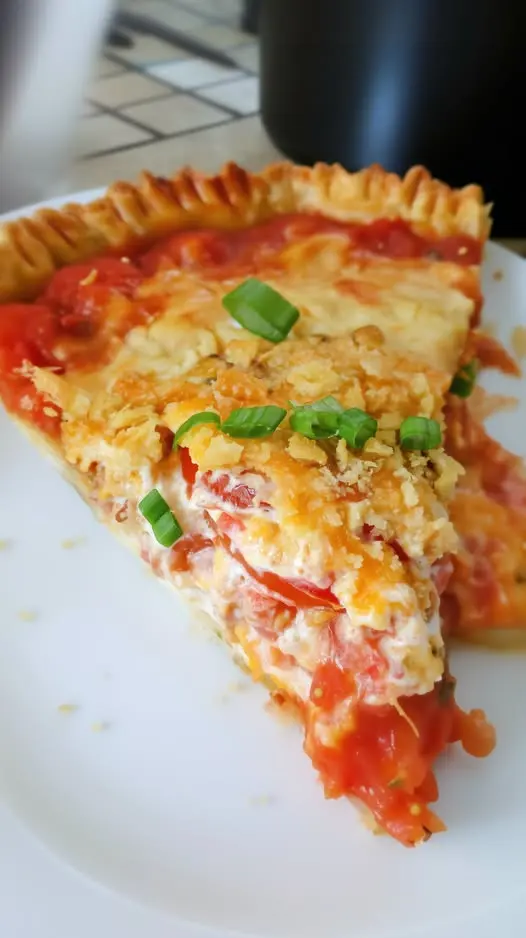
A classic southern dessert of this caliber deserves a thoughtful presentation. While the pie is incredibly rich on its own, a few simple accompaniments can balance the sweetness and add a fresh element to the plate.
Traditional Toppings
The most popular way to serve this dish is with a generous dollop of unsweetened or lightly sweetened whipped cream. The airy texture and dairy fat help cleanse the palate between rich bites of the gooey pecan filling. Alternatively, a scoop of high-quality vanilla bean ice cream creates a “pie à la mode” experience that is hard to beat, especially if the pie is served slightly warm.
Garnishes and Pairings
For a sophisticated touch, a light dusting of sea salt over the top of the slice can highlight the caramel notes. When it comes to beverages, a strong, dark roast coffee or a glass of cold milk provides a bitter or neutral contrast to the sugary filling. For an evening pairing, a small glass of tawny port or an aged bourbon mirrors the toasted, woody flavors of the pecans.
Storage and Make-Ahead
Storing Leftovers
Because of the high egg and sugar content, pecan pie should be stored in the refrigerator. Once the pie has cooled completely to room temperature, wrap it tightly in plastic wrap or aluminum foil. It will stay fresh and delicious for up to 4 days. In fact, many people find the best southern pecan pie recipe tastes even better on the second day as the flavors meld.
Freezing Instructions
Pecan pie freezes remarkably well. To freeze, wrap the fully cooled pie in several layers of plastic wrap and then a layer of heavy-duty foil. It can be frozen for up to 2 months. To serve, thaw the pie overnight in the refrigerator and then bring it to room temperature or warm it briefly in a low oven to refresh the crust.
Final Thoughts
Creating the best southern pecan pie recipe is about more than just following a list of instructions; it is about embracing the slow, methodical process of Southern baking. From the careful arrangement of the nuts to the patient waiting period while the custard sets, every moment contributes to a result that is far superior to any store-bought alternative. Whether you are serving this for a thanksgiving dessert or a simple Sunday dinner, it remains a timeless symbol of hospitality and culinary tradition. With its buttery crust and soul-warming sweetness, it is a recipe that you will likely find yourself returning to year after year.
Frequently Asked Questions
Do I have to use corn syrup for this pie?
While dark corn syrup is traditional for achieving the specific texture of a classic southern dessert, you can use substitutes like brown rice syrup or maple syrup. However, corn syrup is a “glucose syrup,” which is specifically effective at preventing sugar crystals from forming, ensuring that the filling remains perfectly smooth and gooey rather than gritty.
How can I tell if my pecan pie is done?
The best way to judge doneness is the “jiggle test.” Gently shake the pie pan; the edges should be stable and firm, while the center two inches should move slightly, like set Jell-O. If the entire surface ripples, it needs more time. If it doesn’t move at all, it is likely overdone. An instant-read thermometer inserted into the center should read approximately 200°F (93°C).
Should I use light or dark corn syrup?
You can use either, but dark corn syrup is generally preferred for the best southern pecan pie recipe. Dark corn syrup contains a small amount of refiners’ syrup (a type of molasses), which adds a deeper color and a more robust, toasty flavor that stands up well to the richness of the pecans and butter.
Can I make this pie gluten-free?
Yes, the filling itself is naturally gluten-free as long as your vanilla extract is pure. To make the entire dessert gluten-free, simply swap the standard flaky pie crust for your favorite gluten-free pastry recipe or a store-bought gluten-free crust. The baking times and temperatures for the filling will remain the same.
Why did my pecans burn before the pie was finished?
If your pecans are darkening too quickly, it is usually because they were placed too close to the top heating element of the oven. You can easily fix this by tenting the pie with a piece of aluminum foil for the last 20 minutes of baking. This allows the internal custard to reach the correct temperature without further browning the nuts on the surface.
Classic Southern Pecan Pie

A quintessential Southern dessert featuring a rich, gooey center packed with crunchy pecans and a buttery, flaky crust.
- 1 (9-inch) unbaked deep-dish pie crust
- 1 cup granulated sugar
- 1 cup dark corn syrup
- 1/2 cup unsalted butter, melted
- 3 large eggs, lightly beaten
- 1 1/2 cups pecan halves
- 1 teaspoon vanilla extract
- 1/4 teaspoon salt
- 1Preheat oven to 350°F (175°C).
- 2In a large mixing bowl, combine the granulated sugar, dark corn syrup, melted butter, eggs, vanilla extract, and salt. Whisk until the mixture is smooth and well incorporated.
- 3Fold in the pecan halves using a spatula.
- 4Pour the filling into the unbaked pie crust, spreading the pecans evenly.
- 5Bake for 55 to 60 minutes. The edges should be set, and the center should have a slight jiggle.
- 6Remove from the oven and let cool completely on a wire rack for at least 2 hours to allow the filling to set properly before slicing.
Keywords: pecan pie, southern dessert, holiday recipes, thanksgiving pie, homemade pie


