
Beef Vegetable Stew

There is something undeniably nostalgic and deeply satisfying about a big pot of hearty beef vegetable stew recipe simmering on the stove. As the kitchen fills with the savory aroma of slow-cooked beef and earthy herbs, it signals a meal that is meant to be savored. This isn’t just a quick soup; it’s a soul-warming experience that combines tender, melt-in-your-mouth beef with a medley of garden-fresh vegetables in a rich, velvety gravy. It represents the pinnacle of classic comfort food, offering a nutritional powerhouse that feels like a warm hug in a bowl.
The beauty of this dish lies in the patience of the cooking process. By allowing the beef to braise slowly, the connective tissues break down into gelatin, creating a luxurious mouthfeel that you simply cannot achieve with high-heat cooking. Whether you are seeking a reliable weekend project or a way to feed a hungry family with wholesome ingredients, this recipe delivers a depth of flavor that only improves with time. Let’s dive into the techniques and ingredients that make this easy beef stew recipe a permanent fixture in any home cook’s repertoire.
Why This Recipe Is a Keeper
- Deep, Developed Flavor: By searing the meat and deglazing the pan, you build layers of umami that make the broth exceptionally rich and savory.
- Nutritionally Balanced: This meal is a true one-pot wonder, packed with high-quality protein and a variety of fiber-rich vegetables like carrots, potatoes, and peas.
- Perfect for Meal Prep: Like many braised dishes, this stew actually tastes better the next day after the flavors have had a chance to meld and mature in the refrigerator.
- Highly Customizable: This recipe serves as a fantastic base, allowing you to swap out vegetables or adjust the thickness to suit your personal preferences.
Ingredients You’ll Need
To create a truly slow-cooked beef stew, the quality and selection of your ingredients are paramount. Each component plays a specific role in balancing the fat, acidity, and earthiness of the final dish. Here is a look at the key players that bring this stew to life.
- Beef Chuck Roast: This is the gold standard for stewing meat. Unlike leaner cuts, chuck roast has plenty of intramuscular fat and connective tissue that transforms into tender beef chunks during the long simmering process.
- Aromatics (Onion, Garlic, and Celery): These provide the foundational flavor profile. Sautéing them until softened releases their natural sugars, which helps sweeten the base of the stew.
- Root Vegetables (Carrots and Potatoes): Potatoes add heartiness and release a bit of starch to help thicken the broth, while carrots provide a subtle sweetness and bright color.
- Beef Stock: Use a high-quality stock or bone broth to provide the liquid base. It adds much more body and richness than water ever could.
- Tomato Paste: A small amount of tomato paste adds a concentrated hit of acidity and umami, which helps deepen the color of the gravy.
- Red Wine (Optional): A dry red like Cabernet or Merlot is perfect for deglazing the pan, lifting the browned bits (fond) off the bottom to incorporate them into the sauce.
- Fresh Herbs: Thyme, rosemary, and bay leaves are classic additions that provide an earthy, woodsy aroma that cuts through the richness of the beef.
- Worcestershire Sauce: A secret weapon in many kitchens, this adds a complex salty-sweet-tangy element that enhances the meatiness of the dish.
Easy Ways to Change It Up
- The Vegetable Swap: If you aren’t a fan of peas, try adding green beans, parsnips, or even chopped kale toward the end of the cooking time for a different nutritional profile.
- Make It Gluten-Free: Instead of using a flour-based roux to thicken the stew, you can use a cornstarch slurry at the very end or simply rely on the natural starches from the potatoes.
- Spice It Up: For those who enjoy a bit of heat, a pinch of red pepper flakes or a dash of smoked paprika can add a wonderful warmth to the hearty beef vegetable stew recipe.
- Mushroom Boost: Adding cremini or shiitake mushrooms during the aromatic stage provides a boost of “meaty” texture and extra umami flavor.
How to Make This Hearty Beef Vegetable Stew Recipe
Step 1: Sear the Beef to Build Flavor
The most important step in any dutch oven beef stew is the initial sear. Cut your beef into uniform cubes and pat them dry with paper towels; moisture is the enemy of browning. Season the meat generously and sear it in batches in a hot pot with a little oil. You are looking for a deep, dark brown crust on all sides. This process, known as the Maillard reaction, creates the complex flavor compounds that define a great stew. Once browned, remove the beef and set it aside, but keep those brown bits at the bottom of the pot.
Step 2: Sauté the Aromatics and Deglaze
In the same pot, add your onions, celery, and carrots. As they cook, they will begin to release moisture, which helps loosen the flavorful crust left behind by the beef. Stir in the garlic and tomato paste, cooking for just a minute until the paste turns a shade darker. If you are using red wine, pour it in now and use a wooden spoon to scrape every last bit of flavor off the bottom. This ensures that no taste is wasted and creates a sophisticated base for your classic comfort food.
Step 3: Simmer Low and Slow
Return the beef to the pot along with any accumulated juices. Add your beef stock, Worcestershire sauce, and herbs. Bring the liquid to a very gentle boil, then immediately reduce the heat to low. Cover the pot and let it simmer. The goal is a “lazy bubble”—if the liquid is boiling too hard, the meat will become tough and stringy rather than tender. This is where the magic happens as the beef begins its transformation into tender beef chunks.
Step 4: Add the Vegetables and Finish
After the beef has had a head start (usually about 60 to 90 minutes), it’s time to add the potatoes. Adding them too early can cause them to disintegrate into the broth. Cook until the potatoes are fork-tender. In the final minutes, stir in frozen peas or other delicate vegetables. Taste your hearty beef vegetable stew recipe and adjust the seasoning with salt and pepper. If you prefer a thicker gravy, you can simmer it uncovered for the last 15 minutes to reduce the liquid.
Pro Tips for the Best Results
- Don’t Crowd the Pan: When searing the beef, do it in at least two or three batches. If you put too much meat in at once, the temperature of the pot drops, and the meat will steam in its own juices instead of browning.
- Use the Right Potatoes: Waxy potatoes like Yukon Gold hold their shape better during long cooking than starchy Russets, which tend to fall apart.
- Cut Vegetables Uniformly: Try to keep your potato and carrot chunks roughly the same size so they cook at the same rate.
- Fresh Herbs Matter: While dried herbs work in a pinch, fresh thyme and rosemary provide a brightness that lifts the heavy flavors of the beef and broth.
- Let It Rest: Before serving, let the stew sit for about 10 minutes off the heat. This allows the sauce to thicken slightly and the flavors to settle.
Troubleshooting Common Problems
Why Is My Beef Still Tough?
The most common reason for tough beef is simply not cooking it long enough. Stew meat is high in collagen, which requires time and low heat to convert into gelatin. If it’s still chewy, put the lid back on and give it another 30 minutes. Also, ensure you aren’t boiling the stew; high heat can actually seize the muscle fibers and make them dry.
What If My Stew Is Too Thin?
If you prefer a thicker, more “stew-like” consistency, you have a few options. You can mash a few of the cooked potato chunks directly into the broth to release their starch. Alternatively, mix a tablespoon of cornstarch with a tablespoon of cold water to create a slurry, stir it into the boiling stew, and watch it thicken instantly.
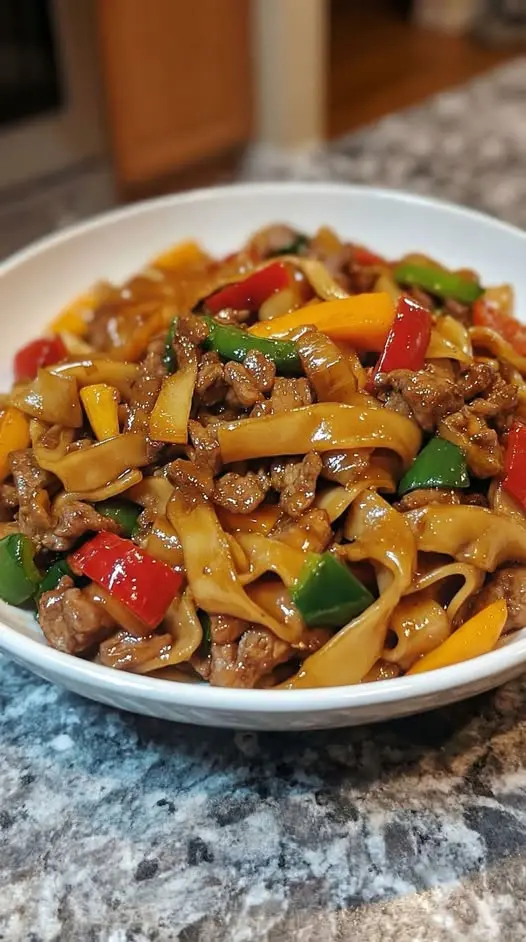
How to Serve Your Beef Stew
Presentation and accompaniment can turn a simple bowl of slow-cooked beef stew into a gourmet feast. Traditionally, this stew is served in wide, shallow bowls to allow for plenty of gravy-dipping real estate. A sprinkle of fresh chopped parsley or chives right before serving adds a pop of color and a fresh finish that contrasts beautifully with the deep, savory notes of the dish.
Perfect Pairings
The classic companion for this hearty beef vegetable stew recipe is a thick slice of crusty sourdough or a warm baguette. The bread acts as a sponge for the delicious gravy. For a more substantial meal, you can serve the stew over a bed of creamy mashed potatoes or even wide egg noodles. If you want to add a bit of acidity to the meal, a crisp green salad with a simple lemon vinaigrette provides a refreshing palate cleanser between bites of the rich stew.
Storage and Make-Ahead
Storing Leftovers
This easy beef stew recipe stores incredibly well. Transfer cooled leftovers to airtight containers and keep them in the refrigerator for up to 4 days. As the stew sits, the starch from the potatoes continues to thicken the sauce, making it even more decadent the next day.
Freezing Instructions
Beef stew is freezer-friendly, though be aware that potatoes can sometimes change texture (becoming slightly grainy) after being frozen and thawed. To freeze, leave about an inch of headspace in your container to allow for expansion. It will stay fresh for up to 3 months. Thaw overnight in the refrigerator before reheating.
Reheating
The best way to reheat is on the stovetop over medium-low heat. You may need to add a splash of water or extra beef broth to loosen the gravy, as it will thicken significantly while cold. Avoid the microwave if possible, as it can heat the meat unevenly and make it rubbery.
Final Thoughts
Mastering a hearty beef vegetable stew recipe is a rite of passage for any home cook. It is a dish that rewards patience and attention to detail, turning humble ingredients into something truly extraordinary. Whether you are hunkering down for a snowy evening or simply want to provide your family with a nutritious, homemade meal, this stew never disappoints. Its versatility and timeless appeal ensure that it will remain a favorite for years to come. So, grab your dutch oven, sear that beef, and enjoy the process of creating a classic comfort food masterpiece.
Frequently Asked Questions
What is the best cut of beef for stew?
The best cut is undoubtedly beef chuck roast. It comes from the shoulder of the cow and contains the perfect balance of fat and connective tissue. While you can buy pre-cut “stew meat” at the grocery store, these are often scraps from various different cuts that cook at different rates. Buying a whole chuck roast and cutting it yourself ensures consistent tender beef chunks every time.
Can I make this beef stew in a slow cooker?
Yes, you can adapt this to a slow cooker easily. However, for the best flavor, I highly recommend still searing the meat and sautéing the aromatics in a skillet before transferring everything to the crockpot. Cook on low for 7–8 hours or on high for 4–5 hours. The long, low heat of a slow cooker is perfect for achieving that slow-cooked beef stew texture.
Do I have to use wine in the recipe?
Not at all! While red wine adds a lovely acidity and depth of flavor, you can easily substitute it with an equal amount of extra beef broth and a teaspoon of balsamic vinegar or red wine vinegar. This provides the necessary acidity to balance the richness of the beef without the alcohol content.
How do I keep my vegetables from getting mushy?
The secret is timing. Don’t add all your ingredients at once. The beef needs much longer to cook than the vegetables. By adding the potatoes and carrots halfway through the cooking process, you ensure they become tender and buttery without losing their structure or turning into a puree within the broth.
Can I make this stew ahead of time?
Absolutely! In fact, many chefs recommend making classic comfort food like this a full day in advance. The flavors develop and deepen as they sit. Simply cool the stew, refrigerate it, and reheat it gently on the stove when you are ready to serve. It’s the ultimate stress-free meal for entertaining guests.
Hearty Beef Vegetable Stew

This comforting beef vegetable stew is slow-cooked to perfection, featuring tender chunks of beef and a medley of fresh vegetables in a rich, savory gravy. It is the ultimate cold-weather comfort food.
- 2 lbs beef chuck roast, cut into 1-inch cubes
- 2 tablespoons olive oil
- 1 large onion, chopped
- 3 cloves garlic, minced
- 4 large carrots, sliced into rounds
- 3 stalks celery, sliced
- 4 gold potatoes, cubed
- 4 cups beef broth
- 2 tablespoons tomato paste
- 1 tablespoon Worcestershire sauce
- 1 teaspoon dried thyme
- 1 teaspoon dried rosemary
- 2 bay leaves
- 1 cup frozen peas
- Salt and black pepper to taste
- 1Preheat oven to 325°F (165°C). Season the beef cubes generously with salt and pepper.
- 2In a large Dutch oven, heat olive oil over medium-high heat. Brown the beef in batches until seared on all sides, then remove and set aside.
- 3In the same pot, add onions, carrots, and celery. Cook for 5-7 minutes until slightly softened. Add garlic and cook for 1 minute more.
- 4Stir in the tomato paste, coating the vegetables, and cook for 2 minutes to caramelize.
- 5Pour in a bit of beef broth to deglaze the bottom of the pot, scraping up any browned bits.
- 6Return the beef to the pot along with the potatoes, remaining beef broth, Worcestershire sauce, thyme, rosemary, and bay leaves.
- 7Cover with a tight-fitting lid and place in the oven. Bake for 2 to 2.5 hours or until the beef is fork-tender.
- 8Remove from oven, stir in the frozen peas, and let sit for 5 minutes before serving. Discard bay leaves.
Keywords: beef stew, beef vegetable stew, comfort food, hearty dinner, slow cooked beef


