
Fluffy Homemade Biscuits

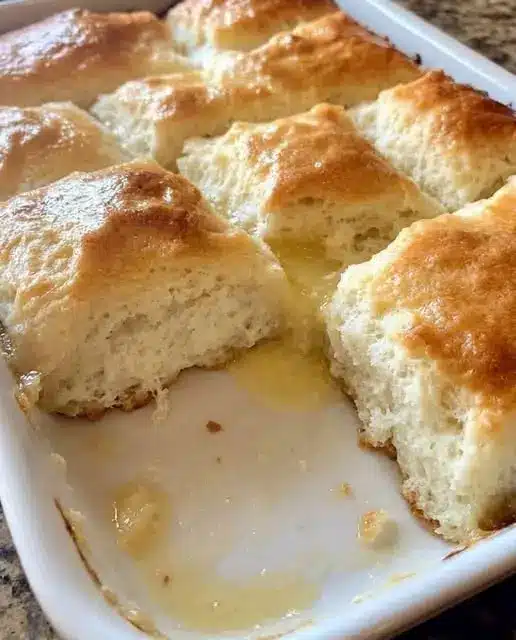
There is nothing quite like the aroma of fresh dough rising in a hot oven, filling the kitchen with a scent that promises comfort and warmth. Achieving the best fluffy homemade biscuit recipe is often considered a rite of passage for home bakers, as it relies on a delicate balance of simple ingredients and specific handling. A truly great biscuit should have a golden-brown, slightly crisp exterior that gives way to a center filled with flaky layers and a tender, buttery crumb. It is the kind of staple that transforms a simple breakfast into a feast and turns a basic stew into a memorable family dinner.
Mastering this classic doesn’t require professional bakery equipment, but it does benefit from understanding a few foundational techniques. By focusing on the temperature of your fats and the way you handle the dough, you can produce buttermilk biscuits that stand tall and pull apart with ease. This guide will walk you through the nuances of the cold butter technique and the simple folding process that ensures your biscuits are never tough or flat, but always light and airy.
Why This Recipe Is a Keeper
- Sky-High Rise: By using a specific folding technique, you create dozens of microscopic layers of fat and flour that puff up beautifully in the heat of the oven.
- Superior Texture: The combination of cold fats and tangy buttermilk creates a crumb that is incredibly tender while maintaining enough structure to hold up to gravy or jam.
- Versatile Flavor: With a hint of salt and a rich buttery finish, these biscuits pair perfectly with both savory main courses and sweet breakfast spreads.
- Make-Ahead Friendly: You can easily prep the dough or even freeze the unbaked rounds, making it possible to have fresh, warm bread on the table in minutes.
Ingredients You’ll Need
The beauty of a classic biscuit lies in its brevity; you likely already have everything you need in your pantry. However, the quality and state of these ingredients are what separate a mediocre biscuit from the best fluffy homemade biscuit recipe you have ever tasted.
- All-Purpose Flour: This provides the necessary protein structure. For the lightest results, look for a brand with a moderate protein content, which ensures the biscuits are sturdy but not bready.
- Unsalted Butter: It is crucial that your butter is stone-cold. Cold butter creates steam as it melts in the oven, which is the primary driver for those coveted flaky layers.
- Cold Buttermilk: The acidity in buttermilk reacts with the leavening agents to provide lift and adds a subtle tang that balances the richness of the butter.
- Baking Powder and Baking Soda: This dual-leavening approach ensures a powerful rise both when the liquid hits the flour and when the dough hits the heat.
- Salt: Essential for sharpening the buttery flavors. Without enough salt, the biscuits can taste flat and floury.
- Sugar (Optional): A tiny amount doesn’t make the biscuits sweet, but it helps with the browning of the crust through caramelization.
Simple Swaps and Variations
While the traditional version is a masterpiece of simplicity, there are several ways to adapt this recipe to suit your specific tastes or what you have available in your kitchen.
- Cheesy Herb Biscuits: Fold in a half-cup of sharp cheddar cheese and a tablespoon of fresh chives or dried rosemary into the dry ingredients for a savory twist.
- Honey Butter Glaze: For a southern style biscuits experience, brush the tops with a mixture of melted butter and honey immediately after they come out of the oven.
- Whole Wheat Variation: Replace up to half of the all-purpose flour with whole wheat pastry flour for a nuttier flavor, though the biscuits may be slightly more dense.
- Dairy-Free Alternative: Use a high-quality vegan butter stick (ensure it is very cold) and sub the buttermilk for soy milk mixed with a teaspoon of lemon juice.
How to Make the Best Fluffy Homemade Biscuit Recipe
Step 1: Whisk the Dry Ingredients and Prep the Fat
Begin by thoroughly whisking your flour, leavening agents, salt, and optional sugar in a large bowl. This ensures that the baking powder is evenly distributed, which prevents lopsided biscuits. Your butter should be taken out of the refrigerator at the very last second. Cut it into small cubes or, for even better distribution, grate the cold butter into the flour. Use a pastry cutter or your fingertips to work the fat into the flour until the mixture resembles coarse meal with some pea-sized lumps of butter still visible.
Step 2: Incorporate the Cold Buttermilk
Create a well in the center of your flour mixture and pour in the chilled buttermilk. Use a spatula or a fork to gently toss the flour into the liquid. The goal here is to hydrate the flour without overworking the dough. Stop as soon as a shaggy, messy dough begins to form. There should still be some dry flour at the bottom of the bowl; this will be incorporated during the folding process. Keeping the dough cold at this stage is vital for the cold butter technique to work effectively.
Step 3: Laminate for Maximum Flakiness
Turn the shaggy dough onto a lightly floured surface. Instead of kneading, which develops gluten and makes biscuits tough, you will use a “pat and fold” method. Gently pat the dough into a rectangle, then fold it in half. Turn it 90 degrees, pat it out again, and fold it again. Repeat this 5 to 6 times. This process, known as lamination, creates the physical layers of butter and dough that will expand in the oven to create flaky layers. Be careful not to use too much extra flour, as this can dry out the dough.
Step 4: Cut the Biscuits with Precision
Pat the dough out to a final thickness of about one inch. Use a sharp, floured biscuit cutter to press straight down into the dough. Crucial tip: Do not twist the cutter! Twisting seals the edges of the dough together, which prevents the biscuit from rising upward. Lift the cutter straight up and place the rounds on a parchment-lined baking sheet. For biscuits that help each other rise, place them so they are just touching each other on the pan.
Step 5: Bake at High Heat for the Ultimate Rise
Slide the baking sheet into a preheated oven set to a high temperature, typically around 425°F (218°C). The intense heat causes the moisture in the cold butter to turn into steam instantly, pushing the layers of dough apart before the structure sets. Bake until the tops are a beautiful deep golden brown and the biscuits have doubled or tripled in height. This usually takes about 12 to 15 minutes depending on your oven’s calibration.
Pro Tips for the Best Results
- Tip: Keep everything cold. If your kitchen is hot, put your flour bowl in the fridge for 15 minutes before you start. You want the butter to remain solid until it hits the oven.
- Tip: Handle the dough as little as possible. The warmth from your hands can melt the butter, which will result in a heavy, greasy biscuit rather than a light one.
- Tip: Use a sharp cutter. If you don’t have a biscuit cutter, use a very sharp knife to cut the dough into squares. A dull edge or a glass rim will pinch the dough shut and inhibit the rise.
- Tip: Don’t over-mix. The dough should look “ugly” and shaggy when you first turn it out. It will smooth out and come together perfectly during the folding steps.
- Tip: Check your leavening agents. Baking powder loses its potency over time. If yours has been in the pantry for more than six months, test it or replace it to ensure a great rise.
Troubleshooting Common Problems
Why Are My Biscuits Hard and Tough?
Toughness is almost always the result of overworking the dough. When you knead or stir the dough too much, you develop gluten, which creates a bread-like texture rather than a tender crumb. To fix this, only mix until the liquid is barely incorporated and use the folding method sparingly.
Why Did My Biscuits Lean to One Side?
Lopsided biscuits usually happen for two reasons: uneven folding of the dough or twisting the biscuit cutter. Ensure your dough is an even thickness across the board, and remember to press the cutter straight down and pull it straight back up without any rotating motion.
Why Didn’t They Rise Very Much?
If your biscuits are flat, your oven might not be hot enough, or your baking powder might be expired. Additionally, if the butter was too soft or room temperature when it went into the oven, it will simply melt into the flour rather than creating the steam pockets necessary for a lift.
How to Serve Homemade Biscuits
The best fluffy homemade biscuit recipe is a blank canvas for a variety of delicious toppings and pairings. For a classic experience, serve them warm with a generous pat of salted butter and a drizzle of honey or a spread of high-quality fruit preserves. The heat from the biscuit will melt the butter into the layers, creating a decadent bite.
Breakfast and Brunch
Turn these into the star of your morning by splitting them open and topping them with a thick, peppery sausage gravy. Alternatively, use them as the base for a breakfast sandwich with a folded egg, crispy bacon, and a slice of sharp cheddar cheese. The sturdy structure of these biscuits makes them perfect for holding heavy fillings.
Dinner Sides
These biscuits are the ultimate companion to comfort food classics like fried chicken, pot roast, or hearty vegetable soups. Use them to sop up extra sauce or gravy. For a more formal dinner, brush the tops with garlic butter and a sprinkle of sea salt before serving to add an extra layer of savory flavor.
Storage and Make-Ahead
Storing Leftovers
Leftover biscuits should be cooled completely and then stored in an airtight container or a zip-top bag. They will stay fresh at room temperature for about 2 days or in the refrigerator for up to a week. To restore their “just-baked” texture, always reheat them before eating.
Freezing
You can freeze baked biscuits for up to 3 months. Wrap them individually in foil and place them in a freezer bag. Even better, you can freeze the unbaked dough rounds! Place the cut dough on a tray in the freezer until solid, then transfer to a bag. You can bake them straight from frozen; just add 3 to 5 minutes to the total baking time.
Reheating
Avoid the microwave if possible, as it can make the dough rubbery. Instead, place the biscuits on a baking sheet and warm them in a 350°F (175°C) oven for about 5 to 8 minutes until the exterior is crisp again and the center is hot.
Final Thoughts
Making the best fluffy homemade biscuit recipe is a rewarding skill that brings a touch of handcrafted love to any meal. While it may take one or two tries to get the “feel” for the dough, the results are incomparably better than anything you can find in a refrigerated tube. By keeping your ingredients cold and your touch light, you’ll be able to produce southern style biscuits that are the envy of every brunch. Whether you are serving them with a simple bowl of soup or as the centerpiece of a holiday breakfast, these biscuits are sure to become a requested favorite in your home.
Frequently Asked Questions
Can I use self-rising flour for this recipe?
Yes, you can use self-rising flour if that is what you have on hand. However, you will need to omit the baking powder, baking soda, and salt from the recipe, as self-rising flour already contains these ingredients. Keep in mind that different brands of self-rising flour have varying amounts of leavening, so the height of your buttermilk biscuits may vary slightly.
What if I don’t have buttermilk?
You can make a quick substitute by adding one tablespoon of white vinegar or lemon juice to a scant cup of regular whole milk. Let it sit for 5 to 10 minutes until it looks slightly curdled. While this provides the necessary acid for the rise, real buttermilk is thicker and provides a richer flavor and more tender flaky layers.
Should I use salted or unsalted butter?
Unsalted butter is preferred for the best fluffy homemade biscuit recipe because it allows you to control the exact amount of salt in the dough. Different brands of salted butter have varying salt levels, which can make your biscuits inconsistently salty. If you only have salted butter, simply reduce the added salt in the dry ingredients by half.
Can I make the dough in a food processor?
You can use a food processor to pulse the cold butter into the flour, which is very efficient. However, be extremely careful not to over-process. You still want those pea-sized chunks of butter. Once you add the buttermilk, remove the mixture from the processor and finish mixing by hand to ensure you don’t overwork the gluten.
Why do my biscuits taste like flour?
This usually happens if the biscuits are underbaked or if there isn’t enough salt or acid (buttermilk) to balance the flour. Ensure your oven is fully preheated to a high temperature so the center cooks through, and don’t be afraid to use the full amount of salt called for in the recipe to highlight the buttery notes.
Fluffy Homemade Biscuits

These Fluffy Homemade Biscuits are a kitchen classic, featuring towering, flaky layers and a rich, buttery taste. They are simple to prepare and pair perfectly with honey, jam, or savory gravy.
- 2 1/2 cups all-purpose flour
- 1 tablespoon baking powder
- 1 tablespoon granulated sugar
- 1 teaspoon salt
- 1/2 cup cold unsalted butter, cubed
- 1 cup cold buttermilk
- 1 tablespoon melted butter for brushing
- 1Preheat your oven to 425°F (220°C) and line a large baking sheet with parchment paper or a silicone mat.
- 2In a large mixing bowl, whisk together the flour, baking powder, sugar, and salt until well combined.
- 3Add the cold, cubed butter to the flour mixture. Use a pastry cutter or two forks to cut the butter into the flour until the mixture resembles coarse crumbs with some pea-sized pieces of butter remaining.
- 4Make a well in the center of the dry ingredients and pour in the cold buttermilk. Stir gently with a wooden spoon or spatula until the dough just comes together. Do not overwork the dough.
- 5Turn the dough out onto a lightly floured surface. Gently fold the dough over itself 5 to 6 times to create flaky layers.
- 6Pat the dough into a 1-inch thick rectangle. Use a 2.5-inch biscuit cutter to press straight down (do not twist) to cut out the biscuits.
- 7Place the biscuits on the prepared baking sheet so they are just touching each other; this helps them rise taller.
- 8Bake for 12-15 minutes, or until the tops are golden brown. Remove from the oven and immediately brush with melted butter.
Keywords: biscuits, homemade, baking, breakfast, buttermilk, flaky biscuits, side dish


