
If Your Legs Cramp at Night, Don’t Ignore It: What Your Body May Be Trying to Tell You

There is nothing quite as jarring as being jolted awake in the middle of the night by a sharp, involuntary tightening in your calf or foot. These sudden muscle spasms, often called charley horses, can be incredibly painful and leave your muscles feeling sore for hours afterward. Understanding the causes of nighttime leg cramps is the first step toward finding relief and ensuring you can get back to a restful night of sleep without the fear of a sudden, painful wake-up call.
While they are common and often harmless, these nocturnal leg cramps can significantly impact your quality of life if they happen frequently. They generally involve the calf muscles, though they can also strike the thighs or the arches of the feet. By looking at a combination of lifestyle factors, hydration levels, and nutritional habits, we can start to piece together why these cramps happen and how to manage them effectively so that sleep disruption becomes a thing of the past.
What Exactly Are Nighttime Leg Cramps?
Before diving into the specific causes of nighttime leg cramps, it is helpful to understand what is happening inside the body. A leg cramp is a sudden, involuntary contraction of one or more muscles. Unlike a muscle twitch, which is brief and usually painless, a cramp is a sustained contraction that can last anywhere from a few seconds to several minutes. During the episode, the affected muscle may feel hard to the touch or even appear visibly distorted under the skin.
For most people, these episodes occur specifically at night when the body is at rest. While the exact physiological trigger can vary from person to person, it is often related to the way our nerves communicate with our muscle fibers. When those signals get crossed or over-stimulated, the muscle stays “on” when it should be relaxing, leading to that characteristic intense pain.
Common Lifestyle Causes of Nighttime Leg Cramps
Many instances of leg cramping can be traced back to our daily habits and how we use our bodies during the waking hours. It is not always about what is happening while you sleep, but rather how your muscles were treated throughout the day.
- Muscle Fatigue: One of the most frequent causes of nighttime leg cramps is simply overworking the muscles. If you have recently increased your exercise intensity or spent the day walking on hard surfaces, your muscles may become fatigued. When muscles are tired, the neural signaling can become erratic, leading to spasms once you lie down to rest.
- Sedentary Behavior: On the flip side, sitting for long periods can also contribute to the problem. Prolonged sitting can cause the muscles to shorten and tighten over time. If you spend most of your day at a desk without taking breaks to move, your muscles may react poorly to the sudden transition of laying flat at night.
- Standing for Long Durations: People who work on their feet—such as teachers, nurses, or retail workers—often experience nocturnal leg cramps more frequently. The constant pressure on the lower limbs can lead to muscle exhaustion and poor circulation, both of which are common triggers.
- Improper Footwear: Wearing shoes that do not provide adequate arch support or heels that force the calf muscles into a perpetually contracted state can lead to issues later in the evening.
The Role of Nutrition and Hydration
What we put into our bodies—or what we lack—plays a massive role in how our muscles function. An electrolyte imbalance is a very common culprit when it comes to muscle dysfunction. Electrolytes like magnesium, potassium, calcium, and sodium help regulate muscle contractions and nerve signals. If these levels are off, your muscles may trigger involuntarily.
Magnesium, in particular, is often associated with muscle relaxation. Many modern diets are low in magnesium-rich foods like leafy greens, nuts, and seeds. When magnesium levels dip, the muscles may struggle to transition into a relaxed state. Similarly, potassium helps the nerves communicate with the muscles; a deficiency can lead to the very muscle spasms that keep you awake at night.
Hydration is another critical factor. Dehydration reduces the volume of fluid surrounding your cells, which can cause nerve endings to become hypersensitive and spontaneously discharge. This is why many people notice an increase in causes of nighttime leg cramps during the hot summer months or after a particularly sweaty workout where fluids weren’t adequately replaced.
Medical and Physiological Factors
While many cases are related to lifestyle and diet, some causes of nighttime leg cramps are linked to underlying physiological changes or medical conditions. It is important to look at the broader picture of your health if cramps become a chronic issue.
Pregnancy is a very common time for women to experience an increase in leg cramps, particularly during the second and third trimesters. This is likely due to a combination of increased weight, changes in circulation, and the extra demand for minerals like calcium and magnesium. Similarly, as we age, our tendons naturally shorten and muscle mass decreases, which is why older adults are statistically more likely to suffer from these nighttime episodes.
Certain medications may also list muscle cramping as a side effect. Diuretics, statins, and some blood pressure medications can alter the balance of fluids and minerals in the body. If you noticed your nocturnal leg cramps began around the same time you started a new medication, it is worth discussing with your healthcare provider. Additionally, conditions like diabetes, nerve disorders, and peripheral artery disease (which affects blood flow to the limbs) can manifest as leg pain or cramping at night.
Practical Relief and Prevention Strategies
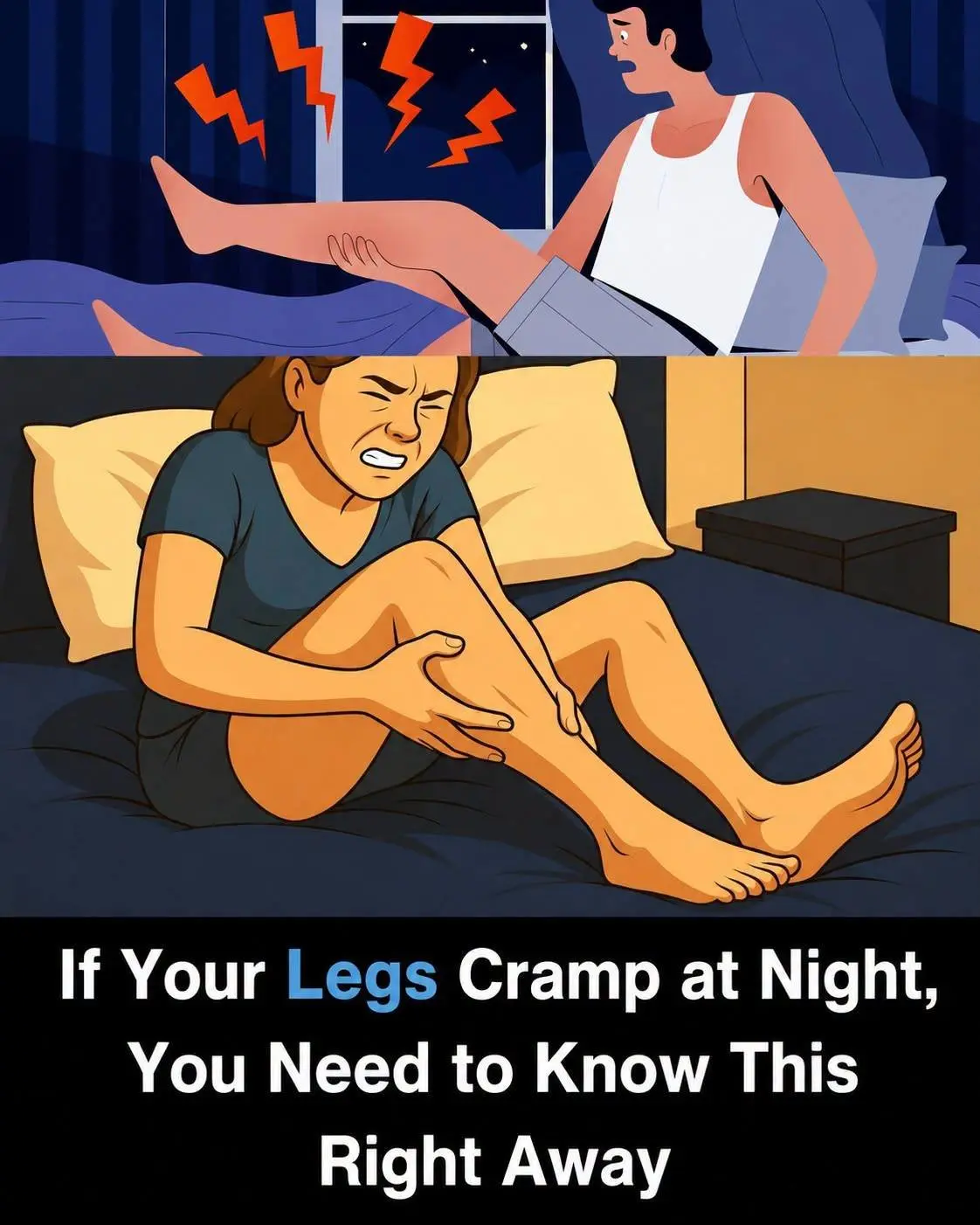
The good news is that for many people, simple lifestyle adjustments can provide significant relief. Prevention is usually more effective than trying to treat a cramp in the heat of the moment. Incorporating consistent stretching exercises into your evening routine is one of the best defenses against causes of nighttime leg cramps.
A gentle calf stretch before bed can help lengthen the muscle fibers and calm the nervous system. You can do this by standing a few feet away from a wall, stepping one foot forward, and leaning in while keeping the back heel on the floor. Hold the stretch for 30 seconds on each side. This simple habit can drastically reduce the frequency of muscle spasms during the night.
Other helpful strategies include staying consistently hydrated throughout the day and ensuring your diet includes plenty of mineral-rich foods. If you find yourself in the middle of a cramp, the best immediate action is to flex your foot upward toward your shin (dorsiflexion). This forces the calf muscle to stretch and usually breaks the spasm. Applying heat via a warm towel or a heating pad can also help relax the muscle once the initial pain has subsided.
When to Consult a Professional
While most nighttime leg cramps are a nuisance rather than a medical emergency, there are times when you should seek professional advice. If your cramps are so severe that they prevent you from getting any sleep, or if they are accompanied by visible swelling, redness, or heat in the leg, you should consult a healthcare provider. These can occasionally be signs of a blood clot or other circulatory issues.
Additionally, if you experience muscle weakness in the leg or if the cramps seem to be triggered by a specific medication, a doctor can help you identify the precise causes of nighttime leg cramps in your specific case. They may recommend blood tests to check for an electrolyte imbalance or suggest specialized physical therapy to address muscle tightness.
Final Thoughts
Dealing with nocturnal leg cramps can be frustrating, but understanding the triggers makes them much easier to manage. By focusing on proper hydration, balanced nutrition, and a consistent routine of stretching exercises, you can significantly lower your risk of these painful interruptions. Remember that your body is often sending you a signal about its needs—whether that is more water, a boost in magnesium, or simply a little more movement during the day. Addressing these causes of nighttime leg cramps holistically will help you reclaim your sleep and wake up feeling refreshed rather than sore.
Frequently Asked Questions
Does drinking more water really help prevent leg cramps?
Yes, hydration is a key factor in preventing muscle spasms. When you are dehydrated, the fluid balance around your muscle cells shifts, making the nerves more likely to fire off involuntary signals. Staying consistently hydrated throughout the day helps maintain the stability of these cells. However, if your causes of nighttime leg cramps are related to a mineral deficiency, water alone may not be enough; you may also need to look at your intake of magnesium and potassium.
Can magnesium supplements stop nighttime cramps?
Many people find relief from nocturnal leg cramps by increasing their magnesium intake. Magnesium helps muscles relax after a contraction. While supplements are an option, it is often best to start with magnesium-rich foods like almonds, spinach, and black beans. If you choose to take a supplement, it is wise to consult a healthcare professional first, especially if you have kidney issues or are taking other medications.
Why do leg cramps seem to happen only at night?
The primary reason for sleep disruption caused by cramps is the position of the feet and the state of the nervous system while resting. At night, we often sleep with our toes pointed downward, which puts the calf muscle in a shortened position. If the muscle is already fatigued or irritated, this shortened state makes it more susceptible to a sudden, painful contraction. Additionally, nerve activity changes during different stages of sleep, which can trigger spasms.
Are bananas the best food to eat for leg cramps?
Bananas are often cited as a cure for causes of nighttime leg cramps because they are a good source of potassium. Potassium is an essential electrolyte for muscle function. While they are a healthy addition to your diet, they aren’t a “magic bullet.” A balanced diet that includes various electrolytes—including calcium and magnesium—is generally more effective than focusing on a single food source.
Should I be worried if I have leg cramps every night?
If you are experiencing nocturnal leg cramps every single night, it is worth investigating the cause more deeply. While it might just be a sign of severe muscle tightness or an electrolyte imbalance, chronic frequency can indicate an underlying medical condition or a side effect of a medication. It is always a good idea to track when they happen and discuss the patterns with a doctor to rule out more serious issues.
Nocturnal Leg Cramp Relief Tonic

If your legs cramp at night, don't ignore it. This soothing tonic is formulated with magnesium and potassium-rich ingredients to help calm muscle fibers and prevent painful nocturnal spasms by addressing potential electrolyte deficiencies.
- 1 cup unsweetened almond milk
- 1/2 medium banana, sliced
- 1 tablespoon pumpkin seeds, finely ground
- 1 teaspoon raw honey
- 1/4 teaspoon sea salt
- 1In a small blender, combine the almond milk, banana, ground pumpkin seeds, honey, and sea salt.
- 2Blend on high speed for 30 seconds until the mixture is completely smooth.
- 3Transfer the liquid to a small saucepan and heat gently over medium-low heat for 3 to 5 minutes until warm.
- 4Pour into a mug and consume approximately 30 minutes before bed for maximum absorption.
Keywords: leg cramps, muscle spasms, magnesium, sleep health, nocturnal cramps, potassium, hydration


