
Peanut Butter Sheet Cake

There is something undeniably nostalgic about a classic sheet cake, and this best peanut butter sheet cake is the ultimate comfort dessert. Unlike traditional layered cakes that can feel fussy or intimidating, this recipe focuses on a tender, melt-in-your-mouth crumb and a rich, fudge-like frosting that is poured on while the cake is still warm. It delivers a deep, nutty flavor balanced by a hint of salt and a delicate sweetness that isn’t overwhelming. Whether you are feeding a crowd at a potluck or simply craving a moist peanut butter cake for a weekend treat, this version stands out for its incredible texture and ease of preparation.
The secret to this recipe lies in the “boiling method,” where butter, oil, and liquid are brought to a boil before being combined with the dry ingredients. This technique ensures a perfectly smooth batter and a unique consistency that stays fresh for days. By mastering this easy sheet cake recipe, you’ll have a reliable dessert in your repertoire that looks professional but requires minimal effort. It’s a timeless American favorite that captures the essence of old-fashioned baking with a modern, gourmet flair.
Why This Recipe Is a Keeper
- Incredible Texture: The combination of the boiling liquid method and buttermilk creates a crumb that is exceptionally soft, moist, and tender.
- Crowd-Friendly Size: Prepared in a standard jelly roll pan or half-sheet pan, this is the perfect dessert for a crowd, providing plenty of slices without the need for stacking layers.
- Salted-Sweet Balance: High-quality peanut butter provides a savory depth that cuts through the sugar, making it a sophisticated treat for adults and kids alike.
- Effortless Frosting: Because the frosting is poured over the cake while it’s warm, you don’t have to worry about crumbs getting caught in your icing or achieving perfect smooth edges.
Ingredients You’ll Need
To achieve the best peanut butter sheet cake, every ingredient plays a specific role in balancing the richness of the nut butter with the structure of the sponge. Selecting the right components ensures the cake doesn’t become too heavy or overly dense.
- Creamy Peanut Butter: This is the star of the show. Use a standard commercial creamy variety rather than natural “oil-separation” styles for the most consistent texture in both the cake and the frosting.
- All-Purpose Flour: Provides the necessary structure. Ensure you measure using the spoon-and-level method to avoid a dry or crumbly cake.
- Granulated Sugar: Sweetens the batter while helping to lock in moisture during the baking process.
- Buttermilk: The acidity in buttermilk reacts with the baking soda to create a light lift and an incredibly tender moist peanut butter cake crumb.
- Unsalted Butter: Boiling the butter with the water and oil creates an emulsion that coats the flour particles, resulting in a velvety finish.
- Baking Soda: This is your primary leavening agent, which works alongside the buttermilk to ensure the sheet cake rises evenly without peaking in the center.
- Vanilla Extract: A generous splash of high-quality vanilla enhances the roasted notes of the peanut butter and rounds out the overall flavor profile.
Simple Swaps and Variations
Chocolate Chip Twist: For those who believe peanut butter and chocolate are a match made in heaven, fold a half-cup of mini chocolate chips into the batter just before baking. The small chips stay suspended in the batter without sinking to the bottom.
Crunchy Texture: If you prefer a bit of a bite, you can substitute the creamy peanut butter in the cake batter for a crunchy variety. However, keep the frosting creamy to ensure it pours smoothly and sets with a glossy finish.
Salty Topping: To lean into the gourmet “salted” trend, sprinkle a light dusting of flaky sea salt or crushed honey-roasted peanuts over the frosting immediately after pouring it. This adds visual appeal and a delightful crunch.
Texas Peanut Butter Cake Style: Some versions of this Texas peanut butter cake include a hint of cinnamon in the batter. A half-teaspoon can add a subtle warmth that complements the nuttiness beautifully.
How to Make the Best Peanut Butter Sheet Cake
Step 1: Prep the Pan and Dry Ingredients
Start by preheating your oven and generously greasing a large jelly roll pan. In a large mixing bowl, whisk together your flour, sugar, and a pinch of salt. Sifting isn’t strictly necessary for a sheet cake, but whisking thoroughly ensures there are no large clumps of flour, which is vital for a smooth easy sheet cake recipe. Creating this base first allows you to move quickly once the hot liquids are ready.
Step 2: Boil the Peanut Butter Mixture
In a medium saucepan, combine the butter, water, oil, and a portion of the peanut butter. Bring this mixture to a rolling boil over medium heat, stirring occasionally to ensure the peanut butter melts completely. Once it reaches a boil, remove it from the heat immediately. This high-temperature mixture will partially “cook” the flour, which is what gives the cake its signature dense yet soft texture.
Step 3: Combine and Incorporate the Buttermilk
Pour the hot peanut butter liquid into the bowl with the dry ingredients and stir until just combined. Next, whisk in the buttermilk, eggs, baking soda, and vanilla. The batter will be relatively thin, which is normal for this style of cake. Do not overmix at this stage; stir only until the streaks of egg and buttermilk disappear to avoid developing too much gluten, which can toughen the crumb.
Step 4: Bake Until Golden and Springy
Pour the batter into the prepared pan and spread it into the corners using an offset spatula. Bake until the top is a light golden brown and a toothpick inserted into the center comes out clean. Because sheet cakes are thin, they bake much faster than traditional rounds, so keep a close eye on the oven during the final few minutes. You want the cake to be springy to the touch but not dried out.
Step 5: Prepare the Pour-Over Frosting
While the cake is in its final minutes of baking, prepare the frosting in the same saucepan. Boil the butter, milk, and peanut butter together, then whisk in the powdered sugar and vanilla until perfectly smooth. The timing here is critical; you want the frosting to be hot and liquid when the cake comes out of the oven. This allows a small amount of the frosting to soak into the top layer of the cake, creating a fudge-like interface.
Step 6: Frost While Warm
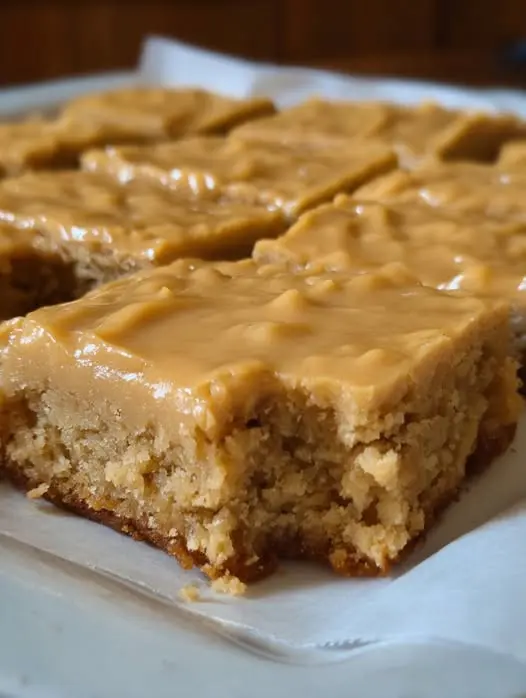
Immediately after removing the cake from the oven, pour the hot frosting over the surface. Use a spatula to gently nudge it toward the edges before it begins to set. As the cake and frosting cool together, the icing will develop a slight “crust” on top while remaining soft and creamy underneath. Let the cake cool completely in the pan before slicing to ensure the cleanest cuts.
My Best Tips for This Recipe
- Use the Right Pan: A 15×10-inch jelly roll pan is the standard for this recipe. If you use a 9×13-inch pan, the cake will be thicker and require a longer baking time.
- Don’t Overbake: Sheet cakes can dry out quickly. Start checking for doneness 5 minutes before the timer goes off.
- Sift Your Powdered Sugar: To ensure the peanut butter frosting is perfectly smooth and professional-looking, sift the powdered sugar before whisking it into the hot liquid.
- Frost Immediately: Do not wait for the cake to cool before icing. The heat from the cake helps the frosting spread and bond to the surface.
- Measure Peanut Butter Carefully: Peanut butter is sticky, so use a sprayed measuring cup or a kitchen scale to ensure you aren’t adding too much, which can make the cake greasy.
Troubleshooting Common Problems
Why Is My Cake Crumbly?
A crumbly sheet cake is usually the result of overmeasuring the flour or overbaking. When flour is packed into a measuring cup, you can end up with 25% more than needed. Always use a scale or the “spoon and level” method. If the cake is already baked, serving it with a scoop of vanilla ice cream can help mask the dryness.
Why Did My Frosting Crack?
Small cracks in the frosting are common as the cake cools and settles. However, if the frosting is shattered, it likely boiled for too long, causing too much moisture to evaporate. Next time, remove the frosting from the heat the moment it becomes smooth and incorporated.
Why Is the Center Sunken?
If the center of your best peanut butter sheet cake dips, the baking soda may be expired, or the oven door was opened too frequently during the first half of the baking process. Ensure your leavening agents are fresh and keep the oven closed until the very end.
How to Serve Your Cake
This cake is best served at room temperature, which allows the peanut butter flavors to be fully expressed. For a truly indulgent experience, serve a square of the best peanut butter sheet cake with a cold glass of milk or a hot cup of coffee. The saltiness of the peanut butter pairs exceptionally well with dark roast coffee.
If you are serving this at a party, you can dress up the presentation by adding a dollop of whipped cream or a drizzle of chocolate ganache over individual slices. Because it is baked in a large pan, it is easy to cut into small, bite-sized diamonds for a dessert buffet or larger rectangles for a sit-down dinner. For a summer gathering, a few fresh raspberries on the side provide a tart contrast to the rich, nutty cake.
Storage and Make-Ahead
Storing Leftovers
Because of the high moisture content from the buttermilk and peanut butter, this cake stays fresh longer than most. Store leftovers in the pan, tightly covered with plastic wrap or a fitted lid, at room temperature for up to 3 days. There is no need to refrigerate it unless your kitchen is exceptionally warm, as the fridge can actually dry out the sponge.
Freezing
This moist peanut butter cake freezes surprisingly well. If you want to freeze individual slices, wrap them tightly in plastic wrap and then place them in a freezer-safe bag. You can also freeze the entire slab (once cooled and set). Thaw at room temperature for several hours before serving. The frosting may lose a bit of its gloss after thawing, but the flavor will remain intact.
Making It Ahead
You can easily bake this cake a day in advance. In fact, many people find that the flavor of the peanut butter frosting deepens and the texture becomes even more fudgy after sitting overnight. Just ensure it is completely sealed to prevent the edges from drying out.
Final Thoughts
Mastering the best peanut butter sheet cake is a rewarding experience for any home baker. It’s a recipe that relies on simple pantry staples to create something far greater than the sum of its parts. The combination of the warm, pour-over frosting and the delicate peanut butter sponge makes it a standout dessert that guests will ask for again and again. With its perfect balance of sweet and salty, this cake is a true classic that never goes out of style. Give it a try for your next gathering, and watch it disappear in record time.
Frequently Asked Questions
Can I use natural peanut butter for this cake?
It is generally recommended to avoid natural peanut butters (the kind that require stirring) for this specific best peanut butter sheet cake. The oil consistency in natural brands can vary wildly, which may lead to a greasy cake or a frosting that refuses to set properly. Standard creamy brands like Jif or Skippy provide the stabilizers needed for a consistent, velvety crumb.
Can I make this in a 9×13-inch pan?
Yes, you can use a 9×13-inch baking dish, but keep in mind the cake will be significantly thicker. You will need to increase the baking time by approximately 10–15 minutes. Be careful not to overfill the pan; if the batter looks too high, you may want to bake a few cupcakes on the side to prevent the cake from overflowing in the oven.
Do I have to use buttermilk?
Buttermilk is essential for the chemical reaction with the baking soda and for the specific “melt-in-your-mouth” texture of a moist peanut butter cake. If you don’t have any on hand, you can make a quick substitute by adding one tablespoon of lemon juice or white vinegar to a cup of whole milk and letting it sit for five minutes before using.
How do I get clean slices when cutting the cake?
The key to clean slices is letting the cake and frosting cool completely so the icing has time to firm up. For the most professional look, use a sharp chef’s knife and wipe the blade clean with a damp paper towel between every single cut. This prevents the frosting from dragging through the crumb of the next slice.
Can I add chocolate frosting instead of peanut butter frosting?
Absolutely. If you want a “Reese’s” style experience, you can swap the peanut butter frosting for a traditional chocolate fudge pour-over frosting. Simply replace the peanut butter in the frosting step with a half-cup of unsweetened cocoa powder. The best peanut butter sheet cake base is sturdy enough to handle various toppings.
Peanut Butter Sheet Cake

This Peanut Butter Sheet Cake is a crowd-pleasing dessert featuring a soft, tender peanut butter sponge topped with a rich, melt-in-your-mouth peanut butter glaze. It's incredibly easy to make and perfect for large groups.
- For the Cake
- 2 cups all-purpose flour
- 2 cups granulated sugar
- 1/2 teaspoon salt
- 1 teaspoon baking soda
- 1 cup butter
- 1 cup water
- 1/2 cup creamy peanut butter
- 1/2 cup vegetable oil
- 2 large eggs
- 1/2 cup buttermilk
- 1 teaspoon vanilla extract
- For the Peanut Butter Glaze
- 1/2 cup butter
- 1/2 cup creamy peanut butter
- 1/3 cup milk
- 3 1/2 cups powdered sugar
- 1 teaspoon vanilla extract
- 1Preheat your oven to 350°F (175°C) and grease a 15x10-inch jelly roll pan.
- 2In a large bowl, whisk together the flour, sugar, salt, and baking soda.
- 3In a saucepan over medium heat, combine the butter, water, peanut butter, and oil. Bring to a boil, then remove from heat.
- 4Pour the hot mixture over the dry ingredients and stir until well combined.
- 5In a separate small bowl, whisk the eggs, buttermilk, and vanilla together. Add to the batter and stir until smooth.
- 6Pour the batter into the prepared pan and bake for 20 minutes, or until a toothpick inserted in the center comes out clean.
- 7While the cake is baking, prepare the glaze by boiling the butter, peanut butter, and milk in a saucepan. Remove from heat and whisk in the powdered sugar and vanilla until smooth.
- 8Pour the warm glaze over the cake immediately after removing it from the oven. Spread evenly and let cool before serving.
Keywords: peanut butter cake, sheet cake recipe, dessert, peanut butter glaze


