
Cinnamon Roll Bread

There is nothing quite like the scent of a homemade cinnamon roll bread recipe wafting through the kitchen on a slow Saturday morning. This loaf captures all the magic of a gooey, butter-slathered cinnamon roll but packages it into a sliceable, toastable bread that feels a bit more sophisticated than its sticky counterpart. The crumb is exceptionally soft, almost like a brioche, thanks to the addition of butter and milk, while the interior features a tight, aromatic spiral of cinnamon and sugar that provides a sweet crunch in every single bite.
While making yeast bread can feel intimidating to some, this yeast bread for beginners is surprisingly forgiving and deeply rewarding. By using a loaf pan, you eliminate the tedious task of cutting and placing individual rolls, making this an excellent entry point for anyone looking to master the art of swirled cinnamon bread. Whether you enjoy it plain, slathered in salted butter, or transformed into the best French toast of your life, this recipe is a staple that elevates your breakfast game to a professional bakery level.
Why This Recipe Is a Keeper
- Superior Texture: Unlike store-bought versions that can be dry or airy, this bread has a dense yet tender crumb that holds up perfectly to the toaster or a thick layer of butter.
- Incredible Aroma: The combination of baking yeast and warm cinnamon creates a sensory experience that makes your entire home feel cozy and welcoming before you even take the first bite.
- Meal Prep Friendly: This loaf stays fresh for several days at room temperature and freezes beautifully, allowing you to have a gourmet breakfast ready at a moment’s notice.
- Versatile Use: Beyond a simple slice of toast, this bread is the ultimate base for decadent bread pudding or a sweet-and-savory breakfast sandwich with bacon and eggs.
Ingredients You’ll Need
Creating a bakery-quality loaf starts with understanding how each component interacts. We aren’t just mixing flour and water; we are building a structural masterpiece that remains soft for days after baking.
- Active Dry Yeast: This is the engine of your bread. It provides the lift and that classic fermented flavor that distinguishes homemade bread from quick breads.
- Whole Milk: Using milk instead of water enriches the dough with fats and natural sugars, resulting in a much softer, more “shreddable” crumb that doesn’t go stale quickly.
- Unsalted Butter: Butter adds flavor and helps tenderize the gluten strands, ensuring the bread is rich and velvety rather than chewy or tough.
- Bread Flour or All-Purpose Flour: Flour provides the structure. While all-purpose works well for a tender loaf, bread flour offers a bit more strength for a higher rise and better cinnamon sugar filling support.
- Granulated Sugar: A small amount in the dough feeds the yeast and helps with browning, while the sugar in the filling creates that iconic gooey center.
- Ground Cinnamon: The star of the show. Use a high-quality cinnamon to ensure the flavor is bold enough to stand up against the rich, buttery dough.
- Egg: Adding an egg to the dough contributes to the golden color and provides a richer, custard-like quality to the finished bread.
Easy Ways to Change It Up
- Add Some Crunch: Sprinkle finely chopped pecans or walnuts over the cinnamon-sugar layer before rolling to add a nutty texture that mimics a classic sticky bun.
- Fruit Infusions: Fold a handful of raisins or dried cranberries into the dough during the final stages of kneading for a traditional cinnamon raisin loaf experience.
- Cream Cheese Glaze: If you want to lean into the dessert aspect, whisk together cream cheese, powdered sugar, and a splash of milk to drizzle over the warm loaf.
- Cardamom Twist: Replace half of the cinnamon with ground cardamom for a sophisticated, Scandinavian-inspired flavor profile that is floral and complex.
How to Make Homemade Cinnamon Roll Bread
Step 1: Activate the Yeast and Mix the Dough
The foundation of any successful homemade cinnamon roll bread recipe is ensuring your yeast is healthy and active. You’ll begin by warming your milk to a lukewarm temperature—think of a baby’s bathwater—as anything too hot will kill the yeast, and anything too cold will delay the rise. Once the yeast is foamy and fragrant, you’ll combine it with your melted butter, sugar, egg, and flour. Mixing until a shaggy mass forms is the first step toward building the gluten structure that will eventually hold those beautiful cinnamon swirls in place.
Step 2: Knead Until Smooth and Elastic
Kneading is where the magic happens. Whether using a stand mixer or your hands, you are looking for the dough to transform from a sticky, lumpy mess into a smooth, supple ball that springs back when poked. This process develops the gluten, which acts like a balloon, trapping the gases produced by the yeast. If you under-knead, your bread might be dense; if you knead just right, you’ll achieve that sought-after pillowy texture that makes swirled cinnamon bread so irresistible.
Step 3: The First Rise for Flavor Development
Place your dough in a lightly greased bowl and cover it with a damp cloth or plastic wrap. You want to find a warm, draft-free spot for it to double in size. This rise isn’t just about volume; it’s about flavor. As the yeast ferments the sugars in the flour, it creates complex taste notes that you simply won’t find in store-bought bread. This usually takes about an hour, but trust the look of the dough over the clock—it should look puffy and significantly larger than when you started.
Step 4: Roll and Apply the Filling
Once risen, gently deflate the dough and roll it out into a large rectangle on a lightly floured surface. You want the width of the rectangle to match the length of your loaf pan. Spread a generous layer of softened butter across the surface, followed by your cinnamon sugar filling. The butter acts as the “glue” that keeps the sugar in place, while also melting during the bake to create that dark, syrupy swirl that characterizes this recipe. Roll the dough up tightly into a log, pinching the seam shut to prevent it from unraveling in the oven.
Step 5: The Second Rise and Final Bake
Place your log into a greased loaf pan for its second rise. This stage is crucial because it allows the dough to relax after being handled and ensures a light, airy final product. Let it rise until it peaks just above the rim of the pan. Finally, bake in a preheated oven until the crust is a deep golden brown and the internal temperature reaches about 190°F. The smell at this stage will be absolutely intoxicating as the sugar begins to caramelize against the edges of the bread.
Pro Tips for the Best Results
- Check Your Milk Temp: Use a thermometer to ensure your milk is between 105°F and 115°F. It’s the easiest way to guarantee your yeast performs perfectly every time.
- Don’t Over-Flour: It is tempting to keep adding flour if the dough feels sticky, but too much flour leads to a dry, heavy loaf. Use just enough to make the dough manageable.
- Tight Rolling is Key: When rolling the dough into a log, keep it as tight as possible. This prevents “tunneling,” which is when a large air gap forms between the bread and the cinnamon swirl.
- Let it Cool Completely: As hard as it is to wait, cutting into hot bread releases the steam that is still setting the crumb. Wait at least 45 minutes for the cleanest slices.
- Egg Wash for Shine: For a professional bakery finish, brush the top of the loaf with a simple egg wash before baking to achieve a glossy, mahogany-colored crust.
How to Serve Your Cinnamon Bread
While a thick slice of this bread is a masterpiece on its own, there are several ways to turn it into a full breakfast experience. Serving it slightly warm is non-negotiable for that soft-out-of-the-oven feel.
Breakfast Pairings
Pair a toasted slice with a side of salty bacon or sausage to balance out the sweetness of the cinnamon sugar filling. The contrast between the sugary swirl and savory protein is a classic American diner combination. If you’re feeling extra indulgent, top the toasted bread with a dollop of Greek yogurt and fresh berries for a lighter, tangy contrast.
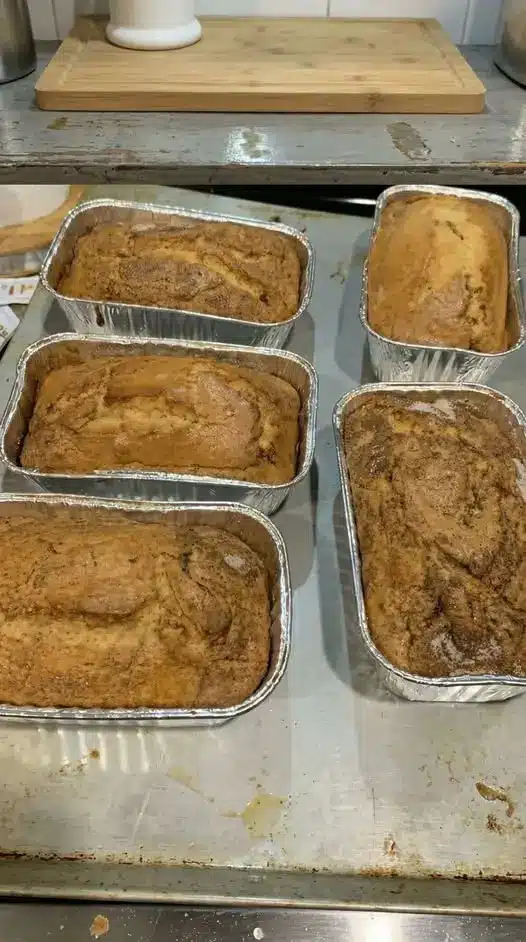
Creative Serving Ideas
This loaf is essentially a brioche-style dough, making it the premier choice for French toast. Because the bread is sturdy, it can soak up plenty of egg custard without falling apart. Fry the slices in plenty of butter until the cinnamon sugar on the edges begins to crisp and caramelize. You can also use thin slices to make a sweet grilled cheese sandwich with sharp white cheddar or brie for a surprisingly delicious flavor pairing.
Storage and Make-Ahead
Because this homemade cinnamon roll bread recipe contains real butter and milk, it stays moist longer than basic water-based breads, but proper storage is still vital for maintaining freshness.
Storing Leftovers
Keep your loaf in an airtight container or a sealed zip-top bag at room temperature for up to 3 or 4 days. Avoid the refrigerator, as the cold environment actually accelerates the staling process by drawing moisture out of the starch. If the bread feels a bit firm after a few days, a quick 10-second zap in the microwave or a turn in the toaster will revive that soft, buttery texture instantly.
Freezing
This bread freezes remarkably well. You can freeze the entire loaf wrapped tightly in plastic wrap and aluminum foil, or freeze individual slices separated by parchment paper. Slicing before freezing is a pro move—it allows you to pull out exactly what you need for a quick Tuesday morning breakfast. It will stay fresh in the freezer for up to three months.
Final Thoughts
Mastering this homemade cinnamon roll bread recipe is a rite of passage for any home baker. It bridges the gap between a simple sandwich loaf and a complex pastry, offering a sense of accomplishment that you just can’t get from a grocery store purchase. The combination of the soft, enriched dough and the dark, fragrant cinnamon swirl makes it a perennial favorite for holidays, housewarmings, or just a quiet weekend at home. Once you see those beautiful spirals appearing as you slice into your first loaf, you’ll never want to go back to the pre-packaged stuff again.
Frequently Asked Questions
Can I use instant yeast instead of active dry yeast?
Yes, you can certainly use instant yeast for this recipe. If using instant, you can skip the “blooming” step in the warm milk and mix the yeast directly into the dry ingredients. Note that your rise times may be slightly faster, so keep a close eye on the dough to ensure it doesn’t over-proof.
Why is there a big hole in the middle of my cinnamon swirl?
This is often caused by rolling the dough too loosely or using too much flour when rolling it out. If there is excess flour on the surface of the dough before you add the butter and cinnamon sugar, the layers won’t “stick” together. Ensure you roll the log tightly and brush off any excess flour before rolling.
Is it possible to make this bread without a stand mixer?
Absolutely! While a stand mixer makes the kneading process easier, you can easily knead this dough by hand on a floured surface. It will take about 10 to 12 minutes of vigorous kneading to develop the gluten. It’s a great workout and allows you to really feel the texture of the dough as it changes from sticky to smooth.
How can I make the crust extra soft?
If you prefer a very soft, thin crust, brush the top of the loaf with melted butter immediately after taking it out of the oven. This traps the moisture in the crust as it cools, preventing it from becoming crusty or hard. You can also cover the hot loaf with a clean kitchen towel while it cools to achieve the same pillowy effect.
Can I add raisins to the filling?
Definitely! If you love a cinnamon raisin vibe, sprinkle about half a cup of raisins over the cinnamon-sugar layer before rolling up the dough. For the best results, soak the raisins in warm water for 10 minutes and pat them dry before adding them; this prevents them from pulling moisture out of the surrounding dough and keeps them plump.
Cinnamon Roll Bread

This soft and pillowy Cinnamon Roll Bread features a rich, buttery dough swirled with a gooey cinnamon-sugar filling. It delivers the nostalgic taste of classic cinnamon rolls in an easy-to-slice loaf, perfect for breakfast or decadent French toast.
- 1 cup warm milk (110°F)
- 2 1/4 tsp active dry yeast (1 packet)
- 1/4 cup granulated sugar
- 1 large egg, room temperature
- 1/4 cup unsalted butter, melted
- 3 1/2 cups all-purpose flour
- 1/2 tsp salt
- For the Filling:
- 1/2 cup light brown sugar, packed
- 2 tbsp ground cinnamon
- 2 tbsp unsalted butter, softened
- 1In a large bowl or stand mixer, whisk together warm milk, yeast, and 1 tablespoon of the sugar. Let it rest for 5-10 minutes until foamy.
- 2Add the remaining sugar, egg, melted butter, salt, and 2 cups of flour. Mix until a shaggy dough forms.
- 3Gradually add the remaining flour and knead for 5-7 minutes until the dough is smooth and elastic.
- 4Place dough in a greased bowl, cover with a damp cloth, and let rise in a warm place for 1 to 1.5 hours, or until doubled in size.
- 5Punch down the dough and roll it out on a lightly floured surface into a 9x15-inch rectangle.
- 6Spread softened butter over the dough, leaving a 1/2-inch border. Sprinkle the cinnamon-sugar mixture evenly over the top.
- 7Starting from the short end, roll the dough tightly into a log. Pinch the seam to seal.
- 8Place the log into a greased 9x5-inch loaf pan. Cover and let rise for another 45 minutes.
- 9Preheat oven to 350°F. Bake for 30-35 minutes or until the top is golden brown. Cool completely before slicing.
Keywords: cinnamon roll bread, breakfast loaf, swirl bread, yeast bread, cinnamon sugar


