
Ways to Use Banana Peels: The Surprising Uses Most People Overlook

Most of us have a daily ritual that involves peeling a banana for a morning smoothie or a quick snack, only to toss the thick, yellow skin directly into the trash or compost bin. However, that peel is far from useless waste. In fact, there are dozens of surprising uses for banana peels that can benefit your garden, your skin, and even your household cleaning routine. These skins are packed with essential nutrients like potassium, magnesium, and various antioxidants that remain active long after the fruit inside has been eaten.
Embracing these surprising uses for banana peels is a fantastic way to practice sustainable living hacks while saving money on expensive fertilizers or beauty treatments. From soothing a pesky itch to giving your houseplants a professional-grade glow, the humble banana skin is one of the most versatile tools in a natural-living toolkit. Once you realize how much potential is hidden in that peel, you will never look at fruit waste the same way again.
Why Banana Peels Are Worth Saving
- Nutrient Density: Peels are incredibly rich in potassium, phosphorus, and calcium, making them a powerhouse for biological health.
- Eco-Friendly Utility: Using the whole fruit reduces your carbon footprint and keeps organic matter out of landfills where it produces methane.
- Cost-Effective Solutions: Many commercial products for the garden or skin can be replaced with the simple application of a leftover peel.
- Natural Healing Properties: The anti-inflammatory and antimicrobial compounds found in the skin can provide immediate relief for minor skin irritations.
The Nutritional Power Hidden in the Peel
While we usually focus on the soft fruit inside, the peel actually contains a significant portion of the banana’s total nutrient profile. It is a dense source of both soluble and insoluble fiber, which can be beneficial if prepared correctly for consumption. More importantly for external uses, the peel is loaded with lutein—an antioxidant that protects the skin against oxidative stress and UV damage.
Beyond antioxidants, the high concentration of potassium is what makes these peels so valuable for plant life. Potassium helps plants move water and nutrients between cells, strengthening their stems and helping them resist disease. When you explore surprising uses for banana peels, you are essentially unlocking a slow-release vitamin for your environment.
Using Banana Peels as a Natural Fertilizer
One of the most popular surprising uses for banana peels is in the garden. Because they decompose relatively quickly, they are an excellent choice for composting for beginners. You can simply chop the peels into small pieces and bury them an inch or two deep around the base of your rose bushes or tomato plants. As they break down, they provide a steady stream of minerals that encourage vibrant blooms and hardy fruit.
If you don’t want to bury them, you can create a “banana tea” by soaking the peels in a jar of water for 48 hours. This nutrient-rich liquid can be used to water your indoor houseplants, providing a gentle boost of natural fertilizer without the harsh chemicals found in synthetic alternatives. It is a simple, odorless way to ensure your greenery stays lush and healthy throughout the seasons.
Banana Peel Skincare: Natural Beauty Benefits
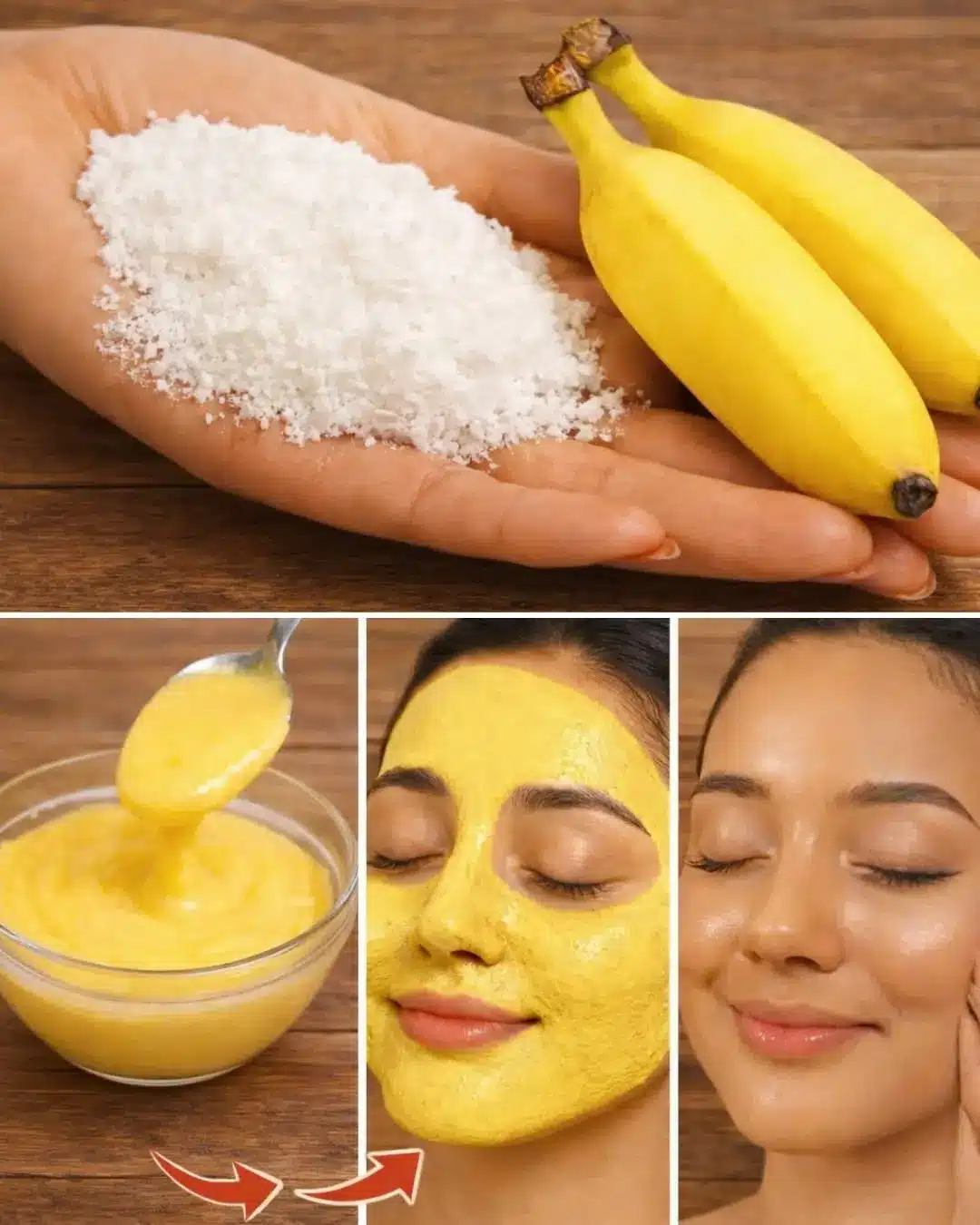
The beauty world has recently rediscovered banana peel skincare as a legitimate way to treat minor skin concerns. The inner side of the peel is rich in esterified fatty acids, which have been used traditionally to treat conditions like psoriasis and eczema. Gently rubbing the inside of a fresh banana peel over an inflamed area can help reduce redness and provide a cooling sensation that alleviates itching.
For those struggling with occasional breakouts, the salicylic acid naturally present in banana peels can help unclog pores and reduce oiliness. Many people find that rubbing a small piece of peel on a blemish before bed helps it shrink by morning. While it isn’t a replacement for professional dermatological care, it is a handy, natural remedy to keep in your back pocket for everyday skincare needs.
Household Cleaning and Polishing
It sounds strange, but the oils and potassium in banana skins make them an effective polish for various surfaces. If your indoor plants have dusty, dull leaves, use the soft underside of a banana peel to wipe them down. It removes the dust and leaves behind a natural, healthy shine that helps the plant breathe better. This is one of those surprising uses for banana peels that professional florists have used for decades.
You can also use banana peels to polish leather shoes or silver jewelry. The potassium reacts with the surface to lift tarnish and restore luster. Simply rub the peel onto the item, then buff it clean with a soft cloth. It’s a chemical-free way to keep your valuables looking brand new while making the most of your sustainable living hacks.
Can You Actually Eat Banana Peels?
In many parts of the world, including Southeast Asia and India, banana peels are a common culinary ingredient. While they are quite bitter and tough when raw, they become tender and take on a much milder flavor when cooked. You can boil them to make a calming tea, or even fry them with spices to create a meat substitute that has a texture similar to pulled pork.
If you do decide to consume them, it is vital to choose organic bananas. Conventional bananas are often treated with pesticides that can linger on the thick skin. Washing them thoroughly or boiling them helps remove surface residues, but starting with organic fruit is the safest way to ensure you are getting the health benefits without the unwanted chemicals.
Important Considerations and Cautions
While the surprising uses for banana peels are numerous, there are a few things to keep in mind. First, banana peels can attract fruit flies if left out in the open or not buried deeply enough in the garden. If you are using them for indoor plants, stick to the liquid “tea” method to avoid unwanted pests in your living room.
From a health perspective, always perform a patch test before applying banana peel to your face or body, especially if you have sensitive skin or a known latex allergy (as there is a cross-reactivity between latex and bananas). These suggestions are for educational purposes and should not replace medical advice from a qualified professional. If you have a chronic skin condition or a serious garden infestation, consult an expert before relying solely on home remedies.
Final Thoughts
Learning about the surprising uses for banana peels is a small but meaningful step toward a more mindful and sustainable lifestyle. By viewing our kitchen scraps as resources rather than rubbish, we can find creative solutions for our homes and gardens that are both effective and environmentally friendly. Whether you are looking for a natural fertilizer for your prize-winning roses or a quick fix for a mosquito bite, the answer might just be sitting in your fruit bowl. Next time you enjoy a banana, take a moment to consider the peel—it still has plenty of work to do.
Frequently Asked Questions
How long do banana peels take to decompose in a garden?
When buried in soil, banana peels usually take between 3 to 4 weeks to break down completely, depending on the moisture and temperature of the soil. Chopping them into smaller pieces will significantly speed up this process. If you are composting for beginners, they are one of the fastest-breaking “green” materials you can add to your bin.
Can banana peels really whiten teeth?
There is a popular claim that rubbing the inside of a banana peel on your teeth for two minutes a day can whiten them due to the minerals like manganese and potassium. While some people swear by it, there is no clinical evidence to prove it works as effectively as professional whitening. However, it is generally safe to try as a natural supplement to your regular dental hygiene routine.
Are banana peels safe for all types of plants?
Most plants love the potassium boost from banana peels, especially flowering plants like roses and fruiting plants like tomatoes and peppers. However, you should be cautious with nitrogen-loving plants, as peels provide very little nitrogen. It is best used as a supplement rather than the sole source of nutrition for your garden.
How do I store banana peels if I’m not ready to use them?
If you aren’t ready to use your peels immediately, you can store them in a sealed container in the freezer. This prevents them from rotting or attracting flies. When you are ready to make a natural fertilizer or use them in the garden, simply thaw them out. Freezing actually helps break down the cellular structure, making the nutrients even more accessible once they are applied to the soil.
Can I use banana peels to treat a splinter?
Yes, this is one of the more surprising uses for banana peels. Tape a piece of the peel (inside-down) over the splinter and leave it for several hours or overnight. The enzymes in the peel can help soften the skin and draw the splinter closer to the surface, making it much easier and less painful to remove with tweezers.
Savory Roasted Banana Peels

Discover how to utilize what most people overlook with this savory roasted banana peel recipe. It is a fantastic way to reduce waste while adding a unique, plant-based element to your meals.
- 2 large organic banana peels
- 1 tablespoon olive oil
- 1 teaspoon smoked paprika
- 1/2 teaspoon garlic powder
- 1 tablespoon soy sauce
- 1 teaspoon maple syrup
- 1Preheat your oven to 400°F (200°C) and line a baking sheet with parchment paper.
- 2Thoroughly wash the banana peels and remove the stems.
- 3Use a spoon to scrape away the white inner pith, leaving just the yellow skin.
- 4Slice the peels into 1-inch strips.
- 5In a small bowl, combine olive oil, paprika, garlic powder, soy sauce, and maple syrup.
- 6Toss the peel strips in the mixture until well coated.
- 7Arrange strips on the baking sheet and bake for 10-12 minutes until slightly crisp.
Keywords: banana peels, sustainable cooking, zero waste, vegan bacon, plant-based dinner


