
Is Datura Stramonium Safe? 5 Benefits and Key Risks

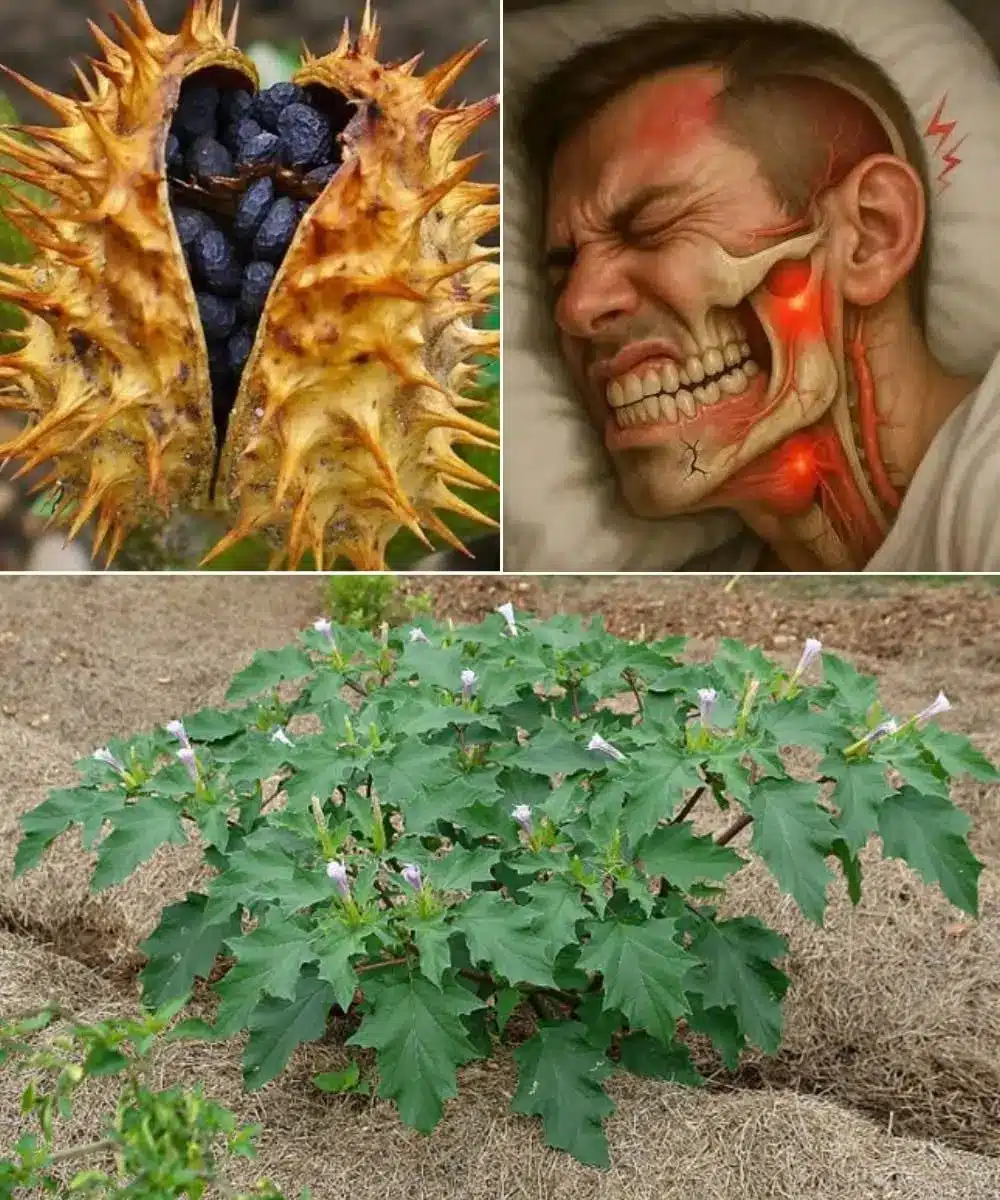
Datura stramonium, frequently referred to as Jimsonweed, devil’s snare, or thorn apple, is a resilient and striking plant that belongs to the Solanaceae, or nightshade, family. While it is often admired for its large, trumpet-shaped white or purple flowers and unique spiny seed pods, it carries a reputation that is as dark as its nickname suggests. For those exploring the datura stramonium benefits and risks, it is essential to approach the topic with a high degree of caution. This plant is not a standard garden herb; it is a potent source of bioactive compounds that have been used in traditional medicine for centuries but are also responsible for severe, and sometimes fatal, accidental poisonings.
Gaining a clear understanding of this plant’s chemical makeup is the first step in appreciating why it remains a subject of intense scientific and historical interest. While modern medicine has successfully isolated specific tropane alkaloids from the plant for clinical use, the raw plant material remains extremely dangerous for the general public. This article provides an educational overview of the plant’s history, its clinical derivatives, and the significant health hazards associated with its presence in the wild or the home garden.
Understanding the Chemical Profile of Datura Stramonium
The biological activity of Datura stramonium is driven by a group of chemicals known as tropane alkaloids, specifically atropine, hyoscyamine, and scopolamine. These compounds are found in every part of the plant, including the leaves, flowers, stems, and especially the seeds. In a clinical setting, these alkaloids are highly valued for their anticholinergic properties, meaning they block certain neurotransmitters in the central and peripheral nervous systems.
Because the concentration of these alkaloids can vary significantly depending on the plant’s age, the soil quality, and the local climate, there is no “safe” way to consume the raw plant. Even a small amount of material from one plant might contain a vastly different dose than the same amount from another. This chemical unpredictability is a major factor in Jimsonweed toxicity, making any form of self-administration or recreational use incredibly perilous.
Historical Uses and Potential Medical Benefits
When discussing the potential datura stramonium benefits and risks, it is important to distinguish between historical traditional use and modern evidence-based medicine. Historically, various cultures used Jimsonweed preparations for a range of ailments. In ancient times, it was sometimes used as an anesthetic during surgery or as a treatment for respiratory issues like asthma. The leaves were often smoked or steeped into teas to relax the bronchial muscles, though this often led to unintended and dangerous side effects.
In modern medicine, the plant itself is not used as a whole-herb remedy. Instead, pharmaceutical companies extract and purify its alkaloids to create standardized medications. For example, atropine and scopolamine are used in controlled doses to treat conditions such as:
- Motion Sickness: Scopolamine is a common ingredient in transdermal patches used to prevent nausea during travel.
- Ophthalmology: Atropine drops are used by eye doctors to dilate the pupils for certain examinations.
- Organophosphate Poisoning: Atropine serves as a vital life-saving treatment for certain types of nerve agent or pesticide exposure.
- Gastrointestinal Issues: These compounds can help reduce secretions and spasms in the digestive tract.
While these clinical applications are invaluable, they are performed under strict medical supervision using precise, lab-verified dosages. The “benefits” associated with the plant are strictly confined to these pharmaceutical derivatives rather than the raw plant material itself.
The Significant Risks and Toxicity of Jimsonweed
The primary concern regarding Datura stramonium is its high potential for accidental poisoning symptoms. Because the plant grows wild across many parts of the United States—often in pastures, waste grounds, and even urban gardens—it is frequently encountered by children, livestock, and foragers. The plant’s hallucinogenic properties are often the motive for recreational ingestion, but these “trips” are almost always described as terrifying and physically grueling rather than pleasant.
The poisoning caused by this plant is characterized as anticholinergic syndrome. Medical professionals often use a specific mnemonic to describe the symptoms: “blind as a bat, mad as a hatter, red as a beet, hot as a hare, and dry as a bone.” This refers to the following physiological reactions:
- Vision Impairment: Extreme dilation of the pupils leads to blurred vision and intense light sensitivity.
- Neurological Distress: Severe confusion, agitation, vivid hallucinations, and even seizures or coma can occur.
- Skin and Temperature: The skin may become flushed, hot, and dry, and the body may experience a dangerous spike in temperature (hyperthermia).
- Physical Secretions: The mouth becomes excessively dry, and the ability to sweat is suppressed, which contributes to overheating.
- Cardiovascular Stress: A rapid heart rate (tachycardia) is common and can be dangerous for those with underlying heart conditions.
In severe cases, the Jimsonweed toxicity can lead to respiratory failure or fatal cardiac arrhythmias. Because the effects can last for several days, hospitalization and intensive supportive care are usually required for anyone who has ingested the plant.
Safety and Practical Guidance
Given the datura stramonium benefits and risks, the most practical advice for the average person is identification and avoidance. If you find this plant growing on your property, it is important to handle it with care. While touching the plant is generally not as dangerous as ingesting it, the juices from crushed leaves or broken stems can cause skin irritation or accidental eye dilation if you touch your eyes after handling the plant.
If you choose to remove the plant from your garden, follow these safety steps:
- Wear Protection: Use garden gloves and long sleeves to prevent skin contact with the plant’s sap.
- Dispose Properly: Do not burn the plant. Inhaling the smoke from burning Jimsonweed can lead to respiratory irritation and the absorption of alkaloids through the lungs. Instead, bag the plant and dispose of it with regular waste.
- Monitor Pets and Livestock: Ensure that curious dogs or grazing animals do not have access to the plant, as they are just as susceptible to the toxins as humans.
Emergency Response and Cautions
If you suspect that someone—whether a child, an adult, or a pet—has ingested any part of a Datura stramonium plant, you must seek emergency medical attention immediately. Do not wait for symptoms to appear, as the onset can be rapid and the progression unpredictable. Contact your local emergency services or a poison control center right away.
It is also vital to note that medicinal plants like Datura should never be used as a substitute for professional medical care. There are no safe “home remedies” involving this plant. If you are interested in the benefits of atropine and scopolamine for a specific health condition, consult a licensed healthcare professional who can prescribe safe, regulated, and standardized medications tailored to your needs.
Final Thoughts
Understanding the datura stramonium benefits and risks allows us to appreciate the plant for its botanical complexity while respecting its lethal potential. While history and science show that its alkaloids have provided the foundation for essential modern medicines, the raw plant remains a significant hazard. By prioritizing education, identification, and safety, we can coexist with this powerful member of the nightshade family without falling victim to its dangerous side. Always remember that when it comes to Jimsonweed, the risks far outweigh any perceived benefits of home-based use.
Frequently Asked Questions
Is it safe to grow Datura stramonium in a home garden?
While many people grow Datura species for their ornamental beauty, it is generally discouraged in homes with small children or pets. The risk of accidental ingestion is high because the seed pods are often interesting to children. If you do choose to grow it, ensure it is in an inaccessible area and that you wear gloves when pruning or handling the plant to avoid skin contact with the sap.
Can the leaves of Jimsonweed be used for tea?
No, you should never use Jimsonweed leaves to make tea. Ingesting a tea made from this plant is a common cause of severe Jimsonweed toxicity. Because it is impossible to know the concentration of alkaloids in the leaves, even a single cup of tea can deliver a life-threatening dose of toxins, leading to hallucinations, rapid heart rate, and potential organ failure.
What should I do if I find Jimsonweed in my pasture?
If you find the plant in an area where livestock graze, it should be removed immediately. While most animals will avoid the plant because of its bitter taste and unpleasant odor, they may accidentally consume it if it is mixed into hay or if other forage is scarce. Accidental poisoning symptoms in livestock include staggering, rapid pulse, and respiratory distress, which can lead to significant loss of livestock.
Does the plant lose its toxicity when it is dried?
No, the tropane alkaloids in Datura stramonium are quite stable and remain toxic even after the plant has dried out. This is why dried Jimsonweed mixed into hay is particularly dangerous for horses and cattle. Whether the plant is fresh, wilted, or completely dried, it must be treated as a hazardous substance and handled with the appropriate safety precautions.
What is the difference between Datura and Brugmansia?
Both plants belong to the same family and contain similar atropine and scopolamine alkaloids, but they have different growth habits. Datura species (like Jimsonweed) are typically shrubs or herbs with flowers that point upward. Brugmansia (Angel’s Trumpet) are larger woody trees or shrubs with flowers that hang downward. Both are equally toxic and carry the same significant risks of poisoning if ingested.
Is Datura Stramonium Safe? 5 Benefits and Key Risks

Datura stramonium, commonly known as Jimsonweed, is a potent and highly toxic plant in the nightshade family. While historically referenced in traditional medicine for 5 potential benefits—including respiratory relief, pain management, sedative properties, anti-inflammatory use, and spiritual applications—the risks are extreme. This guide outlines the botanical features and critical dangers associated with this dangerous deliriant.
- Plant Species: Datura stramonium
- Toxic Compounds: Atropine, hyoscyamine, and scopolamine
- Seed Pods: Spiny, walnut-sized capsules
- Flowers: White to purple trumpet-shaped blooms
- Foliage: Large, coarsely toothed, foul-smelling leaves
- 1Visual Identification: Locate the plant in disturbed soils; identify it by its thick, green-to-purple stems and large, jagged leaves.
- 2Observe the Flowers: Note the distinctive 2 to 4-inch long trumpet flowers that open in the evening.
- 3Examine the Fruit: Identify the spiny seed pods that split into four chambers when mature, containing numerous black seeds.
- 4Understand the Risks: Recognize that all parts of the plant are poisonous; ingestion causes severe hallucinations, tachycardia, and potentially death.
- 5Safety Protocol: Never consume any part of the plant. If accidental contact occurs, wash skin immediately and consult a professional for removal.
Keywords: Datura stramonium, Jimsonweed safety, poisonous plants, tropane alkaloids, botanical identification


