
The Hidden Power of Moringa: Benefits for Health and Vision

When it comes to maintaining clear sight, many of us grew up hearing that carrots were the ultimate food for the eyes. While carrots are certainly beneficial, the world of nutrition has recently turned its attention toward a potent “miracle tree” known as Moringa oleifera. Exploring the moringa health benefits for vision reveals a plant packed with an extraordinary concentration of nutrients specifically designed by nature to protect and nourish our most precious sense. This vibrant green superfood is quickly becoming a staple for those looking to support their long-term eye health through natural, plant-based means.
Moringa is more than just a passing trend; it is a nutritional powerhouse that has been used in traditional wellness practices for centuries. For an American audience looking to balance a fast-paced lifestyle with proactive wellness, adding moringa to the daily routine offers a simple way to combat the environmental stressors that often lead to visual fatigue. By understanding how this leaf works on a cellular level, you can better appreciate why it is often cited as one of the most effective supplements for supporting the delicate tissues of the eye and providing high levels of vitamin A for eyes.
What Makes Moringa a Vision Superfood?
The primary reason moringa is so effective for ocular wellness lies in its dense nutrient profile. Ounce for ounce, dried moringa leaves contain significantly more beta-carotene than carrots and a staggering amount of vitamin C, both of which are essential for maintaining the integrity of the ocular blood vessels. When we discuss moringa health benefits for vision, we are really talking about a synergy of vitamins, minerals, and antioxidants that work together to create a protective shield for the retina and the lens.
One of the most critical components found in moringa is beta-carotene, a precursor to vitamin A. This nutrient is essential for preventing night blindness and ensuring that the surface of the eye stays moist and healthy. Without adequate vitamin A, the eyes can become chronically dry, leading to discomfort and potential scarring of the cornea. Moringa provides a highly bioavailable source of this nutrient, making it an excellent addition for anyone concerned about their daily intake of eye health essentials.
Protecting Against Oxidative Stress
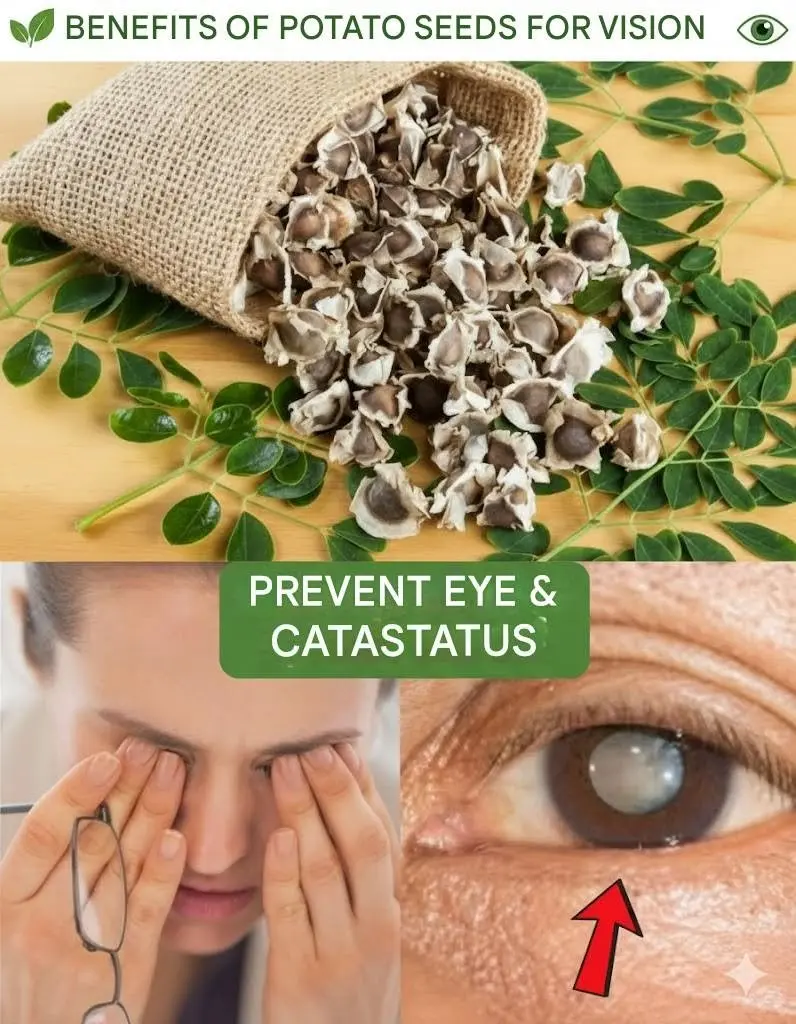
Our eyes are constantly bombarded by blue light from screens, ultraviolet rays from the sun, and pollutants in the air. These factors contribute to oxidative stress, a process where unstable molecules called free radicals damage healthy eye cells. Over time, this damage can lead to more serious concerns like macular degeneration or cataracts. Moringa is exceptionally high in antioxidants, including quercetin and chlorogenic acid, which help neutralize these free radicals before they can cause lasting harm.
By reducing oxidative stress in the ocular environment, moringa may support the longevity of the retina. The retina is responsible for capturing light and sending signals to the brain, and it is particularly susceptible to damage from poor circulation and inflammation. The anti-inflammatory properties of moringa help maintain healthy blood flow to the back of the eye, ensuring that the macula receives the oxygen and nutrients it needs to function at its peak. This is a key aspect of the moringa health benefits for vision that often goes overlooked.
The Role of Lutein and Zeaxanthin
In addition to vitamins A and C, moringa contains trace amounts of lutein and zeaxanthin. These two carotenoids are often referred to as “internal sunglasses” because they accumulate in the macula and filter out harmful high-energy blue light. While many people take synthetic supplements to get these nutrients, moringa offers them in a whole-food form that the body can easily recognize and absorb. This natural balance makes it a superior choice for those who prefer a holistic approach to their eye health.
Furthermore, the presence of zinc in moringa helps the body transport vitamin A for eyes from the liver to the retina. This biochemical partnership is vital because even if you have enough vitamin A in your system, your eyes cannot utilize it effectively without sufficient zinc. Moringa provides this complete package, ensuring that the nutrients you consume actually reach the tissues where they are needed most.
Practical Ways to Use Moringa
Incorporating moringa into your diet is surprisingly easy, even if you have never used green superfood powders before. Most people find that moringa has a slightly peppery, “green” flavor that is similar to matcha or a very concentrated spinach. Because it is so potent, a little goes a long way in providing the moringa health benefits for vision you are looking for. Here are a few practical ways to get started:
- Smoothie Boost: Add one teaspoon of moringa powder to your morning fruit smoothie. The sweetness of bananas or pineapples perfectly masks the earthy flavor of the leaves.
- Moringa Tea: Steep dried moringa leaves or a tea bag in hot water for a soothing, caffeine-free beverage that supports eye health from the inside out.
- Salad Sprinkles: Lightly dust your salads or roasted vegetables with moringa powder. It acts as a nutritional seasoning that blends well with olive oil and lemon juice.
- Capsules: If you aren’t a fan of the taste, moringa is widely available in capsule form, making it easy to include in your daily supplement regimen.
Important Cautions and Considerations
While the moringa health benefits for vision are impressive, it is important to use this supplement responsibly. Moringa is a powerful plant that can interact with certain medications. For example, because it may lower blood sugar and blood pressure, individuals already taking medications for diabetes or hypertension should consult with a healthcare professional before adding moringa to their routine. This ensures that your levels do not drop too low.
Additionally, pregnant or breastfeeding women should exercise caution. While the leaves are generally considered safe and highly nutritious, certain other parts of the moringa tree, such as the bark or roots, can cause uterine contractions. It is always best to stick to high-quality leaf powder from a reputable source and to discuss any new supplement with a qualified doctor to ensure it fits your specific medical history and eye health needs.
Final Thoughts
The moringa health benefits for vision offer a compelling reason to explore this ancient botanical. By providing a rich source of beta-carotene, antioxidants, and essential minerals, moringa serves as a comprehensive support system for your eyes in a modern world. Whether you are looking to protect your sight from digital strain or simply want to ensure you are getting enough vitamin A for eyes, this green superfood is a versatile and effective choice. Start with a small amount, listen to your body, and enjoy the peace of mind that comes with nourishing your vision naturally.
Frequently Asked Questions
Can moringa improve night vision?
Moringa is exceptionally high in beta-carotene, which the body converts into vitamin A. Vitamin A is essential for the production of rhodopsin, a pigment in the eyes that allows us to see in low-light conditions. While it cannot give you “superpowers,” maintaining healthy vitamin A levels through moringa can help prevent night blindness and improve your eyes’ ability to adjust to the dark.
How much moringa should I take daily for eye health?
For most healthy adults, a typical dose of one teaspoon (about 2 to 5 grams) of moringa powder per day is considered safe and effective. It is always best to start with a smaller amount, such as half a teaspoon, to see how your digestive system responds before increasing the dose. If you are using capsules, follow the manufacturer’s suggested serving size or consult your doctor.
Is moringa better for eyes than carrots?
While carrots are a great source of eye health nutrients, moringa is often more nutrient-dense by weight. Dried moringa leaves contain several times more beta-carotene than carrots and provide additional antioxidants like vitamin C and quercetin that carrots lack in significant amounts. Both are great additions to a balanced diet, but moringa offers a more concentrated nutritional punch.
Does moringa help with dry eyes?
Yes, the moringa health benefits for vision include support for the mucous membranes of the eye. The high vitamin A for eyes found in moringa helps maintain the tear film, which is essential for keeping the eyes lubricated. Regular consumption may help reduce the irritation and grittiness associated with chronic dry eye symptoms.
Are there any side effects of taking moringa?
Moringa leaf powder is generally well-tolerated, but some people may experience mild digestive upset, such as bloating or diarrhea, if they take too much too quickly. Because it has a mild laxative effect, it is important to stay within recommended amounts. As mentioned, those on blood-thinning, blood pressure, or diabetes medications should talk to a physician due to potential interactions.
The Hidden Power of Moringa: Vision-Boosting Baked Tart

This nutrient-dense vegetarian tart harnesses the hidden power of moringa, a superfood renowned for its significant benefits for health and vision. Combined with fresh greens and creamy ricotta, it offers a flavorful way to incorporate health-boosting ingredients into your dinner routine.
- 1 sheet puff pastry, thawed
- 2 cups fresh spinach, finely chopped
- 1.5 tbsp organic moringa leaf powder
- 1 cup whole milk ricotta cheese
- 2 large eggs, lightly beaten
- 3 cloves garlic, minced
- 1/2 cup shredded mozzarella cheese
- 1/2 tsp sea salt
- 1/4 tsp cracked black pepper
- 1/4 tsp ground nutmeg
- 1Preheat your oven to 375°F (190°C) and line a large baking sheet with parchment paper.
- 2In a large mixing bowl, combine the ricotta, beaten eggs, and moringa leaf powder. Whisk until the green powder is fully incorporated and the mixture is smooth.
- 3Fold in the chopped spinach, minced garlic, mozzarella, salt, pepper, and nutmeg until well combined.
- 4Unroll the puff pastry onto the prepared baking sheet. Spread the moringa mixture evenly over the pastry, leaving a 1-inch border on all sides.
- 5Fold the edges of the pastry inward to create a rustic crust. Bake for 25 to 30 minutes, or until the pastry is golden brown and the filling is set.
- 6Allow to cool for 5 minutes before slicing and serving.
Keywords: moringa benefits, vision health recipes, vegetarian dinner, superfood baking, healthy vision


