
Classic Beef Stew

There is something inherently soul-warming about a pot of beef stew bubbling away on a cold afternoon. It is the ultimate comfort food, filling the kitchen with an aroma that promises a rich, savory reward for your patience. This isn’t just a quick weeknight meal; it is a labor of love that transforms humble, tough cuts of meat and simple root vegetables into a sophisticated, velvet-textured masterpiece. When you are looking for the best classic beef stew recipe, you want more than just a soup with meat—you want a rich red wine gravy and beef so tender it practically melts at the touch of a fork.
The beauty of this recipe lies in the balance of time and technique. By focusing on layering flavors—from the initial sear on the beef to the slow deglazing of the pan—you create a depth of flavor that a slow cooker often struggles to replicate. This guide will walk you through the nuances of selecting the right meat, the importance of aromatics, and the sensory cues that signal your stew has reached its peak of perfection. Whether you are a seasoned home cook or a beginner, these steps ensure a result that feels both nostalgic and professionally executed.
Why This Recipe Is a Keeper
- Unmatched Depth of Flavor: By searing the meat and deglazing with wine, you build a complex flavor profile that tastes like it came from a high-end French bistro.
- Perfectly Tender Meat: The low-and-slow braising technique ensures that the tender chuck roast breaks down beautifully without becoming dry or stringy.
- One-Pot Simplicity: While the flavors are complex, the process happens in a single heavy-bottomed pot, making cleanup manageable and keeping all the juices where they belong.
- Make-Ahead Friendly: Like many slow-cooked beef dishes, this stew actually tastes even better the next day, making it the perfect candidate for meal prep or stress-free entertaining.
Ingredients You’ll Need
The success of a classic stew depends heavily on the quality and preparation of its components. Every ingredient serves a purpose, from providing structural integrity to the vegetables to thickening the sauce into a glossy, pourable gravy that coats every spoonful.
- Beef Chuck Roast: This is the non-negotiable king of stew meats. Its high fat and connective tissue content melt during the long cook time, providing both flavor and a succulent texture.
- Yellow Onions and Garlic: These aromatics form the flavor base, offering a subtle sweetness and pungent depth that balances the richness of the beef.
- Carrots and Potatoes: Choose hearty varieties like Yukon Gold or Russet that can withstand long simmering without turning into mush. They provide the essential “hearth” feel to the dish.
- Tomato Paste: A small amount adds a concentrated hit of umami and helps darken the color of the rich red wine gravy for a more professional look.
- Dry Red Wine: A Cabernet Sauvignon or Merlot works best here. The acidity cuts through the fat of the beef and lifts the entire flavor profile of the stew.
- Beef Stock: Use a high-quality, low-sodium stock to control the salt levels while providing a deep, meaty essence to the liquid base.
- Fresh Thyme and Rosemary: Woody herbs are essential for that classic “Sunday dinner” aroma; they infuse the liquid with earthy notes that dried herbs simply can’t match.
- Worcestershire Sauce: A secret weapon for many chefs, this adds a complex tang and extra saltiness that rounds out the savory notes.
Easy Ways to Change It Up
- The Mushroom Variation: Add a pint of seared cremini or button mushrooms during the last hour of cooking for an extra earthy, meaty texture that complements the beef perfectly.
- Root Vegetable Swap: For a more seasonal twist, replace half of the potatoes with parsnips or rutabagas to add a peppery sweetness to the best classic beef stew recipe.
- Alcohol-Free Version: If you prefer not to use wine, replace it with an equal amount of beef stock plus two tablespoons of balsamic vinegar to provide the necessary acidity.
- Guinness Stew: Replace the red wine with a bottle of stout beer for a deeper, slightly bitter, and incredibly hearty Irish-inspired version of this dish.
How to Make the Best Classic Beef Stew
Step 1: Season and Sear the Beef
Start by drying your cubed beef chuck thoroughly with paper towels. This is a critical step; moisture on the surface of the meat will cause it to steam rather than sear. Season the beef generously with salt and pepper. In a large Dutch oven, heat oil over medium-high heat until it shimmers. Working in batches to avoid crowding the pan, sear the beef until a deep, dark brown crust forms on all sides. This “Maillard reaction” is where the foundational flavor of your slow-cooked beef begins. Remove the beef and set it aside on a plate.
Step 2: Sauté the Aromatics and Build the Base
Lower the heat slightly and add your chopped onions to the same pot, using the rendered beef fat to soften them. As the onions release moisture, use a wooden spoon to scrape up the “fond”—the brown bits stuck to the bottom of the pot. These bits are concentrated flavor. Once the onions are translucent and slightly golden, add the garlic and tomato paste. Cook for about two minutes, stirring constantly, until the tomato paste turns a rusty brick-red color and smells fragrant rather than raw.
Step 3: Deglaze and Simmer
Pour in the red wine to deglaze the pan. The liquid will bubble vigorously; continue scraping the bottom of the pot until it is completely clean. Allow the wine to reduce by half, which concentrates the flavor and cooks off the harsh alcohol bite. Return the seared beef and any accumulated juices to the pot. Pour in the beef stock and Worcestershire sauce until the meat is just submerged. Nestled in your fresh herbs and bring the mixture to a very gentle simmer.
Step 4: The Long, Slow Braise
Cover the pot with a tight-fitting lid and transfer it to a low-temperature oven or keep it on the lowest setting of your stovetop. The goal is a “lazy bubble”—you don’t want a rolling boil, which can toughen the meat. Let the beef cook for about 90 minutes. At this stage, the connective tissues are starting to soften, and the house will begin to smell incredible. This patience is what defines the best classic beef stew recipe.
Step 5: Incorporate the Vegetables
After the initial braise, add your chunks of potatoes and carrots. By adding them later in the process, you ensure they cook through until tender but maintain their shape and individual textures. If the liquid has reduced too much, add a splash more stock. Continue to simmer, covered, for another 45 to 60 minutes. You’ll know it’s ready when a fork slides into a potato with no resistance and the beef falls apart with the slightest pressure.
Step 6: Thicken and Season for the Finish
If you prefer a thicker consistency, you can whisk together a small amount of cornstarch and water (a slurry) and stir it into the bubbling stew for the final five minutes. Taste the gravy—it may need a final pinch of salt or a crack of black pepper. Remove the woody herb stems before serving. The result should be a tender chuck roast bathed in a glossy, dark, and deeply flavorful sauce.
Pro Tips for Success
- Tip: Always sear in batches. If you put too much meat in the pot at once, the temperature drops, and the meat will grey and boil in its own juices instead of developing a crust.
- Tip: Use a heavy-bottomed pot like a cast-iron Dutch oven. These distribute heat more evenly, preventing the bottom of your stew from scorching during the long cook time.
- Tip: Don’t cut the vegetables too small. Since they cook for nearly an hour, large 1-inch chunks ensure they don’t disintegrate into the sauce.
- Tip: Let the stew rest for 15 minutes before serving. This allows the fibers of the meat to relax and reabsorb some of the flavorful liquid.
- Tip: Use “stew meat” with caution. Pre-packaged stew meat often contains different cuts with varying cook times. Buying a whole chuck roast and cubing it yourself ensures consistent results.
Troubleshooting Common Problems
Why is my beef still tough after two hours?
Tough beef usually means it hasn’t cooked long enough, or the temperature was too high. Chuck roast requires a low, steady heat to melt the collagen. If it’s still tough, simply put the lid back on and give it another 30 minutes. It will eventually yield and become the tender chuck roast you’re looking for.
Why is my stew liquid too thin?
If your stew looks more like soup, you can remove the lid for the last 30 minutes of cooking to allow some moisture to evaporate. Alternatively, the cornstarch slurry mentioned in the steps is a foolproof way to achieve a rich red wine gravy consistency quickly.
The flavor feels a bit flat or one-dimensional.
This often happens if there isn’t enough acidity. A teaspoon of red wine vinegar or a squeeze of lemon juice added right at the end can brighten the entire dish and make the savory flavors pop. Don’t forget to check your salt levels as well!
How to Serve Beef Stew
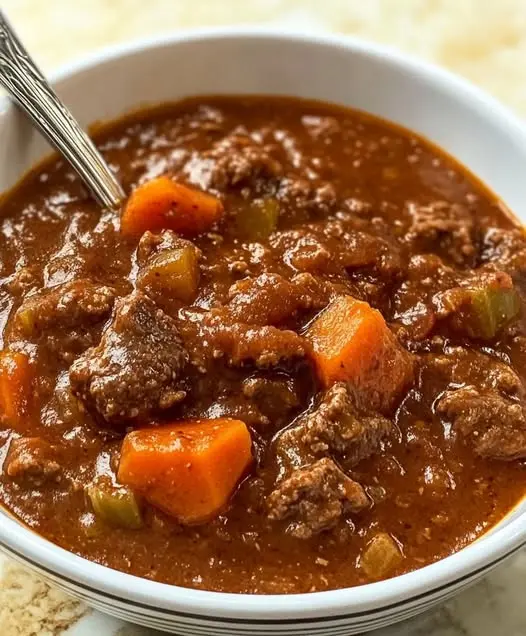
Serving this comfort food is all about leaning into its rustic, hearty nature. Because the stew already contains starch (potatoes) and fiber (carrots), it is technically a complete meal on its own. However, a few thoughtful additions can elevate the experience from a simple dinner to a memorable feast.
The Perfect Accompaniments
The most popular side for the best classic beef stew recipe is undoubtedly a loaf of warm, crusty bread. A French baguette or a sourdough boule is ideal for mopping up every last drop of the rich red wine gravy. If you want something even more indulgent, try serving the stew over a bed of buttery mashed potatoes or wide egg noodles. The extra starch acts as a sponge for the savory sauce.
Garnishes and Freshness
Since stew is quite heavy and dark, a pop of color and freshness makes a big difference. A generous sprinkle of freshly chopped Italian parsley or chives adds a clean, herbaceous note. For a bit of crunch, some people enjoy a side of quick-pickled onions or a crisp green salad with a sharp vinaigrette to cleanse the palate between rich bites.
Storage and Make-Ahead
Storing Leftovers
Beef stew stores exceptionally well. Once the pot has cooled to room temperature, transfer the contents to airtight containers. It will stay fresh in the refrigerator for up to 4 days. As it sits, the flavors continue to meld, and the potatoes absorb even more of the seasoned broth.
Freezing Instructions
This stew is freezer-friendly, though be aware that potatoes can sometimes change texture (becoming slightly grainy) after freezing. To freeze, place in freezer-safe bags or containers with about an inch of headspace for expansion. It will keep for up to 3 months. Thaw overnight in the refrigerator before reheating.
Reheating Best Practices
Avoid the microwave if possible, as it can make the meat rubbery. Instead, reheat the stew in a saucepan over medium-low heat. If the sauce has thickened too much in the fridge, add a tablespoon or two of water or beef stock to loosen it back up to its original glory.
Final Thoughts
Mastering the best classic beef stew recipe is a milestone for any home cook. It is a dish that rewards patience, attention to detail, and a love for deep, savory flavors. While the steps are straightforward, the result is a sophisticated slow-cooked beef experience that brings warmth to any table. By choosing a tender chuck roast and taking the time to build a rich red wine gravy, you create more than just a meal—you create a sense of home. Grab your favorite heavy pot and some fresh herbs, and enjoy the process of making this timeless classic.
Frequently Asked Questions
What is the best cut of meat for beef stew?
The absolute best cut is the boneless beef chuck roast. It has the perfect amount of intramuscular fat and connective tissue (collagen). As it cooks slowly, that collagen melts into gelatin, which not only makes the meat incredibly tender but also gives the stew a rich, silky mouthfeel. Avoid “lean” cuts like sirloin or round, as they will become dry and tough during the long braising process.
Do I have to sear the meat before simmering?
While you technically could skip it, you would be losing a massive amount of flavor. Searing creates a brown crust known as the Maillard reaction, which adds a complex, toasted, savory flavor to the meat and the sauce. Without searing, your stew will taste much flatter and look paler. It is the single most important step for a professional-tasting result.
Can I make this stew in a slow cooker?
Yes, you can. To get the best results in a slow cooker, you should still perform the searing and onion-sautéing steps on the stovetop first. Once you’ve deglazed the pan with wine, transfer everything to the slow cooker and cook on low for 7 to 8 hours. The stovetop or oven methods generally provide better sauce reduction and flavor concentration, but the slow cooker is great for convenience.
Why did my potatoes turn to mush?
This usually happens if you use a waxy potato or if the potatoes were cut too small and cooked for too long. For the best classic beef stew recipe, use Yukon Gold or Russet potatoes and cut them into large 1-inch or 1.5-inch chunks. Adding them halfway through the cooking process also ensures they finish at the exact same time as the meat without overcooking.
Can I skip the wine in this recipe?
You can definitely skip the wine if you prefer. Simply replace the wine with an equal amount of high-quality beef broth. To mimic the acidity that wine provides, add a tablespoon of balsamic vinegar or red wine vinegar to the pot. This ensures the comfort food stays balanced and doesn’t become overly heavy or “muddy” in flavor.
Classic Beef Stew

This hearty Classic Beef Stew is a timeless comfort food staple, featuring succulent chunks of beef, tender carrots, and potatoes simmered in a rich, savory red wine gravy.
- 2 lbs beef chuck, cut into 1-inch cubes
- 1/4 cup all-purpose flour
- 1 tsp sea salt
- 1/2 tsp freshly ground black pepper
- 3 tbsp vegetable oil
- 1 large yellow onion, diced
- 3 cloves garlic, minced
- 4 cups low-sodium beef broth
- 1 cup dry red wine
- 2 tbsp tomato paste
- 1 tsp dried thyme
- 2 dried bay leaves
- 4 large carrots, peeled and sliced into rounds
- 3 large Yukon Gold potatoes, peeled and cubed
- 1 cup frozen peas
- 1In a medium bowl, whisk together flour, salt, and pepper. Toss beef cubes in the mixture until well coated.
- 2In a large Dutch oven, heat oil over medium-high heat. Sear beef in batches until browned on all sides, then transfer to a plate.
- 3Add onion and garlic to the same pot and cook for 3-4 minutes until softened. Stir in tomato paste.
- 4Pour in the red wine to deglaze the pot, scraping the bottom to release any flavorful bits.
- 5Return beef to the pot and add beef broth, thyme, and bay leaves.
- 6Bring to a boil, then reduce heat to low. Cover and simmer for 90 minutes.
- 7Stir in carrots and potatoes. Cover and continue to simmer for 45-60 minutes or until the beef and vegetables are tender.
- 8Stir in the peas and cook for 5 minutes. Discard bay leaves before serving.
Keywords: beef stew, dinner, classic recipe, beef chuck, slow simmered, comfort food


