
Skillet Cornbread

There is something undeniably nostalgic about the sound of a heavy cast iron pan being pulled from a hot oven. When it comes to making the best cast iron skillet cornbread, the magic lies in that perfect contrast between a deeply golden, butter-crisped crust and a tender, moist cornbread center. Unlike standard baking pans, cast iron retains heat with incredible efficiency, allowing the edges of the batter to sear the moment they hit the surface. This creates a texture that simply cannot be replicated in a glass or aluminum dish, offering a savory-sweet bite that feels like a warm hug from a Southern kitchen.
Achieving the perfect balance of flavors is an art form in itself. This recipe focuses on a southern cornbread recipe philosophy, utilizing tangy buttermilk and real butter to ensure every slice is rich without being overly heavy. Whether you are serving it alongside a steaming bowl of chili or drizzling it with local honey for a simple snack, this cornbread is designed to be the centerpiece of the table. It is approachable enough for a Tuesday night dinner but carries the technical finesse needed to impress at a holiday gathering.
Why You’ll Love This Recipe
- Incredible Texture: The preheated cast iron creates a signature “fried” bottom crust that is delightfully crunchy, while the interior remains soft and pillowy.
- One-Pan Simplicity: By melting the butter directly in the skillet, you minimize cleanup and ensure the pan is perfectly seasoned and ready for the batter.
- Perfect Flavor Balance: This buttermilk cornbread strikes a harmonious chord between the earthy grit of cornmeal and a subtle, honey-kissed sweetness.
- Versatile Pairing: It acts as the ultimate side dish, soaking up juices from stews, complementing smoky barbecue, or standing alone with a pat of salted butter.
Ingredients You’ll Need
To create a truly exceptional cornbread, the quality and role of each ingredient must be considered. We aren’t just looking for bulk; we are looking for a specific crumb structure and a flavor profile that tastes homemade and authentic.
- Yellow Cornmeal: This provides the foundational flavor and the classic “crunch” that defines the best cast iron skillet cornbread. A medium-grind meal offers the best texture.
- All-Purpose Flour: While some traditionalists use only cornmeal, adding flour ensures the bread has enough structure to be sliced cleanly without crumbling into a mess.
- Buttermilk: The acidity in buttermilk reacts with the leavening agents to create a light, airy rise while providing a subtle tang that balances the richness.
- Unsalted Butter: Melting butter in the skillet before adding the batter is the secret to those coveted crispy edges and a deep, nutty aroma throughout the bread.
- Honey or Sugar: A small amount of sweetener enhances the natural corn flavor. Honey adds moisture and a floral note, while granulated sugar keeps the crumb light.
- Eggs: These act as the binding agent, providing lift and richness to the batter so the final result feels substantial and satisfying.
- Baking Powder and Baking Soda: This dual-leavening approach ensures the cornbread rises beautifully even in a heavy, dense skillet environment.
Easy Ways to Change It Up
Spicy Jalapeño Version: For those who love a bit of heat, fold in finely diced fresh jalapeños and a cup of sharp cheddar cheese into the batter before baking.
Honey Bacon Variation: Stir in crispy, crumbled bacon bits to the dry ingredients. The smoky saltiness of the bacon pairs perfectly with a honey cornbread flavor profile.
Maple Brown Butter Swap: Instead of melting standard butter, brown the butter in your skillet until it smells nutty and looks toasted. Substitute the honey for maple syrup for a deeper autumnal flavor.
How to Make the Best Cast Iron Skillet Cornbread
Step 1: Preheat the Skillet and Oven
The most critical step in this process is ensuring your cast iron skillet is scorching hot before the batter ever touches it. Place your skillet inside the oven while it preheats. Once the oven reaches temperature, add a generous knob of butter to the pan. Let it melt and slightly sizzle until it is just beginning to brown. This creates a non-stick surface and immediately begins searing the exterior of your moist cornbread, locking in moisture and creating that iconic crust.
Step 2: Whisk the Dry Ingredients
In a large mixing bowl, combine your cornmeal, flour, leavening agents, and salt. It is important to whisk these thoroughly to ensure the baking powder and soda are evenly distributed. This prevents any large air pockets or “flat” spots in the bread. By aerating the dry mix now, you reduce the amount of mixing needed later, which is key to maintaining a tender crumb rather than a tough, bread-like texture.
Step 3: Combine the Wet Ingredients
In a separate vessel, whisk together your buttermilk, eggs, and your chosen sweetener. If you are using honey, ensure the buttermilk is at room temperature so the honey doesn’t seize and clump up. This mixture should be smooth and fully emulsified. Using room temperature ingredients helps the batter come together more quickly and ensures the cold buttermilk doesn’t prematurely solidify the melted butter you’ll be adding in the next step.
Step 4: Create the Final Batter
Carefully pour your wet ingredients into the dry bowl. If the recipe calls for additional melted butter, stir it in gently now. Use a large spatula to fold the mixture together until just combined. It is perfectly fine—and actually encouraged—to have a few small lumps remaining. Over-mixing at this stage activates the gluten in the flour, which can lead to a rubbery texture instead of the best cast iron skillet cornbread experience you’re aiming for.
Step 5: The Sizzle and Bake
Carefully remove the hot skillet from the oven using heavy-duty oven mitts. Swirl the melted butter so it coats the bottom and sides of the pan. Pour the batter into the center; you should hear an immediate, satisfying sizzle. This is the sound of the crust forming. Quickly smooth the top and return the skillet to the oven. Bake until the top is golden brown and a toothpick inserted into the center comes out clean or with just a few moist crumbs.
Pro Tips for Success
- Tip: Always use a well-seasoned cast iron skillet. The natural non-stick properties of a seasoned pan are essential for releasing the cornbread cleanly.
- Tip: Don’t skip the preheat. If you pour batter into a cold pan, the bottom will be soggy and pale rather than crisp and dark.
- Tip: Use full-fat buttermilk if possible. The extra fat content contributes significantly to the moist cornbread texture that keeps it from drying out the next day.
- Tip: Let the cornbread rest for at least 10 minutes after baking. This allows the steam to settle and the structure to firm up, making it much easier to slice.
- Tip: Check your leavening agents. Baking powder and soda can lose their potency over time; ensure yours are fresh for the best possible lift.
Troubleshooting Common Problems
Why is my cornbread dry and crumbly?
The most common cause of dry cornbread is over-baking. Because cast iron retains heat so well, the bread continues to cook for a few minutes even after it’s out of the oven. Always pull it out just as the edges pull away from the pan. Additionally, ensure you aren’t using too much cornmeal relative to the flour and buttermilk.
Why didn’t my cornbread get a crispy crust?
If your crust is soft, your skillet likely wasn’t hot enough when you added the batter. Ensure the oven and the pan are fully preheated. You want the butter in the pan to be bubbling and very hot—almost to the point of smoking—before the batter is poured in.
How to Serve Your Cornbread
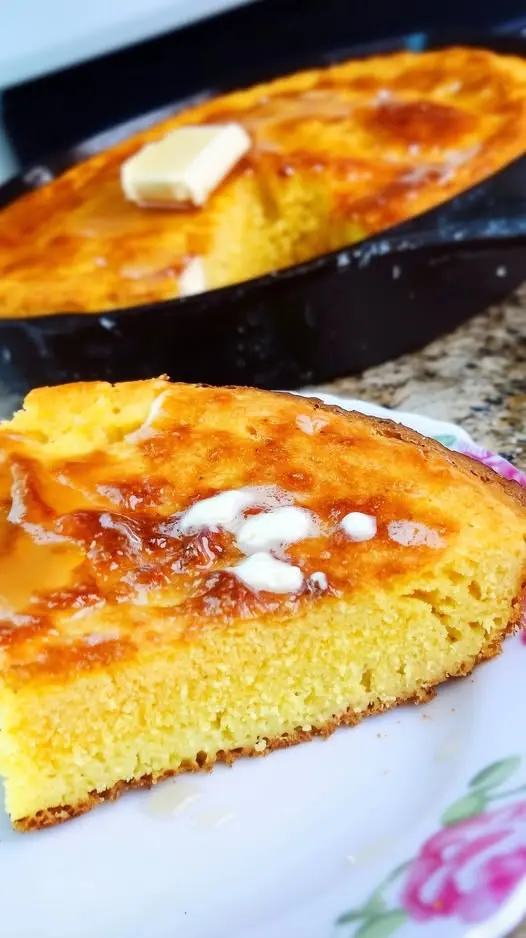
Serving the best cast iron skillet cornbread is best done while it is still slightly warm from the oven. The traditional way is to cut it into wedges directly in the skillet, though some prefer squares if they are using a larger rectangular cast iron pan. Presentation-wise, bringing the skillet directly to the table adds a rustic, cozy feel to any meal.
Toppings and Garnishes
A simple pat of salted butter is the gold standard, as the salt enhances the corn’s natural sweetness. For a more decadent experience, whip up some honey butter or a spicy maple glaze. Fresh chives or a sprinkle of flaky sea salt on top can also elevate the visual appeal and add a pop of freshness.
Perfect Pairings
This cornbread is the natural companion to a thick, spicy chili or a slow-cooked pot of pinto beans. It also works beautifully with roasted chicken or barbecue ribs. For a true Southern breakfast, try crumbling a leftover piece into a glass of cold buttermilk and eating it with a spoon—a classic tradition that highlights the bread’s simple, honest flavors.
Storage and Make-Ahead
Storing Leftovers
To keep your moist cornbread fresh, wrap it tightly in plastic wrap or store it in an airtight container at room temperature for up to two days. For longer storage, keep it in the refrigerator for up to five days. Note that the crispy crust will naturally soften over time as it absorbs moisture from the air.
Reheating
Avoid the microwave if you want to preserve the texture, as it can make the bread chewy. Instead, reheat slices in a 350°F oven for about 5-10 minutes, or toast them in a dry skillet over medium heat until the edges are recrisped and the center is warm.
Freezing
This recipe freezes exceptionally well. Wrap individual wedges in foil and place them in a freezer-safe bag. They will stay fresh for up to three months. Thaw at room temperature and reheat in the oven for a “just baked” taste.
Final Thoughts
Mastering the best cast iron skillet cornbread is a milestone for any home cook. It is a dish that proves how a few humble ingredients—cornmeal, buttermilk, and butter—can be transformed through the right technique and the right equipment. By focusing on the heat of your skillet and the balance of your batter, you create a side dish that often outshines the main course. It is a timeless addition to your recipe repertoire that brings warmth and comfort to every table it graces.
Frequently Asked Questions
Can I make this if I don’t have a cast iron skillet?
Yes, you can use a standard 9-inch cake pan or a square baking dish. However, you won’t get the same level of crispy edges. If using a different pan, still preheat it in the oven and melt the butter inside to try and mimic the cast iron effect as much as possible.
Can I use white cornmeal instead of yellow?
Absolutely. White cornmeal is often more common in certain parts of the South and has a slightly milder, more delicate flavor. The texture will remain similar, though the southern cornbread recipe will lack that vibrant golden color characteristic of yellow meal.
How do I stop my cornbread from sticking to the pan?
The combination of a well-seasoned skillet and a generous amount of hot butter is usually enough. If you are worried, ensure you don’t skimp on the butter in the pan, and make sure the pan is hot enough that the batter “sets” instantly upon contact.
Can I make this recipe dairy-free?
You can substitute the buttermilk with a mixture of almond or soy milk and a tablespoon of lemon juice (let it sit for 10 minutes to curdle). Use a high-quality vegan butter or coconut oil for the pan. The flavor will be slightly different, but the cast iron technique will still provide a great crust.
Why does my cornbread have a metallic taste?
This usually happens if your cast iron skillet isn’t properly seasoned or if it hasn’t been used in a long time. The acid in the buttermilk can react with the iron if the seasoning layer is thin. To prevent this, ensure your pan is well-maintained with a solid layer of polymerized oil before baking.
Classic Skillet Cornbread

This classic Skillet Cornbread features a perfectly crisp, buttery crust and a moist, tender interior. Baked in a hot cast iron skillet, it is the ultimate companion to chili, soup, or a simple drizzle of honey.
- Dry Ingredients
- 1 cup all-purpose flour
- 1 cup yellow cornmeal
- 1/4 cup granulated sugar
- 1 tablespoon baking powder
- 1/2 teaspoon salt
- Wet Ingredients
- 1 cup buttermilk
- 1/3 cup unsalted butter, melted
- 1 large egg
- 1 tablespoon honey
- 2 tablespoons vegetable oil
- 1Preheat your oven to 400°F (200°C). Place a 9-inch cast iron skillet inside the oven while it preheats.
- 2In a large mixing bowl, whisk together the flour, cornmeal, sugar, baking powder, and salt.
- 3In a separate medium bowl, whisk the buttermilk, melted butter, egg, and honey until well combined.
- 4Pour the wet ingredients into the dry ingredients and stir until just combined; do not overmix.
- 5Carefully remove the hot skillet from the oven. Add the vegetable oil and swirl to coat the bottom and sides completely.
- 6Pour the batter into the hot skillet. It should sizzle at the edges.
- 7Bake for 20 to 25 minutes, or until the top is golden brown and a toothpick inserted into the center comes out clean.
- 8Allow to cool slightly before slicing into wedges.
Keywords: skillet cornbread, cast iron cornbread, southern sides, easy cornbread recipe, honey cornbread


