
Old-Fashioned Boston Brown Bread

There is perhaps no dish that captures the rugged, resourceful spirit of early New England quite like a traditional boston brown bread recipe. Unlike the airy, yeast-risen loaves we typically find in modern bakeries, this historic bread is uniquely steamed rather than baked, resulting in a dense, moist, and incredibly tender crumb. It is a staple of the classic “Saturday Night Bean Supper,” characterized by its deep mahogany hue and the unmistakable, earthy sweetness of molasses. For generations, this bread has been a comforting presence on Northeastern tables, offering a hearty texture that stands up perfectly to a side of slow-cooked salt pork and navy beans.
Making New England steamed bread is a rewarding culinary project because it utilizes a unique “thirded” flour method, combining three different grains to create a complex flavor profile you simply can’t get from wheat alone. The process of steaming the batter in tin cans might seem unusual if you have never tried it, but it is remarkably approachable and yields a cylindrical loaf that is as fun to slice as it is to eat. Whether you are looking to recreate a childhood memory or exploring American heritage cooking for the first time, this method ensures a perfectly moist result every single time.
Why This Recipe Is a Keeper
- Unique Steamed Texture: Because the bread is cooked in a moist-heat environment, it never develops a hard crust, staying incredibly soft and dense from the edges to the center.
- Pantry-Friendly Ingredients: This traditional boston brown bread recipe relies on New England pantry staples like cornmeal, rye flour, and molasses, making it an easy recipe to whip up without a trip to the specialty grocer.
- Historical Charm: There is a wonderful sense of nostalgia in using clean tin cans as baking molds, a technique that has been passed down through families for over a century.
- Naturally Hearty: The combination of three whole grains provides a satisfying, wholesome bite that pairs beautifully with both savory stews and sweet spreads.
Ingredients You’ll Need
The beauty of this molasses quick bread lies in its simplicity. Each ingredient serves a specific purpose in building the signature dark color and grainy, tender structure that defines the dish. Unlike modern breads that rely on gluten development, this recipe uses a chemical reaction between acidic buttermilk and baking soda to achieve its rise.
- Rye Flour: This is essential for the authentic, slightly tangy, and earthy flavor. It contributes to the dark color and the signature “heavy” feel of the bread.
- Yellow Cornmeal: Provides a subtle crunch and a beautiful golden undertone. It helps break up the density of the wheat and rye, adding a rustic mouthfeel.
- Whole Wheat Flour: Often referred to as Graham flour in older versions of this traditional boston brown bread recipe, it provides the structural base and a nutty sweetness.
- Molasses: This is the soul of the bread. It provides the deep brown color, moisture, and a complex, bittersweet sugar profile that is synonymous with New England cooking.
- Buttermilk: The acidity in the buttermilk reacts with the leavening agent to create lift. It also ensures the crumb remains tender and rich.
- Baking Soda: This is the primary leavening agent. It works quickly once hitting the wet ingredients, so it is important to get the batter into the steamer promptly.
- Raisins: While optional, many consider these a mandatory addition. They provide little bursts of concentrated sweetness that contrast the earthy grains.
Easy Ways to Change It Up
While the classic brown bread is perfect in its simplest form, there are several ways to adapt the recipe to your personal tastes or dietary needs without losing its historic essence.
- Fruit Variations: If you aren’t a fan of raisins, try using dried currants or chopped dried cranberries for a slightly tarter flavor profile.
- Nutty Texture: Add a half-cup of finely chopped walnuts or pecans to the batter for an extra layer of crunch that complements the soft, steamed crumb.
- Spice it Up: Though not strictly traditional, a pinch of cinnamon or ground ginger can enhance the warm notes of the molasses, giving the bread a gingerbread-like aroma.
- Dairy-Free Option: You can create a buttermilk substitute by adding a tablespoon of lemon juice or vinegar to a cup of soy or almond milk and letting it sit for five minutes before use.
How to Make This Traditional Boston Brown Bread Recipe
Step 1: Prepare the Steaming Molds and Water Bath
Start by selecting your steaming vessels. Traditionally, clean 15-ounce tin cans (like those used for beans or soup) are used. Grease the insides thoroughly with butter or shortening to ensure the bread slides out easily later. You will also need a large Dutch oven or a deep pot with a tight-fitting lid. Place a small wire rack or even a few folded strips of aluminum foil at the bottom of the pot to act as a trivet, preventing the cans from making direct contact with the heat source.
Step 2: Whisk the Three Grains Together
In a large mixing bowl, combine the rye flour, cornmeal, and whole wheat flour along with the baking soda and a pinch of salt. It is important to whisk these dry ingredients thoroughly to ensure the baking soda is evenly distributed. This prevents any “hot spots” of leavening that could cause the bread to rise unevenly or leave a metallic aftertaste. If you are including raisins, toss them into the dry mixture now so they get a light coating of flour, which helps prevent them from sinking to the bottom of the cans.
Step 3: Combine the Wet Ingredients and Blend
In a separate container, stir together the buttermilk and the molasses until the mixture is a uniform, dark liquid. Pour the wet ingredients into the dry grain mixture. Use a sturdy spatula or wooden spoon to fold the ingredients together until just combined. You want to avoid over-mixing, which can lead to a rubbery texture. The batter should be thick, similar to a heavy muffin batter, and have a rich, dark chocolate color thanks to the molasses.
Step 4: Fill the Cans and Seal
Distribute the batter evenly among your prepared cans, filling them no more than two-thirds of the way to allow for expansion. Cover the top of each can tightly with a piece of parchment paper followed by a layer of aluminum foil. Secure the foil with a rubber band or a piece of kitchen twine. This seal is crucial; it prevents the steam from dripping into the batter, which would make the top of the bread soggy and prevent it from setting correctly.
Step 5: Steam to Perfection
Place the filled cans onto the rack inside your pot. Carefully pour boiling water into the pot until it reaches halfway up the sides of the cans. Bring the water back to a very gentle simmer, cover the pot tightly, and let it steam for about two to three hours. It is vital to check the water level occasionally and replenish it with more boiling water if it gets too low. The bread is done when a skewer inserted through the foil into the center comes out clean.
Step 6: Cool and Unmold
Once the traditional boston brown bread recipe is fully cooked, carefully remove the cans from the pot and let them rest on a cooling rack for about 10 minutes. Remove the foil and parchment covers. To unmold, run a thin knife around the inside edge of the can. If you used cans with the bottoms removed, you can simply push the bread through. Otherwise, gently shake the can until the loaf slides out. For the best texture, let the bread cool slightly before slicing with a serrated knife.
Pro Tips for the Best Results
- Tip: Always use boiling water when replenishing your steamer. Adding cold water will drop the temperature and interrupt the cooking process, potentially leading to a gummy center.
- Tip: Grease your cans generously. Because this bread is quite sticky due to the molasses, extra butter or a heavy-duty non-stick spray is your best friend for a clean release.
- Tip: Use a serrated knife for slicing. The bread is very moist and dense, so a standard smooth blade might squish the loaf rather than cutting clean rounds.
- Tip: Don’t peek! Every time you lift the lid of the Dutch oven, you release the built-up steam and lower the temperature, which can affect the final rise of the bread.
Troubleshooting Common Problems
Why is my bread soggy on top?
Soggy tops are almost always caused by a poor seal on the cans. If steam or condensation drips onto the surface of the batter during the long cooking process, it creates a wet layer. Ensure your foil is wrapped tightly and secured with twine to create a waterproof barrier.
Why did the bread stick to the can?
This is usually due to insufficient greasing or trying to unmold the bread while it is still piping hot. Molasses becomes very sticky when warm. Let the bread rest for 10 minutes to allow the structure to firm up slightly, and always run a knife around the edges before tipping the can over.
Why is the center of the bread still raw?
If the skewer comes out wet after the allotted time, your simmer may have been too low or your cans were too large. Ensure the water remains at a steady simmer and always test the very center of the loaf before turning off the heat.
How to Serve Your Steamed Bread
A traditional boston brown bread recipe is rarely served alone; it is part of a larger New England dinner experience. The most iconic way to enjoy it is alongside a big pot of slow-baked navy beans. The sweetness of the bread perfectly balances the savory, salty notes of the beans and pork.
Classic Accompaniments
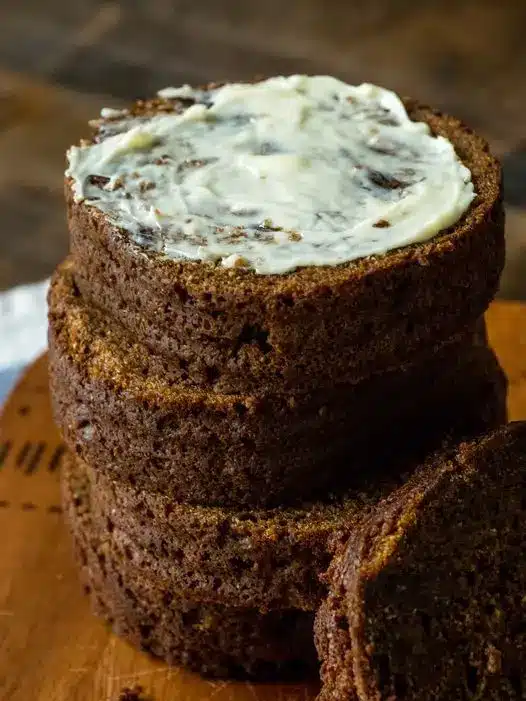
The simplest and perhaps best way to eat a warm slice of brown bread is with a thick smear of salted butter. As the butter melts into the porous, grainy surface, it creates a rich, decadent bite. For a more modern twist, some enjoy it with a layer of tangy cream cheese, which provides a lovely contrast to the deep molasses flavor.
Creative Serving Ideas
If you have leftovers, try thick-slicing the bread and toasting it in a skillet with a little bit of butter. This crisps up the exterior while keeping the inside moist. It also makes a fantastic base for a unique breakfast, topped with a poached egg or a drizzle of maple syrup. In some households, it is even served as a simple dessert, warmed up and topped with a dollop of whipped cream.
Storage and Make-Ahead
Storing Leftovers
Because of its high moisture content, this bread stays fresh longer than most. Wrap the cooled loaves tightly in plastic wrap or store them in an airtight container at room temperature for up to three days. For longer storage, keep it in the refrigerator for up to a week.
Freezing
This bread freezes exceptionally well. Wrap individual slices or whole loaves in plastic wrap and then a layer of foil. It will stay good in the freezer for up to three months. To thaw, simply leave it on the counter for a few hours or defrost slices in the toaster.
Reheating
To recapture that “just-steamed” texture, you can briefly re-steam slices for a few minutes or wrap them in a damp paper towel and microwave them for 15-20 seconds. Toasting in a pan or toaster oven is also a highly recommended method for adding a bit of textural contrast.
Final Thoughts
Mastering a traditional boston brown bread recipe is like taking a step back into culinary history. It reminds us that wonderful things can be created with humble ingredients and a bit of patience. The process of steaming bread in a can might feel like a novelty today, but the result is a timeless, flavorful loaf that no modern oven can truly replicate. It is the perfect project for a rainy afternoon, filling your kitchen with the warm, comforting scent of molasses and grains. Serve it warm, share it with friends, and enjoy a true taste of American heritage.
Frequently Asked Questions
Can I make this bread in the oven instead of steaming it?
While you can bake this batter in a standard loaf pan at 350°F, it will not be the same. Baking creates a crust and a much drier interior. The magic of a traditional boston brown bread recipe lies in the steam, which keeps it incredibly moist and gives it that unique, fudge-like density. If you must bake it, place a pan of water on the bottom rack of the oven to create some humidity.
What can I use if I don’t have empty tin cans?
If you don’t have tin cans, you can use a small heat-proof glass jar (like a Mason jar) or a specialized steamed pudding mold. Just ensure whatever vessel you use is well-greased and can withstand the heat of the simmering water bath. The cooking time may vary slightly depending on the thickness of the container walls.
Is rye flour absolutely necessary?
Rye flour provides a specific flavor and texture that is central to this classic brown bread. If you absolutely cannot find it, you can substitute more whole wheat flour, but the bread will be lighter in color and lack that signature earthy tang. Some people also use oat flour as a substitute for a slightly different but still rustic result.
Can I make this recipe gluten-free?
Traditional brown bread relies on a mix of grains, two of which (wheat and rye) contain gluten. You can attempt a gluten-free version by using a high-quality gluten-free all-purpose blend in place of the wheat and rye, but you may need to add a bit more binder like xanthan gum. Keep in mind the texture will be significantly different from the original version.
Why did my raisins all sink to the bottom?
Raisins often sink if the batter is too thin or if they aren’t tossed in the dry ingredients first. Coating the raisins in the flour mixture creates a rough surface that helps them “grip” the batter as it sets. Also, make sure your buttermilk isn’t too watery; a thick batter is necessary to keep the fruit suspended.
Old-Fashioned Boston Brown Bread

A classic New England staple, this dense and moist bread is traditionally steamed in cans to create its signature cylindrical shape. It features a deep molasses flavor and a hearty texture from the blend of cornmeal, rye, and whole wheat flours.
- 1 cup rye flour
- 1 cup yellow cornmeal
- 1 cup whole wheat flour
- 3/4 teaspoon baking soda
- 1 teaspoon salt
- 3/4 cup molasses
- 2 cups buttermilk
- 1/2 cup raisins
- 1Whisk together the rye flour, cornmeal, whole wheat flour, baking soda, and salt in a large mixing bowl.
- 2Stir in the molasses and buttermilk until the batter is thoroughly combined and smooth.
- 3Fold in the raisins.
- 4Generously grease two 28-ounce cans or a pudding mold and divide the batter evenly.
- 5Cover the tops tightly with greased aluminum foil and secure with kitchen twine.
- 6Place a rack in a large stockpot and fill with enough water to reach halfway up the sides of the cans.
- 7Bring to a boil, then cover the pot and reduce heat to a simmer. Steam for 2 hours and 15 minutes.
- 8Remove from water and let cool for 10 minutes before gently sliding the bread out of the containers.
Keywords: Boston brown bread, steamed bread, New England recipes, molasses bread, traditional bread


