
Sausage Pizza

There is something undeniably comforting about a fresh pizza emerging from a hot oven, but when you master the best homemade sausage pizza recipe, it transcends simple comfort food. It becomes a culinary event. The magic lies in the contrast: a thin, crisp-bottomed crust that yields to a chewy interior, topped with a bright, herbaceous tomato sauce and generous pinches of savory, browned Italian sausage. Unlike takeout, which can often arrive soggy or lukewarm, making this at home allows you to control the quality of every single ingredient, ensuring that the fats from the sausage meld perfectly with the molten mozzarella without making the dough heavy.
Creating a professional-quality Italian sausage pizza at home is more approachable than you might think, provided you understand the relationship between heat and moisture. By focusing on a few key techniques—such as properly browning your protein and preheating your baking surface—you can achieve a perfect pizza crust that rivals your favorite local pizzeria. This guide will walk you through the nuances of flavor balancing and texture management so you can confidently serve a pie that is as visually stunning as it is delicious.
Why This Recipe Is a Keeper
- Superior Texture: This method focuses on achieving a perfect pizza crust that remains sturdy enough to hold the weight of the sausage while maintaining a light, airy rim.
- Customizable Flavor Profiles: Whether you prefer sweet, mild, or hot Italian sausage, you can tailor the spice level to your family’s exact preferences.
- Cost-Effective Quality: Using high-quality bulk sausage and block mozzarella is significantly more affordable than ordering a premium specialty pizza from a restaurant.
- Foolproof Technique: By pre-cooking the sausage and using a high-heat method, you eliminate the common problem of greasy, undercooked pizza centers.
Ingredients You’ll Need
The success of the best homemade sausage pizza recipe depends on selecting ingredients that can stand up to high temperatures. Since pizza bakes quickly, every component needs to be prepared to release its flavor immediately upon hitting the heat.
- Pizza Dough: A high-hydration homemade pizza dough is ideal here, as it creates those signature air bubbles and a crisp exterior that supports the heavy toppings.
- Italian Sausage: Look for high-quality pork sausage. Using bulk sausage (without casings) allows you to create rustic, irregular chunks that brown beautifully and provide varied texture.
- Whole Milk Mozzarella: Avoid pre-shredded cheese; the added cornstarch prevents it from melting into that classic, stretchy blanket we want for an Italian sausage pizza.
- Crushed Tomatoes: A simple homemade pizza sauce starting with San Marzano or high-quality California crushed tomatoes provides the necessary acidity to cut through the richness of the meat.
- Fresh Garlic and Herbs: Sautéing garlic with the sausage and finishing the pie with fresh basil or dried oregano adds layers of aromatic complexity.
- Olive Oil: A drizzle of extra virgin olive oil on the crust before baking encourages browning and adds a fruity, peppery finish to the dough.
Simple Swaps and Variations
While the classic combination is hard to beat, you can easily adapt this recipe based on what you have in your pantry or your specific dietary needs. Changing one or two components can turn a standard weeknight meal into a completely different flavor experience.
Spice It Up: If you love heat, use hot Italian sausage and add a generous sprinkle of crushed red pepper flakes and sliced jalapeños before sliding the pizza into the oven. The capsaicin pairs beautifully with the salty fat of the pork.
The “White” Sausage Pizza: Swap the red sauce for a base of ricotta cheese and garlic-infused olive oil. This “pizza bianca” style highlights the fennel notes in the sausage and works wonderfully with a handful of fresh arugula tossed on top after baking.
Vegetable Additions: Sausage pairs exceptionally well with earthy vegetables. Consider adding thinly sliced bell peppers, caramelized onions, or sautéed mushrooms. Just ensure the vegetables are sliced thin or pre-cooked so they don’t release too much water onto your crust.
How to Make the Best Homemade Sausage Pizza Recipe
Step 1: Prepare and Room Temperature the Dough
Start by taking your homemade pizza dough out of the refrigerator at least one hour before you plan to bake. Cold dough is elastic and will snap back when you try to stretch it, leading to a thick, tough crust. By letting it come to room temperature, the gluten relaxes, allowing you to stretch it into a thin, even circle without tearing. While the dough rests, place your pizza stone or baking steel in the oven and preheat it to its highest setting—usually between 500°F and 550°F—for at least 45 minutes.
Step 2: Brown the Italian Sausage
One of the biggest mistakes in making an Italian sausage pizza is putting raw meat directly on the dough. Because the pizza bakes so fast, the sausage won’t brown properly and will release excess grease, making the crust soggy. Place the bulk sausage in a skillet over medium-high heat. Break it into bite-sized crumbles and cook until it is deeply browned and slightly crispy on the edges. Drain the excess fat on a paper towel. This ensures every bite of sausage is flavorful and the pizza remains crisp.
Step 3: Prepare the Quick Tomato Base
While the sausage cools slightly, mix your homemade pizza sauce. You don’t need to cook the sauce on the stove; the high heat of the oven will do that for you. Simply season crushed tomatoes with a pinch of salt, a splash of olive oil, and some dried oregano. This fresh approach keeps the sauce bright and prevents it from becoming overly sweet or “cooked” tasting, which provides a necessary contrast to the savory pork.
Step 4: Stretch and Assemble the Pie
On a piece of parchment paper or a floured pizza peel, stretch your dough to about 12 inches. Spread a thin layer of sauce, leaving about an inch for the crust. Distribute the shredded mozzarella evenly, then top with your browned sausage crumbles. Adding the cheese under the meat protects the sauce from drying out while allowing the sausage to get even crispier as it bakes. This layering technique is essential for the best homemade sausage pizza recipe.
Step 5: The High-Heat Bake
Carefully transfer the pizza onto the preheated pizza stone. The immediate contact with the intense heat causes “oven spring,” where the gases in the dough expand rapidly, creating a light, airy structure. Bake for 8 to 12 minutes, or until the cheese is bubbling and has golden-brown spots and the crust is charred in places. The high heat mimics the environment of a wood-fired oven, which is the secret to a professional result at home.
Pro Tips for Success
- Tip: Don’t Over-Sauce. Too much sauce is the primary cause of the “soggy middle.” A thin, even layer is all you need to provide flavor without weighing down the perfect pizza crust.
- Tip: Use a Pizza Stone. If you want a truly crisp bottom, a pizza stone or steel is non-negotiable. It holds and conducts heat far better than a standard baking sheet.
- Tip: Dry Your Cheese. If using fresh mozzarella balls instead of low-moisture block cheese, slice them and let them sit on paper towels for 15 minutes to remove excess whey.
- Tip: Grate Your Own Cheese. High-value homemade pizza always features hand-grated cheese. The lack of anti-caking agents means the mozzarella will flow together perfectly.
- Tip: Finish with Freshness. Always add fresh herbs like basil or a grating of hard Parmesan *after* the pizza comes out of the oven to preserve their delicate oils and aromas.
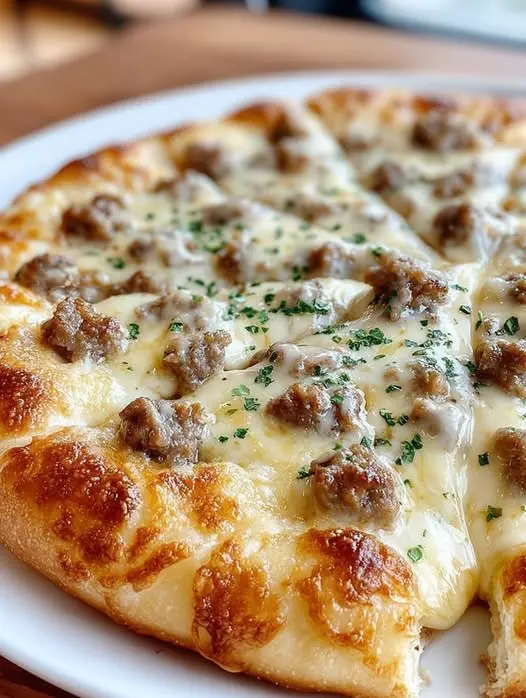
How to Serve Your Sausage Pizza
Presentation and accompaniment can turn a simple pizza night into a full Italian feast. Serve the pizza on a wooden board to prevent the bottom from steaming and losing its crunch. I recommend setting out small bowls of red pepper flakes, dried oregano, and a high-quality garlic infused oil so guests can customize their slices.
For a balanced meal, pair this rich Italian sausage pizza with a bright, acidic side. A classic Caesar salad with plenty of lemon or a simple arugula salad with a balsamic vinaigrette cuts through the richness of the pork and cheese beautifully. For drinks, a crisp Italian lager or a medium-bodied red wine like Chianti or Barbera complements the savory fennel notes in the sausage perfectly.
Storage and Make-Ahead
Storing Leftovers
If you find yourself with extra slices, allow them to cool completely before placing them in an airtight container or a zip-top bag. Leftover sausage pizza will stay fresh in the refrigerator for up to 3 to 4 days. Avoid stacking slices directly on top of each other; use parchment paper between layers to keep the toppings from sticking to the bottom of the crust above.
The Best Way to Reheat
Never use the microwave to reheat pizza, as it will make the crust rubbery. Instead, place slices in a cold non-stick skillet and turn the heat to medium. Cover the pan with a lid or foil for 2-3 minutes to melt the cheese, then remove the cover for the last minute to crisp up the bottom. This method restores the perfect pizza crust to its original glory.
Make-Ahead Options
You can prepare the homemade pizza dough up to three days in advance; a slow cold ferment in the fridge actually develops better flavor. The sausage can also be browned a day ahead of time and stored in the refrigerator, making the actual assembly and baking process incredibly fast on a busy weeknight.
Final Thoughts
Mastering the best homemade sausage pizza recipe is a rewarding journey that proves you don’t need a fancy brick oven to achieve world-class results. By respecting the dough, pre-cooking your protein, and utilizing high heat, you can create a meal that surpasses any delivery option. This recipe is more than just a set of instructions; it’s a blueprint for a perfect Friday night at home. Once you hear that first crunch of the crust and taste the savory, herbaceous sausage, you’ll never go back to the cardboard box again.
Frequently Asked Questions
Do I really need to pre-cook the sausage?
Yes, absolutely. Because the best homemade sausage pizza recipe bakes at very high heat for a short period, raw sausage may not reach a safe internal temperature. More importantly, browning the sausage beforehand allows you to drain the excess fat, preventing a greasy “oil pool” from forming in the center of your pizza and making the crust soggy.
What is the best type of flour for pizza dough?
For a perfect pizza crust, “00” flour is the gold standard because it is finely milled and produces a very supple dough that can handle high heat without burning. However, high-protein bread flour is a fantastic and more accessible substitute that provides a wonderful chew and excellent structure for holding heavy toppings like Italian sausage.
Can I freeze the assembled pizza?
It is better to freeze the components separately. You can freeze the homemade pizza dough in individual balls and the browned sausage in a freezer bag. Assembling and freezing a raw pizza often leads to a soggy crust when baked. If you must freeze a finished pizza, bake it fully first, let it cool, and then freeze slices to be reheated in the oven later.
How do I prevent my pizza from sticking to the peel?
Use a mixture of all-purpose flour and cornmeal or semolina flour on your pizza peel. The coarser grains of cornmeal act like tiny ball bearings, allowing the dough to slide easily onto the pizza stone. Also, make sure you work quickly once the sauce is on the dough; the longer the wet sauce sits on the raw dough, the more likely it is to stick.
Can I make this recipe on a regular baking sheet?
You can, though the crust won’t be quite as crispy. If using a baking sheet, flip it upside down and preheat it in the oven just like a pizza stone. This provides a flat, hot surface to slide your pizza onto. You may need to bake the pizza for an extra 2-3 minutes since a baking sheet doesn’t hold heat as intensely as stone or steel.
Classic Homemade Sausage Pizza

A delicious homemade pizza topped with savory plant-based sausage, melted mozzarella, and a tangy tomato sauce on a crispy crust.
- Dough and Sauce
- 1 pound pizza dough
- 1/2 cup tomato sauce
- Toppings
- 1 cup vegetarian sausage crumbles
- 2 cups shredded mozzarella cheese
- 1/2 green bell pepper, sliced
- 1/4 red onion, thinly sliced
- 1 teaspoon dried oregano
- 1Preheat your oven to 475°F (245°C). If using a pizza stone, place it in the oven while preheating.
- 2Roll out the pizza dough on a floured surface to your desired thickness.
- 3Spread the tomato sauce evenly over the dough, leaving a small border for the crust.
- 4Sprinkle the mozzarella cheese over the sauce.
- 5Distribute the vegetarian sausage crumbles, bell peppers, and onions over the cheese.
- 6Bake for 12-15 minutes or until the crust is golden brown and the cheese is bubbly.
- 7Remove from the oven and sprinkle with dried oregano before serving.
Keywords: pizza, sausage pizza, vegetarian, dinner, homemade pizza


