
Creamy Garlic & Herb Cheesesteak Pasta Bake

There is something inherently comforting about the marriage of a classic sandwich and a hearty bowl of pasta. This creamy garlic herb cheesesteak pasta takes all the iconic elements of a Philly cheesesteak—thinly sliced succulent steak, sautéed peppers, and caramelized onions—and folds them into a luxurious, velvety garlic and herb sauce. It is a comfort food dinner that feels elevated enough for a weekend but comes together with the efficiency needed for a busy evening. The sauce clings perfectly to every ridge of the pasta, ensuring that every bite is infused with savory beef notes and a punch of fresh herbs.
What makes this creamy garlic herb cheesesteak pasta so approachable is the way it utilizes simple, high-impact ingredients to build deep flavor in a single skillet. By focusing on a high-heat sear for the beef and a gentle reduction for the cream, you achieve a restaurant-quality texture without needing complex equipment. It is an easy weeknight dinner that satisfies the most intense cravings for something rich, cheesy, and deeply savory.
Why You’ll Love This Recipe
- Iconic Flavor Profile: It captures the soul of a traditional cheesesteak, utilizing the natural sweetness of sautéed peppers and onions paired with perfectly browned beef.
- Superior Texture: The combination of heavy cream and melted cheese creates a creamy garlic sauce that is silkier and more indulgent than standard jarred alternatives.
- One-Pan Potential: While the pasta boils separately, the entire flavor base is built in one skillet, making cleanup much more manageable for the home cook.
- Highly Customizable: Whether you prefer a bit of heat from red pepper flakes or want to swap the protein, this recipe serves as a versatile canvas for your favorite additions.
Ingredients You’ll Need
To achieve that signature steak and pasta recipe success, selecting the right cut of meat and the right aromatics is crucial. Each component plays a specific role in balancing the richness of the dairy with the bold, savory notes of the beef.
- Steak (Ribeye or Sirloin): Ribeye offers the most fat and flavor, though sirloin is a fantastic leaner alternative. Slicing it against the grain is key to ensuring it remains tender.
- Bell Peppers and Onions: These provide the essential “Philly” base. They add a necessary sweetness and a bit of structural crunch to the otherwise soft pasta dish.
- Garlic: Freshly minced garlic is non-negotiable here. It provides a sharp, aromatic backbone that cuts through the richness of the heavy cream.
- Heavy Cream: This forms the base of the sauce. It reduces down to a thick, glossy consistency that coats the pasta perfectly without breaking.
- Provolone or Parmesan: Provolone gives that authentic cheesesteak melt, while Parmesan adds a salty, nutty depth that helps thicken the sauce.
- Fresh Herbs: Parsley and thyme brighten the dish, adding a floral note that prevents the creamy garlic herb cheesesteak pasta from feeling too heavy.
- Pasta: Short shapes like penne, rigatoni, or cavatappi are ideal because their hollow centers and ridges “trap” the creamy sauce and bits of steak.
Variations and Smart Swaps
- Protein Alternatives: If you aren’t in the mood for beef, thinly sliced chicken breast or even ground turkey works beautifully with this herb-forward cream sauce.
- Spice It Up: Add sliced pickled jalapeños or a teaspoon of crushed red pepper flakes to the onion mixture to give the dish a spicy “zesty” cheesesteak twist.
- Mushroom Addition: For an earthier flavor, sauté sliced baby bella mushrooms along with the peppers and onions to add more bulk and umami.
- Lighter Version: You can substitute half of the heavy cream with whole milk or half-and-half, though you may need to whisk in a teaspoon of flour to maintain the thickness.
How to Make Creamy Garlic Herb Cheesesteak Pasta
Step 1: Sear the Steak for Maximum Flavor
Begin by getting your skillet very hot with a splash of high-smoke-point oil. Pat the steak strips dry before seasoning them; this ensures you get a deep, brown crust rather than steaming the meat. Sear the beef in batches to avoid crowding the pan. This browning process, known as the Maillard reaction, is vital because the browned bits left in the pan—the fond—will eventually dissolve into the sauce, providing an incredible depth of savory flavor.
Step 2: Sauté the Peppers and Onions
Once the steak is removed and resting, toss the sliced peppers and onions into the same skillet. The moisture from the vegetables will help deglaze the pan. Cook them until they are soft and the edges are slightly charred. You want them to be tender but still hold their shape. Adding the garlic during the final minute of this stage prevents it from burning, allowing its fragrance to bloom without becoming bitter.
Step 3: Build the Rich Cream Sauce
Lower the heat and pour in the heavy cream, scraping the bottom of the pan to incorporate all those flavorful beef drippings. Let the cream come to a gentle simmer—never a rolling boil, as this can cause the dairy to separate. As the cream bubbles, it will naturally thicken. This is the moment to stir in your fresh herbs, allowing their oils to infuse into the liquid, creating that signature creamy garlic sauce profile.
Step 4: Melt the Cheese and Emulsify
Gradually whisk in your shredded cheese. Adding it in handfuls rather than all at once ensures a smooth, lump-free melt. If the sauce looks too thick, a splash of the starchy pasta cooking water can work wonders. This water contains starch that acts as a bridge between the fats in the cheese and the liquids in the sauce, resulting in a glossy, professional finish that won’t slide off the noodles.
Step 5: Combine and Finish
Add the cooked pasta and the seared steak (along with any juices that collected on the plate) back into the skillet. Toss everything together over low heat for about a minute. This short “marriage” time allows the pasta to absorb some of the sauce and ensures every ingredient is heated through. The result should be a cohesive, shimmering creamy garlic herb cheesesteak pasta that is ready for the table.
Pro Tips for Success
- Freeze the Steak Briefly: If you find it difficult to slice the steak into thin, uniform strips, pop it in the freezer for 20 minutes before cutting. The firmness makes it much easier to handle.
- Don’t Overcook the Pasta: Always boil your pasta for one or two minutes less than the package directions. It will finish cooking in the sauce, absorbing flavor without becoming mushy.
- Use Freshly Grated Cheese: Pre-shredded cheeses are coated in potato starch to prevent clumping, which can lead to a grainy or gritty sauce. Grating your own ensures a silkier melt.
- Rest the Meat: Let the seared steak rest on a plate while you build the sauce. This keeps the juices inside the meat rather than letting them run out into the pan too early.
Troubleshooting Common Problems
Why Is My Sauce Separating?
If your sauce looks oily or broken, the heat was likely too high when you added the cream or cheese. To fix this, remove the pan from the heat and whisk in a tablespoon of very hot pasta water. The emulsifying properties of the starch can often pull a broken sauce back together.
Why Is the Steak Tough?
Steak usually becomes tough if it is cooked too long over low heat or if it wasn’t sliced against the grain. Ensure your pan is screaming hot for the initial sear so you can cook the meat quickly, then remove it immediately to prevent it from turning rubbery.
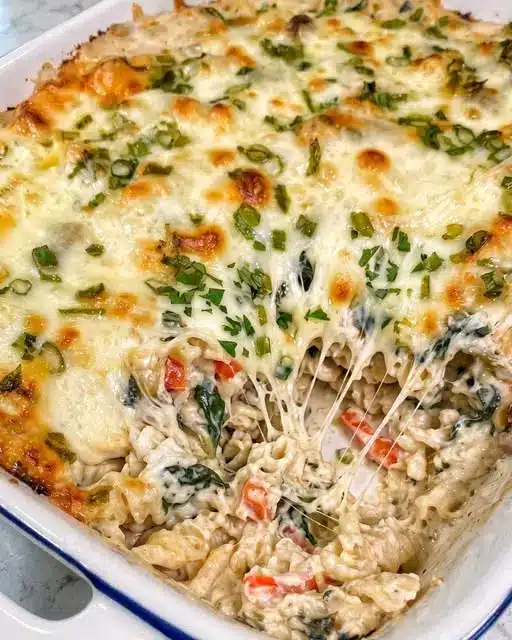
How to Serve Creamy Garlic Herb Cheesesteak Pasta
This dish is incredibly rich, so it benefits from being served alongside something that provides a crisp, fresh contrast. A simple arugula salad with a lemon vinaigrette or some roasted broccolini with a squeeze of lime can help cut through the decadence of the cream sauce.
Garnishes
Never underestimate the power of a final flourish. A heavy sprinkle of freshly chopped parsley adds a pop of color and a grassy freshness. You can also add a final dusting of shaved Parmesan or even some toasted breadcrumbs for a bit of textural variety.
Side Dishes
Since the creamy garlic herb cheesesteak pasta is a complete meal on its own, sides should be kept light. Garlic bread is a classic choice if you want to lean into the theme, but a platter of sliced tomatoes or a light cucumber salad works equally well to balance the palate.
Storage and Make-Ahead
Storing Leftovers
Place any remaining pasta in an airtight container and refrigerate for up to three days. Note that the pasta will continue to absorb the sauce as it sits, so it may appear “drier” the next day.
Reheating
The best way to reheat this steak and pasta recipe is on the stovetop over low heat. Add a splash of milk or water to the pan to help loosen the sauce and restore its creamy consistency. Avoid the microwave if possible, as high heat can cause the cheese in the sauce to become oily.
Final Thoughts
The creamy garlic herb cheesesteak pasta is more than just a meal; it is a celebration of bold textures and classic American flavors. By taking the time to sear the beef properly and emulsify the cheese into the cream, you create a dish that is far greater than the sum of its parts. Whether you are serving it for a family dinner or a cozy night in, it is a recipe that brings a sense of indulgence to the table without requiring hours of labor. Once you master the simple technique of the pan sauce, this will surely become a recurring favorite in your kitchen rotation.
Frequently Asked Questions
What is the best cut of steak for this recipe?
Ribeye is the gold standard for any cheesesteak-inspired dish because of its marbled fat, which provides incredible flavor and a tender texture. However, top sirloin or flank steak are excellent alternatives. Just ensure you slice them very thinly against the grain to maintain tenderness during the quick searing process.
Can I make this pasta gluten-free?
Yes, you can easily adapt this into a gluten-free meal. Simply swap the traditional wheat pasta for your favorite gluten-free alternative, such as brown rice or chickpea pasta. Since the sauce relies on heavy cream and cheese for thickening rather than a flour-based roux, the rest of the recipe remains naturally gluten-free.
How do I prevent the garlic from burning?
Garlic has a high sugar content and burns very quickly, which can leave a bitter taste in your sauce. To avoid this, add the minced garlic only after the peppers and onions have mostly finished cooking. Sauté it for just 30 to 60 seconds until it becomes fragrant, then immediately add the cream to stop the browning process.
Can I freeze creamy cheesesteak pasta?
Cream-based sauces generally do not freeze well, as the dairy can separate and become grainy upon thawing. It is best enjoyed fresh or stored in the refrigerator for a few days. If you must freeze it, do so without the pasta, and then toss the freshly boiled noodles into the thawed and reheated sauce later.
What can I use instead of heavy cream?
If you need a lighter option, you can use half-and-half, but you should whisk a small amount of cornstarch or flour into it before adding it to the pan to ensure it thickens. Coconut milk can also work for a dairy-free version, though it will significantly alter the flavor profile of the creamy garlic herb cheesesteak pasta.
Creamy Garlic & Herb Cheesesteak Pasta Bake

A decadent fusion of classic Philly cheesesteak flavors and a rich, creamy pasta bake. This dish features tender ribeye strips, sautéed peppers, and onions tossed in a savory garlic-herb cream sauce, topped with melted provolone.
- 1 lb penne or rotini pasta
- 1 lb ribeye steak, thinly sliced into strips
- 2 tbsp olive oil
- 1 large onion, thinly sliced
- 1 large green bell pepper, sliced
- 4 cloves garlic, minced
- 2 cups heavy cream
- 1/2 cup beef broth
- 1 tsp dried oregano
- 1 tsp dried parsley
- 2 cups shredded provolone cheese
- 1/2 cup shredded parmesan cheese
- Salt and freshly ground black pepper to taste
- 1Preheat oven to 375°F (190°C). Lightly grease a 9x13 inch baking dish.
- 2Cook pasta in a large pot of salted boiling water until just under al dente. Drain and set aside.
- 3In a large skillet, heat olive oil over medium-high heat. Add the steak strips, season with salt and pepper, and sear until browned. Remove steak and set aside.
- 4In the same skillet, sauté the onions and bell peppers for 5 minutes until softened. Add the minced garlic and cook for an additional minute.
- 5Pour in the heavy cream and beef broth. Stir in the oregano, parsley, and half of the parmesan. Simmer for 3-5 minutes until the sauce begins to thicken.
- 6Combine the cooked pasta, steak, and sautéed vegetables with the cream sauce in the skillet. Toss until everything is well coated.
- 7Transfer the mixture to the prepared baking dish. Top evenly with shredded provolone and the remaining parmesan.
- 8Bake for 15-20 minutes, or until the cheese is melted, bubbly, and slightly golden.
Keywords: cheesesteak pasta, garlic herb bake, beef dinner, comfort food, easy weeknight meal


