
One Pot Creamy Beef & Shells

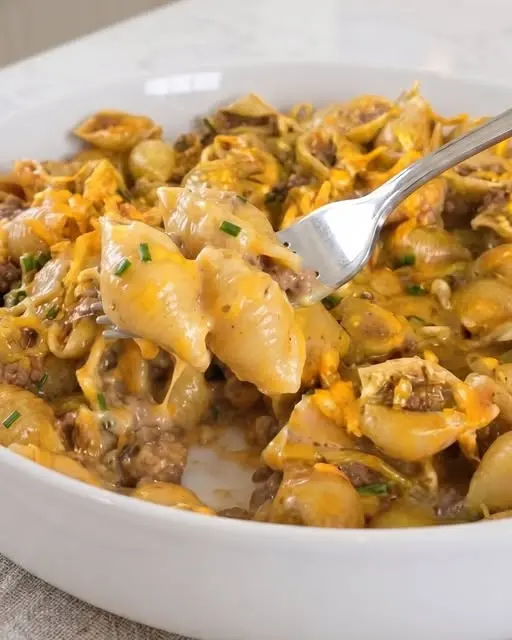
There is something deeply nostalgic about a bowl of pasta shells swimming in a rich, savory beef sauce. It brings back memories of childhood weeknight dinners, but this version of one pot creamy beef shells takes that classic comfort to a whole new level. Unlike the boxed versions many of us grew up with, this recipe relies on fresh aromatics, high-quality cheddar, and a perfectly balanced seasoning blend to create a meal that feels both sophisticated and incredibly cozy. The sauce is velvety, the beef is perfectly browned, and every shell acts like a tiny scoop for the cheesy, beefy goodness.
The beauty of this 30-minute weeknight dinner lies in its simplicity and the magic of one-pot cooking. By simmering the pasta directly in the beef broth and juices, the shells release their natural starches, which act as a built-in thickener for the sauce. This results in a much more cohesive, silkier finish than you could ever achieve by boiling the pasta separately in water. It is a foolproof method that minimizes cleanup while maximizing the deep, beefy flavor in every single bite.
Why This Recipe Is a Keeper
- One-Pan Convenience: From browning the meat to simmering the pasta, everything happens in a single large skillet or Dutch oven, meaning fewer dishes and a faster path to the dinner table.
- Superior Flavor: This homemade hamburger helper alternative uses real garlic, onions, and sharp cheddar, providing a depth of flavor that processed mixes simply cannot replicate.
- Kid-Friendly Appeal: The mild, cheesy profile and fun pasta shapes make this a guaranteed hit with even the pickiest eaters, making it a reliable comfort food pasta recipe for families.
- Customizable Base: While the classic beef and cheddar combination is perfect, the recipe is incredibly forgiving, allowing you to swap proteins or add vegetables based on what you have in your pantry.
Ingredients You’ll Need
To achieve the best results, selecting the right ingredients is key. We are looking for a balance of savory fat, bright spices, and a creamy finish that coats the pasta without feeling heavy. Here is what you will need to gather before you start cooking.
- Ground Beef: I recommend using an 80/20 or 90/10 blend. You want enough fat to carry the flavor of the aromatics, but you will drain the excess to keep the sauce from becoming greasy.
- Medium Pasta Shells: These are the traditional choice for a reason. The concave shape of the shells is designed to trap the ground beef and cheese sauce, ensuring you get the full flavor profile in every mouthful.
- Beef Broth: Using a high-quality beef broth or stock provides the liquid base for cooking the pasta. It infuses the shells with savory notes that water alone would lack.
- Yellow Onion and Fresh Garlic: These aromatics form the flavor foundation. Sautéing them until softened releases their natural sweetness, which balances the richness of the beef.
- Tomato Paste: A small amount of tomato paste adds a concentrated umami punch and helps deepen the color of the final sauce.
- Spices: A combination of smoked paprika, onion powder, and garlic powder adds a subtle warmth and “boxed-mix” nostalgia without the artificial aftertaste.
- Heavy Cream: This provides the luxurious, velvety texture. You can use half-and-half for a lighter version, but heavy cream stands up best to the heat without curdling.
- Sharp Cheddar Cheese: Always grate your own cheese from a block if possible. Pre-shredded cheeses are coated in potato starch to prevent clumping, which can lead to a grainy sauce.
Variations and Smart Swaps
Leaner Protein: If you prefer to move away from beef, ground turkey or ground chicken are excellent substitutes. Since these meats are leaner, you may need to add a tablespoon of olive oil to the pan when sautéing the onions to prevent sticking.
Spice It Up: For those who enjoy a bit of heat, consider adding half a teaspoon of crushed red pepper flakes or a small can of diced green chiles when you add the garlic. A dash of hot sauce right before serving also cuts through the richness beautifully.
Veggie-Packed Version: You can easily sneak in some nutrition by adding finely diced bell peppers or carrots with the onions. Alternatively, stir in two cups of fresh baby spinach at the very end until it wilts into the creamy sauce.
Different Pasta Shapes: While shells are the gold standard here, elbow macaroni, rotini, or penne will all work well. Just keep an eye on the liquid levels, as different shapes may absorb broth at slightly different rates.
How to Make One Pot Creamy Beef Shells
Step 1: Brown the Beef and Soften Aromatics
Start by heating your large skillet over medium-high heat. Add the ground beef and diced onion, breaking the meat apart with a wooden spoon or spatula. You want to cook this until the beef is fully browned and the onions have become translucent and soft. This usually takes about 5 to 7 minutes. Once the meat is cooked through, carefully drain off any excess grease from the pan. This step is crucial for ensuring your one pot creamy beef shells are flavorful rather than oily.
Step 2: Bloom the Spices and Tomato Paste
Once the meat is drained, turn the heat down to medium and add the minced garlic, tomato paste, and your dry spices (paprika, onion powder, and garlic powder). Stir everything together for about 1 minute. You will know it is ready when the garlic becomes highly fragrant and the tomato paste turns a slightly darker, brick-red color. This “blooming” process awakens the oils in the spices and removes the raw metallic taste from the tomato paste, creating a much more complex sauce base.
Step 3: Simmer the Shells to Perfection
Pour in the beef broth and add the dry pasta shells to the skillet. Give everything a good stir to ensure the pasta is submerged as much as possible. Bring the liquid to a gentle boil, then immediately reduce the heat to low. Cover the pan with a tight-fitting lid and let it simmer. Check the pasta after about 9 to 11 minutes; you want the shells to be “al dente,” meaning they have a slight bite to them. If the liquid is absorbing too quickly before the pasta is tender, splash in a little extra broth or water.
Step 4: Create the Creamy Cheese Sauce
Once the pasta is cooked and most of the liquid has been absorbed into a thick, starchy base, it is time to finish the dish. Remove the skillet from the heat. Stir in the heavy cream and the shredded sharp cheddar cheese. Continue to stir gently until the cheese is completely melted and the sauce is glossy and smooth. The residual heat from the pasta is more than enough to melt the cheddar, and removing it from the direct flame prevents the dairy from separating or becoming oily.
Pro Tips for Success
- Don’t Overcook the Pasta: Because the shells will continue to sit in the hot sauce as you serve them, it is better to pull them off the heat when they are just barely tender. Overcooked pasta will lose its shape and turn mushy in a creamy sauce.
- Grate Your Own Cheese: I cannot emphasize this enough. Block cheddar melts much more smoothly than the bagged variety. If you want that iconic “cheese pull” and a silkier mouthfeel, take the extra two minutes to use a box grater.
- Control the Consistency: If your sauce looks too thick after adding the cheese, stir in a tablespoon or two of milk or broth until you reach your desired creaminess. If it looks too thin, let it sit uncovered for three minutes; the sauce will naturally thicken as it cools slightly.
- Deglaze the Pan: When you add the beef broth, make sure to scrape up any brown bits stuck to the bottom of the skillet (called the “fond”). Those bits are concentrated flavor and will dissolve into the sauce, making it much more savory.
Troubleshooting Common Problems
Why is my sauce grainy?
A grainy sauce usually happens for two reasons: using pre-shredded cheese or adding the cheese while the liquid is at a rolling boil. High heat can cause the proteins in the cheese to clump together rather than melt smoothly. Always remove the pan from the heat before folding in your dairy.
The pasta is still hard but the liquid is gone. What now?
This happens if your simmer was a bit too high or your lid wasn’t tight enough, causing too much evaporation. Simply add another half-cup of beef broth or water, stir, and replace the lid for another 2 to 3 minutes. The pasta will eventually soften once it has enough moisture to absorb.
How to Serve One Pot Creamy Beef Shells
This dish is a complete meal on its own, but a few thoughtful additions can really make it shine. For a pop of color and freshness, garnish the skillet with freshly chopped parsley or sliced chives. The slight oniony bite of chives cuts through the richness of the cheddar beautifully. I also love serving this with a side of steamed broccoli or a crisp green salad tossed in a light vinaigrette to balance out the heavy, savory nature of the pasta.
If you are looking for the ultimate comfort experience, serve these one pot creamy beef shells alongside a piece of buttery garlic bread. It is perfect for swiping up any extra sauce left on the plate. Because this recipe is so hearty, you don’t need large portions to feel satisfied, making it a great option for meal prepping throughout the week.
Storage and Make-Ahead
Storing Leftovers
Leftover beef shells store remarkably well. Place them in an airtight container and keep them in the refrigerator for up to 3 to 4 days. Like most pasta dishes, the shells will continue to absorb the sauce as they sit, so the mixture may appear thicker the next day.
Reheating
To reheat, I recommend using the stovetop rather than the microwave. Place the desired amount in a small pan over medium-low heat and add a splash of milk or beef broth. Stir gently as it heats through; the added liquid will loosen the sauce and restore that creamy, velvety texture it had when it was first made.
Freezing
While you can freeze this dish, be aware that dairy-based sauces can sometimes change texture upon thawing, becoming slightly grainy. If you do freeze it, let it thaw completely in the refrigerator overnight before reheating slowly on the stove.
Final Thoughts
Mastering this one pot creamy beef shells recipe means you are only 30 minutes away from a satisfying, restaurant-quality meal any night of the week. It perfectly captures the essence of home cooking—simple techniques, honest ingredients, and a result that feels like a warm hug. Whether you are cooking for a hungry family or just looking for a reliable comfort food pasta recipe to add to your rotation, this dish delivers on every front. Once you taste the difference that fresh cheddar and a single-pot simmer make, you will never reach for the boxed stuff again.
Frequently Asked Questions
Can I use a different type of cheese?
Absolutely. While sharp cheddar is the traditional choice for that classic homemade hamburger helper flavor, you can use Monterey Jack for a milder melt, Pepper Jack for a spicy kick, or even a blend of white cheddar and Gruyère for a more sophisticated, nutty flavor profile. Just stick to the rule of grating it yourself for the best texture.
Is this recipe spicy?
As written, this recipe is very mild. The smoked paprika provides a hint of earthiness and color without any heat. If you are sensitive to spice, it is perfectly safe for kids. If you want it spicy, you would need to manually add red pepper flakes, cayenne, or use a spicy variety of cheese.
Can I make this dairy-free?
It is possible, though the flavor will change. You would need to use a high-quality vegan butter for browning, a dairy-free heavy cream alternative (like silken tofu blended with plant milk or a commercial vegan cream), and a dairy-free cheddar shred that you know melts well. Be cautious, as some vegan cheeses can become sticky rather than creamy when melted into a sauce.
What size skillet should I use?
A 12-inch deep skillet or a 5-quart Dutch oven is ideal. You need enough surface area to brown the beef effectively, but enough depth to hold the broth and pasta without it splashing over the sides as it bubbles. A lid is essential for the pasta-cooking stage to trap steam and ensure even doneness.
Can I add wine to the sauce?
Yes! If you want to elevate the flavor, you can deglaze the pan with half a cup of dry red wine (like a Cabernet or Merlot) after browning the beef and before adding the broth. Let the wine reduce by half to cook off the alcohol. This adds a wonderful acidity and depth that complements the beef beautifully.
One Pot Creamy Beef & Shells

This One Pot Creamy Beef & Shells is a cozy, family-favorite meal that comes together in a single pan. Savory ground beef, tender pasta shells, and a rich, cheesy sauce combine to create the ultimate comfort food for any busy weeknight.
- 1 lb ground beef
- 1 small onion, diced
- 2 cloves garlic, minced
- 2 tbsp tomato paste
- 1 tsp dried oregano
- 1 tsp paprika
- 1/2 tsp salt
- 1/2 tsp black pepper
- 3 cups beef broth
- 2 cups water
- 12 oz medium pasta shells
- 1/2 cup heavy cream
- 2 cups shredded sharp cheddar cheese
- 1In a large pot or Dutch oven over medium-high heat, brown the ground beef and onion until the meat is no longer pink. Drain any excess grease.
- 2Stir in the minced garlic, tomato paste, oregano, and paprika, cooking for 1 minute until fragrant.
- 3Add the beef broth, water, and pasta shells. Bring the mixture to a boil.
- 4Reduce heat to a simmer, cover, and cook for 12 to 15 minutes, or until the pasta is tender and most of the liquid has been absorbed.
- 5Remove from heat and stir in the heavy cream and shredded cheddar cheese until smooth and creamy.
- 6Season with salt and pepper to taste and serve immediately.
Keywords: one pot meal, beef and shells, creamy pasta, easy dinner, 30 minute meal


