
Homemade Biscuits

There is nothing quite like the aroma of fresh bread wafting through the kitchen, but the best homemade buttermilk biscuit recipe offers something even more special: the promise of shatteringly crisp outer edges and a cloud-like, tender interior. Achieving that iconic southern style height and those distinct, peel-off layers is a rite of passage for any home baker. These biscuits aren’t just a side dish; they are a buttery, flaky vessel for everything from morning jam to savory sausage gravy, providing a comforting texture that store-bought versions simply cannot replicate.
Mastering this recipe is surprisingly approachable once you understand the relationship between temperature and technique. By focusing on keeping your ingredients cold and handling the dough with intention, you can create fluffy biscuits that rise tall in the oven every single time. This guide will walk you through the essential nuances of the biscuit-making process, ensuring your kitchen becomes the new favorite weekend brunch spot for friends and family alike.
Why You’ll Love This Recipe
- Shatteringly Flaky Layers: Through a simple folding technique known as lamination, this recipe creates dozens of flaky layers that pull apart effortlessly with every bite.
- Superior Golden Crust: The combination of high heat and cold fat results in a beautiful, deeply bronzed exterior that provides a satisfying crunch against the soft middle.
- Classic Tangy Flavor: The use of real buttermilk adds a subtle acidity that balances the richness of the butter, creating a complex flavor profile that is uniquely delicious.
- Quick Preparation: Unlike yeast-leavened breads, these biscuits rely on chemical leaveners, meaning you can go from a bowl of flour to a tray of hot biscuits in under thirty minutes.
Ingredients You’ll Need
The beauty of the best homemade buttermilk biscuit recipe lies in its simplicity. Because there are so few components, the quality and function of each ingredient are paramount to achieving that perfect southern style result.
- All-Purpose Flour: This provides the necessary structure. It has just enough protein to help the biscuits rise without making them tough or chewy like bread flour would.
- Unsalted Cold Butter: The most critical element for flaky layers. As the cold butter melts in the hot oven, it creates steam, which pushes the dough upward and creates those coveted air pockets.
- Full-Fat Buttermilk: Beyond adding a signature tang, the acid in buttermilk reacts with the baking soda to provide an immediate lift, ensuring the crumb remains light and airy.
- Baking Powder and Baking Soda: This dual-leavening system ensures maximum height. The powder provides the bulk of the lift, while the soda reacts with the buttermilk for extra fluffiness.
- Granulated Sugar: A very small amount doesn’t make the biscuits sweet; instead, it aids in the Maillard reaction, helping the tops and bottoms achieve a beautiful golden-brown color.
- Fine Sea Salt: Salt is essential for enhancing the buttery notes of the dough. Without it, the biscuits would taste flat and one-dimensional.
Simple Swaps and Variations
While the classic version is hard to beat, this best homemade buttermilk biscuit recipe is a fantastic canvas for creative additions and dietary adjustments.
- Herbed Garlic Biscuits: Fold in a half-cup of freshly grated cheddar cheese and a tablespoon of dried chives or parsley for a savory twist that pairs perfectly with hearty stews.
- Honey-Butter Glaze: For a sweeter finish, brush the tops with a mixture of melted butter and honey immediately after they come out of the oven to add a glossy, sticky sweetness.
- Black Pepper and Bacon: Incorporate finely crumbled cooked bacon and a teaspoon of cracked black pepper into the dry ingredients for a smoky, spicy profile that elevates any breakfast sandwich.
- Buttermilk Substitute: If you are out of buttermilk, you can mimic the acidity by adding a tablespoon of lemon juice or white vinegar to a cup of whole milk and letting it sit for five minutes.
How to Make the Best Homemade Buttermilk Biscuit Recipe
Step 1: Prepare and Chill Your Fats
Before you even turn on the oven, ensure your butter is ice cold. Many experienced bakers prefer to cube the butter and place it in the freezer for ten minutes before starting. This prevents the fat from melting into the flour during the mixing process. If the butter gets too warm, it will absorb into the flour, resulting in a crumbly, cake-like texture rather than the flaky layers we are aiming for in this best homemade buttermilk biscuit recipe.
Step 2: Cut the Butter into the Dry Ingredients
Whisk your flour, leaveners, and salt in a large bowl. Drop in the cold butter cubes and use a pastry cutter or two forks to work the fat into the flour. You are looking for a variety of sizes; some pieces should look like coarse cornmeal, while others should remain the size of small peas. These larger pea-sized chunks of cold butter are what eventually create the steam pockets that make the biscuits rise.
Step 3: Hydrate the Dough Gently
Make a well in the center of your flour mixture and pour in the cold buttermilk. Use a large spoon or spatula to gently fold the ingredients together just until a shaggy dough forms. It is vital not to overmix at this stage. If you work the dough too much, you will develop the gluten, leading to a tough and gummy biscuit. The dough should look a bit messy and slightly sticky; this is perfectly normal for fluffy biscuits.
Step 4: Laminate for Incredible Flaky Layers
Turn the dough out onto a lightly floured surface. Gently pat it into a rectangle, then fold the dough in half. Turn it 90 degrees, pat it out again, and fold it back over itself. Repeat this process about 5 or 6 times. This “folding” technique creates physical layers of butter and flour. This is the secret to achieving professional-level southern style results that look like they came from a high-end bakery.
Step 5: Cut and Arrange for the Best Rise
Pat the dough to a thickness of about one inch. Use a sharp biscuit cutter to press straight down into the dough. Tip: Never twist the cutter! Twisting seals the edges of the dough and prevents the biscuits from rising. Place the biscuits on a baking sheet so they are just touching each other. This physical support helps them “climb” up each other, resulting in taller, more uniform biscuits.
Step 6: Bake Until Tall and Golden
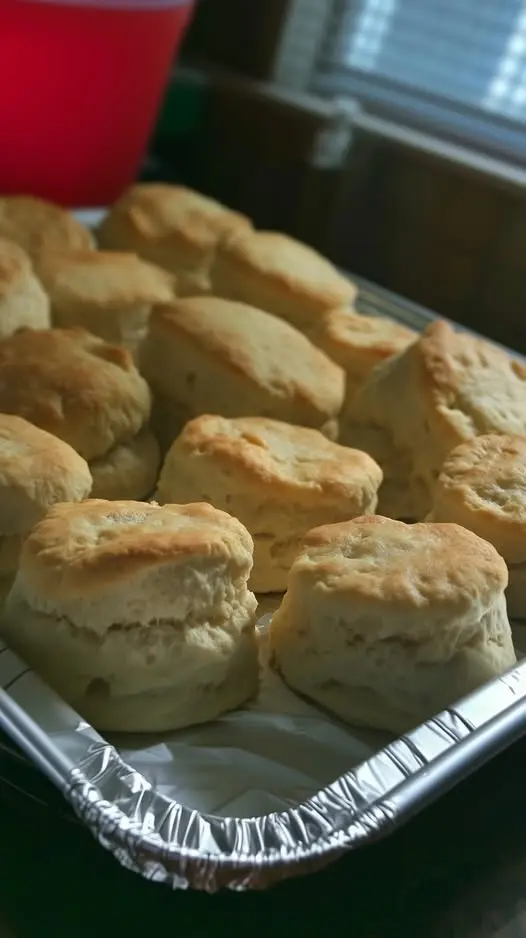
Place the tray into a very hot oven, usually around 425°F (218°C). The intense heat causes the water in the butter to evaporate instantly, creating that rapid rise. Bake until the tops are a deep golden brown and the biscuits have doubled in height. This usually takes about 12 to 15 minutes. Once removed, brush the tops with a little extra melted butter for a professional, glossy finish.
Pro Tips for Success
- Cold is Key: From the bowl to the flour to the buttermilk, keeping everything cold is the single most important rule for the best homemade buttermilk biscuit recipe. If your kitchen is hot, chill your bowl in the fridge beforehand.
- Don’t Over-Handle: The heat from your hands can melt the butter. Use a light touch and work quickly when folding and shaping the dough to keep those fat pockets intact.
- Use a Sharp Cutter: A dull edge or using the rim of a glass can pinch the dough. A sharp stainless steel cutter ensures the flaky layers are free to expand upward.
- Crowd the Pan: Placing the biscuits close together on the baking sheet forces them to rise up rather than spreading out, which is essential for that southern style height.
- Measure Flour Correctly: Always fluff your flour and spoon it into the measuring cup before leveling it off. Packing the flour can lead to dry, heavy biscuits.
How to Serve Your Biscuits
The best homemade buttermilk biscuit recipe is incredibly versatile, fitting into almost any meal of the day. For a classic breakfast, serve them warm with a side of scrambled eggs and crispy bacon. They are also the traditional base for biscuits and gravy; the sturdy yet fluffy biscuits hold up beautifully under a thick, peppery sausage gravy.
Sweet Pairings
If you prefer a sweeter start to your morning, split a warm biscuit open and let a generous pat of salted butter melt into the layers. Top it with high-quality raspberry jam, honey, or apple butter. The saltiness of the dough creates a perfect contrast with the sweet fruit preserves.
Savory Accompaniments
At dinner, these biscuits serve as an excellent alternative to dinner rolls. They are particularly wonderful when paired with fried chicken, pot roast, or a bowl of creamy potato soup. You can also use them to make mini sliders, filling them with ham and Swiss cheese or pulled pork for a crowd-pleasing appetizer.
Storage and Make-Ahead
Storing Leftovers
Biscuits are undeniably best when eaten fresh and warm. However, if you have leftovers, store them in an airtight container at room temperature for up to two days. To restore that “just-baked” texture, reheat them in a 350°F oven for about 5 minutes rather than using the microwave, which can make them soft and soggy.
Freezing and Making Ahead
One of the best things about this best homemade buttermilk biscuit recipe is how well the unbaked dough freezes. You can cut the biscuits and place them on a tray in the freezer until solid, then transfer them to a freezer bag. When you’re ready for a fresh biscuit, bake them straight from frozen, adding an extra 3–5 minutes to the total baking time. This allows you to have fluffy biscuits on demand whenever the craving strikes.
Final Thoughts
Perfecting the best homemade buttermilk biscuit recipe is a rewarding journey that brings a touch of classic comfort to any table. While it might take a few tries to get the “feel” of the dough just right, the result of sky-high, buttery layers is well worth the effort. By prioritizing cold butter and gentle handling, you’ll be able to produce southern style biscuits that rival any professional kitchen. Whether served with a drizzle of honey or a ladle of savory gravy, these biscuits are sure to become a cherished staple in your baking repertoire.
Frequently Asked Questions
Why didn’t my biscuits rise?
The most common culprit for flat biscuits is either expired leavening agents (baking powder/soda) or overworking the dough. If you twist the biscuit cutter while pressing down, you seal the edges, which prevents the flaky layers from expanding. Additionally, ensure your oven is fully preheated to the correct temperature before the biscuits go in.
Can I use a food processor to mix the dough?
Yes, you can use a food processor to pulse the cold butter into the dry ingredients, but be very careful. Only pulse a few times until you see pea-sized crumbs. Once you add the buttermilk, switch to a spatula and mix by hand. The high speed of a food processor can easily overwork the gluten, making the biscuits tough.
Is it better to use salted or unsalted butter?
It is generally better to use unsalted butter so you can control the exact amount of salt in the recipe. Different brands of salted butter have varying levels of sodium, which can make your best homemade buttermilk biscuit recipe inconsistent. If you only have salted butter, reduce the added salt in the recipe by half.
Why are my biscuits dry and crumbly?
Dry biscuits usually result from too much flour or not enough liquid. Ensure you are measuring your flour using the “spoon and level” method. If the dough seems extremely dry and won’t come together even in a shaggy mass, you may need to add an extra tablespoon of buttermilk to help it hydrate.
How do I get the tops to be extra brown?
For a deep golden finish, brush the tops of the biscuits with a little extra buttermilk or an egg wash before placing them in the oven. The sugars and proteins in the wash will caramelize beautifully under the high heat. Brushing them with melted butter immediately after baking also adds a lovely sheen and extra flavor.
Homemade Fluffy Buttermilk Biscuits

These light, flaky, and buttery homemade biscuits are the perfect side for any dinner. Simple to make with pantry staples, they rise beautifully and have a tender, layered crumb.
- 2 cups all-purpose flour
- 1 tablespoon baking powder
- 1 tablespoon granulated sugar
- 1 teaspoon salt
- 6 tablespoons cold unsalted butter, cubed
- 3/4 cup cold buttermilk
- 1Preheat your oven to 425°F (220°C) and line a baking sheet with parchment paper.
- 2In a large mixing bowl, whisk together the flour, baking powder, sugar, and salt.
- 3Add the cubed cold butter and use a pastry cutter or two knives to cut it into the flour until the mixture resembles coarse crumbs with some pea-sized pieces.
- 4Pour in the cold buttermilk and stir with a spatula until a shaggy dough forms. Do not overmix.
- 5Turn the dough out onto a floured surface and gently pat into a rectangle. Fold it in half 3 or 4 times to create flaky layers.
- 6Pat the dough down to about 1-inch thickness and cut out biscuits using a floured 2.5-inch round cutter, pressing straight down without twisting.
- 7Place biscuits on the prepared baking sheet so they are just touching. Bake for 12-15 minutes or until the tops are golden brown.
Keywords: biscuits, homemade bread, buttermilk biscuits, southern style, baking, easy side dish


