
Lemon and Baking Soda for Teeth: Benefits, Risks, and Safety Tips

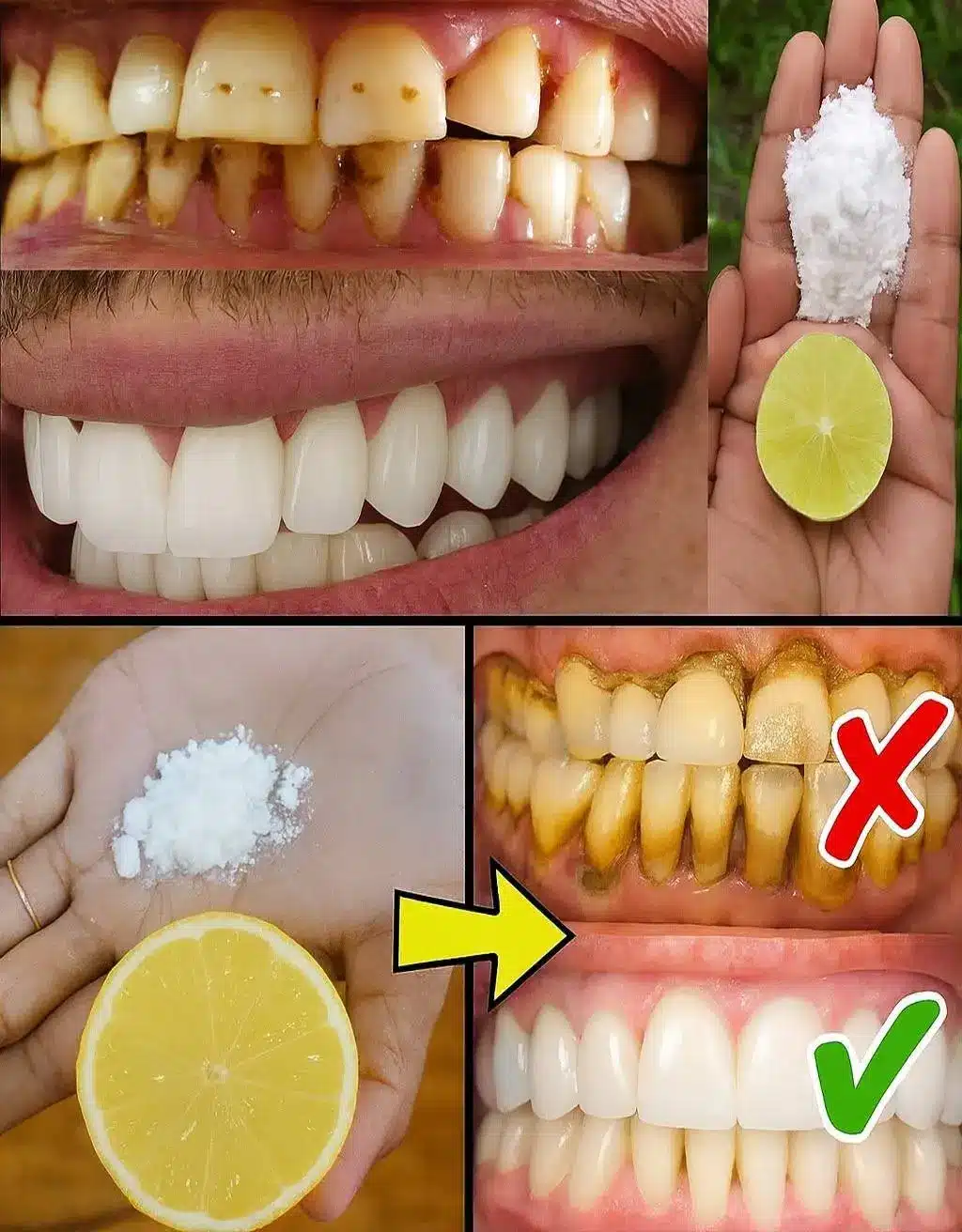
Finding a bright, radiant smile is often at the top of many people’s wellness wish lists, leading many to search for affordable, DIY solutions. The combination of lemon baking soda teeth whitening has surged in popularity as a natural alternative to expensive dental office treatments or chemical-laden strips. This home remedy relies on two pantry staples that most Americans already have in their kitchens, promising to lift discolorations caused by coffee, tea, and daily life. While the allure of a “kitchen cabinet makeover” for your smile is strong, understanding the balance between effective teeth whitening at home and preserving your long-term oral health is essential before you start mixing.
The appeal of this method lies in its simplicity and the immediate sensory feedback it provides. When you mix the acidic juice of a lemon with the alkaline powder of baking soda, a chemical reaction occurs that creates a fizzing foam. This reaction, combined with the mild abrasive texture of the powder, feels like it is working deeply to scrub away imperfections. However, because the health of your smile depends on the thin, non-regenerative layer of enamel, it is important to approach this method with an informed perspective, focusing on natural tooth enamel protection while seeking those brighter results.
Why the Lemon and Baking Soda Combination Is So Popular
- Cost-Effectiveness: Unlike professional whitening kits that can cost hundreds of dollars, this method uses pennies worth of household ingredients.
- Accessibility: There is no need for a prescription or a trip to the pharmacy; most people already have these items on hand for cooking or cleaning.
- Immediate Action: The abrasive nature of baking soda is highly effective at removing surface stains quickly, providing a visible difference after just one or two applications.
- Natural Appeal: Many individuals prefer avoiding synthetic peroxides and artificial flavors found in commercial whitening products, opting for a simpler, plant-based approach.
How the Science of This Remedy Works
To understand why **lemon baking soda teeth whitening** is effective, we have to look at the chemistry of the two components. Baking soda, or sodium bicarbonate, is a mild abrasive. In the world of dentistry, it is known for its ability to mechanically remove debris and extrinsic stains from the surface of the teeth. It is also alkaline, which helps to neutralize acids in the mouth that can lead to tooth decay. When used alone, it is a relatively safe way to polish the teeth, provided it isn’t used with excessive force.
Lemon juice introduces citric acid into the equation. Acids are known for their bleaching properties, which is why lemon juice is often used to lighten hair or remove stains from fabric. When applied to the teeth, the acid helps to break down the molecular bonds of the stains clinging to the enamel. However, the combination of a mechanical abrasive and a strong acid creates a potent mixture. While it excels at removing surface stains, the acid can also temporarily soften the enamel, making the abrasive action of the baking soda even more intense. This is why timing and frequency are the most critical factors in using this remedy safely.
Potential Benefits for Your Smile
When used with extreme caution, the primary benefit of this mixture is the noticeable reduction in yellowing. It is particularly effective for those who consume highly pigmented foods and drinks. Because baking soda has a high pH, it can also help create an environment in the mouth that is less hospitable to the bacteria that cause cavities, at least in the short term. Furthermore, the refreshing scent of lemon can provide a temporary sense of cleanliness and improved breath.
However, it is vital to distinguish between surface stains (extrinsic) and the natural color of your dentin (intrinsic). This DIY method only affects the outer layer. If your teeth are naturally more yellow due to thin enamel or genetics, lemon baking soda teeth whitening may not provide the dramatic shift you are looking for. In those cases, the focus should remain on natural tooth enamel protection rather than aggressive scrubbing, as over-cleansing can actually make teeth appear more yellow by revealing the darker dentin underneath.
Safe Application and Practical Guidance
If you decide to try this method, moderation is your best friend. To create the mixture, combine a small amount of baking soda with just enough lemon juice to form a paste. The “fizz” should settle before you apply it. Using a soft-bristled toothbrush or even your fingertip, gently dab the paste onto your teeth. Do not “scrub” as you would with regular toothpaste; instead, let the chemical reaction do the work. It is generally recommended to leave the mixture on for no longer than one minute.
After the minute is up, rinse your mouth thoroughly with plain water. It is a common mistake to brush immediately afterward with regular toothpaste; because the acid has softened the enamel, your teeth are in a vulnerable state. Rinsing helps restore a neutral pH balance. To ensure you are prioritizing natural tooth enamel protection, this treatment should never be performed more than once a week. Frequent use can lead to permanent damage, increased dental sensitivity, and gum irritation.
Risks and Important Cautions
The most significant risk associated with lemon baking soda teeth whitening is the erosion of tooth enamel. Enamel does not grow back; once it is worn away by acid and abrasion, it is gone forever. This can lead to a host of issues, most notably dental sensitivity to hot and cold temperatures. If you already have sensitive teeth, receding gums, or existing dental work like crowns or veneers, you should avoid this method entirely. The acid can weaken the bond of dental adhesives and irritate sensitive gum tissue.
Furthermore, people with braces should never use this mixture, as it can cause uneven whitening and potentially damage the brackets or wires. If you are pregnant, nursing, or have a history of chronic oral health issues, it is always best to consult with a qualified healthcare professional or your dentist before attempting any DIY whitening regimen. They can provide a baseline assessment of your enamel thickness and suggest the safest path forward for your specific needs.
Alternatives to the Lemon-Soda Method
If the risks of using lemon juice feel too high, there are several other ways to achieve a brighter smile. Using baking soda mixed with plain water is a much safer alternative, as it removes the acidic element that causes enamel softening. Many toothpaste brands now include baking soda as a primary ingredient for this reason. Another option is oil pulling with coconut oil, an ancient practice that may help reduce bacteria and plaque buildup without using abrasives.
For those looking for more significant results, over-the-counter whitening strips that use controlled amounts of peroxide are generally considered safer for the enamel than unregulated DIY acid mixtures. Of course, the most effective way to maintain a white smile is through prevention. Drinking through a straw to bypass the teeth, rinsing with water after drinking coffee, and maintaining a rigorous brushing and flossing routine are the most reliable methods for removing surface stains before they become permanent.
Final Thoughts
The journey toward a brighter smile is a personal one, and it is understandable why lemon baking soda teeth whitening is such an attractive option for those looking to save money and use natural ingredients. When used very sparingly as a spot treatment for removing surface stains, it can provide a quick boost in confidence. However, the health of your teeth is a lifelong investment. Prioritizing natural tooth enamel protection and being mindful of dental sensitivity will ensure that your smile stays not just white, but strong and healthy for years to come. Always listen to your body; if you experience any discomfort, stop the treatment immediately and seek professional advice.
Frequently Asked Questions
Can I use lime juice instead of lemon juice?
Yes, lime juice has a similar citric acid content to lemon juice and will produce a similar reaction when mixed with baking soda. However, the same risks apply. Both fruits are highly acidic and can contribute to enamel erosion if used frequently. Regardless of the citrus fruit used, the mixture should be rinsed off thoroughly within sixty seconds to protect your oral health.
How long does it take to see results with this method?
Most people notice a slight difference in the brightness of their teeth after the very first application, primarily because the baking soda is so effective at removing surface stains from the top layer of the enamel. However, for deeper stains, it may take several weeks of once-weekly treatments to see a significant change. Do not be tempted to increase the frequency to see faster results, as this will likely lead to permanent enamel damage.
Is it safe to use baking soda every day?
While many commercial toothpastes contain baking soda, using pure baking soda to scrub your teeth every day is generally considered too abrasive for daily use. It can eventually wear down the enamel and cause your gums to become irritated. If you enjoy the cleaning power of baking soda, it is better to choose a toothpaste formulated with it, as those products are tested for safety and contain fluoride to help strengthen the teeth.
What should I do if my teeth feel sensitive after whitening?
If you experience dental sensitivity after using the lemon baking soda teeth whitening method, stop using it immediately. Rinse your mouth with a fluoride mouthwash or use a toothpaste specifically designed for sensitive teeth to help re-mineralize the area. Avoid extremely hot or cold foods for a few days. If the sensitivity persists for more than a week, you should schedule an appointment with your dentist to ensure no significant enamel loss has occurred.
Does this method work on dental veneers or fillings?
No, this DIY whitening method will not change the color of dental porcelain, composite resin, or other artificial materials. In fact, the acid and abrasive can scratch the surface of veneers and crowns, making them appear dull over time or causing them to pick up stains more easily. If you have extensive dental work, it is best to stick to professional cleanings and non-abrasive whitening methods recommended by your dentist.
Lemon and Baking Soda Teeth Whitening Paste

A natural at-home whitening treatment using the chemical reaction between baking soda and lemon juice. This guide covers the benefits of stain removal and the essential safety risks involved with acidic treatments.
- 1 teaspoon baking soda (sodium bicarbonate)
- 1/2 teaspoon fresh squeezed lemon juice
- 1 clean cotton swab or soft toothbrush
- 1Combine the baking soda and lemon juice in a small porcelain bowl. The mixture will bubble and fizz as the acid reacts with the base.
- 2Stir until the fizzing stops and a thick, spreadable paste is formed.
- 3Using a cotton swab, apply a thin layer of the paste directly to the surface of the teeth, avoiding the gum line.
- 4Allow the paste to sit for exactly 60 seconds. Do not exceed this time as the acid can damage enamel.
- 5Rinse your mouth thoroughly with water and finish by brushing with a fluoride-based toothpaste to neutralize any remaining acid.
Keywords: teeth whitening, baking soda, lemon juice, dental safety, natural whitening, home remedies


