
Home Remedies for Cracked Heels, Joint Pain, Arthritis, and Swelling

Finding comfort when you are dealing with physical discomfort often starts right in the heart of your own home. Whether it is a dull ache after a long day or the persistent stiffness that comes with age, the search for natural home remedies for pain has become a priority for many seeking a holistic approach to wellness. These gentle methods often focus on reducing inflammation and soothing the nervous system using ingredients and techniques that have been passed down through generations. From the warming glow of a ginger-steeped tea to the restorative silence of a magnesium-rich soak, these options provide a way to reconnect with your body’s needs without immediately reaching for a medicine cabinet staple.
Approaching your wellness journey with holistic pain relief in mind allows for a more personalized experience. By understanding the properties of specific herbs and the science behind thermal therapy, you can create a supportive environment that encourages the body to rest and recover effectively.
Why Natural Support Matters
Choosing to incorporate natural home remedies for pain into your daily routine offers several advantages that go beyond simple symptom management. These methods often address the body as a whole rather than just focusing on a single localized issue.
- Gentle Integration: Most natural options can be easily woven into your existing lifestyle, such as adding specific spices to your meals or adjusting your evening routine for better rest.
- Reduced Chemical Load: Utilizing anti-inflammatory herbs and physical therapies can help reduce the frequency with which you rely on synthetic alternatives for minor discomforts.
- Empowerment through Education: Learning how different plants and temperatures affect your circulation and nerve endings gives you greater control over your personal comfort levels.
- Sensory Comfort: Many home-based remedies involve soothing scents, warmth, and textures that provide psychological relief alongside physical support, creating a comprehensive healing environment.
Understanding Natural Pain Support
The foundation of many home-based wellness practices is the use of anti-inflammatory herbs. Inflammation is the body’s natural response to injury or irritation, but when it becomes chronic, it can lead to persistent aching and stiffness. Many common pantry staples contain bioactive compounds that are widely studied for their ability to support the body’s inflammatory response. For example, the active components in ginger and turmeric are often utilized to help manage the minor swelling associated with everyday activity.
Beyond what we consume, chronic pain management at home frequently involves external applications. Thermal therapy—the use of heat or cold—is one of the oldest and most effective ways to alter blood flow to a specific area. While cold is generally preferred for acute injuries and reducing swelling, heat is a favorite for relaxing tight muscles and improving flexibility in “rusty” joints. Understanding when to use which tool is a vital part of mastering home care.
Effective Herbs and Ingredients
When building your toolkit for natural home remedies for pain, certain ingredients stand out for their historical use and modern popularity. These items are often easy to find and simple to prepare.
- Turmeric: This bright orange root contains curcumin, a compound known for its strong antioxidant properties. It is often consumed in “golden milk” or added to savory dishes to support joint comfort.
- Ginger: Known for its spicy kick, ginger contains gingerols which may help soothe muscle soreness after exercise and support overall circulation.
- Epsom Salt: High in magnesium, these crystals are added to warm baths to help relax tight muscles and promote a sense of calm throughout the body.
- Capsaicin: Derived from chili peppers, this compound is often found in topical creams and works by temporarily desensitizing local nerve endings to provide relief from surface-level discomfort.
- Peppermint Oil: When diluted and applied topically, the menthol in peppermint provides a cooling sensation that can be particularly refreshing for tension in the neck or temples.
Practical Ways to Use These Remedies
Integrating these natural home remedies for pain requires a bit of consistency and a focus on lifestyle changes for pain. It isn’t just about one-off applications; it is about creating a supportive ecosystem for your body.
Thermal Therapy Techniques
For muscle stiffness, a warm compress or a heating pad can be applied for 15 to 20 minutes at a time. This helps to dilate blood vessels, bringing fresh oxygen and nutrients to the area. If you are dealing with a fresh strain or a “hot” joint, a cold pack wrapped in a thin towel can help constrict blood vessels and numb the area, providing a different type of relief. Alternating between the two, known as contrast therapy, is also a popular method for stimulating circulation.
Herbal Preparations
Brewing a strong herbal infusion is an excellent way to enjoy the benefits of anti-inflammatory herbs. For a ginger tea, simply simmer fresh slices of the root in water for ten minutes before straining. To enhance the absorption of turmeric, always pair it with a small amount of black pepper and a source of healthy fat, like coconut oil or whole milk. This technical detail ensures your body can actually utilize the active compounds effectively.
Mind-Body Practices
Physical discomfort is often tied to stress. Simple breathing exercises and gentle stretching can lower cortisol levels, which in turn may help reduce the perception of pain. Creating a dedicated space for five minutes of daily stretching can be one of the most effective lifestyle changes for pain you can implement, as it keeps the fascia and muscles supple over time.
Important Cautions and Limitations
While natural home remedies for pain can be incredibly supportive, they are intended to complement, not replace, professional medical guidance. It is essential to recognize the limitations of home care. If you experience sudden, severe pain, or if your discomfort is accompanied by fever, unintended weight loss, or redness and significant swelling, you should consult a qualified healthcare professional immediately.
Additionally, herbs and supplements can interact with prescription medications. For instance, both ginger and turmeric have mild blood-thinning properties and should be used cautiously by those on anticoagulant therapy. Pregnant or nursing individuals, as well as those with chronic conditions like kidney disease or gallstones, should speak with a doctor before starting new herbal regimens or high-dosage supplements. Always patch-test topical essential oils to ensure you do not have an allergic reaction.
Final Thoughts
Exploring the world of natural home remedies for pain is a rewarding way to deepen your connection with your body and discover the power of your pantry. By combining the soothing effects of holistic pain relief with practical lifestyle changes for pain, you can create a sustainable routine that supports your long-term comfort. Remember that consistency is key, and the most effective approach is often the one that feels most intuitive and gentle for your unique needs. Start small, listen to your body’s signals, and enjoy the peace of mind that comes with caring for yourself naturally.
Frequently Asked Questions
How long does it take for natural remedies to start working?
Unlike some fast-acting pharmaceutical options, many natural home remedies for pain, especially herbal teas and supplements, may take several days or even weeks of consistent use to build up in the system and show noticeable results. Topical applications like heat or cold therapy, however, usually provide more immediate, though temporary, relief from acute stiffness or soreness.
Can I use turmeric and ginger together for better results?
Yes, combining these two anti-inflammatory herbs is quite common and often recommended. They work through slightly different pathways in the body and are frequently found together in “golden milk” recipes or wellness tonics. The addition of black pepper is particularly important when using turmeric, as it significantly increases the bioavailability of curcumin, the active healing compound.
Are there any side effects to using essential oils for pain?
While essential oils like peppermint or lavender can be helpful, they are highly concentrated and can cause skin irritation if not properly diluted in a carrier oil, such as jojoba or almond oil. Some people may also experience headaches from strong scents. It is always best to perform a small patch test on your skin and ensure you are using high-quality, pure oils in a well-ventilated space.
Is heat or cold better for chronic back pain?
For chronic pain management involving the back, heat is typically the preferred choice. It helps to soothe the lingering muscle spasms and stiffness that often accompany long-term back issues. However, if your back pain is due to a recent injury or a flare-up involving sharp, stabbing sensations, cold may be more appropriate for the first 48 hours to manage inflammation before switching to heat.
Should I consult a doctor before trying natural remedies?
It is always a wise idea to speak with a healthcare provider, especially if you have an underlying health condition or are taking other medications. While natural home remedies for pain are generally safe for most people when used in culinary amounts, therapeutic doses of herbs or significant changes in physical activity should be discussed to ensure they are safe and appropriate for your specific medical history.
Turmeric and Ginger Remedy for Joint Pain and Cracked Heels

A natural anti-inflammatory salve and soak designed to alleviate arthritis pain, reduce joint swelling, and heal deeply cracked heels using the power of ginger and turmeric.
- 1/2 cup Virgin Coconut Oil
- 2 tablespoons Ground Turmeric
- 1 tablespoon Fresh Grated Ginger
- 1/4 cup Epsom Salts
- 3 drops Peppermint Essential Oil
- 1Prepare the Infusion: In a small saucepan, melt the coconut oil over low heat. Add turmeric and ginger, stirring constantly for 5 minutes.
- 2Strain the mixture through a cheesecloth into a glass jar and allow it to cool until it becomes a solid salve.
- 3For Joints and Swelling: Massage a small amount of the salve directly onto the affected area twice daily to reduce inflammation and pain.
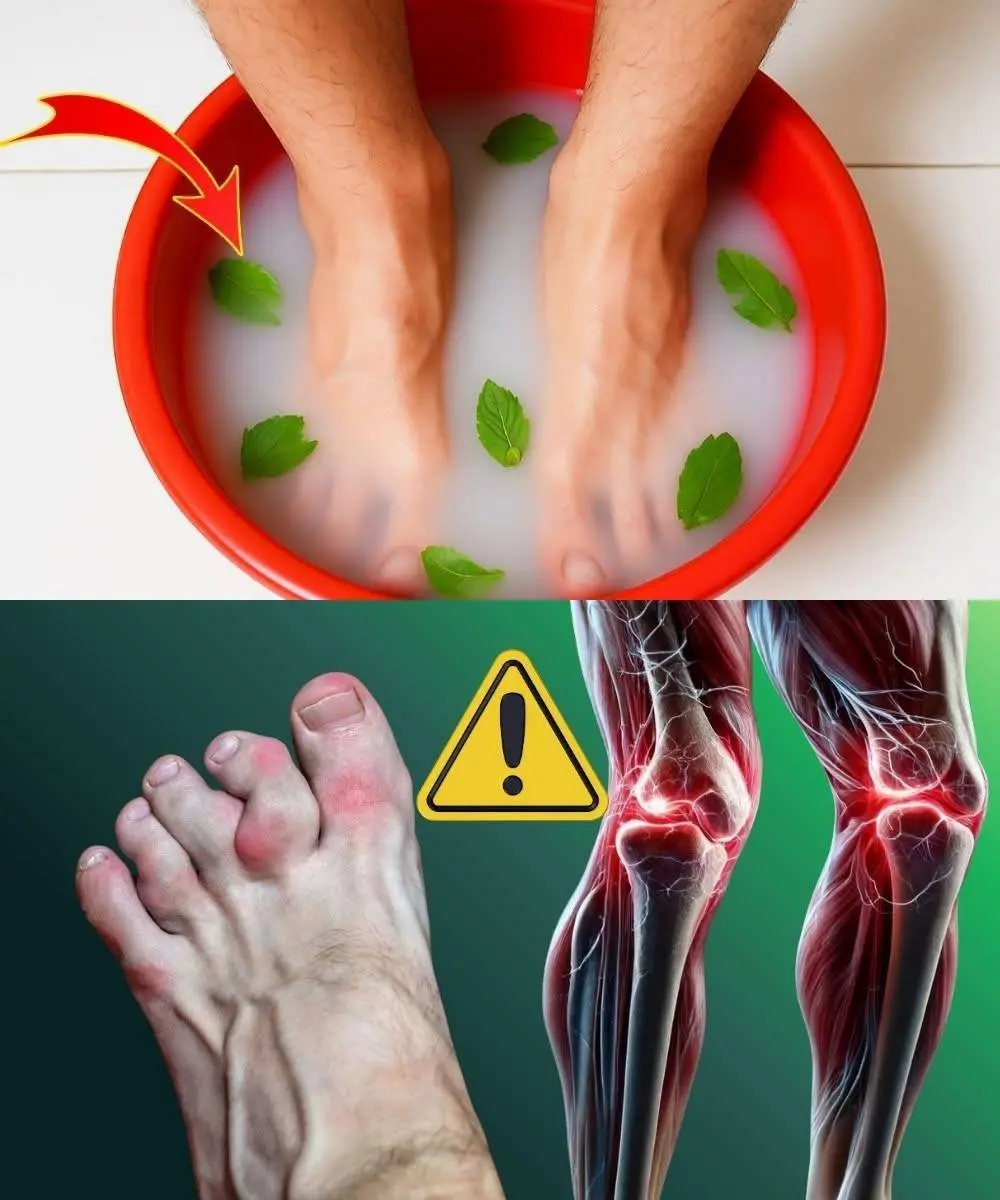
- 4For Cracked Heels: Dissolve Epsom salt in a basin of warm water. Soak feet for 15 minutes, dry thoroughly, and apply a thick layer of the prepared salve.
- 5Cover feet with cotton socks overnight to allow the remedy to penetrate deep into the skin.
Keywords: home remedies, cracked heels, arthritis, joint pain, swelling, turmeric salve, ginger remedy


