
Homemade Spaghetti

There is nothing quite like the aroma of a slow-simmering pot of sauce filling the kitchen on a Sunday afternoon. While jarred sauces offer convenience, mastering a best homemade spaghetti recipe guide is a rite of passage for any home cook looking to elevate their kitchen game. This recipe focuses on building deep, complex layers of flavor through aromatics, high-quality proteins, and the patient reduction of tomatoes to create a sauce that clings perfectly to every strand of pasta. It is the ultimate classic Italian-American comfort food that turns a simple meal into a memorable event.
This approach to spaghetti is designed to be approachable enough for an easy weeknight dinner yet refined enough for company. By focusing on a few technical nuances—like properly browning the meat and finishing the pasta directly in the sauce—you can achieve a restaurant-quality result at home. Whether you are cooking for a crowd or meal-prepping for the week ahead, this guide provides the foundation for a rich, savory, and perfectly balanced meal that far exceeds anything found in a pre-made jar.
Why This Recipe Is a Keeper
- Deep Flavor Profile: By caramelizing the vegetables and browning the beef thoroughly, we unlock a savory depth that balances the natural acidity of the tomatoes perfectly.
- Perfect Texture: This guide emphasizes the importance of al dente pasta, ensuring your noodles have the ideal bite rather than becoming soft or mushy under the weight of the sauce.
- Budget-Friendly: Using pantry staples like canned tomatoes and dried herbs, you can create a high-end best homemade spaghetti recipe guide experience without a massive grocery bill.
- Meal Prep Hero: The sauce actually tastes better the next day as the flavors continue to meld, making it an excellent candidate for large-batch cooking and freezing.
Ingredients You’ll Need
The beauty of a great spaghetti lies in the quality and preparation of its components. While the list is straightforward, choosing the right versions of these staples makes a significant difference in the final rich meat sauce. Here is what you will need to gather before you start cooking.
- Ground Beef: A 80/20 or 85/15 lean-to-fat ratio is ideal here. The fat provides essential flavor and helps carry the aromatics throughout the sauce during the long simmer.
- Crushed Tomatoes: These form the body of your sauce. Look for high-quality canned tomatoes, preferably San Marzano style, for a sweetness that balances the savory meat.
- Tomato Paste: This concentrated ingredient is vital for thickening the sauce and adding a “cooked-all-day” richness in a fraction of the time.
- Aromatic Base: A combination of finely diced yellow onion, fresh garlic, and celery creates the foundational flavor layer that defines a best homemade spaghetti recipe guide.
- Dried Herbs: Dried oregano and basil are classic choices. Unlike fresh herbs, dried versions stand up well to the simmering process, releasing their oils slowly into the tomato base.
- Granulated Sugar: A small pinch is often necessary to cut through the sharp acidity of the canned tomatoes, rounding out the flavor profile without making the sauce taste sweet.
- Spaghetti Noodles: Choose a high-quality semolina pasta. Look for “bronze-cut” varieties, which have a rougher surface that helps the rich meat sauce adhere to the strands.
Simple Swaps and Variations
Protein Variations: If you want to lighten things up, you can substitute ground turkey or chicken for the beef. For a more traditional “Sunday Gravy” feel, use a 50/50 mix of ground beef and sweet Italian sausage to add more herb-forward notes.
Vegetable Boost: To add more nutrition and texture, finely grated carrots or mushrooms can be sautéed along with the onions. This is a great way to bulk up the sauce while adding subtle earthy sweetness.
Spicy Kick: If you prefer a bit of heat in your classic Italian-American comfort food, add half a teaspoon of crushed red pepper flakes to the oil while sautéing the garlic. This infuses the entire sauce with a warm, controlled glow.
Dairy Enrichment: For a creamier, Bolognese-style finish, stir in a splash of heavy cream or a tablespoon of unsalted butter at the very end of the cooking process to emulsify the sauce and add a silky mouthfeel.
How to Make the Best Homemade Spaghetti
Step 1: Sauté the Aromatics and Brown the Meat
Start by heating a large heavy-bottomed pot or Dutch oven over medium heat. Add your onions and celery, cooking until they become translucent and soft. Increase the heat slightly and add the ground beef. The key here is to let the meat brown undisturbed for a few minutes to develop a crust; this “Maillard reaction” is essential for a deep, savory flavor. Break the meat into small crumbles as it finishes browning, then stir in the garlic during the last minute to prevent it from burning.
Step 2: Bloom the Tomato Paste and Herbs
Clear a small space in the center of the pot and add the tomato paste. Cook the paste for 2-3 minutes, stirring constantly, until it turns from a bright red to a deep brick color. This “blooming” process removes the metallic tin taste and concentrates the natural sugars. Add your dried oregano, basil, and red pepper flakes now, allowing the heat to wake up the dried oils in the herbs before adding the liquid components.
Step 3: Simmer the Rich Meat Sauce
Pour in the crushed tomatoes and stir thoroughly to deglaze the bottom of the pot, scraping up any browned bits (the fond). Add the sugar and a pinch of salt. Reduce the heat to low and let the sauce simmer gently, partially covered. A long simmer of at least 30 to 45 minutes allows the water to evaporate, thickening the sauce and concentrating the flavors into a rich meat sauce that is robust and velvety.
Step 4: Cook the Pasta to Al Dente
While the sauce finishes, bring a large pot of heavily salted water to a rolling boil. Cook the spaghetti for about 1-2 minutes less than the package directions suggest. This ensures the al dente pasta retains its structure. Before draining, reserve about half a cup of the starchy pasta water. This water is “liquid gold” and will help the sauce bind to the noodles perfectly in the final step.
Step 5: Finish the Pasta in the Sauce
Add the drained spaghetti directly into the sauce pot along with a splash of the reserved pasta water. Toss everything together over low heat for a minute. This technique allows the pasta to absorb some of the sauce, ensuring every strand is flavored from the inside out. Once the sauce is glossy and clinging to the noodles, you are ready to serve your easy weeknight dinner.
Pro Tips for the Best Results
- Tip: Don’t Rinse the Pasta. Rinsing removes the starches that allow the sauce to stick. Always transfer the pasta directly from the water to the sauce for the best texture.
- Tip: Salt the Water Heavily. The pasta water should taste like the sea. This is your only chance to season the actual noodle, which prevents the dish from tasting flat.
- Tip: Use a Heavy Pot. A cast-iron Dutch oven or a heavy stainless steel pot distributes heat more evenly, preventing the sauce from scorching during the long simmer.
- Tip: Balance the Acidity. If the sauce tastes too sharp after simmering, add another tiny pinch of sugar or a small knob of butter to mellow the flavors.
- Tip: Fresh Garnish Matters. Adding fresh basil or parsley at the very end provides a pop of color and a bright, herbaceous contrast to the heavy, simmered flavors.
Troubleshooting Common Problems
Why Is My Sauce Too Thin?
If your sauce looks watery, it likely hasn’t simmered long enough or the heat was too low. Remove the lid and increase the heat slightly to allow more steam to escape. You can also add another tablespoon of tomato paste to help bind the liquid, but the best solution is usually just a few more minutes of patience on the stove.
Why Does the Meat Taste Tough?
This usually happens if the meat is boiled in the tomato juice rather than browned in the oil first. Make sure to drain excess fat if there is a lot, but don’t skip the initial browning step. If the meat is already in the sauce, a longer simmer will actually help break down the connective tissues and make the crumbles more tender.
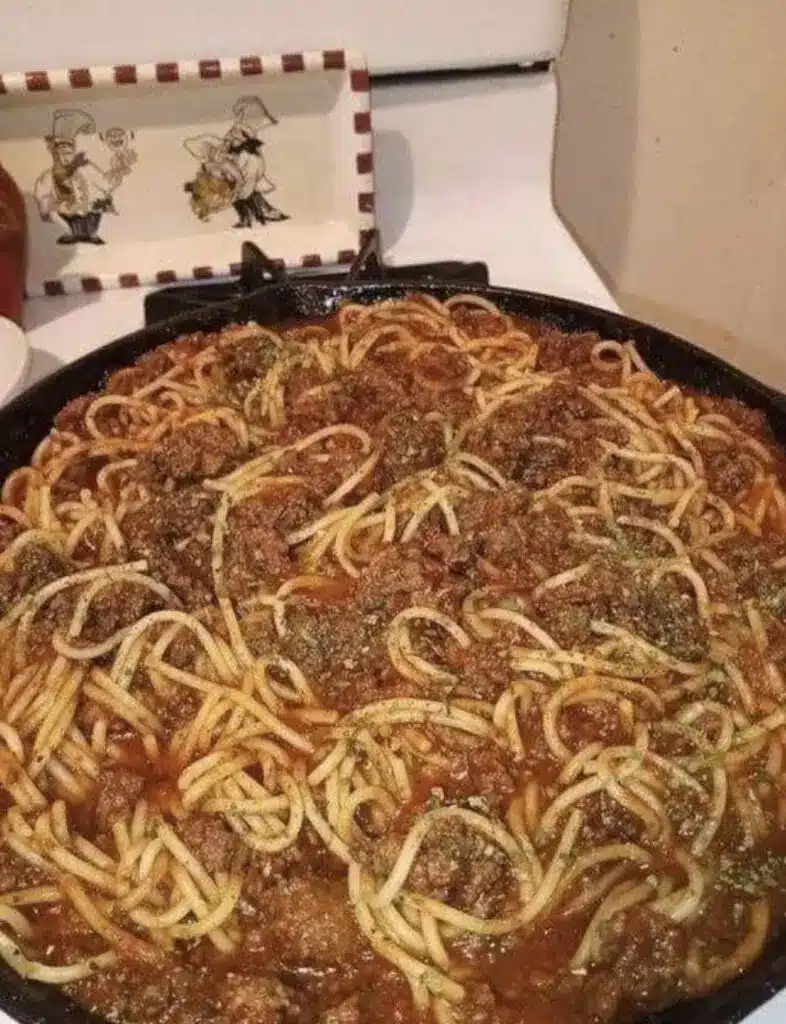
How to Serve Homemade Spaghetti
Presentation is the final step in completing the best homemade spaghetti recipe guide experience. For a classic look, use a pasta fork to twirl the noodles into a high mound in the center of a shallow bowl. Spoon a little extra sauce over the top to ensure the meat is visible.
Garnishes
Never underestimate the power of freshly grated cheese. Use a microplane to shower the dish with Parmigiano-Reggiano or Pecorino Romano. The salty, nutty profile of the cheese melts into the warm sauce, creating another layer of complexity. Finish with a drizzle of high-quality extra virgin olive oil and a few torn leaves of fresh basil for a professional touch.
Side Dishes
Spaghetti is a hearty meal on its own, but it pairs beautifully with a crisp green salad tossed in a sharp vinaigrette to cut through the richness of the beef. Garlic bread is almost a requirement, serving as the perfect vessel to scoop up any leftover rich meat sauce remaining on the plate.
Storage and Make-Ahead
Storing Leftovers
Leftover spaghetti can be stored in an airtight container in the refrigerator for up to 4 days. In fact, many people find that the flavors are even more cohesive the next day. If the pasta has already been mixed with the sauce, it will continue to absorb liquid, so you may need to add a splash of water when reheating.
Freezing
The sauce itself freezes beautifully. If you are making a large batch, freeze the sauce separately from the pasta in freezer-safe bags for up to 3 months. When you are ready for another easy weeknight dinner, simply thaw the sauce overnight in the fridge and boil fresh pasta.
Reheating
For the best results, reheat the spaghetti on the stovetop over medium-low heat. Add a tablespoon of water or broth to loosen the sauce and toss frequently until heated through. Avoid the microwave if possible, as it can cause the fat in the meat sauce to separate and make the noodles rubbery.
Final Thoughts
Mastering this best homemade spaghetti recipe guide is about more than just following steps; it is about learning to trust your senses in the kitchen. From the sound of the beef searing to the sight of the sauce thickening into a deep, glossy red, this dish rewards those who pay attention to the details. This classic Italian-American comfort food has remained a staple for generations because it is deeply satisfying and infinitely customizable. Once you have the basics down, you can tweak the herbs, meats, and textures to make this recipe truly your own.
Frequently Asked Questions
Can I use fresh tomatoes instead of canned?
Yes, but it requires more prep. You will need to blanch, peel, and seed about 3 pounds of fresh plum tomatoes to equal one large can. Fresh tomatoes also have a higher water content, so you will likely need to simmer the sauce for an additional 30 minutes to achieve a rich meat sauce consistency. Canned tomatoes are often preferred for their consistent acidity and sweetness.
How do I stop my spaghetti from sticking together?
The most important rule is to use a large enough pot with plenty of water. If the pasta is crowded, the starch will glue the strands together. Stir the pasta immediately after adding it to the boiling water and several times during the first two minutes of cooking. Do not add oil to the water, as this prevents the sauce from sticking to the noodles later.
Is it necessary to add sugar to the sauce?
It depends on your tomatoes. Some canned brands are quite acidic, which can leave a sharp, metallic aftertaste. A small amount of sugar doesn’t make the sauce sweet; it acts as a flavor balancer. Taste your sauce after it has simmered for 20 minutes; if it tastes “bright” or sharp on the back of your tongue, a half-teaspoon of sugar will likely fix it.
Can I make this sauce in a slow cooker?
Absolutely. For a slow cooker version, you must still brown the meat and sauté the aromatics on the stovetop first to develop flavor. Transfer everything to the slow cooker and cook on low for 6 to 8 hours. This results in an incredibly tender rich meat sauce, though you may need to leave the lid slightly ajar for the last hour to help it thicken.
What is the difference between spaghetti sauce and marinara?
Marinara is typically a quick, meatless tomato sauce flavored with garlic and herbs. A best homemade spaghetti recipe guide usually refers to a meat-based sauce (sometimes called a ragu) that simmers much longer to incorporate the fats and proteins from the beef, resulting in a heavier, more complex topping for the al dente pasta.
Homemade Spaghetti

Enjoy a hearty and comforting plate of Homemade Spaghetti, featuring a rich, savory tomato sauce made from scratch and perfectly al dente pasta. This classic recipe is a family favorite that brings the warmth of Italian-inspired American cooking to your dinner table.
- 1 lb spaghetti noodles
- 2 tablespoons extra-virgin olive oil
- 1 small onion, finely diced
- 3 cloves garlic, minced
- 1 can (28 oz) crushed tomatoes
- 2 tablespoons tomato paste
- 1 teaspoon dried oregano
- 1/2 teaspoon salt
- 1/4 teaspoon black pepper
- Fresh basil leaves for garnish
- 1Sauté Aromatics: Heat olive oil in a large skillet over medium heat. Add diced onions and cook until translucent, about 5 minutes. Stir in minced garlic and cook for another minute until fragrant.
- 2Simmer Sauce: Stir in the crushed tomatoes, tomato paste, oregano, salt, and pepper. Reduce heat to low and let the sauce simmer for 20-25 minutes, stirring occasionally.
- 3Cook Pasta: While the sauce simmers, bring a large pot of salted water to a boil. Add spaghetti and cook according to package directions until al dente.
- 4Combine: Drain the pasta and add it directly into the skillet with the tomato sauce. Toss well to ensure every strand is evenly coated.
- 5Serve: Garnish with fresh basil and serve immediately.
Keywords: homemade spaghetti, pasta recipe, tomato sauce, vegetarian dinner, classic spaghetti


