
Glazed Apple Fritters

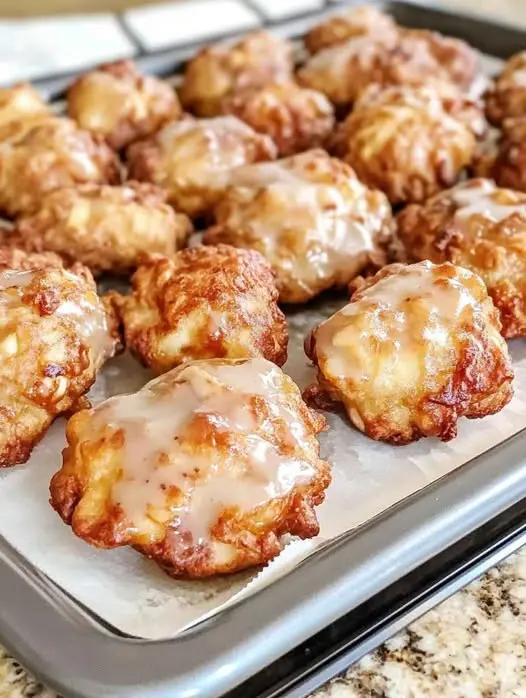
There is something undeniably nostalgic about the scent of cinnamon-spiced apples hitting a vat of hot oil, filling the kitchen with the aroma of a classic autumn fair. While many of us grew up grabbing these oversized, craggy treats from the local bakery case, making the best glazed apple fritter recipe at home elevates the experience to an entirely new level. These aren’t just donuts; they are a textural masterpiece, featuring a crisp, craggy exterior that gives way to a tender, pillowy center studded with tart, softened apples. The finishing touch is a shimmering vanilla glaze that seeps into every nook and cranny, creating a shatteringly thin sweet crust that balances the warmth of the spice.
The beauty of this homemade apple fritters recipe lies in the balance between the fruit and the batter. By focusing on a high ratio of apples to dough and ensuring the oil temperature is precisely calibrated, you can achieve that professional-quality finish without the grease. Whether you are serving these for a cozy weekend brunch or as a decadent dessert, the combination of fresh fruit and easy fried dough is a guaranteed crowd-pleaser that proves some things are truly better made from scratch.
Why This Recipe Is a Keeper
- Superior Texture: Unlike store-bought versions that can often be doughy or dry, these fritters offer a perfect contrast between the crunchy, fried exterior and the moist, apple-loaded interior.
- Better Than Bakery Quality: By using fresh, high-quality apples and real vanilla bean or extract, you get a depth of flavor that commercial bakeries often skip in favor of artificial flavorings.
- Quick Results: Because this recipe utilizes baking powder for lift rather than yeast, you can enjoy fresh apple fritters in a fraction of the time it takes to make traditional raised donuts.
- Customizable Spices: You have full control over the warmth of the dish, allowing you to dial up the cinnamon, nutmeg, or even add a pinch of cardamom for a sophisticated twist.
Ingredients You’ll Need
To achieve the best glazed apple fritter recipe, every ingredient serves a specific purpose in building the structure, flavor, and signature crunch. Using cold ingredients for the batter while keeping your fruit at room temperature helps manage the consistency and ensures even cooking once they hit the oil.
- Tart Apples: Granny Smith or Honeycrisp are the gold standard here. Their firm texture holds up during the high-heat frying process, and their acidity cuts through the sweetness of the glaze.
- All-Purpose Flour: This provides the necessary structure. You want enough gluten to hold the heavy pieces of fruit without making the fritter tough or bread-like.
- Cinnamon and Nutmeg: These are the essential “warm” spices that define the apple cinnamon flavor profile. Nutmeg, in particular, adds that classic “old-fashioned donut” aroma.
- Whole Milk: The fat content in whole milk contributes to a richer, more tender crumb inside the fritter, preventing it from becoming overly airy or dry.
- Baking Powder: As the primary leavening agent, it creates the bubbles and lift needed to make the fritters light and airy rather than dense blocks of dough.
- Powdered Sugar: The base for our simple vanilla glaze. Its fine texture ensures the glaze is perfectly smooth and dries into a beautiful, crackly shell.
Variations and Smart Swaps
Spiced Glaze Variation: If you want to lean even harder into the fall flavors, add a half-teaspoon of apple pie spice or a splash of maple syrup to your glaze. This transforms the cinnamon apple glaze into something even more complex and aromatic.
Fruit Substitutions: While apples are the star, this batter is incredibly versatile. You can swap half the apples for firm pears or even add a handful of dried cranberries for a pop of tartness and color. Just ensure the fruit is diced small enough to cook through quickly.
Dairy-Free Adaptation: For those avoiding dairy, you can easily substitute the whole milk with a full-fat oat milk. Oat milk has a natural sweetness and creamy consistency that mimics dairy well in fried dough recipes. Use a neutral oil or vegan butter substitute if the recipe calls for melted fats.
How to Make the Best Glazed Apple Fritter Recipe
Step 1: Prep and Sauté the Apples
Start by peeling, coring, and dicing your apples into small, uniform pieces, roughly a quarter-inch in size. While some recipes call for raw apples, lightly sautéing them with a touch of sugar and cinnamon before folding them into the batter ensures they are perfectly tender. This also removes excess moisture, which prevents the apple fritter batter from becoming too watery. Once softened slightly, let them cool to room temperature so they don’t begin to cook the eggs in the batter prematurely.
Step 2: Whisk the Dry and Wet Ingredients
In a large mixing bowl, sift together your flour, sugar, baking powder, and spices. Sifting is a vital step here as it aerates the flour and removes any clumps of leavening agent, ensuring an even rise. In a separate vessel, whisk together your milk, eggs, and vanilla. Create a well in the center of the dry ingredients and gently pour in the wet mixture. Use a spatula to fold them together until just combined; overmixing at this stage will develop too much gluten, leading to a tough, rubbery fritter rather than a tender one.
Step 3: Fold in the Fruit and Rest
Gently fold the cooled apples into the batter. The mixture should be thick and chunky—more fruit than dough. Allow the batter to rest for about 10 minutes while you heat your oil. This brief resting period allows the flour to fully hydrate and the baking powder to begin its initial reaction, which results in a much lighter deep-fried dessert. It also helps the flavors of the spices meld into the base of the dough.
Step 4: Fry to Golden Perfection
Heat a heavy-bottomed pot or Dutch oven with neutral oil to exactly 350°F. Using a large spoon or an ice cream scoop, carefully drop portions of the batter into the hot oil. Avoid overcrowding the pot, as this will drop the oil temperature and lead to greasy fritters. Fry for about 2-3 minutes per side. You are looking for a deep golden brown color and a noticeably crisp exterior. The craggier the edges, the more places the glaze has to settle later.
Step 5: Glaze While Warm
Whisk together your powdered sugar, milk, and vanilla until smooth. Once the fritters have drained on a wire rack for about 60 seconds but are still very warm, dunk them into the glaze or pour it generously over the top. Glazing while warm is the secret to that professional finish; the heat of the fritter thins the glaze, allowing it to coat every crevice and dry into a beautiful, translucent sugar shell.
Pro Tips for Success
- Use a Thermometer: Maintaining the oil between 350°F and 375°F is the most important factor. If the oil is too cold, the dough will absorb it and become heavy; if it is too hot, the outside will burn before the inside is cooked.
- Small Dice is Key: Ensure your apple pieces are no larger than 1/4 inch. Large chunks of fruit may not soften in time and can cause the fritter to break apart during the frying process.
- Wire Rack Draining: Never drain fried fritters on paper towels alone. Placing them on a wire rack allows air to circulate underneath, preventing the bottom from becoming soggy as it cools.
- Double Glaze: If you prefer an extra-thick crust, wait for the first layer of glaze to set for two minutes, then dip the fritter a second time. This creates a bakery-style glazed finish that is truly indulgent.
Troubleshooting Common Problems
Why are my fritters raw in the middle?
This is almost always a result of the oil being too hot. When the oil is over 375°F, the exterior browns instantly, leading you to believe they are finished when the center is still wet batter. Lower the heat and use a thermometer to stay in the 350°F range. Additionally, make sure you aren’t making the fritters too thick; flattening them slightly with the back of a spoon when you drop them into the oil helps them cook evenly.
Why are my fritters falling apart in the oil?
If your apple fritter batter is too thin, it won’t hold the weight of the apples. This can happen if the apples were too wet or if the flour wasn’t measured correctly. Ensure you are using the “spoon and level” method for your flour and that your sautéed apples have been drained of any excess liquid before being added to the dough.
How to Serve Your Fritters
The best glazed apple fritter recipe is best enjoyed within an hour of frying. There is a magical window where the glaze has set into a crackly crust, but the interior remains steaming and soft. Serve them on a large wooden board for a rustic presentation, perhaps alongside a bowl of extra glaze for dipping.
Complementary Pairings
These fritters are naturally very sweet, so they pair beautifully with a strong, bitter beverage. A dark roast coffee or a sharp espresso helps balance the sugar. For a festive fall gathering, serving them alongside warm apple cider or a glass of cold milk for the kids creates a classic seasonal experience.
Garnish Ideas
While the glaze is the traditional finish, a light dusting of extra cinnamon or a few flakes of sea salt can elevate the flavors. The salt, in particular, makes the apple flavor pop and keeps the sweetness from feeling overwhelming. If serving as a plated dessert, a scoop of vanilla bean ice cream on the side turns a simple fritter into a gourmet apple dessert.
Storage and Make-Ahead
Fried foods are notoriously difficult to store, as the moisture from the fruit eventually softens the crisp exterior. However, if you have leftovers, store them in a single layer in an airtight container at room temperature for up to 24 hours. Do not refrigerate them, as the cold environment will cause the sugar glaze to melt and become sticky.
Reheating Tips
To bring back some of that original crunch, avoid the microwave at all costs. Instead, place the fritters in a 350°F oven or air fryer for 3-5 minutes. This will recrisp the edges and warm the center without making the dough rubbery. The glaze will melt slightly, so they will be extra messy, but just as delicious.
Final Thoughts
Mastering the best glazed apple fritter recipe is a rewarding skill for any home baker. It bridges the gap between simple comfort food and technical pastry work, resulting in a treat that looks and tastes far more complex than it actually is. By focusing on high-quality apples, precise oil temperatures, and that essential vanilla glaze, you can create a homemade donut experience that rivals any professional shop. Gather your ingredients, heat up the oil, and get ready to enjoy the ultimate warm, spiced, and crunchy apple treat.
Frequently Asked Questions
What is the best type of oil for frying fritters?
You should use a neutral oil with a high smoke point. Canola oil, vegetable oil, or grapeseed oil are all excellent choices. Avoid using olive oil or butter for deep frying, as they have low smoke points and will impart an overpowering flavor to the cinnamon apple dough.
Can I make apple fritters in the air fryer?
While you can make a version of these in an air fryer, the texture will be more like a baked scone or a muffin than a traditional fried fritter. The signature craggy, crispy edges come from the immersion in hot oil. If you choose to air fry, use a thicker batter and parchment paper liners, but expect a softer, more bread-like result.
Can I make the batter ahead of time?
It is best to make the batter right before you plan to fry. Because this recipe uses baking powder, the leavening power begins to fade as soon as the wet and dry ingredients meet. If the batter sits too long, your homemade fritters will be dense and flat rather than light and airy.
How do I stop the glaze from disappearing into the fritter?
If your fritter is too hot, the glaze will melt and soak into the dough. If it is too cold, the glaze won’t adhere properly. The “sweet spot” is waiting about 60 to 90 seconds after the fritter comes out of the oil. It should still be hot to the touch but no longer piping hot. This allows the glaze to form that distinct, opaque layer.
Do I have to peel the apples?
While it is a matter of preference, peeling the apples provides a much better texture. Apple skins can become tough and “papery” when fried, which can be distracting in a soft dough. Taking the extra minute to peel your Granny Smiths ensures every bite of your best glazed apple fritter recipe is perfectly tender.
Glazed Apple Fritters

Homemade Glazed Apple Fritters are a classic bakery-style treat, featuring soft dough packed with fresh apples and cinnamon, fried to golden perfection and dipped in a sweet, silky vanilla glaze.
- 2 cups all-purpose flour
- 1/4 cup granulated sugar
- 1 tablespoon baking powder
- 1/2 teaspoon salt
- 1 1/2 teaspoons ground cinnamon
- 1/4 teaspoon ground nutmeg
- 2/3 cup whole milk
- 2 large eggs
- 2 tablespoons unsalted butter, melted
- 2 cups Granny Smith apples, peeled and finely diced
- Vegetable oil for frying
- For the Glaze:
- 2 cups powdered sugar
- 1/4 cup whole milk
- 1/2 teaspoon vanilla extract
- 1In a large mixing bowl, whisk together the flour, sugar, baking powder, salt, cinnamon, and nutmeg.
- 2In a medium bowl, whisk together the milk, eggs, and melted butter.
- 3Pour the wet ingredients into the dry ingredients and stir until just combined. Fold in the diced apples.
- 4Heat about 2 inches of vegetable oil in a large, heavy-bottomed skillet or Dutch oven to 350°F (175°C).
- 5Carefully drop about 1/4 cup of batter into the hot oil for each fritter, flattening them slightly with the back of a spoon. Do not overcrowd the pan.
- 6Fry for 2 to 3 minutes per side until they are deep golden brown and cooked through.
- 7Remove with a slotted spoon and drain on a wire rack set over paper towels.
- 8While the fritters are still warm, whisk together the powdered sugar, milk, and vanilla in a small bowl.
- 9Dip each fritter into the glaze, turning to coat both sides, then return to the wire rack to let the glaze set.
Keywords: apple fritters, homemade donuts, glazed apple fritters, apple recipes, breakfast treats, fall baking


