
Classic Potato Pancakes

There is something undeniably nostalgic and comforting about the aroma of potatoes frying in a hot skillet. A best classic potato pancake recipe is a staple in many kitchens, offering a perfect balance of a lacy, golden-brown exterior and a tender, savory center. Whether you call them latkes or potato pancakes, these versatile fritters bridge the gap between a simple side dish and the star of a festive brunch. The beauty of this dish lies in its simplicity, relying on just a few humble pantry staples to create a texture that is both satisfyingly crunchy and melt-in-your-mouth soft.
While the process is straightforward, achieving that restaurant-quality crispness requires a few specific techniques. By understanding how to manage moisture and heat, you can transform ordinary tubers into crispy potato latkes that stay firm and flavorful. This guide will walk you through the essential steps to ensure your pancakes are never soggy or bland, making this approachable recipe a guaranteed success for any home cook.
Why This Recipe Is a Keeper
- Incredible Texture: These pancakes feature a signature shredded edge that crisps up into a golden brown lattice, providing a satisfying crunch in every single bite.
- Budget-Friendly: Made primarily from potatoes and onions, this is an affordable way to feed a crowd without sacrificing flavor or quality.
- Versatile Serving Options: You can take these in a sweet direction with fruit preserves or a savory route with herbs and cream, making them suitable for any meal.
- Perfect for Any Skill Level: You don’t need fancy equipment or advanced culinary degrees to master these; a simple grater and a sturdy pan are all it takes to succeed.
Ingredients You’ll Need
To create the best classic potato pancake recipe, you need ingredients that provide both structure and flavor. Choosing the right variety of potato and the proper binder ensures the pancakes hold their shape during the high-heat frying process.
- Russet Potatoes: These are the gold standard for shredded potato pancakes because of their high starch content, which helps the pancakes hold together and achieve a superior crispiness.
- Yellow Onion: Beyond adding a sweet and savory depth, the juice from the onion helps prevent the potatoes from oxidizing and turning gray too quickly.
- Large Eggs: The eggs act as the primary binding agent, ensuring the individual potato shreds adhere to one another rather than scattering in the oil.
- All-Purpose Flour or Matzo Meal: This helps absorb any residual moisture and provides the “glue” that creates a cohesive batter capable of withstanding the heat of the skillet.
- Kosher Salt and Black Pepper: Potatoes are naturally bland and require a generous hand with seasoning to truly bring out their earthy, fried flavor.
- Neutral Frying Oil: Use an oil with a high smoke point, such as vegetable or canola oil, to achieve that perfect golden brown finish without the oil breaking down or smoking.
Simple Swaps and Variations
- Garlic and Herb: Stir in two cloves of minced garlic and a tablespoon of fresh chopped parsley or chives to the batter for a more aromatic, savory profile.
- Sweet Potato Twist: Replace half of the Russet potatoes with peeled sweet potatoes for a slightly sweeter version that pairs exceptionally well with spicy dips.
- Zucchini Addition: Grate a small zucchini and squeeze it very dry, then mix it with the potatoes to add a pop of color and a boost of nutrients to your fritters.
- Gluten-Free Option: Substitute the all-purpose flour with a 1:1 gluten-free flour blend or even potato starch to keep the recipe accessible for those with dietary restrictions.
How to Make the Best Classic Potato Pancakes
Step 1: Prep and Shred the Vegetables
Begin by peeling your Russet potatoes and onions. Using the large holes of a box grater or a food processor with a coarse shredding attachment, grate the potatoes and the onion into a large bowl. Grating the onion directly into the potatoes is a smart move, as the onion juice actually helps slow down the oxidation process, keeping your potato shreds looking bright and fresh rather than turning an unappetizing shade of brown.
Step 2: Squeeze Out Every Drop of Moisture
This is the most critical step for success. Transfer the shredded mixture to a clean kitchen towel or several layers of cheesecloth. Wrap it tightly and squeeze with all your might over the sink. You will be surprised at how much liquid comes out. Removing this excess water is the only way to ensure your crispy potato latkes don’t turn into a steamed, mushy mess when they hit the hot oil. The drier the shreds, the crunchier the result.
Step 3: Create the Cohesive Batter
Once dry, place the potato and onion shreds back into a clean bowl. Whisk your eggs separately before adding them to the bowl along with the flour, salt, and pepper. Use your hands or a large spoon to toss everything together until every strand of potato is lightly coated in the egg and flour mixture. Do not overmix, or the potatoes may begin to release more liquid; you want a cohesive but light batter that holds its shape when pressed.
Step 4: Fry to Golden Perfection
Heat about a quarter-inch of neutral oil in a heavy skillet—cast iron is ideal here—over medium-high heat. Once the oil is shimmering and a small piece of potato sizzles immediately upon contact, carefully drop mounds of the batter into the pan. Flatten them gently with a spatula. Fry for about 3 to 5 minutes per side. You are looking for a deep golden brown color and edges that look lacy and crisp. Avoid crowding the pan, as this drops the oil temperature and leads to greasy results.
Step 5: Drain and Season Immediately
Remove the finished pancakes from the skillet and place them on a wire rack set over a baking sheet or a plate lined with paper towels. Draining them on a rack is preferred as it allows air to circulate, preventing the bottoms from becoming soggy. While they are still piping hot from the oil, hit them with an extra pinch of kosher salt. This ensures the salt sticks to the surface, enhancing the overall flavor profile of the best classic potato pancake recipe.
Pro Tips for the Best Results
- Check Your Oil Temp: If the oil isn’t hot enough, the potatoes will soak it up and become heavy. If it is too hot, the outside burns before the inside cooks. Aim for 350°F if using a thermometer.
- Don’t Peel Too Early: Only peel and grate your potatoes when you are ready to cook to minimize the time they are exposed to air and oxidation.
- The Starch Secret: If you let the squeezed-out potato liquid sit in a bowl for a few minutes, the white potato starch will settle at the bottom. Pour off the water, keep that starch, and mix it back into your batter for extra binding power.
- Use a Heavy Pan: A cast-iron skillet or a heavy-bottomed stainless steel pan retains heat better than thin aluminum, leading to more even browning across the whole batch.
- Keep Them Warm: If cooking in large batches, keep the finished pancakes on a wire rack in a 200°F oven to maintain their crunch while you finish the rest of the batter.
Troubleshooting Common Problems
Why Are My Pancakes Falling Apart?
If your pancakes are disintegrating in the oil, it is usually due to a lack of binder or too much moisture. Ensure you squeezed the potatoes as dry as possible and that you didn’t skip the eggs. If the batter still feels too loose, you can add an extra tablespoon of flour to help the shredded potato pancakes hold their shape during the flip.
Why Is the Center Still Raw?
This happens when the heat is too high. The exterior browns rapidly, but the heat doesn’t have time to penetrate the middle. Lower the flame slightly and flatten the pancakes more significantly when you put them in the pan. A thinner pancake cooks through much more reliably than a thick, puck-like fritter.
How to Serve Potato Pancakes
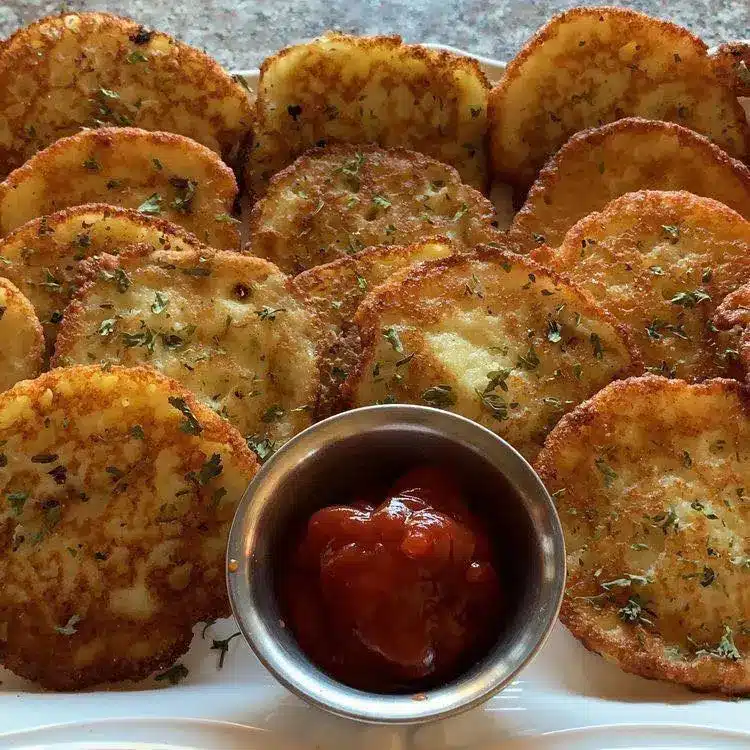
The beauty of the best classic potato pancake recipe is that it serves as a blank canvas for a variety of toppings. Tradition often dictates a duo of sweet and savory accompaniments, providing a contrast that highlights the salty, fried nature of the dish.
Garnishes and Toppings
Sour cream is the most iconic pairing, providing a cool, tangy creaminess that cuts through the richness of the fried potato. For a brighter note, a dollop of cold applesauce offers a classic sweetness that children and adults alike adore. If you want to elevate the presentation, garnish with a sprinkle of fresh chives, thinly sliced scallions, or even a spoonful of smoked salmon and capers for a sophisticated brunch platter.
Complementary Side Dishes
While these are often enjoyed on their own, they make an excellent side dish for roasted meats like brisket or roasted chicken. For a lighter meal, serve them alongside a crisp green salad tossed in a sharp lemon vinaigrette to balance the savory depth of the golden brown pancakes. They also pair wonderfully with poached eggs, allowing the runny yolk to act as a natural sauce for the crispy edges.
Storage and Make-Ahead
Storing Leftovers
Leftover potato pancakes can be stored in an airtight container in the refrigerator for up to three days. To keep them from sticking together, place a piece of parchment paper between each layer. While they will lose their initial crunch in the fridge, they can be easily revived with the right reheating method.
Reheating for Crispness
Avoid using the microwave, as it will make the pancakes rubbery and soft. Instead, reheat them in a 375°F oven or toaster oven for about 5 to 8 minutes until they sizzle. You can also give them a quick flash-fry in a dry non-stick skillet over medium heat to bring back that signature crispy potato latkes texture.
Freezing Instructions
These pancakes freeze remarkably well. Flash-freeze them in a single layer on a baking sheet until solid, then transfer them to a freezer-safe bag for up to two months. You can reheat them directly from frozen in a hot oven, making them a fantastic make-ahead option for busy holiday seasons.
Final Thoughts
Mastering the best classic potato pancake recipe is a rewarding endeavor that brings a touch of crispy, golden comfort to any table. By focusing on high-quality Russet potatoes and ensuring you remove as much moisture as possible, you can create a dish that is far superior to any store-bought or frozen alternative. Whether you are celebrating a holiday or simply looking for a soul-warming side dish, these pancakes offer a timeless appeal that never goes out of style. Once you see how easy it is to achieve that perfect crunch, this will surely become a regular request in your household.
Frequently Asked Questions
Can I use red or gold potatoes instead of Russets?
While you can use Yukon Gold potatoes, they have a lower starch content and a creamier texture. They will result in a slightly softer pancake. Red potatoes are waxier and hold even more moisture, making it much harder to achieve the desired golden brown crispiness. For the most traditional results, stick with high-starch Russets.
How do I stop the potatoes from turning gray?
Potatoes oxidize and change color when exposed to air. To prevent this, work quickly once they are shredded. Grating the onion first or simultaneously helps, as the acid and antioxidants in the onion slow the browning. If you aren’t ready to fry immediately, you can keep the shredded potatoes submerged in cold water, but you must dry them exceptionally well before mixing.
Can I make the batter in advance?
It is best to fry the batter immediately after mixing. If the batter sits too long, the salt will draw even more moisture out of the potatoes, leading to a watery mixture and soggy pancakes. If you must prepare ahead, shred and squeeze the potatoes, but don’t add the salt, eggs, or flour until you are standing by the stove ready to fry.
What is the best oil for frying potato pancakes?
You want an oil with a neutral flavor and a high smoke point. Vegetable oil, canola oil, or grapeseed oil are excellent choices. Avoid extra virgin olive oil, as its low smoke point means it will burn and become bitter at the temperatures required to get the best classic potato pancake recipe results.
Is matzo meal better than flour?
This often comes down to personal preference or tradition. Flour creates a slightly smoother, more cohesive binder, while matzo meal provides a bit more texture and a distinct flavor often associated with traditional holiday latkes. Both work effectively to absorb moisture and keep the pancakes together during frying.
Classic Potato Pancakes

Crispy, golden-brown potato pancakes made from freshly grated potatoes and onions. These traditional favorites are savory, crunchy on the outside, and tender on the inside, making them a perfect side dish or a comforting main course.
- 2 lbs russet potatoes, peeled and grated
- 1 small yellow onion, grated
- 2 large eggs, lightly beaten
- 1/4 cup all-purpose flour
- 1 teaspoon salt
- 1/4 teaspoon ground black pepper
- 1/2 cup vegetable oil for frying
- 1Grate the potatoes and onion using a box grater or the grating disk of a food processor.
- 2Place the grated vegetables in a clean kitchen towel or cheesecloth and squeeze vigorously to remove as much liquid as possible.
- 3In a large mixing bowl, combine the dried potatoes and onion with the beaten eggs, flour, salt, and pepper. Mix until well combined.
- 4Heat about 1/4 inch of oil in a large skillet over medium-high heat until shimmering.
- 5Carefully drop large spoonfuls of the potato mixture into the hot oil, flattening them slightly with the back of the spoon.
- 6Fry for 3 to 5 minutes per side until the pancakes are deep golden brown and crispy.
- 7Transfer the pancakes to a plate lined with paper towels to drain any excess oil.
Keywords: potato pancakes, latkes, crispy potatoes, traditional breakfast, side dish


