
Classic Chocolate Cake

Finding the perfect balance between a tender crumb and an intensely deep cocoa flavor is the holy grail of home baking. This best moist chocolate cake recipe delivers on every promise, yielding a sponge that is incredibly soft, dark, and decadent without being overly heavy. Unlike many cakes that dry out within twenty-four hours, this version relies on a specific combination of fats and liquids to ensure it remains perfectly fudgy for days. It is the kind of reliable, high-yield dessert that works just as well for a casual family Sunday as it does for a triple-layered birthday showstopper.
The secret to this specific texture lies in the “blooming” technique and the use of acidic dairy, which reacts with the leavening agents to create a lift that is both airy and substantial. Whether you are a seasoned baker or someone who only pulls out the whisk once a year, this rich chocolate cake is designed to be approachable and foolproof. By understanding the “why” behind the ingredients—like why we use boiling water and why oil often beats butter in chocolate sponges—you can master the art of the homemade chocolate cake with total confidence.
Why You’ll Love This Recipe
- Unbeatable Moisture: By using oil instead of butter, the cake maintains a superior “mouthfeel” even when refrigerated. It stays tender and springy, never turning crumbly or dry.
- Deep Flavor Profile: The inclusion of a hot liquid “blooms” the cocoa powder, releasing trapped flavor compounds that traditional mixing methods often leave behind for a more rich chocolate cake experience.
- One-Bowl Simplicity: This easy chocolate cake recipe doesn’t require complicated creaming techniques. You can whisk most of it together in a single large bowl, making cleanup a breeze.
- Versatile Foundation: This sponge is sturdy enough to hold up under heavy buttercream but delicate enough to be served with just a simple dusting of powdered sugar and fresh berries.
Ingredients You’ll Need
Success in baking starts with understanding your components. For this best moist chocolate cake recipe, each ingredient plays a structural or chemical role that contributes to the final velvety result.
- All-Purpose Flour: Provides the essential structure. It has just enough protein to hold the cake together without making it tough like bread flour would.
- Granulated Sugar: Beyond sweetness, sugar is a tenderizer. It interferes with gluten development, ensuring the cake remains soft rather than chewy.
- Unsweetened Cocoa Powder: This provides the primary flavor. Natural cocoa powder is slightly acidic, which is necessary to react with the baking soda for a proper rise.
- Baking Powder and Baking Soda: These dual leaveners ensure the cake rises perfectly. The soda reacts with the buttermilk, while the powder provides a secondary lift during the bake.
- Buttermilk: The secret weapon for a moist chocolate cake with oil. Its acidity breaks down gluten strands for a more delicate crumb and adds a subtle tang that balances the sugar.
- Vegetable Oil: Unlike butter, oil is 100% fat and remains liquid at room temperature. This is what gives the cake its signature “moist” sensation on the palate.
- Large Eggs: These act as the binder and provide fat and protein for stability. Make sure they are at room temperature for the best emulsification.
- Vanilla Extract: Much like salt, vanilla acts as a flavor enhancer, making the chocolate taste more “chocolatey” and rounded.
- Boiling Water (or Coffee): This is the final addition. It thins the batter and “blooms” the cocoa, ensuring there are no dry clumps and the flavor is maximized.
Variations and Smart Swaps
- The Coffee Swap: For an even deeper flavor, replace the boiling water with hot brewed coffee. You won’t taste the coffee itself, but it significantly intensifies the cocoa notes.
- Dairy-Free Alternative: You can create a DIY dairy-free buttermilk by adding a tablespoon of lemon juice or vinegar to a cup of soy or almond milk and letting it sit for five minutes.
- Gluten-Free Option: This recipe works surprisingly well with a high-quality 1-to-1 gluten-free flour blend that contains xanthan gum, though the texture may be slightly denser.
- Dutch Process Twist: If you prefer a darker, “Oreo-style” color, you can use Dutch process cocoa powder. Just ensure you don’t omit the baking powder, as Dutch cocoa isn’t acidic enough to trigger the baking soda alone.
How to Make the Best Moist Chocolate Cake
Step 1: Combine the Dry Base
Start by sifting your flour, cocoa powder, sugar, and leavening agents into a large mixing bowl. Sifting is a non-negotiable step for a homemade chocolate cake because cocoa powder is notorious for forming small, stubborn clumps that don’t always break down during whisking. Once sifted, use a balloon whisk to aerate the mixture, ensuring the baking soda and salt are evenly distributed throughout the flour. This prevents “hot spots” where the cake might rise unevenly or taste metallic.
Step 2: Incorporate the Wet Ingredients
Create a well in the center of your dry ingredients and add the eggs, buttermilk, oil, and vanilla extract. Using a whisk or an electric mixer on medium speed, beat the ingredients together for about two minutes. You are looking for a thick, smooth consistency. At this stage, the batter will look like traditional cake batter—pale brown and somewhat viscous. It is important to ensure all the flour from the bottom of the bowl is fully integrated before moving to the next step.
Step 3: The Blooming Phase
Lower your mixer speed and carefully pour in the boiling water or hot coffee. This is the most critical part of this easy chocolate cake recipe. The batter will become very thin and watery—this is exactly what you want. The hot liquid dissolves the cocoa powder instantly and begins to cook the starches in the flour slightly, which results in a much smoother, more uniform crumb. Whisk just until combined; do not overmix once the hot liquid is in, as you want to keep the air bubbles intact.
Step 4: The Precision Bake
Divide the liquid batter evenly between your prepared cake pans. Because the batter is so thin, it is helpful to use pans with high sides to prevent spilling. Bake in the center of the oven until a wooden skewer inserted into the middle comes out clean or with just a few moist crumbs attached. Avoid overbaking; because this is a rich chocolate cake, it can transition from “perfectly moist” to “slightly scorched” quickly if left in even five minutes too long. Let the cakes cool in the pans for at least ten minutes before transferring them to a wire rack.
Pro Tips for Success
- Use Room Temperature Ingredients: Cold eggs or buttermilk can cause the oil to clump or the batter to break. Room temperature ingredients emulsify much better, leading to a smoother bake.
- Don’t Skip the Parchment: This cake is very moist and can be delicate. Always line the bottom of your pans with parchment paper to ensure the layers come out cleanly without tearing.
- Check Your Leaveners: Baking soda and powder lose their potency over time. If your cake isn’t rising, your leaveners might be expired. Test them in a bit of vinegar; if they don’t bubble vigorously, replace them.
- The Tap Test: After pouring the batter into the pans, gently tap them on the counter once or twice. This releases any large air bubbles that could cause gaps in your finished best moist chocolate cake recipe.
- Measure Flour Correctly: Use the “spoon and level” method rather than scooping directly with the measuring cup, which packs the flour down and leads to a dry cake.
Troubleshooting Common Problems
Why Did My Cake Sink in the Middle?
A cake usually sinks because the oven door was opened too early, causing a sudden temperature drop before the structure had set. It can also happen if you used too much baking soda or powder, which causes the cake to rise too rapidly and then collapse under its own weight. Ensure your oven is fully preheated and wait until at least 75% of the cook time has passed before checking the center.
Why Is the Texture Crumbly Instead of Moist?
If your homemade chocolate cake is crumbly, it is likely due to overbaking or over-measuring the flour. When flour is packed too tightly into a measuring cup, you end up with too much protein and not enough moisture to hydrate it. Additionally, if you substituted butter for oil, the cake will naturally feel less moist at room temperature.
Why Are There Large Holes in the Sponge?
Large, irregular holes (tunneling) are usually a sign of overmixing. When you overwork the batter, you develop too much gluten and trap large pockets of air. For this best moist chocolate cake recipe, the goal is to mix only until the streaks of flour disappear and the boiling water is incorporated.
How to Serve Your Chocolate Cake
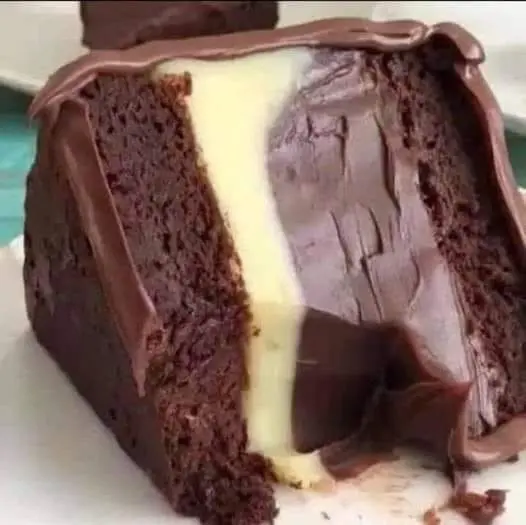
The beauty of this rich chocolate cake is its versatility. For a classic American experience, pair it with a thick, salty-sweet chocolate buttercream frosting. The salt in the frosting helps cut through the richness of the cocoa, making every bite balanced. If you prefer something lighter, a simple whipped cream topping with fresh raspberries or strawberries provides a refreshing contrast to the dense chocolate base.
For an elegant dinner party presentation, consider serving a single layer warm with a drizzle of ganache and a scoop of high-quality vanilla bean ice cream. The heat from the cake will slightly melt the ice cream, creating a built-in sauce. If you are making this as a homemade chocolate cake for a birthday, it holds up exceptionally well under fondant or heavy decorative piping, provided the layers have been properly chilled first to firm up the crumb.
Storage and Make-Ahead
Storing Leftovers
Because this is a moist chocolate cake with oil, it stays fresh longer than butter-based cakes. Store leftovers in an airtight container at room temperature for up to three days. If your kitchen is particularly warm, or if you have used a perishable frosting like cream cheese, store the cake in the refrigerator. Just be sure to bring it to room temperature for 30 minutes before serving to restore the soft texture.
Freezing Instructions
This cake freezes beautifully. Wrap individual unfrosted layers tightly in plastic wrap, followed by a layer of aluminum foil. They will stay fresh in the freezer for up to three months. To thaw, leave them in the refrigerator overnight while still wrapped. This prevents condensation from forming directly on the surface of the cake, which could make it sticky.
Making It Ahead
You can easily bake the layers a day in advance. In fact, many bakers find that the flavor of the best moist chocolate cake recipe actually improves after 24 hours as the moisture redistributes. Simply wrap the cooled layers in plastic wrap and store them at room temperature until you are ready to frost and assemble.
Final Thoughts
Mastering a rich chocolate cake is a milestone for any home cook, and this recipe provides the perfect foundation for endless dessert variations. By focusing on quality cocoa and the unique boiling water method, you create a sponge that is professional in quality but deeply comforting in flavor. Whether you are celebrating a major milestone or simply satisfying a late-night craving, this best moist chocolate cake recipe will quickly become a staple in your baking repertoire. It is reliable, deeply satisfying, and guaranteed to impress even the toughest chocolate critics.
Frequently Asked Questions
Can I use natural cocoa powder instead of Dutch process?
Yes, this recipe is actually designed for natural cocoa powder. The acidity in natural cocoa reacts with the baking soda to help the cake rise. If you use Dutch process cocoa powder, the cake will be darker and have a more mellow flavor, but it may not rise quite as high unless you ensure your baking powder is fresh and active.
What makes this cake so moist compared to others?
The moisture comes from the combination of vegetable oil and buttermilk. Oil remains liquid at room temperature, which provides a consistent “wet” feel to the crumb. Additionally, the boiling water added at the end of the process hydrates the cocoa and flour more effectively than cold liquids, resulting in a velvety, rich chocolate cake texture.
Can I make these into cupcakes instead of a cake?
Absolutely. This easy chocolate cake recipe translates perfectly to cupcakes. Simply line a muffin tin with paper liners and fill them about two-thirds full. The baking time will be significantly shorter—usually between 18 and 22 minutes. Use the toothpick test to ensure they are done before removing them from the oven.
Do I really have to use boiling water?
While you could use room temperature water, you would lose the “blooming” effect. Boiling water opens up the flavor of the cocoa powder and helps dissolve the sugar and any remaining lumps in the batter. It is the key step that separates a standard cake from the best moist chocolate cake recipe you will ever try.
Why is my chocolate cake dry?
Dryness is almost always caused by overbaking or using too much flour. If the cake is left in the oven even a few minutes too long, the moisture evaporates. Always start checking for doneness a few minutes before the recipe suggests. Also, ensure you are using oil; substituting it with all butter can sometimes result in a firmer, seemingly drier crumb once the cake cools.
Classic Chocolate Cake

A rich, moist, and decadent classic chocolate cake that is incredibly easy to make. This recipe produces a tender crumb and deep chocolate flavor, perfect for any celebration or a simple weeknight treat.
- 2 cups granulated sugar
- 1 3/4 cups all-purpose flour
- 3/4 cup unsweetened cocoa powder
- 1 1/2 teaspoons baking powder
- 1 1/2 teaspoons baking soda
- 1 teaspoon salt
- 2 large eggs
- 1 cup whole milk
- 1/2 cup vegetable oil
- 2 teaspoons vanilla extract
- 1 cup boiling water
- 1Preheat oven to 350°F (175°C). Grease and flour two 9-inch round baking pans.
- 2In a large bowl, whisk together the sugar, flour, cocoa, baking powder, baking soda, and salt.
- 3Add eggs, milk, oil, and vanilla; beat on medium speed of an electric mixer for 2 minutes.
- 4Stir in the boiling water by hand. The batter will be very thin, which is normal.
- 5Pour the batter evenly into the prepared pans.
- 6Bake for 30 to 35 minutes or until a wooden pick inserted in the center comes out clean.
- 7Cool in the pans for 10 minutes, then remove to wire racks to cool completely.
Keywords: chocolate cake, homemade dessert, moist cake, baking, classic recipes


