
Cinnamon Roll Bread Pudding

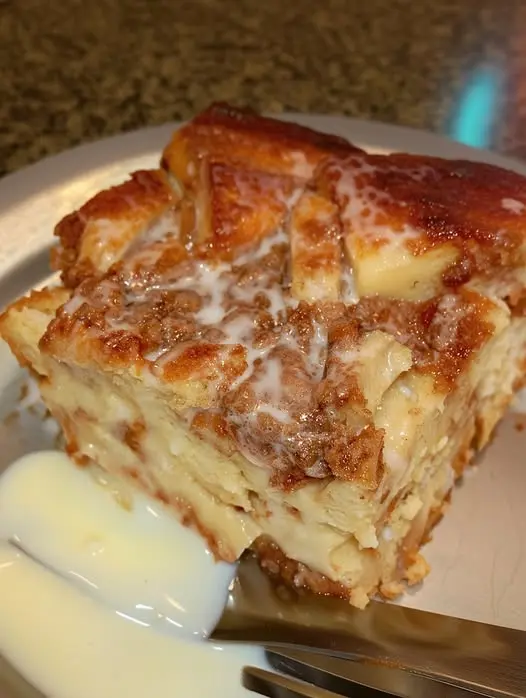
There is something undeniably nostalgic about the aroma of cinnamon and sugar wafting through the kitchen, but when you combine that scent with the rich, velvety texture of a custard-soaked bake, you get something truly extraordinary. This cinnamon roll bread pudding recipe takes the classic elements of a bakery favorite and transforms them into a decadent, scoopable dessert that is equally at home on a holiday brunch spread as it is at the center of a cozy family dinner table. It is the ultimate comfort food dessert, offering a sophisticated twist on a childhood staple.
What makes this dish so successful is the way the spiraled layers of the cinnamon rolls act as little pockets for the rich egg custard to hide. By using pre-baked or even day-old rolls, you create a structure that holds up beautifully during the baking process, ensuring every bite is moist without becoming overly soggy. It is an easy brunch recipe that requires minimal technical skill but delivers maximum flavor and impressive presentation every single time.
Why This Recipe Is a Keeper
- Textural Contrast: The tops of the rolls become delightfully crisp and golden in the oven, while the interior transforms into a soft, melt-in-your-mouth custard-based pudding.
- Maximum Flavor with Minimum Effort: Because the bread base is already seasoned with cinnamon and sugar, you don’t need a massive spice cabinet to achieve a deeply complex and warm flavor profile.
- Incredible Versatility: This dish transitions seamlessly from a morning treat served with coffee to a sophisticated evening dessert topped with a scoop of premium vanilla bean ice cream.
- Perfect for Prep: You can easily assemble the components ahead of time, making it a stress-free option for hosting guests or managing a busy weekend morning.
Ingredients You’ll Need
To achieve the best results, selecting high-quality dairy and the right type of bread base is essential. The custard needs to be rich enough to stand up to the dense structure of the cinnamon rolls without being so heavy that it masks the delicate spice notes.
- Cinnamon Rolls: You can use store-bought bakery rolls or homemade leftovers. The key is using rolls that are slightly firm so they can absorb the liquid without falling apart completely.
- Heavy Cream and Whole Milk: A combination of the two provides the perfect fat content for a silky custard that feels luxurious on the palate.
- Large Eggs: These act as the binding agent, providing structure to the pudding and creating that classic custardy lift during the baking process.
- Brown Sugar: While the rolls are already sweet, a touch of brown sugar in the custard adds a hint of molasses flavor that complements the cinnamon beautifully.
- Vanilla Extract: Use a high-quality pure vanilla to enhance the creamy notes of the dairy and provide a floral aromatic backbone to the dish.
- Warm Spices: Even though the rolls contain cinnamon, adding a pinch of extra cinnamon or nutmeg to the custard ensures the flavor is consistent throughout every layer.
- Unsalted Butter: Used for greasing the pan and occasionally drizzled over the top to help achieve those coveted crispy, buttery edges.
Simple Swaps and Variations
The Apple Pie Twist: Fold in thinly sliced Granny Smith apples and a handful of raisins before baking. The tartness of the apples cuts through the richness of the custard-based pudding for a balanced, autumnal flavor.
The Nutty Crunch: Scatter toasted pecans or walnuts over the top during the last ten minutes of baking. The added texture provides a wonderful contrast to the soft interior and mimics a classic sticky bun.
Cream Cheese Glaze: Instead of a standard sugar glaze, whisk together softened cream cheese, powdered sugar, and a splash of milk. Drizzle this over the warm pudding to replicate the iconic topping of a fresh cinnamon roll.
Boozy Brunch Version: For an adult-friendly variation, add a tablespoon of dark rum or bourbon to the custard mixture. The alcohol evaporates, leaving behind a deep, charred oak flavor that pairs perfectly with brown sugar.
How to Make This Cinnamon Roll Bread Pudding Recipe
Step 1: Prepare the Cinnamon Roll Base
Begin by cutting your prepared cinnamon rolls into bite-sized chunks, roughly one to two inches in size. It is important not to cut them too small, as you want to maintain the distinct spiral identity of the rolls within the pudding. Arrange the pieces in a generously buttered baking dish, ensuring they are distributed evenly. If you are using very fresh rolls, you might want to let the pieces sit out on a wire rack for an hour to dry slightly, which prevents the final dish from becoming too mushy.
Step 2: Whisk the Rich Custard
In a large mixing bowl, combine the eggs, heavy cream, milk, sugar, and vanilla. Whisk vigorously until the mixture is completely homogenous and slightly frothy. This step is vital because you want the egg proteins to be fully integrated so you don’t end up with bits of cooked egg in your dessert. The custard should be smooth and pale, smelling strongly of vanilla and warm spices. This liquid is what transforms the dry bread into a decadent comfort food dessert.
Step 3: The Essential Soak
Pour the custard mixture slowly over the cinnamon roll pieces, making sure every single chunk gets a bit of the liquid. Use a spatula or your clean hands to gently press the bread down into the liquid. Let the dish sit for at least 20 to 30 minutes. This “rest” allows the bread to hydrate fully to the center. If you skip this, you might end up with dry, bready spots in the middle of your pudding rather than a consistent, creamy texture throughout.
Step 4: Bake to Golden Perfection
Place the dish in a preheated oven and bake until the custard is set but still has a slight jiggle in the very center. You are looking for the tops of the rolls to turn a deep, golden brown and for the edges to pull away slightly from the sides of the pan. The smell will be incredible—a mix of caramelized sugar and toasted bread. Avoid overbaking, as the residual heat will continue to set the custard once it’s removed from the oven.
Step 5: Cool and Glaze
Allow the bread pudding to rest for at least 15 minutes before serving. This cooling period is not just for temperature; it allows the custard to finish setting so you can get clean scoops. If your rolls came with an icing packet, or if you made a custom cream cheese glaze, this is the time to drizzle it over the top. The warmth of the pudding will melt the icing slightly, allowing it to seep into the nooks and crannies.
Tips for the Best Results
- Tip: Always use room temperature eggs. They incorporate much more easily into the dairy, resulting in a smoother, more consistent custard.
- Tip: Don’t skimp on the soaking time. If you’re in a rush, 15 minutes is the bare minimum, but 30 minutes (or even overnight in the fridge) will produce a much better mouthfeel.
- Tip: If the tops are browning too quickly before the center is set, loosely tent the baking dish with aluminum foil for the remainder of the cooking time.
- Tip: For an extra layer of flavor, brown your butter before greasing the pan. The nutty notes of the browned butter add a professional-bakery touch to the cinnamon roll bread pudding recipe.
- Tip: Use a shallow baking dish rather than a deep one. This increases the surface area for the crispy top bits, which most people find to be the best part of the dish.
Troubleshooting Common Problems
Why Is My Bread Pudding Soggy?
Sogginess usually happens if the ratio of liquid to bread is too high or if the bread used was too fresh and soft. To fix this, ensure you are using slightly stale or sturdy bread, and make sure the oven is fully preheated so the custard begins setting immediately. If it’s already out of the oven and too wet, you can try popping it back in under a low broiler for a few minutes to dry out the top, though prevention is usually easier.
Why Did the Custard Separate?
If you see watery liquid at the bottom of the pan or the texture feels grainy, the pudding likely overbaked or the oven temperature was too high. Overcooking causes the egg proteins to tighten and squeeze out the moisture. To avoid this, always check the pudding a few minutes before the timer goes off; it should be just set, with a delicate wobble in the center.
How to Serve This Recipe
When it comes to serving this easy brunch recipe, presentation can be as simple or as elaborate as you like. Since the dish is naturally rustic, serving it family-style straight from the baking dish is always a hit. However, for a dinner party, individual ramekins can offer a more refined look.
Garnishes and Toppings
A simple dusting of powdered sugar adds a clean, finished look, but for true indulgence, a drizzle of warm caramel sauce or a maple syrup reduction is hard to beat. If you find the dish quite sweet, topping it with a handful of fresh raspberries or blackberries can provide a necessary pop of acidity that cleanses the palate between bites.
Complementary Sides
If serving this for brunch, pair it with salty, savory elements like thick-cut smoked bacon or breakfast sausage to balance the sugar. For a dessert presentation, a dollop of unsweetened whipped cream or a scoop of cold vanilla bean ice cream creates a wonderful temperature contrast against the warm, custardy pudding.
Storage and Make-Ahead
Storing Leftovers
If you have leftovers, they store remarkably well. Keep them in an airtight container in the refrigerator for up to three to four days. Because of the high dairy and egg content, you should never leave the pudding out at room temperature for more than two hours.
Making It Ahead
This is a fantastic make-ahead breakfast casserole option. You can assemble the entire dish, cover it tightly with plastic wrap, and let it soak in the refrigerator overnight. In the morning, simply let it sit on the counter for 20 minutes to take the chill off before sliding it into the oven. You may need to add 5–10 minutes to the baking time if the dish is still cold.
Reheating
To maintain the best texture, reheat individual portions in the oven at 350°F for about 10 minutes. This helps crisp up the top again. While the microwave is faster (30–60 seconds), it will result in a much softer, more steamed texture, which is still delicious but lacks the contrast of the original bake.
Final Thoughts
This cinnamon roll bread pudding recipe is a testament to how simple ingredients can be elevated into something truly special with just a bit of technique. Whether you are using up leftovers from a weekend baking project or specifically buying rolls to create this masterpiece, the result is a heartwarming, indulgent treat that never fails to impress. It’s a versatile addition to your recipe tin that works for almost any occasion, bringing a touch of bakery-style magic into your home kitchen with ease and confidence.
Frequently Asked Questions
Can I use unbaked canned cinnamon rolls for this?
Yes, you can, but the texture will be slightly different. If using canned dough, it is best to bake the rolls according to the package directions first, let them cool, and then proceed with the recipe. Using raw dough directly in the custard can lead to a very dense, doughy texture that lacks the light, airy pockets characteristic of a great bread pudding.
Do I have to use heavy cream?
While heavy cream provides the richest results for this comfort food dessert, you can substitute it with half-and-half or more whole milk if you prefer a lighter version. Keep in mind that the pudding will be slightly less “custardy” and more like a traditional bread bake. Avoid using skim milk or non-dairy milks with low fat content, as the custard may not set properly or could turn out watery.
Is this recipe freezer-friendly?
You can freeze the baked bread pudding quite successfully. Wrap it tightly in plastic wrap and then foil to prevent freezer burn. It will stay fresh for up to two months. To serve, thaw it overnight in the refrigerator and then reheat it in the oven to restore the crispness of the top. Freezing the unbaked custard mixture is not recommended, as the texture of the eggs and dairy can change upon thawing.
What is the best type of baking dish to use?
A ceramic or glass baking dish is ideal for this recipe. These materials distribute heat evenly, which is crucial for cooking the custard without curdling it. Metal pans can sometimes heat up too quickly, causing the edges to burn before the center of the cinnamon roll bread pudding recipe is fully set. A standard 9×13 or a large oval gratin dish usually works perfectly for a standard batch.
Can I make this dairy-free?
It is possible, though it requires some specific substitutions to maintain the richness. Use a full-fat coconut milk (the canned variety) in place of the heavy cream and a sturdy almond or oat milk for the whole milk. Ensure your cinnamon rolls are also dairy-free, as many traditional recipes and store-bought versions contain butter and milk solids. The flavor profile will shift slightly toward coconut, which actually pairs quite well with cinnamon.


