
Chocolate Chip Cookies

Finding the ultimate balance between a crisp, golden edge and a soft, doughy center is the holy grail of home baking. This best chocolate chip cookie recipe delivers exactly that, offering a sophisticated flavor profile that moves beyond simple sweetness into something deeply aromatic and satisfying. Whether you prefer your cookies warm from the oven or saved for a midnight snack, the combination of high-quality fats and a specific sugar ratio ensures a result that rivals any high-end professional bakery.
The beauty of this particular method lies in the attention to texture and the science of the ingredients. By focusing on the creaming process and the quality of your chocolate, you transform a standard pantry staple into bakery style cookies that possess a complex, almost toffee-like undertone. This isn’t just about mixing dough; it is about creating a sensory experience that fills your kitchen with the nostalgic scent of vanilla and toasted butter.
Why You’ll Love This Recipe
- Perfect Texture Contrast: These cookies feature remarkably chewy chocolate chip cookies centers with delicately shattered, buttery edges that provide a satisfying crunch in every single bite.
- Depth of Flavor: By using a higher ratio of brown sugar to granulated sugar, the dough develops a rich molasses note that perfectly complements the dark chocolate chunks.
- Reliable Results: This method is designed to prevent excessive spreading, ensuring you get thick, substantial cookies rather than thin, oily puddles on your baking sheet.
- Make-Ahead Friendly: The dough responds beautifully to a long chill in the refrigerator, allowing the flavors to marry and making it easy to bake fresh cookies on demand.
Ingredients You’ll Need
Success in baking starts with understanding how each component functions within the dough. Each of these ingredients has been selected to ensure the best chocolate chip cookie recipe yields consistent, professional-level results every time you preheat your oven.
- Unsalted Butter: Using unsalted butter allows you to control the exact sodium content. Softened to room temperature, it provides the structural base and that essential richness.
- Light Brown Sugar: This provides moisture and the essential chewy texture we look for. The molasses in the sugar reacts with the leavening agents for a soft rise.
- Granulated Sugar: White sugar is responsible for the crisp, caramelized edges. Balancing it with brown sugar creates the ideal structural integrity for the cookie.
- All-Purpose Flour: This provides the necessary protein structure. Measuring by weight is recommended to ensure your cookies aren’t dry or overly crumbly.
- Large Eggs: At room temperature, eggs emulsify more easily into the fat, creating a smooth, aerated dough that rises evenly in the oven.
- Pure Vanilla Extract: A generous amount of high-quality vanilla acts as a flavor enhancer, pulling the notes of chocolate and butter together into a cohesive profile.
- Baking Soda: This leavening agent helps the cookies brown beautifully while providing just enough lift to keep the centers from becoming too dense.
- Dark Chocolate Chunks: Using chunks or chopped bars instead of standard chips creates “pools” of chocolate and a variety of textures throughout the bakery style cookies.
- Sea Salt: A pinch of flaky sea salt on top or a fine salt within the dough balances the sweetness and makes the chocolate flavor pop.
Variations and Smart Swaps
- Brown Butter Twist: For an even deeper flavor, you can use brown butter in the base. Simply melt the butter until toasted and nutty, then chill it back to a solid state before creaming.
- Nutty Addition: Add toasted pecans or walnuts for an extra layer of crunch. The earthy notes of the nuts pair beautifully with the dark chocolate.
- Milk Chocolate Option: If you prefer a sweeter, creamier profile, swap half the dark chocolate chunks for milk chocolate chips or even white chocolate.
- Espresso Infusion: Add a teaspoon of instant espresso powder to the dry ingredients to intensify the chocolate notes without making the cookies taste like coffee.
How to Make the Best Chocolate Chip Cookie Recipe
Step 1: Cream the Butter and Sugars
Begin by beating your room-temperature unsalted butter with both the light brown and granulated sugars. This step is crucial for the best chocolate chip cookie recipe because it incorporates air into the fat. You want to beat the mixture on medium-high speed for at least three to five minutes until it looks pale, fluffy, and significantly lightened in color. This aeration is what helps the cookies have a light, soft bite rather than being heavy and greasy.
Step 2: Emulsify the Eggs and Vanilla
Add the eggs one at a time, ensuring each is fully incorporated before adding the next. Pour in the vanilla extract during this stage. By adding the eggs slowly, you are building a stable emulsion. If the dough looks curdled, continue beating for another minute until it becomes smooth and glossy. This stable base ensures that the fat doesn’t leak out of the cookies during the baking process, preserving that perfect cookie texture.
Step 3: Incorporate the Dry Ingredients
In a separate bowl, whisk together the flour, baking soda, and salt. Turn your mixer to the lowest setting and gradually add the flour mixture to the wet ingredients. Mix only until the white streaks of flour just disappear. Overmixing at this stage develops too much gluten, which can turn a tender cookie into a tough, bread-like disk. The goal is a soft, cohesive dough that still feels delicate.
Step 4: Fold in the Chocolate Chunks
Using a sturdy spatula, gently fold in the chocolate chunks by hand. This ensures that the chocolate is evenly distributed without overworking the dough. If you are using chopped chocolate bars, make sure to include the “chocolate dust” left on the cutting board; these tiny shards melt into the dough, creating a marbled effect that enhances every bite of your chewy chocolate chip cookies.
Step 5: Chill the Dough for Maximum Flavor
While it is tempting to bake immediately, chilling the dough for at least two hours (or up to 24 hours) is the secret to bakery style cookies. Chilling allows the flour to fully hydrate and the fats to firm up. This results in a much deeper flavor profile and prevents the cookies from spreading too thin in the oven. Cold dough hitting a hot oven creates those beautiful crinkly tops and thick centers.
Step 6: Portion and Bake to Perfection
Scoop the dough into rounded tablespoons and place them on a parchment-lined baking sheet, leaving plenty of room for slight spreading. Bake at 350°F until the edges are set and just starting to turn golden brown, while the centers still look slightly underdone and soft. The cookies will continue to cook on the hot baking sheet once removed from the oven, which is the key to achieving that elusive soft-batch texture.
Pro Tips for Success
- Tip: Use a kitchen scale to measure your flour. Scooping with a cup often packs the flour down, leading to dry, cakey cookies instead of chewy ones.
- Tip: Ensure your eggs are at room temperature. Cold eggs can seize the creamed butter, causing the dough to break and the texture to suffer.
- Tip: Bang the baking sheet on the counter halfway through baking. This “pan-banging” technique creates those ripples and ensures a more uniform chewy texture.
- Tip: Don’t overbake. Remove the cookies when they look “just” set. If they look fully cooked in the oven, they will be hard once they cool.
- Tip: Top each cookie with a tiny pinch of Maldon sea salt immediately after they come out of the oven to elevate the professional flavor profile.
Troubleshooting Common Problems
Why did my cookies spread too much?
Excessive spreading usually happens if the butter was too soft (almost melted) or if the dough wasn’t chilled long enough. Ensure your butter is cool to the touch and that you give the dough at least two hours in the fridge to stabilize the fats before baking.
Why are my cookies hard and crunchy?
If your cookies turned out like crackers, you likely overbaked them or used too much granulated sugar. Remember to pull them out when the centers still look slightly moist. Also, double-check that your baking soda is fresh, as old leavening can lead to dense, hard results.
Why is the chocolate burning on the bottom?
This can happen if you use a thin baking sheet or if the oven rack is too low. Use a heavy-duty rimmed baking sheet and parchment paper to provide a buffer between the heat and the chocolate chunks on the bottom of the dough.
How to Serve Your Cookies
There is nothing quite like a warm cookie paired with a cold glass of milk, but there are several ways to elevate the presentation of this best chocolate chip cookie recipe. For a dinner party, serve them slightly warm with a scoop of high-quality vanilla bean ice cream and a drizzle of salted caramel sauce.
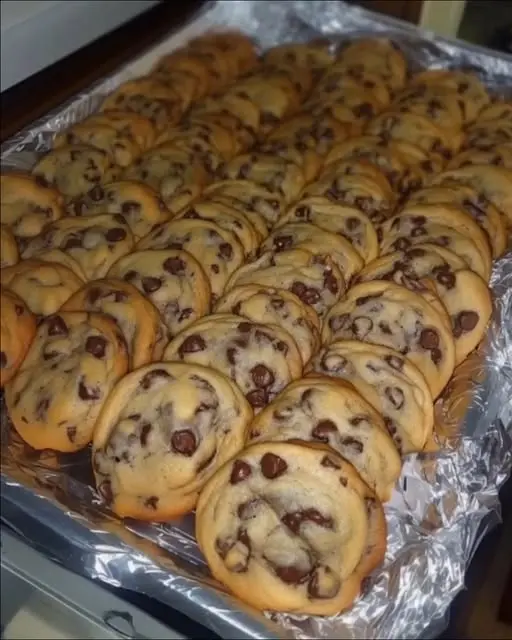
Plating Suggestions
If you are serving these for a gathering, arrange them on a wooden board with fresh berries and small bowls of dark chocolate ganache for dipping. The acidity of raspberries or strawberries cuts through the richness of the bakery style cookies perfectly. For a festive touch, you can even sandwich a layer of buttercream or marshmallow fluff between two cookies to create a homemade “creme sandwich.”
Storage and Make-Ahead
Storing Leftovers
To keep your cookies soft, store them in an airtight container at room temperature for up to four days. A trick many bakers use is to place a single slice of white bread in the container; the cookies will absorb the moisture from the bread, staying soft for much longer.
Freezing Instructions
You can freeze the baked cookies for up to three months in a freezer-safe bag. However, for the best results, freeze the “dough balls” instead. Flash-freeze them on a tray for an hour, then transfer to a bag. You can bake them straight from the freezer—just add two extra minutes to the baking time.
Reheating
If you want that fresh-from-the-oven experience the next day, pop a cookie in the microwave for 10-15 seconds. This softens the chocolate and restores the chewy chocolate chip cookies texture perfectly.
Final Thoughts
Mastering the best chocolate chip cookie recipe is a rewarding journey for any home baker. By focusing on quality ingredients, proper creaming techniques, and the patience of a good chill, you can produce cookies that far surpass anything found in a box. These treats are designed to be shared, offering a comforting yet sophisticated flavor that appeals to both children and adults alike. Keep a batch of dough in your freezer, and you’ll always be moments away from the perfect homemade dessert.
Frequently Asked Questions
Can I use chocolate chips instead of chunks?
Yes, you can certainly use chips, but chunks are highly recommended for the best chocolate chip cookie recipe. Chips contain stabilizers that help them keep their shape, whereas chunks melt more fluidly into the dough, creating those iconic pockets of chocolate that define a bakery style cookie. If using chips, look for a high cocoa percentage for the best flavor.
Do I really have to chill the dough?
While you can bake them immediately, the texture and flavor will not be as developed. Chilling allows the sugars to dissolve and the flour to hydrate, which creates a more caramelized flavor and a chewy texture. Even a thirty-minute chill is better than nothing, but two hours is the sweet spot for most home bakers.
Can I use salted butter if that’s all I have?
You can use salted butter, but you should reduce the added salt in the recipe by about half. Since different brands of salted butter have varying amounts of salt, using unsalted butter is the only way to ensure your cookies don’t end up accidentally over-salted. If you must use salted, just be mindful of your additional seasoning.
How do I get my cookies perfectly round?
For that professional look, use a circular cookie cutter or a glass slightly larger than the cookie immediately after they come out of the oven. Place the cutter over the warm cookie and gently scoot it in a circular motion. This “scoots” the edges back into a perfect circle before the cookie sets and hardens.
Why are my cookies not browning?
Browning is a result of the Maillard reaction, which requires enough heat and sugar. If your oven temperature is too low, the cookies will dry out before they brown. Check your oven temperature with an external thermometer to ensure it is hitting a true 350°F. Additionally, using light-colored baking sheets can sometimes result in less browning than darker pans.
Soft and Chewy Chocolate Chip Cookies

The ultimate classic chocolate chip cookie recipe that results in soft, chewy centers and perfectly crisp edges. Packed with semi-sweet chocolate chips, these are a crowd favorite.
- 1 cup unsalted butter, softened
- 3/4 cup white sugar
- 3/4 cup packed brown sugar
- 2 large eggs
- 2 teaspoons vanilla extract
- 1 teaspoon baking soda
- 1/2 teaspoon salt
- 3 cups all-purpose flour
- 2 cups semi-sweet chocolate chips
- 1Preheat oven to 350°F (175°C).
- 2In a large bowl, cream together the butter, white sugar, and brown sugar until smooth.
- 3Beat in the eggs one at a time, then stir in the vanilla.
- 4Combine the flour, baking soda, and salt; gradually stir into the creamed mixture.
- 5Fold in the chocolate chips by hand.
- 6Drop by rounded spoonfuls onto ungreased cookie sheets.
- 7Bake for 10 to 12 minutes or until edges are golden brown.
Keywords: chocolate chip cookies, baking, dessert, homemade


