
Why Sleeping on Your Left Side Could Be a Game-Changer for Your Health

We often focus on how many hours of sleep we get each night, but we rarely consider the physical orientation of our bodies while we drift off. While most of us have a preferred “comfy” position, the direction you face can have a profound impact on your internal systems. Research suggests that the way you lie down can influence everything from your brain health to your gut, and understanding the health benefits left side sleeping can be a game-changer for those looking to wake up feeling truly restored. It is not just about comfort; it is about working with your anatomy rather than against it.
By making a simple adjustment to your nightly routine, you can tap into your body’s natural filtering and digestive processes. This editorial guide explores why the left side is often considered the “power side” for sleep quality and how this minor change in habit may support your long-term wellness goals. Whether you struggle with nighttime discomfort or simply want to optimize your recovery, the orientation of your spine and organs matters more than you might think.
Understanding the Anatomy of Sleep Position
To understand why leaning toward the left is so beneficial, we have to look at the layout of the human body. Our internal organs are not symmetrical. The stomach, the heart, and the lymphatic system are all positioned in ways that respond differently to the pull of gravity. When you lie on your left side, you are essentially allowing gravity to assist in the natural movement of fluids and waste through your system.
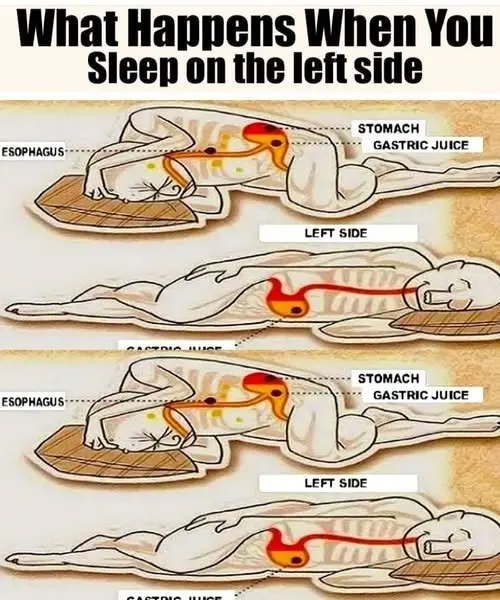
For many, health benefits left side sleeping are rooted in the basic principles of physics. By keeping the stomach and its gastric juices below the esophagus, and allowing the heart to pump with less resistance, you create an internal environment that is conducive to rest rather than struggle. This simple shift can alleviate the “heavy” feeling often associated with poor sleep and support a more efficient metabolic state throughout the night.
Why Your Digestion Prefers the Left Side
One of the most immediate advantages of this position is the improvement in digestive health. Because the stomach is located on the left side of the abdomen, resting on your left allows food waste to move more easily from the small intestine into the large intestine. This process is governed by the ileocecal valve, which is situated in your lower right abdomen. By lying on the left, gravity helps the waste travel through this valve more efficiently.
Furthermore, this position ensures that the stomach and pancreas hang naturally. This prevents the stomach from pressing against the pancreas, which can hinder the production of digestive enzymes. When these organs can function without being compressed, the body can process nutrients and eliminate waste with much less effort, potentially leading to better regularity and less morning bloating.
Support for the Lymphatic System
The lymphatic system serves as the body’s primary filtration network, removing toxins and waste from our tissues. Interestingly, the left side of the body is the dominant lymphatic side. Most of the lymph fluid drains into the thoracic duct, which is located on the left. Consequently, lymphatic system drainage is often more effective when you are positioned on your left side.
By utilizing gravity to assist this drainage, your body can more effectively filter out metabolic waste products and toxins. This is particularly important for brain health, as the glymphatic system—the brain’s waste clearance system—is most active during deep sleep. Supporting this natural detoxification process can help you feel clearer and more alert when the sun comes up.
Managing Nighttime Heartburn and Reflux
If you have ever experienced the burning sensation of indigestion after a late meal, you know how quickly it can ruin a night of rest. This is where acid reflux relief becomes a significant factor in sleep hygiene. When you lie on your right side, the stomach sits above the esophagus, which can allow stomach acid to leak through the lower esophageal sphincter, causing that familiar burn.
Conversely, sleeping on the left keeps the junction between the stomach and the esophagus above the level of gastric acid. Even if some acid is present, gravity keeps it in the stomach rather than allowing it to rise into the throat. This is one of the most well-documented health benefits left side sleeping and is often recommended by specialists for those dealing with chronic GERD symptoms.
Practical Tips for Changing Your Sleep Position
Transitioning to a new sleep position can be challenging if you have spent years as a “right-sider” or a stomach sleeper. However, with a few practical adjustments, you can train your body to stay put. Here are a few strategies to help you make the switch:
- Use a Body Pillow: Placing a long body pillow behind your back can prevent you from rolling over onto your right side during the night. Similarly, placing a pillow between your knees can help keep your hips aligned and make the left side feel more stable.
- Switch Bed Sides: Sometimes our sleep position is influenced by the layout of the room. If you usually face the center of the room, try moving to the other side of the bed so that facing the center requires you to lie on your left.
- The Tennis Ball Trick: An old but effective remedy involves sewing a tennis ball into the back or right side of a pajama top. The slight discomfort of rolling onto the ball will nudge your subconscious to stay on your left side.
- Upgrade Your Mattress: Ensure your mattress offers enough pressure relief for your shoulders and hips. If the surface is too firm, side sleeping can become painful, causing you to flip back onto your stomach or back.
Heart Health and Circulation
The heart is the hardest-working muscle in the body, and it too can benefit from a little help from gravity. The aorta, the largest artery in the body, curves to the left as it leaves the heart to carry blood to the rest of the body. When you lie on your left side, the heart pumps blood “downhill” into the descending aorta.
This position also prevents the weight of the body from pressing on the inferior vena cava, the large vein that returns blood from the lower body to the heart. Improved circulation means your heart doesn’t have to work as hard to move blood through your system, which may support overall cardiovascular ease during your most restorative hours.
When to Exercise Caution
While the health benefits left side sleeping are numerous for many, it is not a universal solution for everyone. Individuals with certain conditions should be mindful of how they position themselves. For example, those with existing shoulder issues or chronic hip pain may find that prolonged side sleeping exacerbates their discomfort. In these cases, using specialized orthopedic pillows is essential to maintain proper spinal alignment.
Additionally, while many heart patients find relief on the left side, those with certain types of congestive heart failure may actually feel more comfortable on their right side to avoid the heart shifting and pressing against the chest wall. As always, if you have a diagnosed medical condition or are experiencing persistent pain, it is best to consult with a qualified healthcare professional before making significant changes to your sleep habits.
Final Thoughts
Optimizing your health often comes down to the small, consistent choices you make every day—and every night. Embracing the health benefits left side sleeping is a natural, cost-free way to support your body’s internal processes. From enhancing digestive health to assisting with lymphatic system drainage, the simple act of leaning left can lead to a more refreshed and revitalized version of yourself. While it may take a few nights to adjust, the long-term rewards for your heart, gut, and energy levels are well worth the effort of retraining your body.
Frequently Asked Questions
Is it safe to sleep on the left side during pregnancy?
Yes, in fact, it is highly recommended. Sleeping on the left side during pregnancy improves circulation to the heart and allows for better blood flow to the placenta, uterus, and kidneys. It also keeps the weight of the growing uterus from pressing down on the liver and the large vein that carries blood back to the heart.
Can left side sleeping help with snoring or sleep apnea?
Yes, side sleeping in general is often helpful for reducing snoring and mild sleep apnea. When you sleep on your back, gravity can cause the tongue and soft tissues to collapse into the throat, obstructing the airway. Positioning yourself on the left side keeps the airway more open and can lead to a quieter, more restful night for both you and your partner.
What if I wake up on my right side or my back?
Do not worry if you shift positions during the night; it is perfectly natural for the body to move. If you wake up and realize you have rolled over, simply gently reposition yourself back onto your left side. Over time, your body will become more accustomed to the left-side orientation, and you will likely spend more of the night in that position.
Does side sleeping cause facial wrinkles?
There is some evidence that prolonged pressure on one side of the face can contribute to “sleep lines.” To mitigate this, you can use a silk or satin pillowcase, which reduces friction and tugging on the skin. You can also try to position your head so that the lower half of your face is not directly pressed into the pillow.
Should I avoid the left side if I have a shoulder injury?
If you have an active injury or chronic pain in your left shoulder, sleeping on that side may cause additional strain. In this scenario, you might find more relief on your right side or your back until the injury heals. Always listen to your body’s pain signals and consult a physical therapist if you need guidance on supportive sleep postures.
Why Sleeping on Your Left Side Could Be a Game-Changer for Your Health

Adjusting your sleep posture to the left side can significantly improve digestive efficiency, reduce acid reflux, and enhance heart health. This guide provides the essential steps to optimize your sleep position for better wellness.
- 1 Medium-firm mattress
- 1 Contour pillow for neck support
- 1 Small pillow for between the knees
- 1 Breathable cotton sleep set
- 1Lie down on your left side with your back straight and head comfortably on the main pillow.
- 2Ensure your neck is neutral and not tilted too far up or down.
- 3Place the smaller pillow between your knees to keep your hips and spine aligned throughout the night.
- 4Keep your hands in front of you or by your sides, avoiding tucking them under your head to prevent nerve compression.
Keywords: sleep health, left-side sleeping, wellness, digestion tips


