
How to Manage Blocked Arteries with These Powerful Foods

Maintaining clear, flexible arteries is one of the most important things you can do for your long-term wellness. When we talk about arterial health, we are really talking about the foundation of your circulatory system—the highways that deliver oxygen and nutrients to every cell in your body. Over time, factors like high blood pressure, inflammation, and elevated cholesterol can lead to a buildup of plaque, a condition known as atherosclerosis. While genetics certainly play a role, your daily habits and the items in your grocery cart are incredibly powerful tools for managing this process. Choosing the best foods for clogged arteries isn’t just about restriction; it is about flooding your system with the right nutrients to support repair and blood flow.
Focusing on a heart-healthy diet allows you to take a proactive approach to your vascular integrity. Instead of feeling overwhelmed by medical jargon, it helps to think of your diet as a way to provide “maintenance” for your internal plumbing. By prioritizing whole, unprocessed ingredients that fight oxidative stress and lower systemic inflammation, you create an environment where your heart and blood vessels can thrive. This guide will explore the most effective nutritional choices you can make to support your cardiovascular health and help keep your circulation moving smoothly for years to come.
Understanding Arterial Health and Plaque Buildup
To understand why certain foods are so beneficial, it helps to know exactly what happens inside your vessels. Your arteries are lined with a thin, delicate layer of cells called the endothelium. When this lining is healthy, it is smooth and flexible, allowing blood to flow without resistance. However, when the endothelium becomes damaged—often due to smoking, high blood sugar, or chronic inflammation—it becomes “sticky.” This stickiness allows LDL cholesterol and other substances to latch onto the arterial wall, eventually forming plaque.
As this plaque accumulates, the arteries narrow and harden, a process often referred to as “hardening of the arteries.” This restriction can eventually limit blood flow to vital organs. While it is difficult to completely unclog arteries naturally once significant, calcified plaque has formed, a targeted diet can help stabilize existing plaque, prevent new buildup, and improve the overall function of your blood vessels. This “stabilization” is crucial because it reduces the risk of plaque rupturing, which is a leading cause of heart attacks and strokes.
The Best Foods for Supporting Your Arteries
Incorporating specific, nutrient-dense ingredients is the most effective way to use nutrition as medicine. The best foods for clogged arteries generally fall into categories that provide high levels of fiber, healthy fats, and potent antioxidants. These components work together to lower “bad” LDL cholesterol, raise “good” HDL cholesterol, and reduce the inflammation that triggers plaque formation.
- Fatty Fish: Varieties like salmon, mackerel, sardines, and albacore tuna are rich in Omega-3 fatty acids. These essential fats are known to reduce systemic inflammation and may lower the risk of blood clots. They also help improve the elasticity of the arterial walls.
- Leafy Greens: Spinach, kale, and collard greens are packed with nitrates, which the body converts into nitric oxide. This molecule is a powerful vasodilator, meaning it helps your blood vessels relax and open up, promoting better flow and lower blood pressure.
- Berries: Blueberries, strawberries, and raspberries are loaded with anthocyanins. These antioxidants protect the endothelium from oxidative damage and have been shown to help lower blood pressure and improve overall cardiovascular health.
- Oats and Barley: These grains are exceptional cholesterol-lowering foods because they contain a specific type of soluble fiber called beta-glucan. Beta-glucan binds to cholesterol in the digestive tract and helps whisk it out of the body before it can reach your bloodstream.
- Avocados: Rich in monounsaturated fats and potassium, avocados help balance cholesterol levels and manage blood pressure. Their high fiber content also supports metabolic health, which is closely tied to heart health.
- Nuts and Seeds: Walnuts, flaxseeds, and chia seeds provide plant-based Omega-3s and fiber. Regular consumption is associated with improved vessel function and lower levels of inflammation markers.
The Power of Cruciferous Vegetables
Vegetables like broccoli, cauliflower, and Brussels sprouts deserve a special mention. They contain organosulfur compounds that may help prevent the hardening of the arteries. Studies have suggested that individuals who consume more cruciferous vegetables tend to have thinner, healthier carotid artery walls compared to those who do not. Including a serving of these daily provides a crunchy, fiber-rich defense for your heart.
Beans, Lentils, and Legumes
Legumes are often overlooked but are among the most potent cholesterol-lowering foods available. Because they are so high in soluble fiber, they can significantly impact LDL levels. Furthermore, they are a great source of plant-based protein, which helps reduce the intake of saturated fats found in red meats—a common contributor to arterial plaque.
Practical Strategies for a Heart-Healthy Kitchen
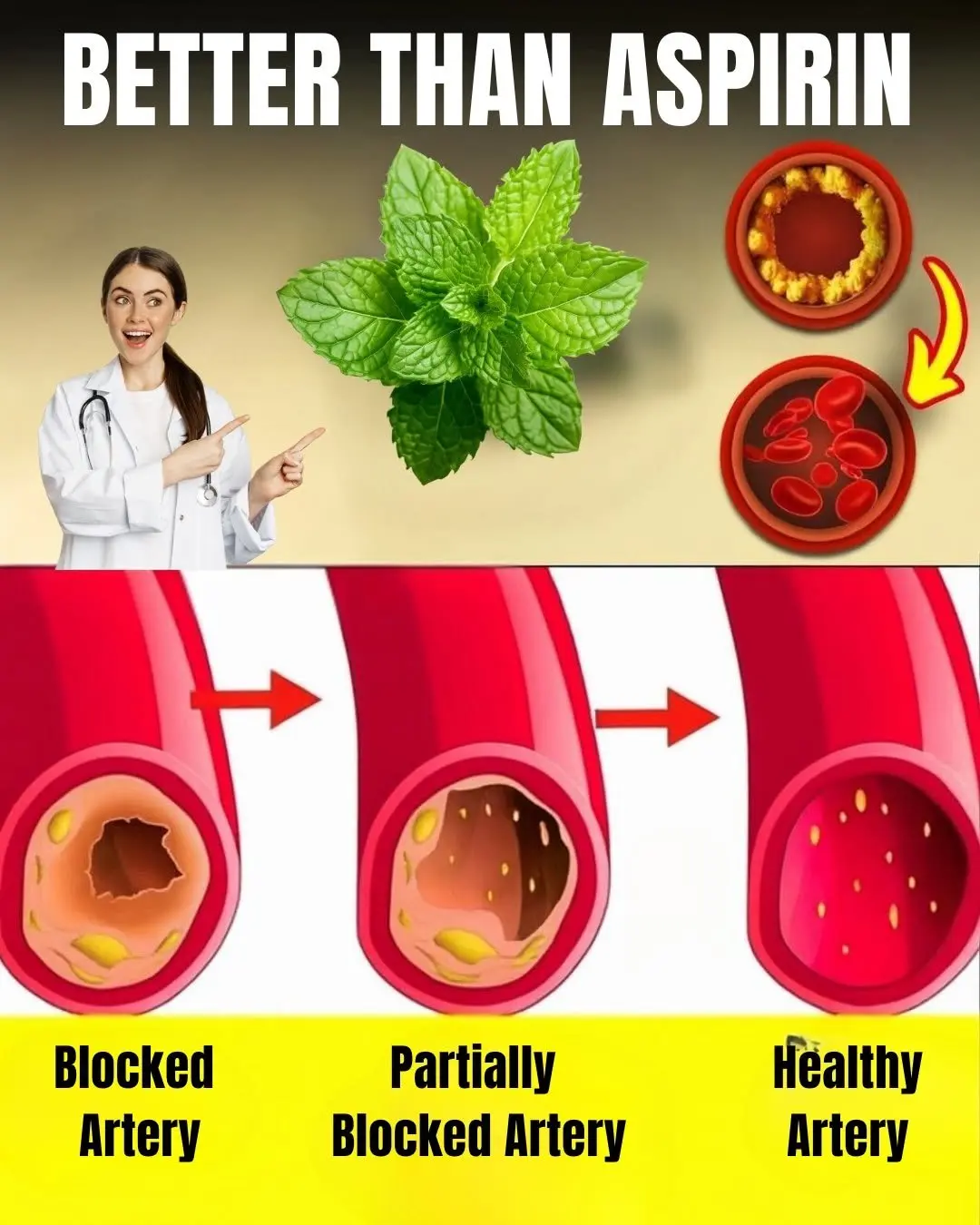
Knowing which foods to eat is the first step, but the real magic happens when you integrate them into your daily routine. Transitioning to a heart-healthy diet doesn’t have to happen overnight. Small, sustainable swaps often lead to the best long-term results. For instance, try replacing your morning bagel with a bowl of steel-cut oats topped with walnuts and berries. This simple change hits three major heart-health categories in one meal.
When planning your lunches and dinners, aim for the “Plate Method.” Fill half your plate with colorful vegetables (especially those leafy greens and cruciferous veggies), one-quarter with a lean protein like fatty fish or lentils, and the remaining quarter with a healthy fat source like avocado or a drizzle of extra virgin olive oil. Olive oil is a staple of the Mediterranean diet for a reason; its polyphenols are highly protective for the arterial lining. Also, consider “Meatless Mondays” as a way to prioritize legumes and fiber over saturated fats.
Another practical tip is to watch your sodium and added sugar intake. High salt consumption can lead to hypertension, which physically stresses the arterial walls, making them more prone to damage. Similarly, high sugar intake can lead to insulin resistance and systemic inflammation, both of which accelerate the process of atherosclerosis. Focus on using fresh herbs, lemon juice, and spices like turmeric and garlic to season your food instead of relying on the salt shaker or processed sauces.
Important Cautions and Lifestyle Factors
While nutrition is a cornerstone of vascular health, it is important to remember that it is one piece of a larger puzzle. If you have been diagnosed with heart disease or high cholesterol, you should always work closely with a healthcare professional. Diet can support your journey, but it is not a substitute for medical treatment or prescribed medications. Never stop taking heart-related medication without consulting your doctor first.
It is also vital to recognize that you cannot unclog arteries naturally through food alone if other lifestyle factors are working against you. Smoking, for example, is one of the most significant causes of endothelial damage; no amount of kale can fully offset the damage caused by tobacco use. Physical activity is another essential component. Regular aerobic exercise helps strengthen the heart muscle and improves the efficiency of your circulatory system. Managing stress through mindfulness or adequate sleep also plays a role in keeping inflammation at bay.
Finally, be cautious of “miracle” supplements or extreme detoxes that claim to “scrub” your arteries clean. Arterial health is a slow, steady process of protection and maintenance. There are no shortcuts, but the best foods for clogged arteries provide a proven, science-backed way to support your body’s natural healing and maintenance systems.
Final Thoughts
Eating for your heart is one of the most rewarding ways to nourish yourself. By choosing the best foods for clogged arteries, you aren’t just preventing a condition; you are fueling your body with the energy and nutrients it needs to feel vibrant every day. From the vibrant antioxidants in a handful of berries to the soothing healthy fats in an avocado, every meal is an opportunity to strengthen your cardiovascular health. Remember that consistency is key. Focus on adding more of the good things in, and over time, these heart-healthy choices will become a natural, delicious part of your lifestyle.
Frequently Asked Questions
Can you really unclog your arteries just by eating certain foods?
While you can’t “vacuum” out hard, calcified plaque with food, a heart-healthy diet can do incredible things. It can help shrink “soft” plaque, stabilize existing buildup to prevent ruptures, and drastically improve the function of the arterial lining. The goal of eating the best foods for clogged arteries is to prevent further narrowing and to keep the blood flowing as efficiently as possible.
How long does it take to see results from a heart-healthy diet?
Biochemical markers, such as your blood pressure and cholesterol levels, can often begin to improve within just a few weeks of consistent dietary changes. However, the structural health of your arteries is a long-term project. For lasting cardiovascular health, these eating patterns should be viewed as a permanent lifestyle shift rather than a temporary fix.
Are eggs and coffee okay for arterial health?
Current research suggests that moderate coffee consumption (2-3 cups a day) is actually associated with a lower risk of heart disease due to its antioxidant content. Regarding eggs, most health organizations agree that moderate egg consumption is fine for most people, though those with high cholesterol or diabetes should monitor their intake of dietary cholesterol. As always, it’s about the overall balance of your heart-healthy diet.
Is it ever too late to start eating for my heart?
It is never too late to improve your cardiovascular health. Even if you already have heart disease or have undergone procedures like stenting, adopting a diet rich in cholesterol-lowering foods and antioxidants can improve your prognosis, increase your energy levels, and reduce the risk of future complications. Your body is remarkably resilient when given the right tools.
What are the worst foods for arterial health?
To support your efforts to unclog arteries naturally (in the sense of preventing further damage), it is best to limit ultra-processed foods, trans fats, and excessive added sugars. These items trigger the inflammation and oxidative stress that damage the arterial lining. Instead of focusing on “forbidden” foods, try to focus on “crowding them out” with the nutrient-dense options mentioned in this guide.
Heart-Healthy Turmeric Quinoa and Garlic Roasted Veggies

This nutrient-dense dish is specifically crafted to help manage blocked arteries by combining the anti-inflammatory power of turmeric and garlic with the heart-protective fiber found in quinoa and walnuts.
- 1 cup cooked quinoa
- 1 bunch fresh asparagus, trimmed
- 1 cup broccoli florets
- 2 tablespoons extra-virgin olive oil
- 1 teaspoon ground turmeric powder
- 4 cloves garlic, minced
- 1/4 cup raw walnuts, chopped
- 1 tablespoon ground flax seeds
- 1Preheat your oven to 400°F (200°C) and line a large baking sheet with parchment paper.
- 2Place the asparagus and broccoli on the sheet and drizzle with olive oil.
- 3Sprinkle the minced garlic and turmeric over the vegetables, tossing well to ensure an even coat.
- 4Roast for 18-20 minutes or until the vegetables are tender and slightly golden.
- 5In a large bowl, combine the roasted vegetables with the cooked quinoa.
- 6Garnish with chopped walnuts and flax seeds to provide essential Omega-3 fatty acids.
Keywords: heart health, arterial health, turmeric, garlic, cardiovascular diet, plant based


