
Remove Foot Calluses Naturally with This Surprising Bread Remedy

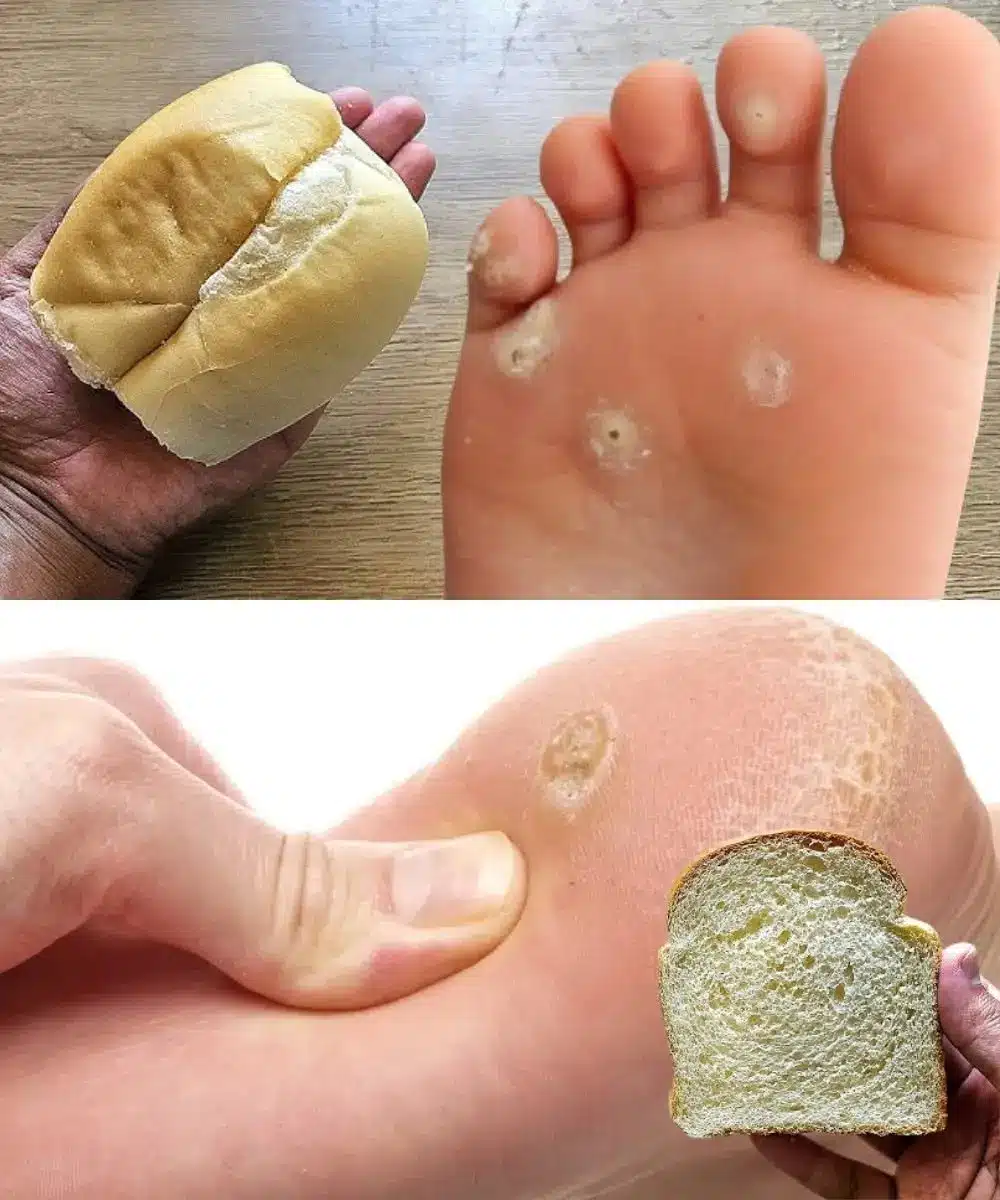
Dealing with rough, thickened skin on your heels or the balls of your feet can be more than just an aesthetic annoyance; it can be genuinely uncomfortable. If you’ve spent a long day in restrictive shoes, you know how those stubborn, hardened patches can ache and throb. While many people immediately reach for abrasive pumice stones or expensive chemical peels, there is a surprisingly simple bread remedy for foot calluses that has been passed down through generations as a staple of home remedies for calluses. This old-fashioned approach uses basic pantry items to gently break down tough skin without the need for aggressive scrubbing.
This natural foot care technique relies on the unique combination of the absorbent structure of bread and the mild acidity of vinegar. By creating a vinegar and bread soak that stays in contact with the skin for an extended period, you allow the acetic acid to penetrate the layers of dead skin, eventually softening foot skin enough to be easily washed away. It is an approachable, cost-effective method for anyone looking to restore comfort to their feet using ingredients they likely already have in the kitchen.
Why This Natural Method Works for Calluses
The bread remedy for foot calluses is favored because it is gentle yet effective for localized treatment. Unlike a full foot soak that exposes the entire foot to acid, this method targets only the affected area. Here is why this traditional approach remains popular today:
- Targeted Softening: The bread acts as a localized delivery system, keeping the vinegar directly on the callus rather than letting it evaporate or run off.
- Acetic Acid Benefit: Vinegar contains mild acetic acid, which helps to dissolve the “glue” that holds dead skin cells together, making softening foot skin much easier.
- Chemical-Free Approach: It avoids the harsh salicylic acids or synthetic fragrances found in many over-the-counter callus removers, making it a win for natural foot care.
- Cost-Efficiency: Using a single slice of stale bread and a splash of vinegar is significantly more affordable than professional pedicures or specialized foot masks.
Essential Components of the Remedy
To try this bread remedy for foot calluses, you don’t need specialized equipment. The goal is to create a soft, acidic poultice that can be comfortably worn while you rest. Understanding the role of each component helps ensure the best results for softening foot skin.
- White or Apple Cider Vinegar: Both types of vinegar work well for home remedies for calluses. White vinegar is slightly more acidic, while apple cider vinegar is often praised for its additional enzymes and skin-soothing properties.
- Stale Bread: You don’t need fresh bread for this. In fact, slightly stale or crustless bread is often better because it is more absorbent and can hold more vinegar without falling apart immediately.
- Plastic Wrap or Gauze: This is essential to keep the moisture contained. It prevents the vinegar and bread soak from drying out and protects your bedsheets or socks from getting wet.
- Cotton Socks: Wearing a pair of old cotton socks over the wrap helps keep everything in place and provides a bit of warmth, which can further help the vinegar penetrate the skin.
How to Use the Bread Remedy for Foot Calluses
Applying this treatment is straightforward, but it does require some time to be effective. Most people find it easiest to apply the bread remedy for foot calluses right before bed so the ingredients can work overnight while the body is at rest.
Step 1: Prepare the Vinegar Soak
Start by pouring a small amount of vinegar into a shallow bowl. Take a piece of bread—roughly the size of the callus you are treating—and soak it thoroughly in the liquid. You want the bread to be saturated but not so soggy that it completely disintegrates. Using a vinegar and bread soak ensures the acid remains in constant contact with the hardened keratin of the callus.
Step 2: Apply to the Affected Area
Place the soaked bread directly over the callus. Make sure the bread is centered so that the edges of the hardened skin are fully covered. This targeted application is what makes this one of the most effective home remedies for calluses, as it prevents the vinegar from irritating the thinner, healthier skin surrounding the callus.
Step 3: Secure the Poultice
Wrap the area firmly with plastic wrap or secure it with a large adhesive bandage or medical gauze. The wrap serves two purposes: it creates a seal that prevents the vinegar from evaporating and it keeps the natural foot care treatment from shifting. Pull on a pair of cotton socks to provide an extra layer of security and comfort.
Step 4: Rest and Remove
Leave the treatment on for at least several hours, or ideally, overnight. In the morning, remove the socks and the wrap. You should notice that the skin has become pale and significantly softer. Use a warm, damp cloth to wash the area, and if the skin is ready, you can gently rub the area with a towel to remove the loosened dead cells.
Important Safety Precautions and Cautions
While home remedies for calluses are generally safe for most people, foot care requires caution, especially for those with certain health conditions. Because the bread remedy for foot calluses involves acid, it is important to monitor how your skin reacts to the treatment.
First, never apply vinegar to skin that is cracked, bleeding, or showing signs of infection. The acid will sting and may cause further irritation or chemical burns on open wounds. If you feel any intense burning or itching during the treatment, remove the wrap immediately and wash your foot with cool water.
Individuals with diabetes or poor circulation should be extremely cautious with natural foot care. Nerve damage (neuropathy) can make it difficult to feel if the skin is becoming irritated or damaged. If you have a chronic condition that affects your feet, always consult with a healthcare professional or podiatrist before attempting any at-home callus treatments.
Tips for Long-Term Foot Health
Once you have achieved success with softening foot skin, the goal shifts to prevention. Calluses are the body’s way of protecting itself from friction and pressure, so reducing those factors is key to keeping your feet smooth.
Regular moisturizing is one of the most effective ways to prevent new calluses from forming. Use a thick, urea-based cream or a simple natural oil like coconut oil after every shower to lock in moisture. Additionally, ensure your footwear fits correctly; shoes that are too tight or have high heels often create the friction that leads to calluses in the first place.
Consider incorporating a weekly natural foot care routine that includes a gentle soak in warm water and Epsom salts. This keeps the skin supple and allows you to address minor rough patches before they develop into deep, painful calluses. By combining the bread remedy for foot calluses with consistent maintenance, you can maintain healthy, pain-free feet year-round.
Final Thoughts
The bread remedy for foot calluses is a testament to the power of simple, time-tested wisdom. In a world of complex beauty products, sometimes the most effective solution is sitting right in your pantry. By using a vinegar and bread soak, you can enjoy the benefits of softening foot skin without harsh chemicals or expensive tools. Remember to be patient, as deep calluses may require more than one application, and always prioritize the safety of your skin by following proper natural foot care precautions.
Frequently Asked Questions
How long does it take for the bread remedy to work?
For most people, a single overnight application of the bread remedy for foot calluses will significantly soften the skin. However, if the callus is particularly thick or has been there for a long time, you may need to repeat the process for two or three consecutive nights. Consistency is key when using home remedies for calluses to ensure the acid has enough time to penetrate the deep layers of dead skin.
Can I use any type of vinegar for this treatment?
Yes, both white distilled vinegar and apple cider vinegar are effective for softening foot skin. White vinegar has a slightly higher acidity, which can be more effective for very tough calluses. Apple cider vinegar is a popular choice for natural foot care because it contains malic acid and beneficial bacteria that can be gentler on the skin, though it may have a stronger scent.
Is it safe to use this remedy every night?
It is generally safe to use the bread remedy for foot calluses for a few nights in a row until the callus softens. However, you should stop immediately if you notice redness, sensitivity, or irritation in the healthy skin surrounding the callus. Over-exposure to vinegar can cause the skin to become too dry or irritated, so it is best to use it only until the callus is gone and then switch to a moisturizing routine.
What should I do if the callus doesn’t come off?
If the vinegar and bread soak doesn’t fully remove the callus after a few attempts, do not try to cut or scrape it off with sharp tools. This can lead to injury and infection. Instead, continue softening foot skin with regular warm water soaks and moisturizing. If a callus remains painful or doesn’t respond to home remedies for calluses, it is best to see a podiatrist who can safely debride the area in a clinical setting.
Does the type of bread matter?
While any bread can technically work, white bread is often preferred for the bread remedy for foot calluses because it is highly absorbent and has a soft texture that easily molds to the shape of your foot. Whole grain breads with seeds or nuts may not hold the vinegar as evenly or stay in place as well. Removing the crusts can also help the bread make better contact with the skin.
Natural Bread and Vinegar Foot Callus Remedy

Discover how to naturally remove stubborn foot calluses using a simple kitchen staple: bread. This surprising home remedy uses apple cider vinegar and a slice of bread to soften hardened skin overnight for smooth, soft feet.
- 1 slice white bread
- 1/2 cup Apple Cider Vinegar
- Plastic wrap or a clean cotton sock
- Medical tape (optional)
- 1Pour the apple cider vinegar into a shallow bowl.
- 2Place the slice of bread into the vinegar and let it soak until it is fully saturated but not falling apart.
- 3Apply the soaked bread directly onto the callused area of your foot.
- 4Secure the bread in place by wrapping your foot with plastic wrap or pulling on a clean, thick cotton sock.
- 5Leave the treatment on overnight while you sleep.
- 6In the morning, remove the wrap and rinse your foot. Use a pumice stone to gently scrub away the softened callus.
Keywords: foot callus remedy, bread vinegar hack, natural foot care, home remedy for calluses, smooth feet


