
Warts and Skin Tags: Safe Home Care and Treatment Options

Nearly everyone encounters a small, unexpected bump on their skin at some point in their lives, leading many to search for the most effective methods for wart and skin tag removal. While these two types of common skin growths are generally harmless, they can cause physical discomfort, snag on clothing, or simply create a sense of self-consciousness. Understanding the underlying causes of these growths is the first step in deciding whether to treat them in the comfort of your own home or seek the expertise of a dermatologist.
Navigating the various options for skin tag removal at home versus clinical procedures can feel overwhelming, especially with the sheer volume of products available on the market today. By learning to distinguish between viral-based warts and friction-induced skin tags, you can select a treatment plan that is safe, effective, and tailored to your specific skin type. This guide will walk you through the most reliable approaches to achieving clearer, smoother skin while prioritizing safety and long-term health.
Why Understanding Your Skin Growths Matters
- Confidence Boost: Removing visible or bothersome growths often helps individuals feel more comfortable in their own skin, especially when the growths are in prominent areas.
- Physical Comfort: Eliminating skin tags in areas of high friction, such as the neck or underarms, prevents the irritation and bleeding that often occurs when they catch on jewelry or fabric.
- Preventing Spread: Since warts are caused by a virus, prompt wart and skin tag removal can help prevent the virus from spreading to other parts of your body or to other people.
- Health Screening: Taking the time to evaluate a growth allows you to ensure it is actually a benign tag or wart rather than a more serious skin condition that requires medical attention.
Identifying Warts and Skin Tags
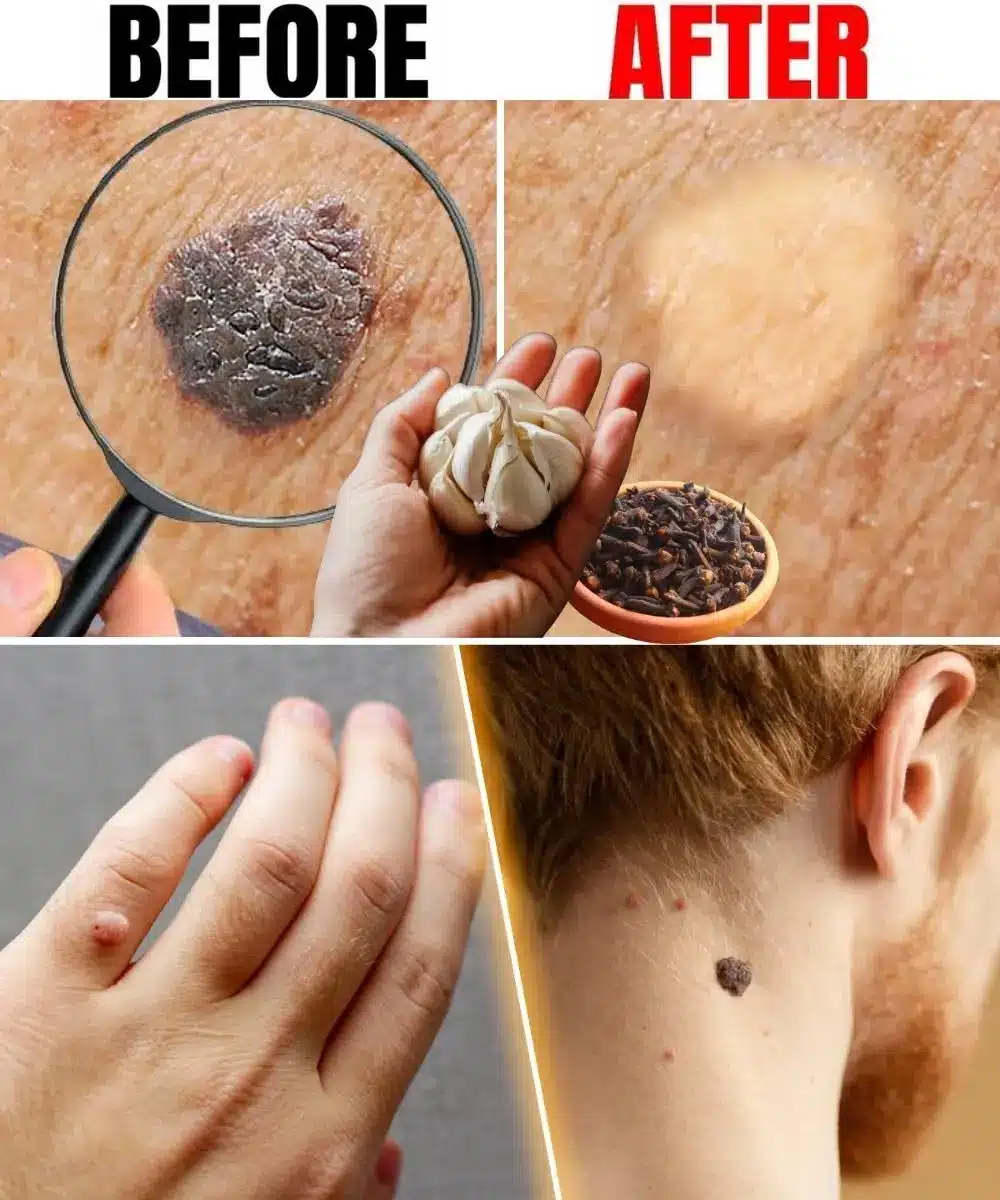
Before diving into treatment, it is essential to know exactly what you are dealing with. While they might look similar at a quick glance, warts and skin tags have very different origins and characteristics. Warts are caused by the human papillomavirus (HPV) and often have a grainy, rough texture with tiny black dots, which are actually clotted blood vessels. They can appear anywhere but are most common on the hands, feet, and knees.
Skin tags, on the other hand, are soft, fleshy protrusions that usually hang off the skin by a small stalk called a peduncle. They are not viral and are typically the result of skin rubbing against skin or clothing. You will most often find them in skin folds, such as the eyelids, neck, armpits, and groin area. Identifying these common skin growths correctly ensures you don’t use a harsh wart acid on a sensitive skin tag, which could lead to unnecessary scarring or pain.
Practical Options for Home Removal
For many, the first line of defense involves over-the-counter (OTC) solutions. These products have come a long way and offer a convenient way to manage minor issues without a doctor’s visit. When looking for the best wart treatments at the pharmacy, you will typically find two main types: salicylic acid and home cryotherapy kits.
Salicylic acid works by gradually dissolving the layers of the wart. It requires consistency, often needing daily application for several weeks. Home cryotherapy kits use a mixture of dimethyl ether and propane to “freeze” the growth, similar to the liquid nitrogen used by professionals. While these are effective for many, they must be used with caution to avoid damaging the surrounding healthy skin. For skin tags, there are specialized patches and ligation devices that work by cutting off the blood supply to the tag, causing it to eventually fall off naturally.
Professional Wart and Skin Tag Removal
While home remedies are popular, there are times when professional skin tag removal or wart treatment is the superior choice. If a growth is located in a sensitive area like the face or genitals, or if you have an underlying condition like diabetes that affects healing, a dermatologist should always handle the removal. Professionals have access to stronger tools that provide faster results with a lower risk of infection.
Common clinical methods include cryotherapy with liquid nitrogen, which is much colder and more effective than OTC versions. Electrosurgery involves using a high-frequency electric current to burn the growth away, while ligation or excision involves a sterile surgical removal. These methods are usually quick, often taking only a few minutes, and provide the peace of mind that the growth has been evaluated by a medical expert before being removed.
Safety Cautions and When to See a Doctor
The most important rule of wart and skin tag removal is to never attempt to “perform surgery” on yourself. Cutting off a growth with unsterile scissors or clippers can lead to severe infection, significant bleeding, and permanent scarring. Furthermore, some skin cancers can mimic the appearance of a wart or skin tag. If a growth changes color, bleeds spontaneously, grows rapidly, or has irregular borders, it is imperative to consult a healthcare professional immediately.
People with weakened immune systems or circulatory issues should also avoid home treatments. Because warts are viral, they can be stubborn; if you find that a wart keeps returning despite your best efforts at skin tag removal at home, a doctor can provide prescription-strength treatments or immunotherapy to help your body fight the underlying virus more effectively.
Tips for Preventing Future Growths
Once you have successfully cleared your skin, you likely want to keep it that way. While you can’t always prevent these growths entirely, certain habits can lower your risk. To prevent warts, avoid walking barefoot in public locker rooms or pool areas, and never share towels or razors with someone who has an active wart. Keeping your skin hydrated and healthy also makes it harder for viruses to enter through small cracks.
To reduce the frequency of skin tags, try to minimize friction in prone areas. This might mean wearing moisture-wicking clothing during exercise or using powders to reduce skin-on-skin rubbing. Maintaining a healthy weight can also help, as skin tags are often associated with metabolic changes and increased skin folds. Regular skin checks will help you catch any new common skin growths early, making removal much simpler.
Final Thoughts
Deciding on the best path for wart and skin tag removal depends largely on the location, size, and type of growth you are facing. While many minor bumps can be handled effectively with best wart treatments found over the counter, the value of a professional consultation cannot be overstated for growths that are painful, stubborn, or aesthetically concerning. By staying informed and practicing safe removal techniques, you can maintain healthy skin and feel confident in your appearance. Remember to always prioritize sterile methods and consult a professional if you are ever in doubt about a new mark on your skin.
Frequently Asked Questions
Is it painful to remove a skin tag at home?
Most skin tag removal at home methods, such as ligation or medicated patches, involve minimal discomfort. Ligation works by slowly cutting off blood flow, which may cause a slight pinching sensation initially, but generally doesn’t cause sharp pain. However, you should never attempt to cut or pull a tag off, as this can be very painful and cause significant bleeding.
How long does it take for a wart to disappear with OTC treatment?
Patience is key when using best wart treatments like salicylic acid. Because the acid works by peeling away the virus-infected skin layer by layer, it can take anywhere from four to twelve weeks of consistent daily application to see full results. Cryotherapy kits may work faster, often requiring only one or two applications, though stubborn warts may need more time.
Can skin tags grow back after they have been removed?
A specific skin tag that has been completely removed usually does not grow back. However, if you are prone to common skin growths, new tags may develop in the same general area over time, especially if the underlying cause—such as friction or genetic predisposition—remains. Proper skin care and reducing friction can help minimize the appearance of new tags.
Are warts contagious to other people?
Yes, warts are caused by the HPV virus and can be spread through direct skin-to-skin contact or by touching contaminated surfaces like gym floors or towels. This is why wart and skin tag removal is often recommended for warts; by removing the growth, you reduce the viral load and the likelihood of passing the virus to family members or friends.
Can I use wart remover on a skin tag?
It is generally not recommended to use high-concentration salicylic acid wart removers on skin tags. Skin tags are often located in areas where the skin is thin and sensitive, such as the neck or eyelids. The harsh chemicals in best wart treatments can cause chemical burns or irritation on the healthy skin surrounding a tag. It is better to use products specifically designed for tags or consult a professional.
Safe Home Care and Treatment Options for Warts and Skin Tags

A guide to safely managing common skin growths using natural remedies and over-the-counter solutions to promote clear skin.
- Apple cider vinegar
- Tea tree oil
- Salicylic acid (OTC)
- Adhesive bandages
- Cotton swabs
- Petroleum jelly
- 1Cleanse: Wash the affected area with warm water and mild soap, then pat dry thoroughly.
- 2Protect: Apply a thin layer of petroleum jelly to the healthy skin surrounding the wart or tag to prevent irritation from the treatment.
- 3Apply: Soak a small piece of cotton in apple cider vinegar or tea tree oil and place it directly on the growth.
- 4Secure: Cover the area with a tight bandage or duct tape to keep the treatment in contact with the skin.
- 5Monitor: Repeat the process daily until the skin tag or wart darkens and naturally falls off.
Keywords: skin care, warts, skin tags, home treatment, natural remedies


